Same-Day Medical Delivery: Why Speed Matters in Healthcare Operations
Same-day medical delivery impacts patient outcomes, clinical workflows, and operational efficiency. Learn how healthcare organizations use time-critical logistics to improve care delivery.
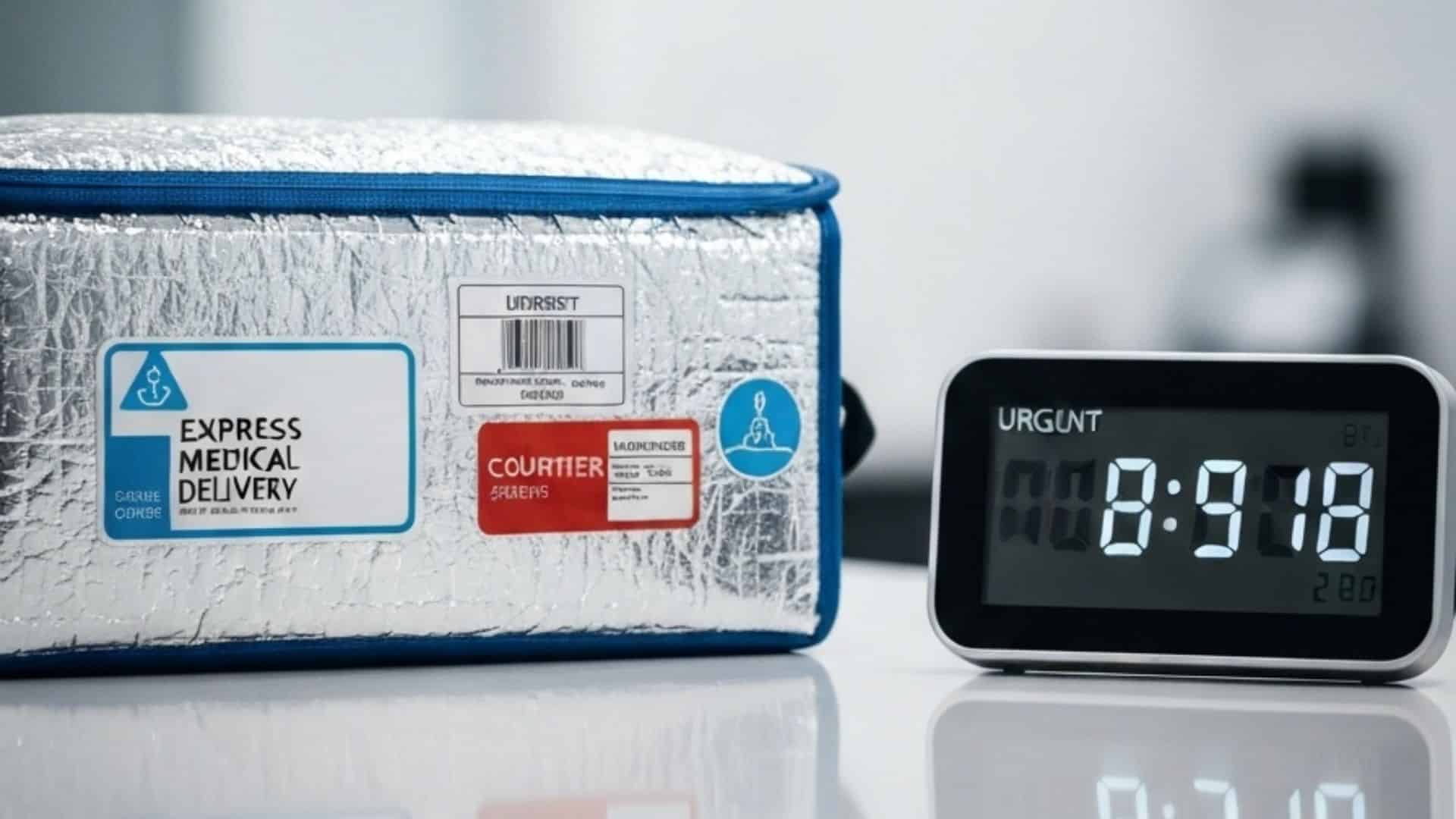
Lab Outreach Program Logistics: Challenges and Solutions for Clinical Laboratories
Lab outreach programs face route complexity, specimen integrity, and compliance challenges. Learn how purpose-built medical courier logistics solve common outreach problems and improve laboratory performance.

OSHA and DOT Compliance for Medical Couriers: What Healthcare Providers Must Know
OSHA, DOT, and HIPAA regulations govern every aspect of medical courier operations. Learn the compliance requirements, penalties for violations, and how to verify your logistics partner meets federal standards.

Chain of Custody in Medical Specimen Transport: A Complete Guide
Chain of custody gaps in medical transport create compliance risk and diagnostic errors. Learn the documentation, technology, and protocols required for full specimen traceability from collection to laboratory.
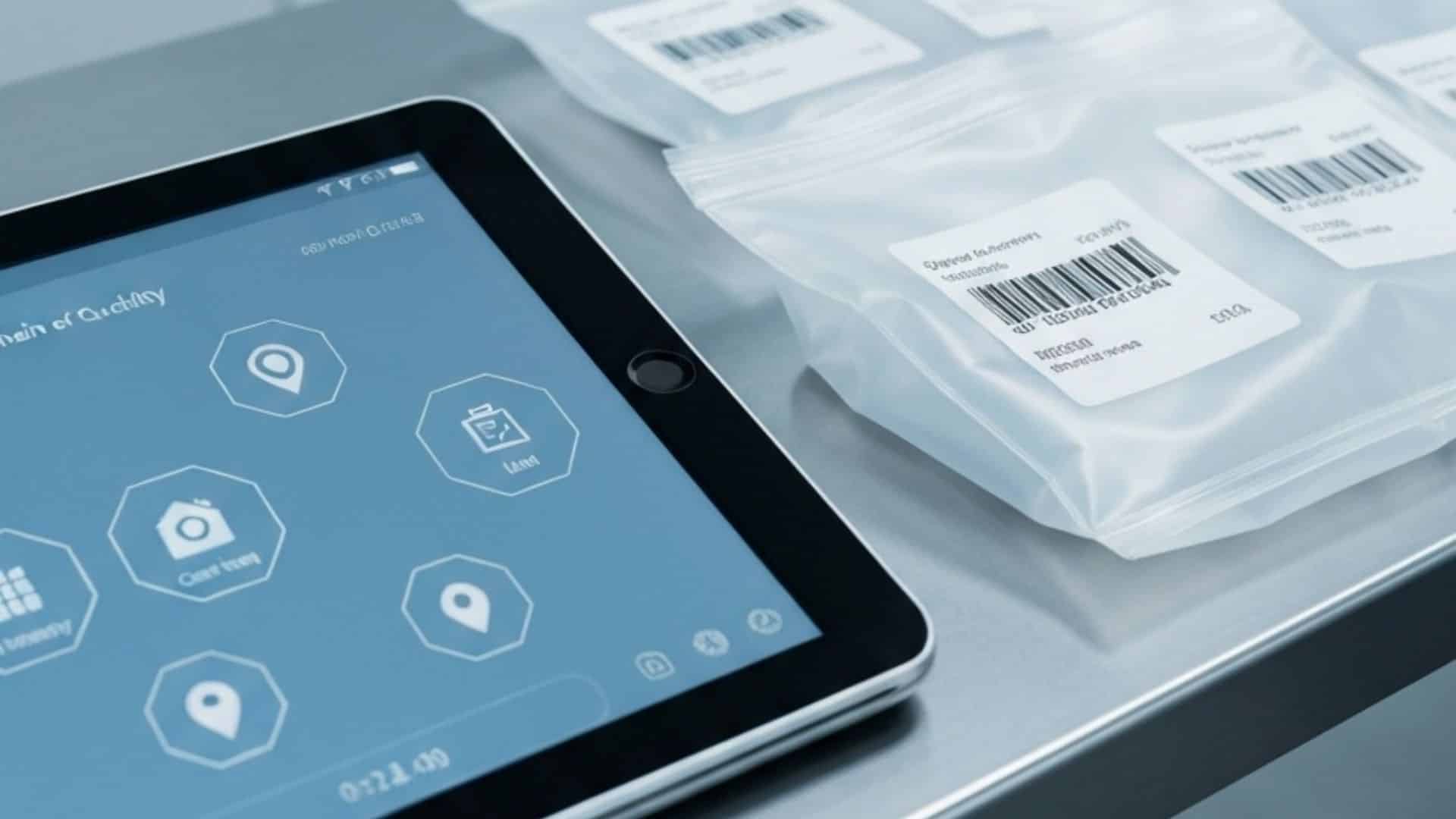
In-House vs Outsourced Medical Courier: A Cost and Quality Comparison
Compare in-house vs outsourced medical courier operations across cost, compliance, scalability, and technology. Learn which model delivers better efficiency and reliability for healthcare logistics.
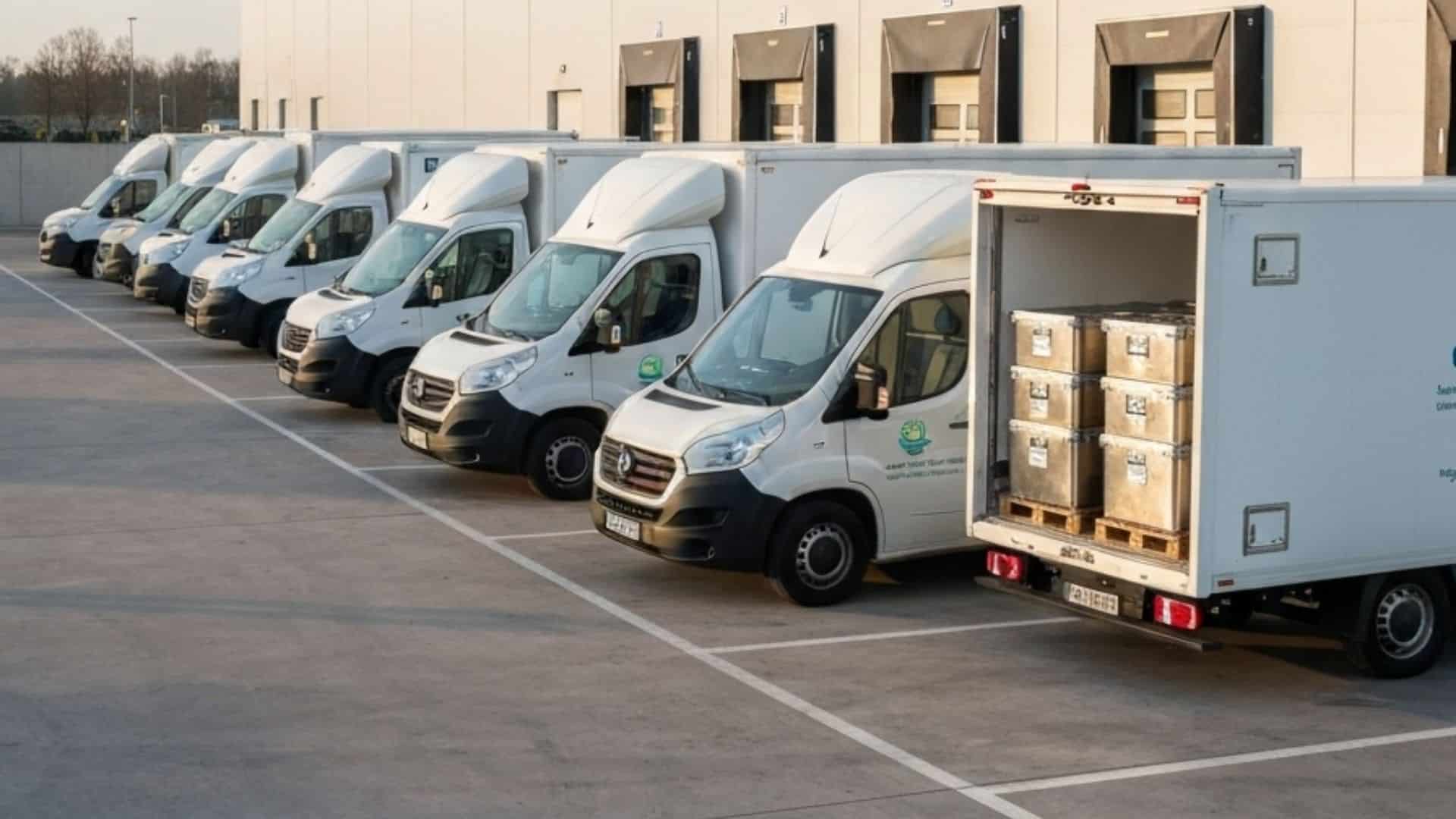
Cold Chain Logistics in Healthcare: Protecting Specimen and Medication Integrity
Cold chain failures compromise specimens, medications, and biologics. Learn how healthcare organizations maintain temperature integrity across five temperature tiers from pickup to delivery.

Pre-Analytical Errors: How Specimen Handling Impacts Diagnostic Accuracy
Up to 70% of laboratory errors occur before testing begins. Learn how pre-analytical specimen handling failures, from temperature excursions to chain-of-custody gaps, compromise diagnostic accuracy and how purpose-built medical couriers prevent them.
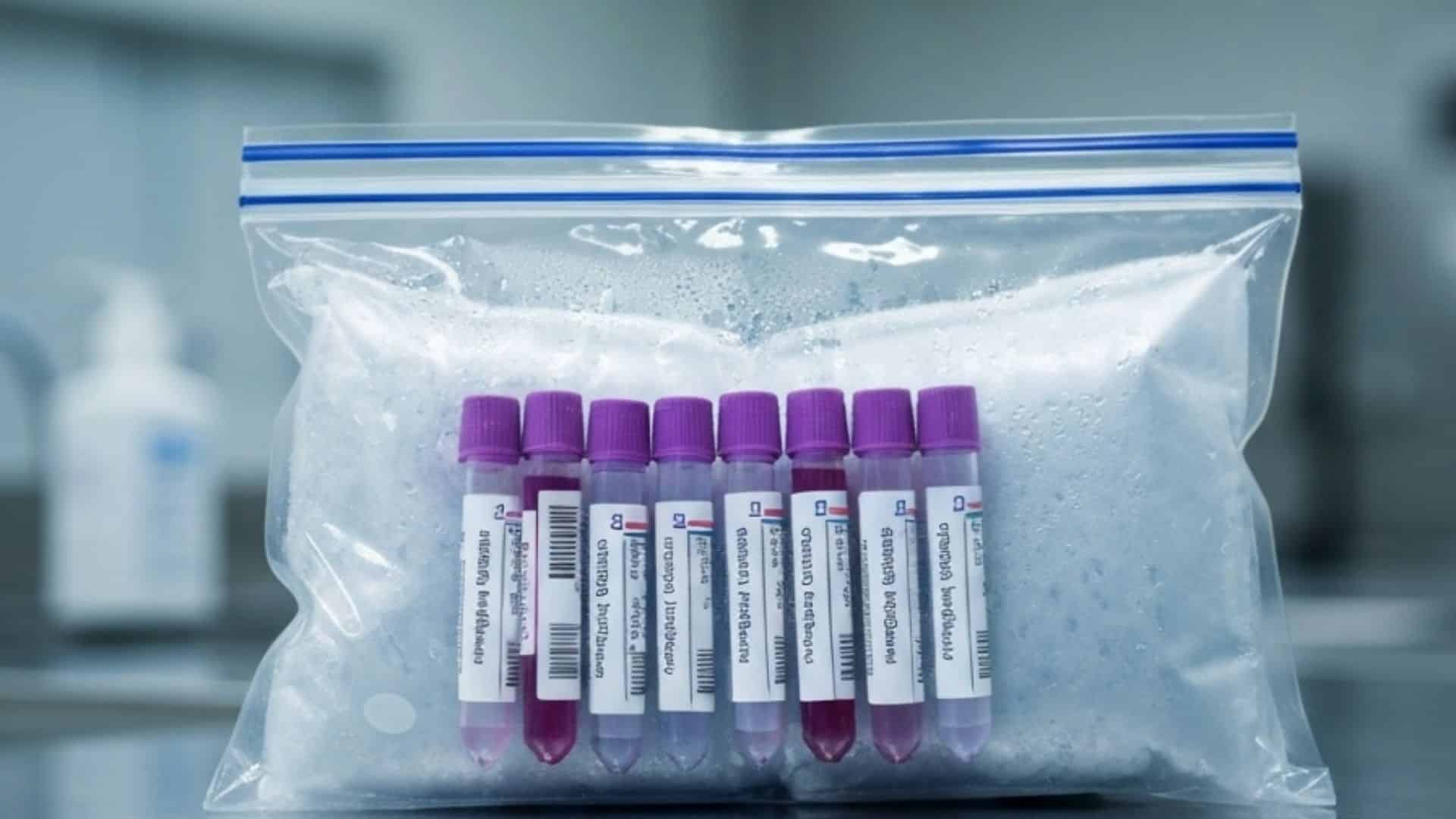
How AI Is Changing Healthcare Logistics in 2025
Artificial intelligence is becoming a foundational technology in healthcare logistics. In 2025, AI applications extend well beyond administrative support—they are actively driving operational decision-making across routing, dispatch, and predictive demand planning. For medical couriers and healthcare providers, AI is no longer an innovation layer but an operational requirement. From route optimization to dynamic resource allocation, […]

The Cost of Delivery Errors in Healthcare—and How to Prevent Them
In healthcare logistics, delivery accuracy is a non-negotiable requirement. A single error—whether it’s a misrouted specimen, delayed pharmaceutical, or misplaced medical device—can result in diagnostic delays, compromised patient safety, and regulatory non-compliance. These failures are not theoretical risks; they represent quantifiable costs and clinical consequences. As healthcare systems adopt more complex logistics workflows across distributed […]
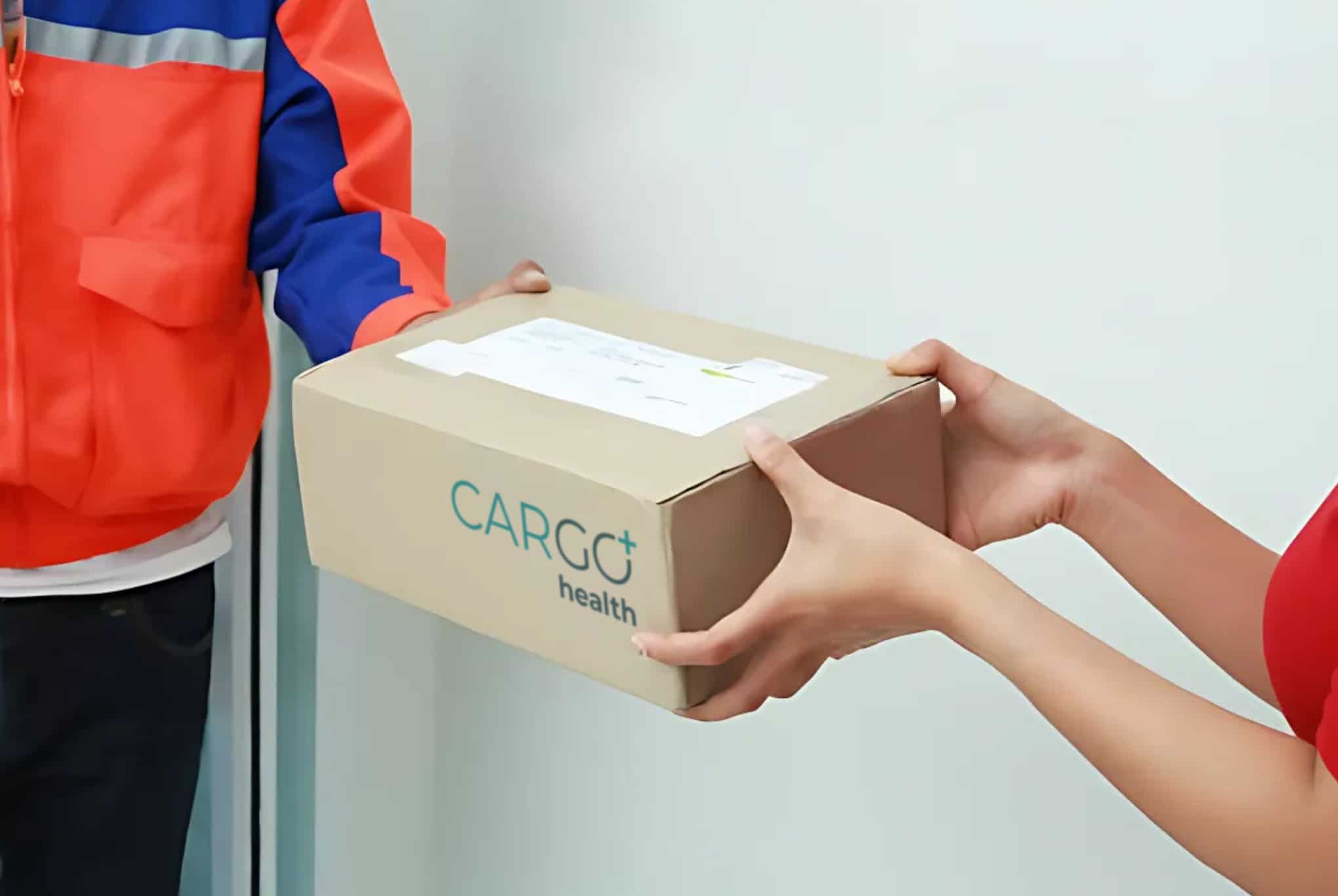
STAT Deliveries in Healthcare: When Every Second Counts
In healthcare, urgency is not an abstraction—it is a clinical constant. A STAT delivery, by definition, requires immediate action. Whether it’s transporting a time-sensitive specimen, an organ for transplant, or an emergency infusion medication, the margin for error narrows to minutes or seconds. This level of precision demands more than same-day service—it requires specialized logistics […]
