Why Medical Courier Services Are Critical to Modern Healthcare Delivery

In today’s healthcare environment, where timing, precision, and compliance intersect, the role of medical courier services has become indispensable. The transportation of diagnostic specimens, pharmaceuticals, medical equipment, and life-critical supplies demands more than conventional logistics—it requires clinical-grade chain of custody, temperature integrity, and HIPAA-compliant protocols.
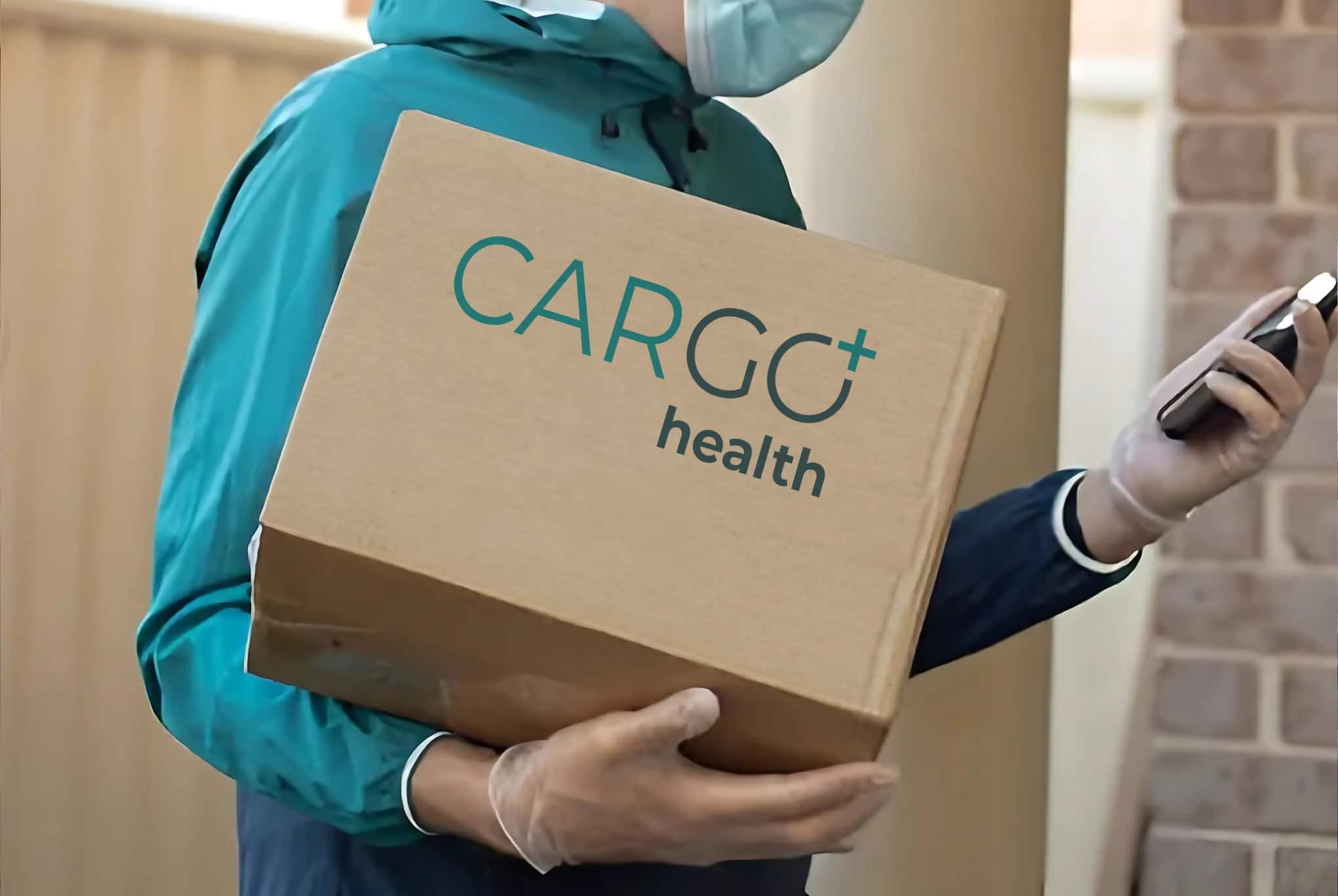
Time-Sensitive Clinical Workflows Depend on Precision Logistics
Healthcare workflows are increasingly time-bound. Laboratories depend on prompt specimen pickup and delivery to maintain sample viability and meet diagnostic turnaround expectations. Pharmacies rely on fast and secure delivery to ensure patients receive their medications without delay. The logistics chain must accommodate these demands while preserving integrity across every leg of the route.
Unlike general couriers, medical courier services employ time-specific routing methods—such as STAT, on-demand, and recurring delivery tiers—tailored to healthcare providers’ operational rhythms. This responsiveness is essential for emergency departments, infusion centers, and critical care settings where the delay of even minutes can compromise patient outcomes.
Chain of Custody and Regulatory Compliance Are Non-Negotiable
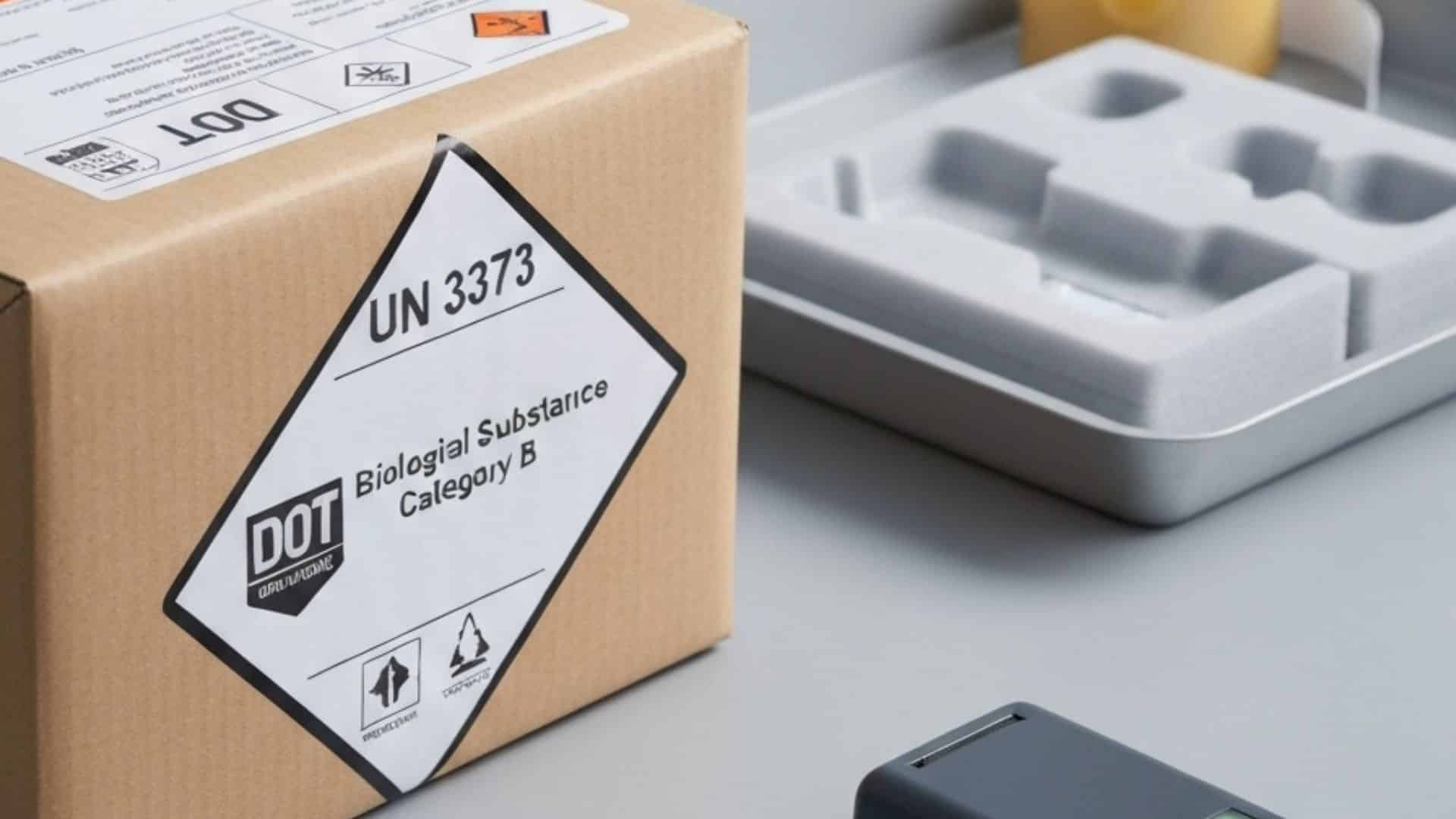
The transportation of biological materials and prescription drugs is subject to strict regulatory oversight. Whether handling Class B infectious substances, temperature-sensitive vaccines, or controlled pharmaceuticals, couriers must adhere to U.S. Department of Transportation (DOT), OSHA, and HIPAA mandates.
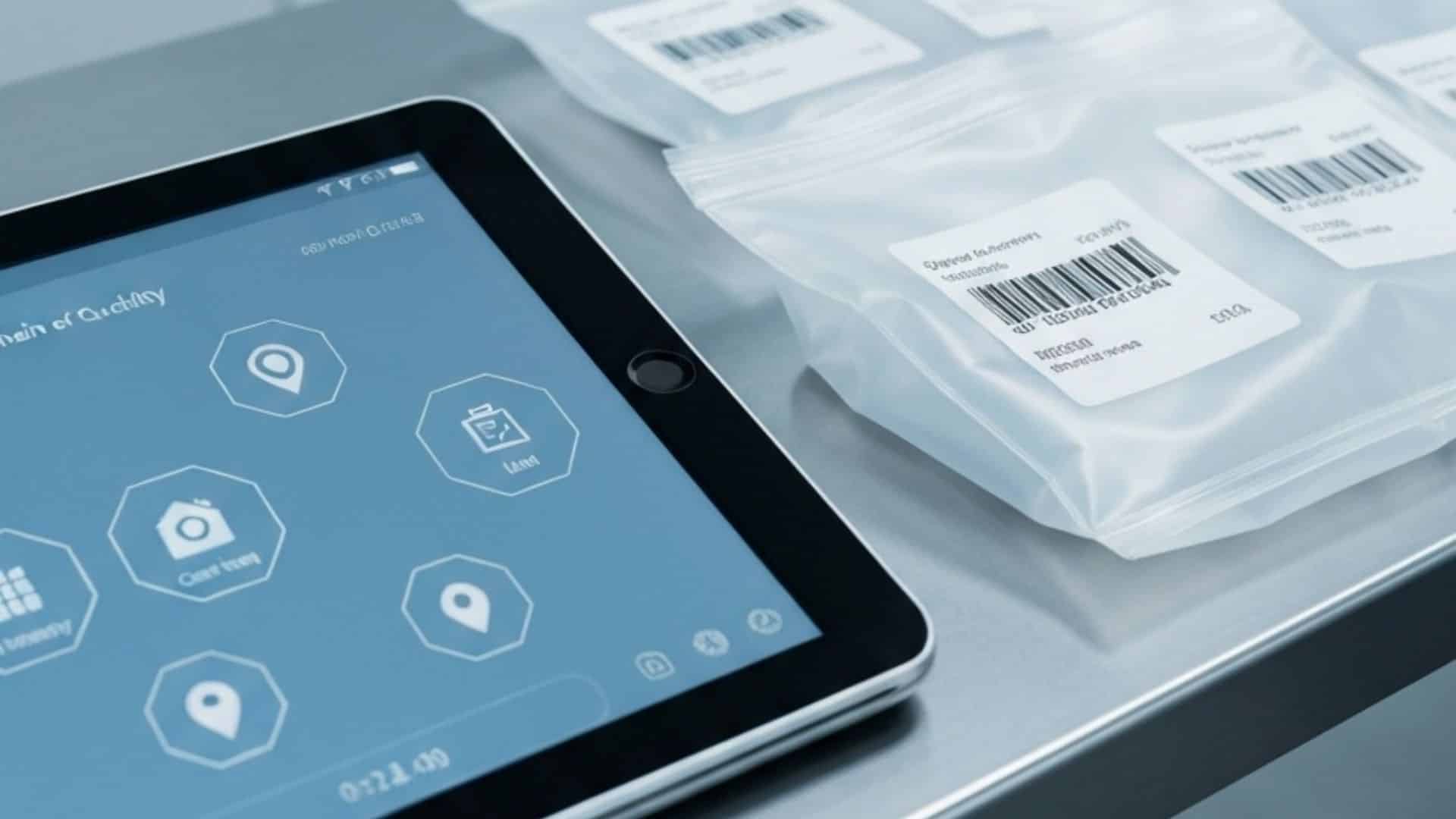
Medical couriers are trained in maintaining full chain-of-custody documentation—from origin to destination—with timestamped logs, digital signatures, and verifiable handoffs. This audit trail is a requirement for regulatory bodies and a safeguard against specimen misidentification or data breach.
Temperature Integrity Safeguards Sample and Medication Efficacy
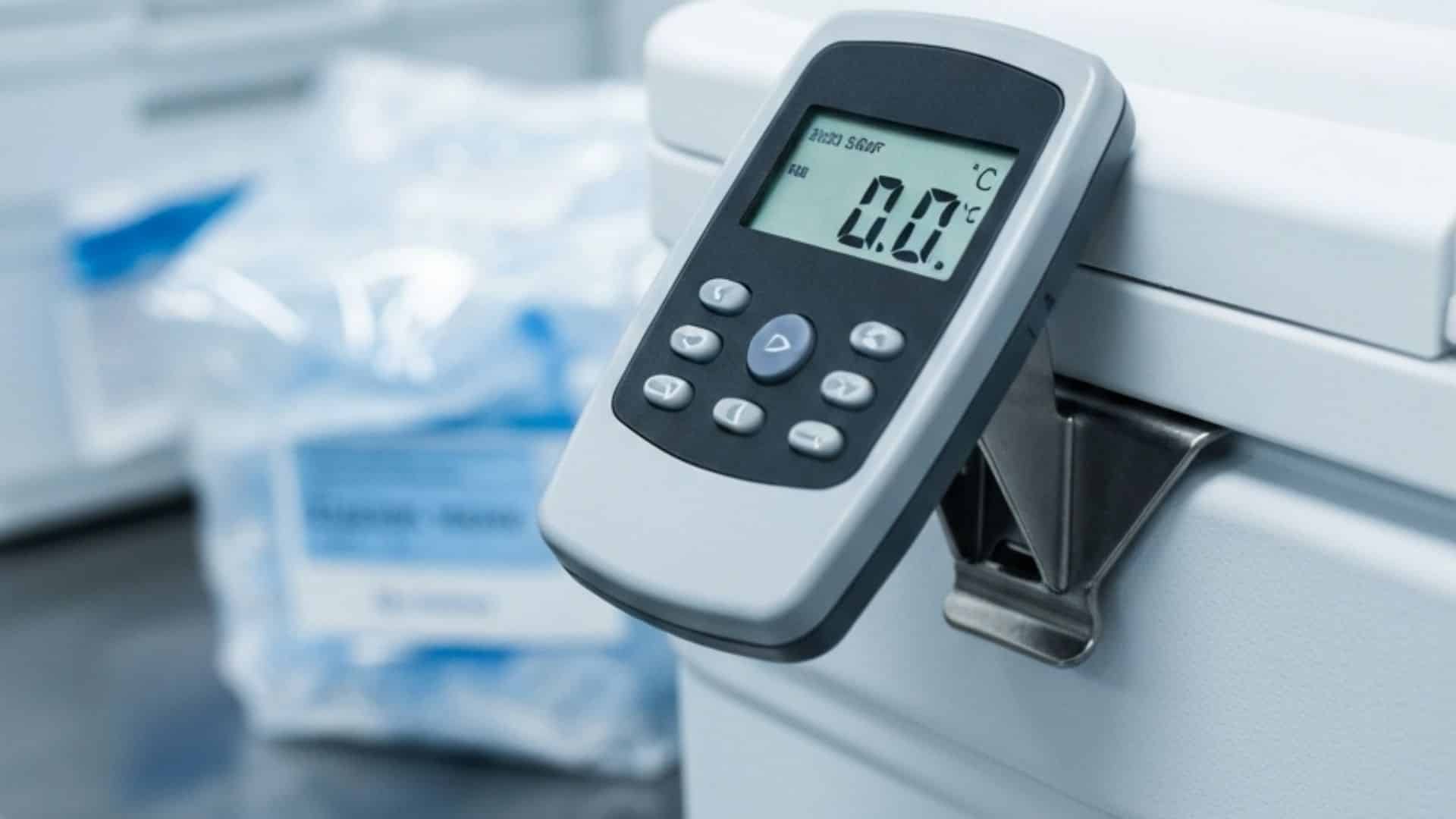
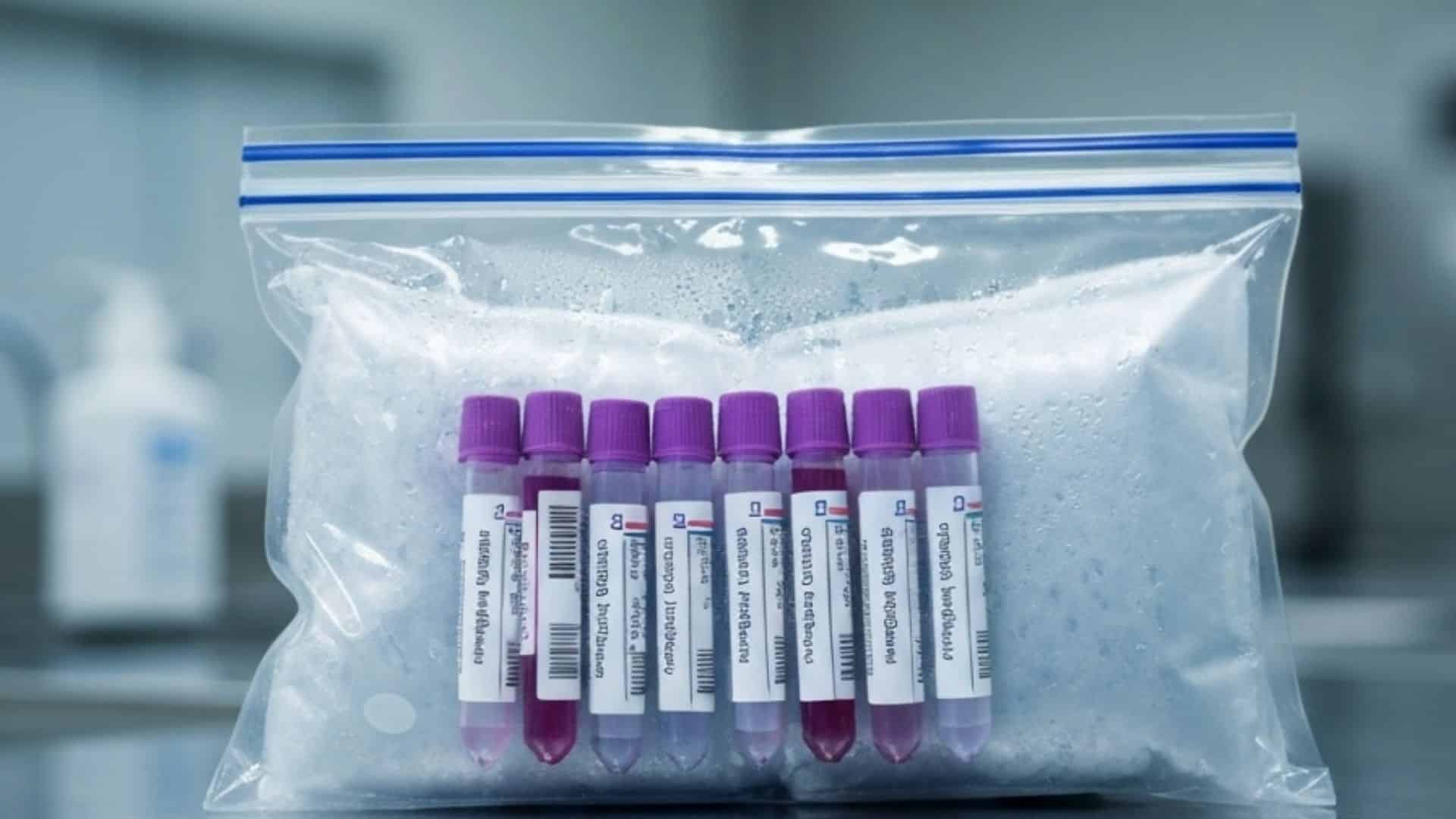
Temperature excursions can render blood specimens invalid or reduce the efficacy of biologics and insulin. Medical couriers utilize insulated transport kits, gel packs, and thermal monitoring to ensure adherence to validated cold chain protocols. Many platforms now include real-time temperature tracking that alerts stakeholders to potential deviations before they compromise clinical utility.
Integrated Technology Supports Transparency and Risk Mitigation
Modern courier platforms leverage route optimization algorithms, real-time GPS tracking, and API integrations with EHR and LIS systems. This digital backbone supports proactive exception handling, predictive ETA calculations, and seamless communication across departments.
This transparency not only supports better patient communication (e.g., “Your prescription will arrive in 22 minutes”) but also allows administrators to benchmark logistics KPIs such as average delivery time, missed pickups, and SLA compliance.
Supporting Decentralized and Home-Based Care Models
As care delivery shifts from hospitals to outpatient settings and the patient’s home, logistics must adapt. Medical couriers facilitate this transition by enabling secure, on-time delivery of medications, point-of-care diagnostics, and infusion kits directly to the home, while maintaining clinical integrity.
This logistics support underpins emerging care models such as hospital-at-home, remote chronic care management, and mobile phlebotomy services. These models rely on tight coordination and just-in-time delivery frameworks—both of which are enabled by specialized medical courier networks.
Key Insight
Medical courier services have evolved beyond transportation. They now operate as critical nodes within the healthcare delivery chain, maintaining clinical compliance, ensuring time-sensitive performance, and supporting decentralized care ecosystems. For healthcare organizations focused on operational reliability and patient safety, specialized medical logistics is not a luxury—it is a systemic requirement.
Related Resources
- Medical Specimen Transport
- Chain Of Custody
- Pathology Specimen
- Temperature-Controlled Transport
- Cold Chain
- Refrigerated
Need a reliable medical courier? Request a demo to see how carGO Health can streamline your medical deliveries across the Northeast.