Same-Day Medical Delivery: Why Speed Matters in Healthcare Operations
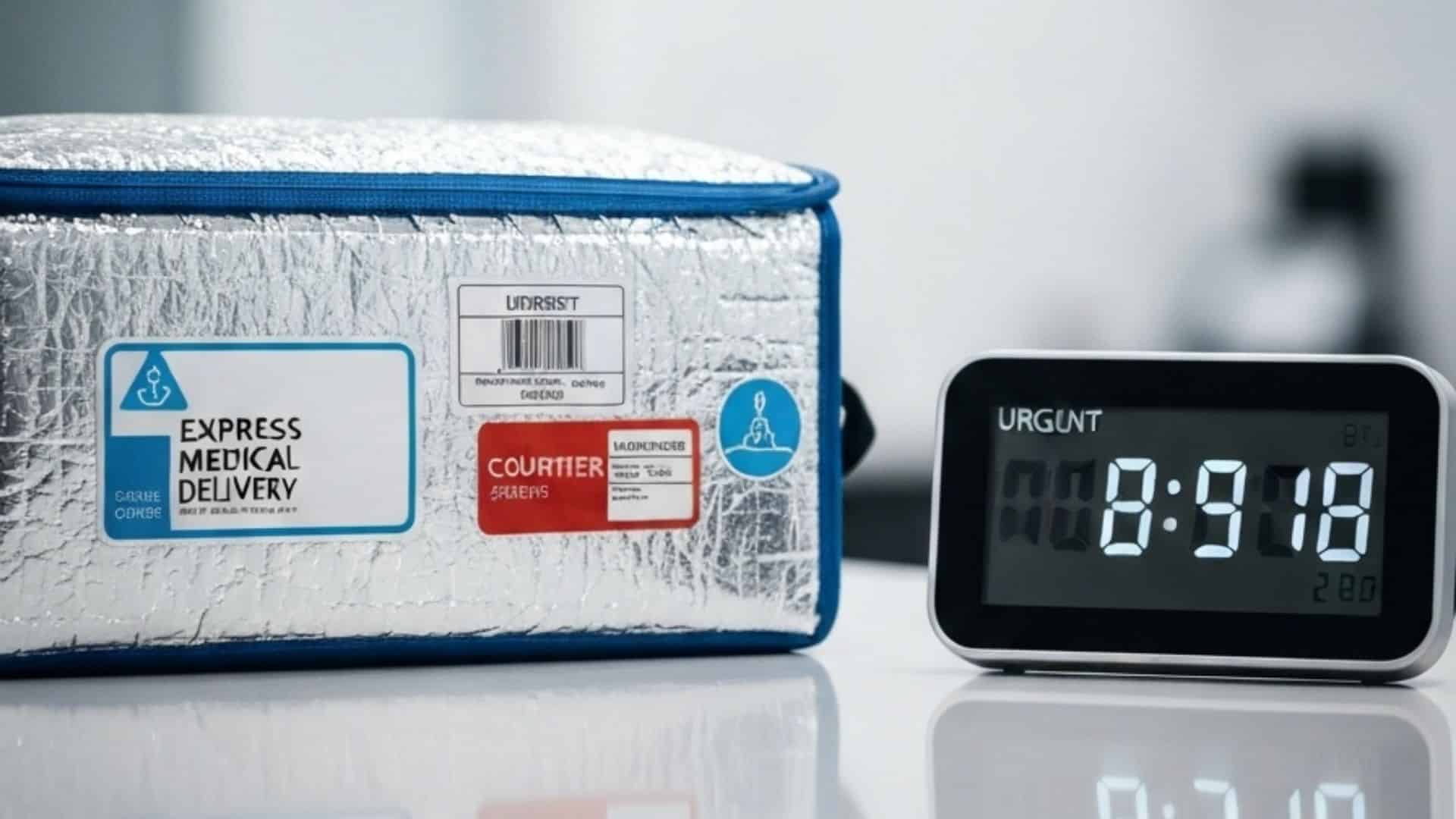
In healthcare, timing is rarely a matter of convenience. A delayed lab specimen can push back a diagnosis by hours. A late medication delivery can keep a patient in the hospital overnight. A missing surgical instrument can force a procedure to be rescheduled entirely. Same-day medical delivery has become a foundational requirement for healthcare organizations that need their logistics to keep pace with clinical urgency. From hospitals and pharmacies to diagnostic laboratories and blood banks, the ability to move critical medical materials within hours is directly tied to patient outcomes, operational efficiency, and regulatory compliance.
Yet not all same-day delivery services are built for the demands of healthcare. Moving medical specimens, pharmaceuticals, blood products, and surgical supplies requires specialized handling, chain of custody protocols, temperature controls, and compliance with medical courier standards that general logistics providers simply cannot meet. Understanding what separates a reliable same-day medical delivery partner from a standard courier is essential for any healthcare organization looking to improve its logistics infrastructure.
1. Why Same-Day Delivery Is Critical in Healthcare Settings
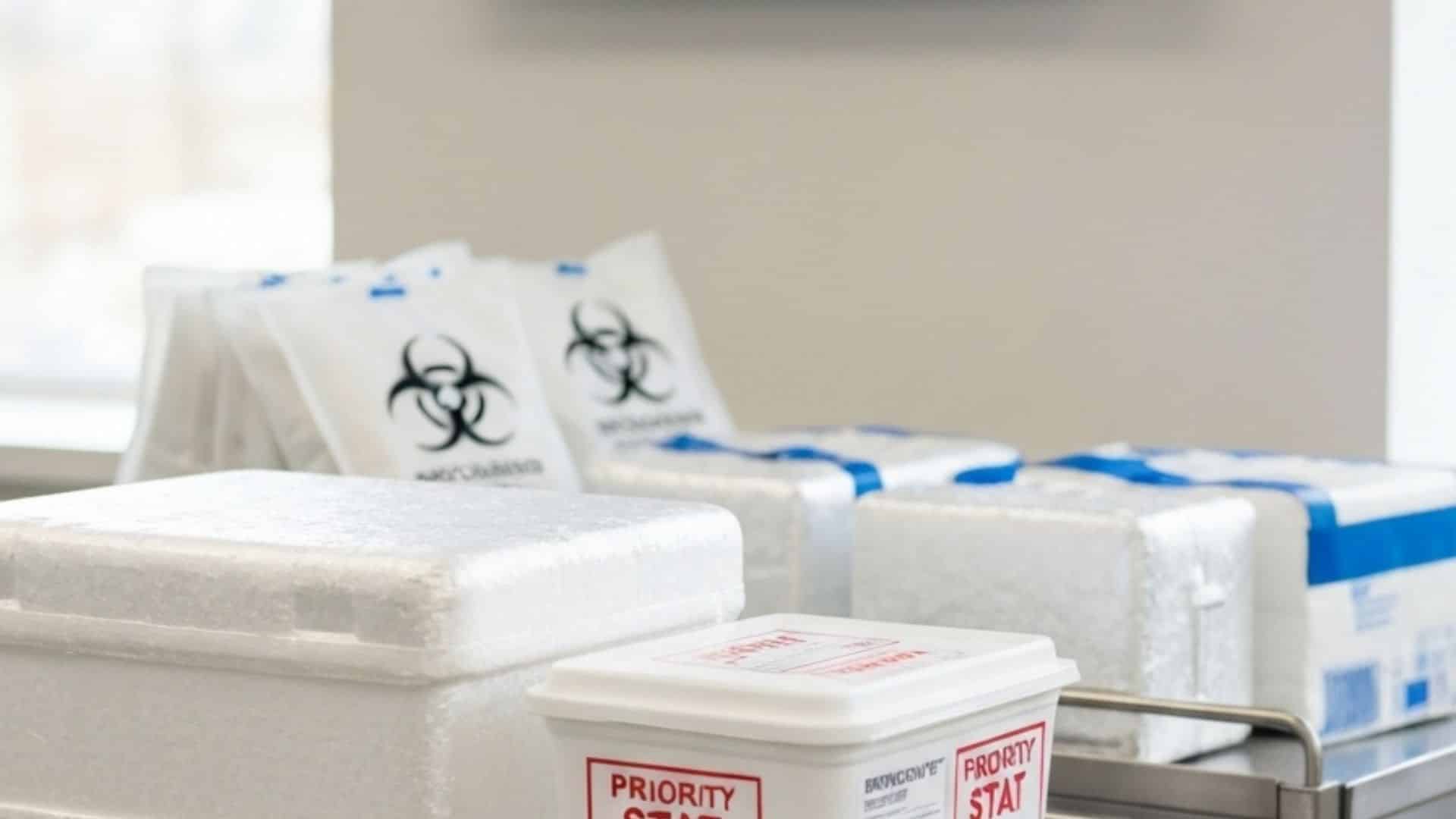
Healthcare operates on timelines that do not bend. When a physician orders a STAT lab test, the specimen must reach the reference laboratory quickly enough for results to inform treatment decisions during the same clinical encounter. When a patient is discharged from the hospital with new prescriptions, those medications need to arrive at their home before the next dose is due. These are not edge cases. They represent the daily operational reality of modern healthcare delivery.
The clinical impact of delayed deliveries: Research published by the National Institutes of Health has consistently shown that timely access to medications is one of the strongest predictors of patient adherence and clinical outcomes. When patients leave a hospital or clinic without their medications in hand, the likelihood of missed doses and preventable readmissions increases significantly. The CMS Hospital Readmissions Reduction Program penalizes hospitals with excessive 30-day readmission rates, creating a direct financial incentive for organizations to ensure that discharge medication delivery happens on the same day.
Beyond medications, same-day medical delivery supports critical workflows across every clinical department. Pathology departments depend on timely specimen arrivals to maintain diagnostic accuracy. Surgical teams need instruments and implants delivered on schedule to avoid costly procedure delays. Blood banks require rapid distribution of products with short viability windows. In each of these scenarios, a delay measured in hours can cascade into complications that affect patient safety and organizational performance.
- STAT specimen transport ensures diagnostic results are available within clinically relevant timeframes
- Discharge medication delivery reduces readmission risk and improves patient satisfaction scores
- Surgical instrument and implant delivery prevents costly procedure cancellations and delays
- Blood product distribution meets strict viability windows that cannot be extended
- Pharmacy refill delivery supports medication adherence for patients with chronic conditions
2. The Operational Infrastructure Behind Reliable Same-Day Medical Delivery
Offering same-day delivery is one thing. Executing it reliably across thousands of orders per month in a heavily regulated industry is another. The operational backbone of a dependable same-day medical delivery service involves far more than fast drivers. It requires a network architecture, staffing model, and compliance framework designed specifically for healthcare logistics.
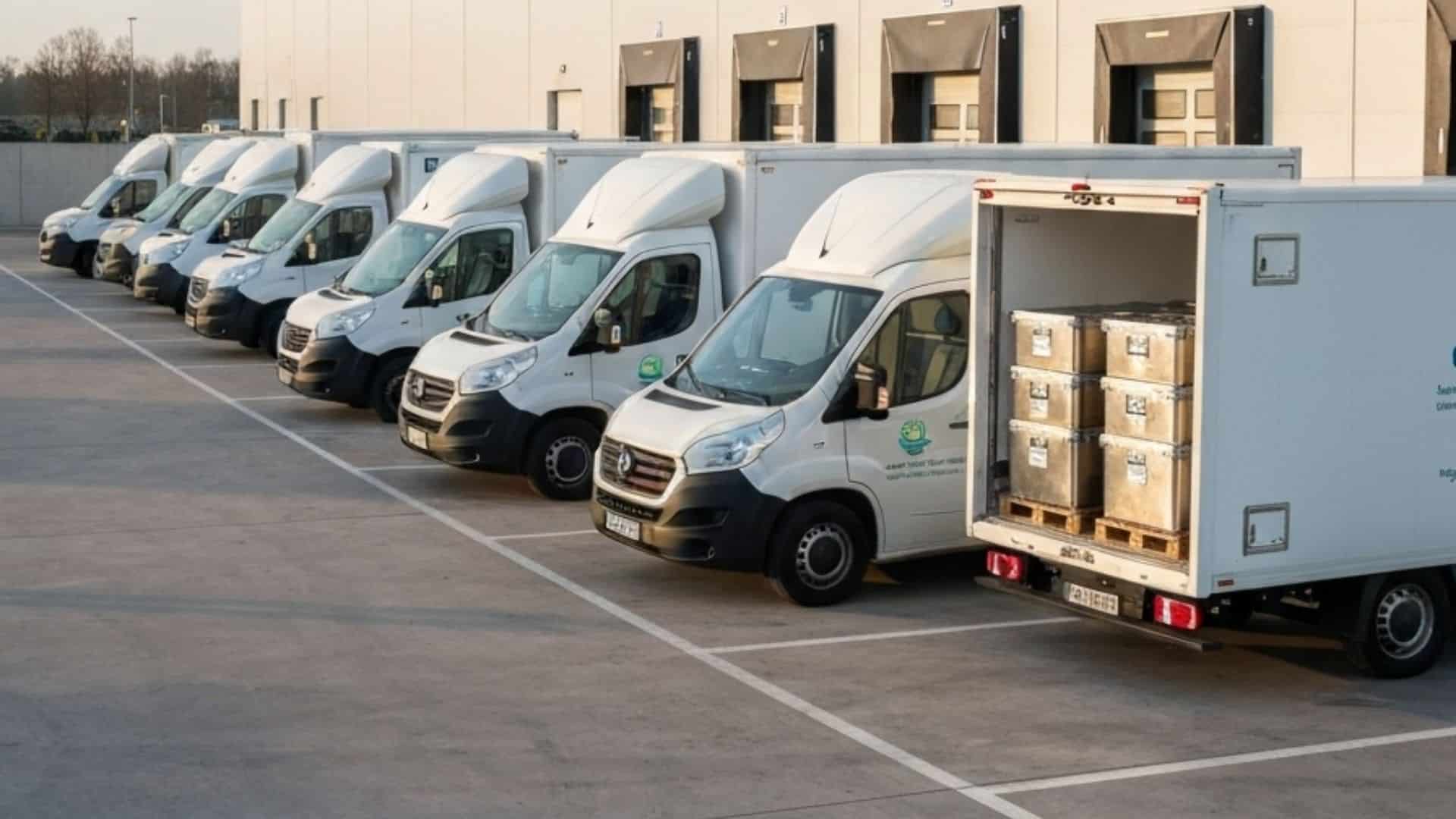
Network design and driver availability: Healthcare does not operate on a 9-to-5 schedule, and neither can the courier service supporting it. A 24/7 medical courier operation must maintain driver coverage across all service areas at all hours, including weekends and holidays. This is where the concept of a floating driver network becomes essential. Rather than assigning fixed routes, a floating network positions drivers strategically across the service area so that the nearest available courier can respond to any on-demand request. carGO Health operates this model across NY, NJ, CT, MA, VT, NH, Eastern PA, DE, MD, and VA, maintaining a 98.9% on-time performance rate across more than 200,000 completed orders.
Compliance infrastructure is equally important. Every courier handling medical materials must be trained in HIPAA regulations, OSHA safety protocols, and proper handling procedures for biological specimens, pharmaceuticals, and controlled substances. Vehicles must be equipped with appropriate temperature-controlled packaging, and chain of custody documentation must be maintained from pickup through final delivery. These requirements are not optional. Organizations like the Joint Commission set patient safety standards that extend to the transportation of clinical materials, making compliance a prerequisite rather than a differentiator.
- Floating driver networks ensure coverage across wide geographic areas without fixed route limitations
- 24/7/365 operations match the around-the-clock demands of hospitals, labs, and pharmacies
- HIPAA and OSHA training for all couriers protects patient data and ensures safe handling
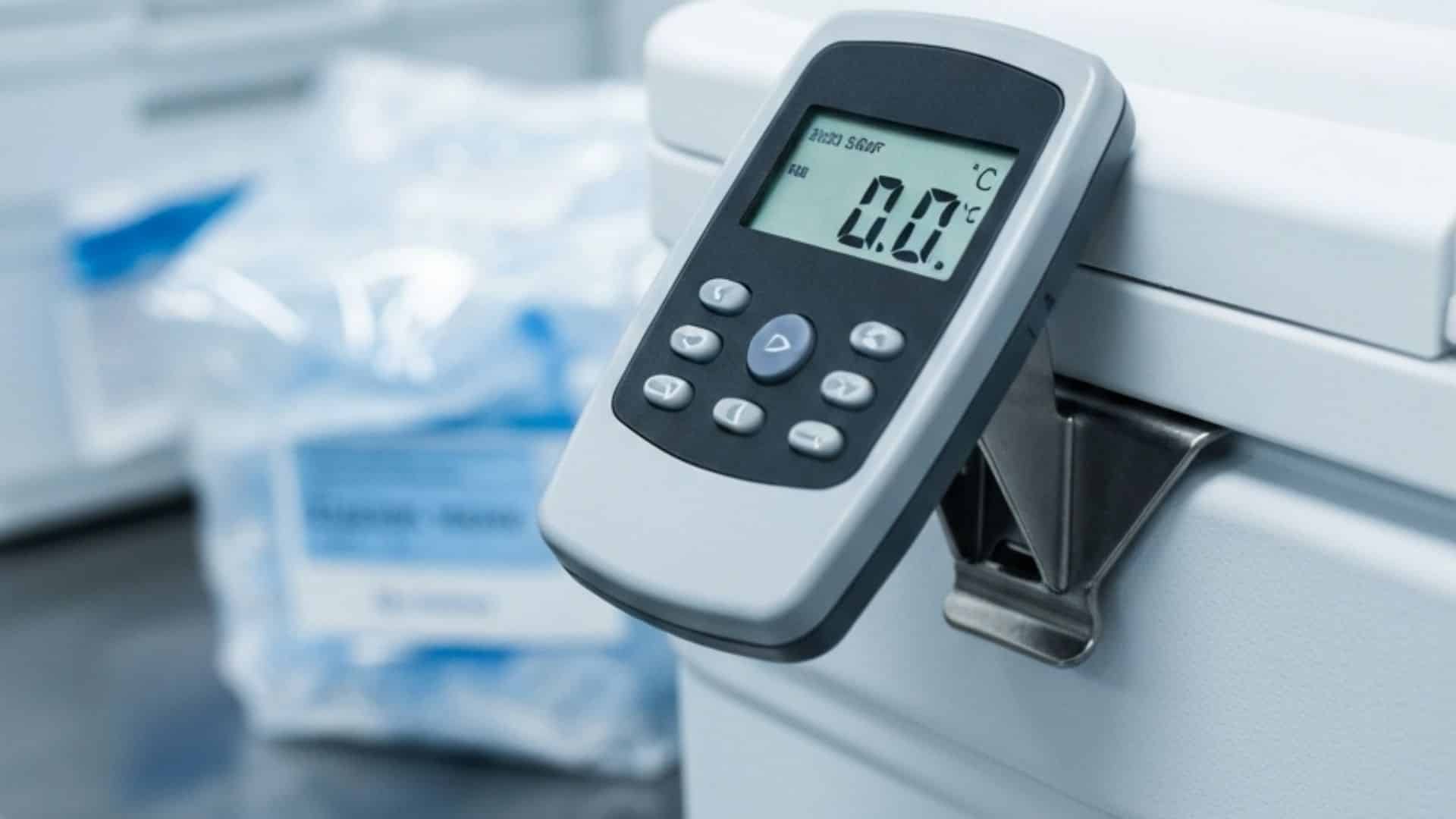
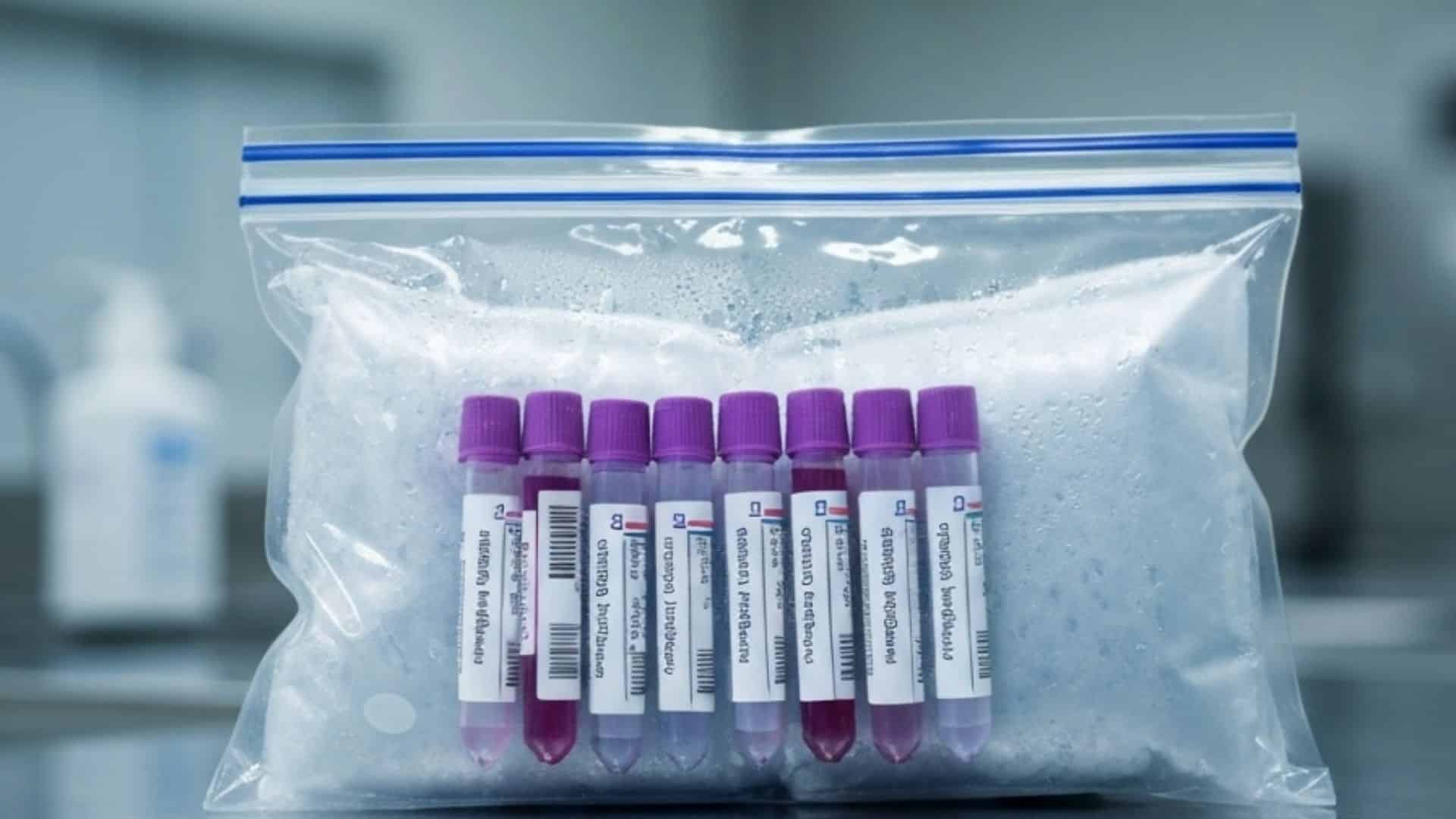
- Temperature-controlled packaging maintains specimen and pharmaceutical integrity during transit
- Chain of custody documentation provides an auditable record for every delivery
- Scalable capacity allows the network to handle volume spikes without service degradation
3. How Technology Enables Faster, Smarter Medical Deliveries
The speed and reliability of same-day medical delivery depend heavily on the technology powering the dispatch and routing systems behind the scenes. Manual dispatch processes, phone-based coordination, and static routing simply cannot keep up with the volume and urgency of modern healthcare logistics. The most effective same-day medical delivery providers leverage artificial intelligence and real-time data to optimize every step of the process.
AI-powered dispatch and routing: AI-optimized courier routing analyzes multiple variables simultaneously, including current traffic conditions, driver locations, delivery priority levels, and pickup/dropoff constraints. This allows the system to assign the right driver to each order in seconds rather than minutes, reducing response times and improving route efficiency. For STAT deliveries where every second counts, this technology advantage translates directly into faster specimen processing and earlier clinical decisions.
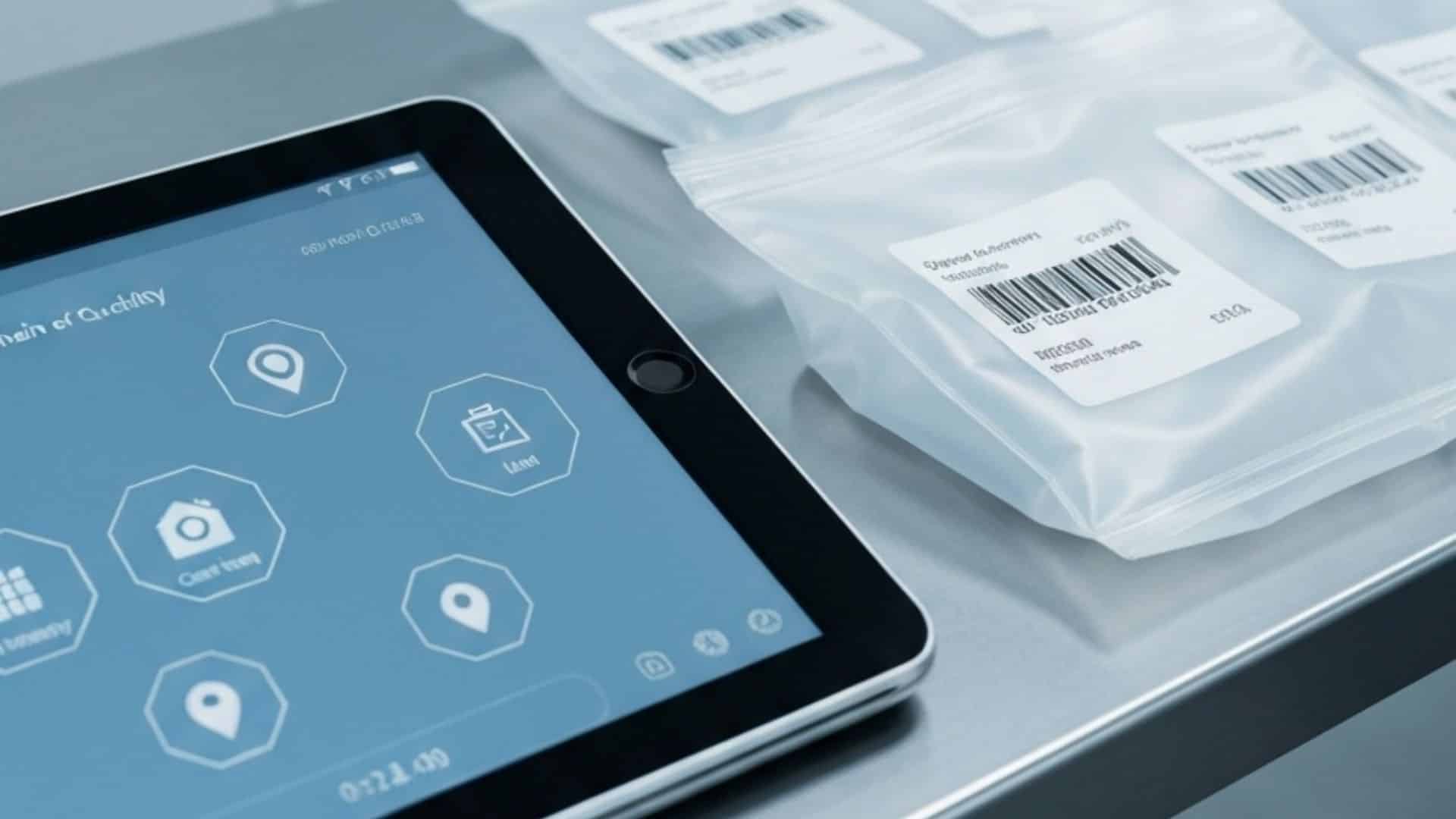
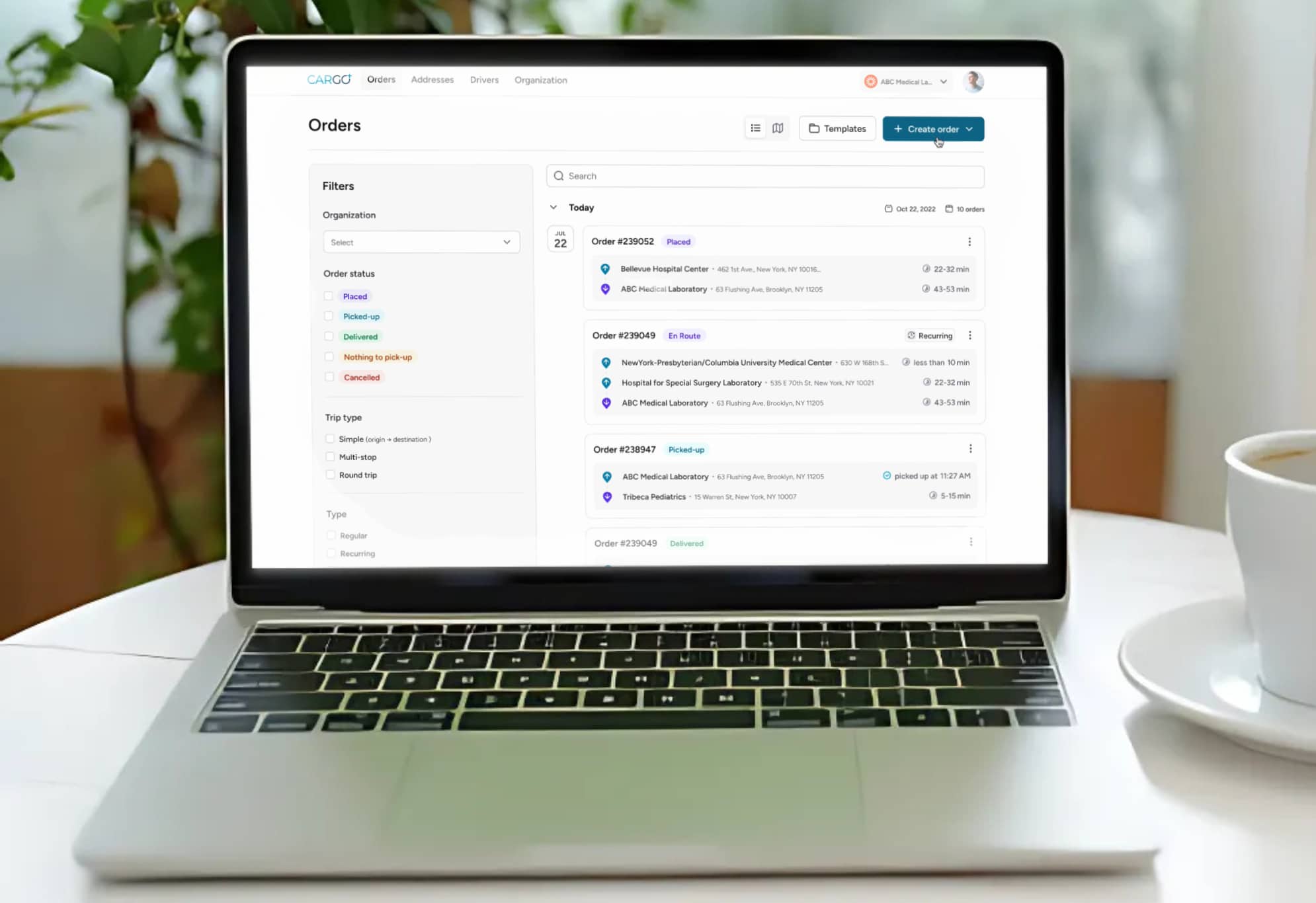
Real-time tracking provides visibility that is just as important as speed. When a laboratory manager can see exactly where a specimen shipment is and when it will arrive, they can coordinate staffing and equipment preparation accordingly. When a hospital pharmacy knows precisely when a controlled substance delivery will reach the loading dock, they can have the right personnel ready for receipt and documentation. This level of transparency reduces wasted time, eliminates uncertainty, and builds the trust that long-term logistics partnerships require.
- AI dispatch assigns the nearest qualified driver to each order within seconds of request submission
- Dynamic routing adjusts in real time to traffic, weather, and road conditions
- Real-time GPS tracking gives sending and receiving facilities full visibility into delivery status
- Automated notifications alert stakeholders at key milestones including pickup, in transit, and delivery
- Data analytics identify patterns that allow providers to optimize pickup schedules and reduce costs
4. Types of Same-Day Medical Deliveries and Their Unique Requirements
Not all same-day medical deliveries carry the same level of urgency or complexity. Understanding the different categories of healthcare deliveries helps organizations design logistics workflows that match the right service level to each situation. A routine pharmacy refill delivery has different handling and timing requirements than a STAT blood culture transport, and an effective same-day medical delivery partner must be equipped to manage all of them.
Specimen and diagnostic transport: Medical specimen transport is one of the most time-sensitive categories of same-day delivery. Many laboratory tests have strict stability windows, meaning the specimen must reach the testing facility within a defined period to produce accurate results. The FDA has issued guidance on the importance of proper specimen handling during transport, and pre-analytical errors caused by transport delays remain a significant source of diagnostic inaccuracy. Same-day courier services that specialize in specimen transport understand these constraints and build their workflows around them.
Pharmaceutical delivery represents another major category with its own set of requirements. Temperature-sensitive medications, controlled substances, and specialty drugs each demand specific handling protocols. Pharmacy courier services must maintain proper cold chain conditions, secure chain of custody for DEA-regulated substances, and provide signature confirmation at delivery. The American Society of Health-System Pharmacists has published guidelines emphasizing the importance of reliable distribution systems in preventing medication errors and ensuring patient access to prescribed therapies.
- STAT specimens require transport within strict stability windows to ensure diagnostic accuracy
- Pharmaceutical deliveries demand temperature control, secure handling, and regulatory compliance
- Blood product distribution operates under tight viability timelines that vary by component type
- Surgical instrument and implant delivery must align precisely with procedure schedules
- Discharge medication delivery to patient homes supports care transitions and reduces readmissions
- Last-mile medical delivery connects healthcare facilities directly to patients in their communities
5. How to Evaluate a Same-Day Medical Delivery Partner
Choosing the right same-day medical delivery partner is a decision that directly affects clinical operations, patient safety, and organizational risk. Healthcare organizations should approach this evaluation with the same rigor they apply to selecting any clinical vendor. The following criteria can help distinguish between providers that are genuinely built for healthcare logistics and those that are simply fast couriers with limited medical expertise.
Performance metrics and reliability: Any provider claiming to offer same-day medical delivery should be able to demonstrate consistent on-time performance with verifiable data. Ask for metrics on delivery success rates, average response times for on-demand requests, and historical performance during peak periods and adverse weather conditions. A provider like carGO Health, which serves hospitals and health systems across the Northeast, maintains a 98.9% on-time rate across more than 200,000 orders. That level of consistency is only possible with mature operational systems and disciplined execution.
Beyond performance data, evaluate the provider’s compliance credentials, technology capabilities, and geographic coverage. Do their couriers hold current HIPAA and OSHA certifications? Does their platform offer real-time tracking and automated chain of custody documentation? Can they scale to meet your volume requirements across all the locations you serve? The answers to these questions will reveal whether a provider is a true healthcare logistics partner or simply a delivery service trying to serve the medical market. The cost of choosing the wrong partner is significant. As outlined in our analysis of the cost of delivery errors in healthcare, a single failed delivery can result in wasted specimens, delayed diagnoses, extended hospital stays, and regulatory exposure.
- Verify on-time delivery rates with historical performance data, not just marketing claims
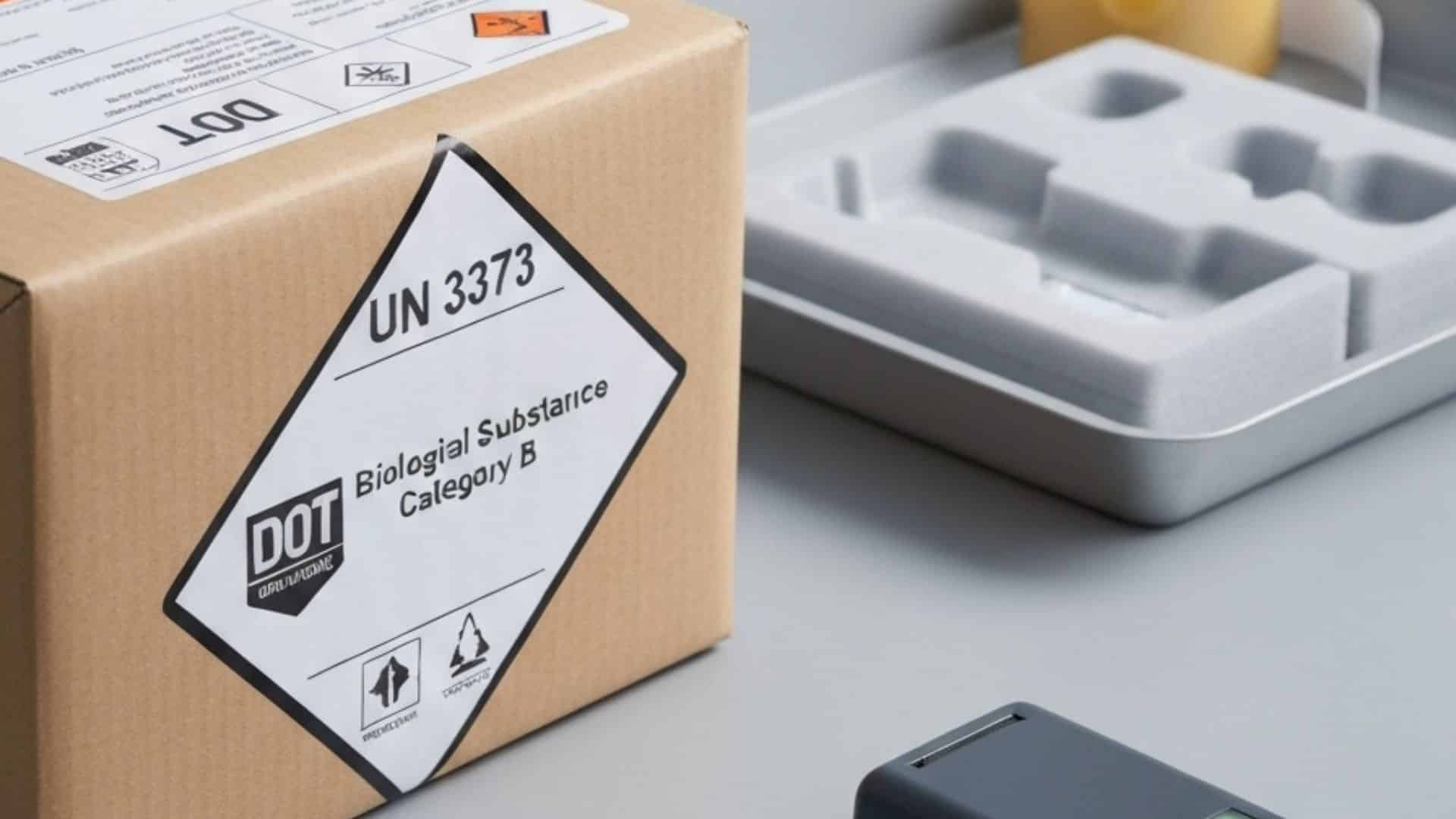
- Confirm HIPAA, OSHA, and DOT compliance certifications for all courier personnel
- Assess technology capabilities including AI dispatch, real-time tracking, and automated documentation
- Evaluate geographic coverage and driver density across your service area
- Review service level agreements for response times, temperature monitoring, and escalation procedures
Key Takeaways
Same-day medical delivery is not a luxury service. It is a core operational capability that directly supports patient care, clinical efficiency, and regulatory compliance. Healthcare organizations that invest in reliable, technology-driven logistics partnerships position themselves to reduce readmissions, accelerate diagnoses, prevent medication gaps, and improve overall care quality.
The infrastructure required to deliver on this promise consistently is substantial. It takes a floating driver network with 24/7 coverage, AI-powered dispatch that responds in seconds, trained and certified medical couriers, and a compliance framework built for the specific demands of healthcare. These are not capabilities that can be improvised or outsourced to a general delivery service.
If your organization is evaluating its same-day medical delivery capabilities or looking for a logistics partner that understands the urgency and complexity of healthcare operations, schedule a consultation with carGO Health. With a 98.9% on-time rate, 200,000+ completed orders, and coverage across the Northeast corridor, we are built to keep your clinical operations running without interruption.
Frequently Asked Questions About Same-Day Medical Delivery
What types of medical materials can be delivered same-day?
Same-day medical delivery covers a wide range of healthcare materials including laboratory specimens, pharmaceuticals, blood products, surgical instruments, medical devices, discharge medications, and controlled substances. Each category has specific handling, temperature, and documentation requirements that a qualified medical courier must be trained to manage.
How does same-day medical delivery differ from standard courier services?
Standard courier services are not equipped for the regulatory, handling, and urgency requirements of healthcare logistics. Same-day medical delivery providers employ couriers trained in HIPAA, OSHA, and proper specimen handling. They use temperature-controlled packaging, maintain chain of custody documentation, and operate dispatch systems designed for time-critical medical orders rather than general parcels.
What is the typical response time for a STAT same-day medical pickup?
Response times for STAT medical pickups depend on the provider’s network density and dispatch technology. Providers using AI-powered dispatch with a floating driver network can typically have a courier en route within minutes of receiving a request. carGO Health’s AI dispatch system identifies and assigns the nearest qualified driver automatically, significantly reducing the time between order placement and pickup.
How does real-time tracking improve same-day medical delivery?
Real-time tracking gives both sending and receiving facilities complete visibility into the location and estimated arrival time of their deliveries. This allows laboratories to prepare for incoming specimens, pharmacies to coordinate controlled substance receipts, and hospitals to plan patient care activities around expected delivery windows. Tracking data also creates an auditable record that supports compliance documentation.
What should healthcare organizations look for when choosing a same-day medical delivery provider?
Key evaluation criteria include verified on-time delivery rates, HIPAA and OSHA compliance certifications, technology capabilities such as AI dispatch and real-time tracking, geographic coverage depth, 24/7 availability, temperature control capabilities, and experience serving healthcare clients specifically. Request performance data and references from comparable healthcare organizations before making a decision.