Ensuring Safe Transport: HIPAA & OSHA Compliance in Medical Deliveries

In the fast-paced world of healthcare logistics, maintaining compliance with regulatory standards like HIPAA (Health Insurance Portability and Accountability Act) and OSHA (Occupational Safety and Health Administration) is crucial for ensuring secure and safe medical deliveries. The stakes are high, as lapses in compliance can compromise patient confidentiality, endanger worker safety, and lead to significant legal and financial consequences.
For healthcare professionals and logistics providers alike, staying compliant requires a detailed understanding of these regulations and how they intersect in the context of medical transport.

The Intersection of HIPAA and Medical Deliveries
HIPAA sets stringent standards for safeguarding Protected Health Information (PHI) during all stages of its handling, including transport. In the context of medical deliveries, compliance involves implementing protocols that secure both digital and physical forms of PHI.
When transporting sensitive items such as medical records, lab specimens, or prescription medications, delivery providers must ensure that:
- Access Control Measures: Only authorized personnel have access to PHI during transit.
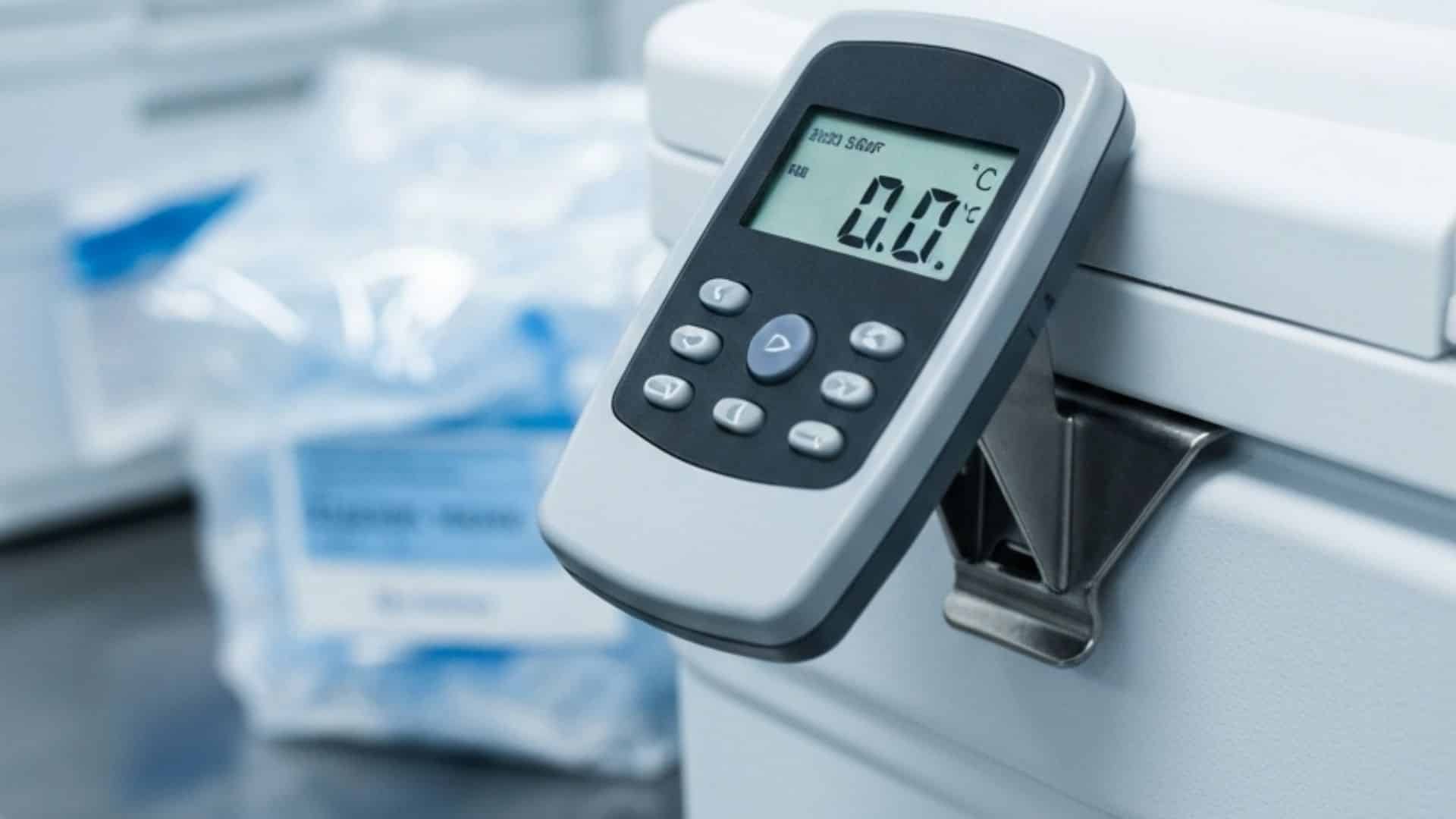
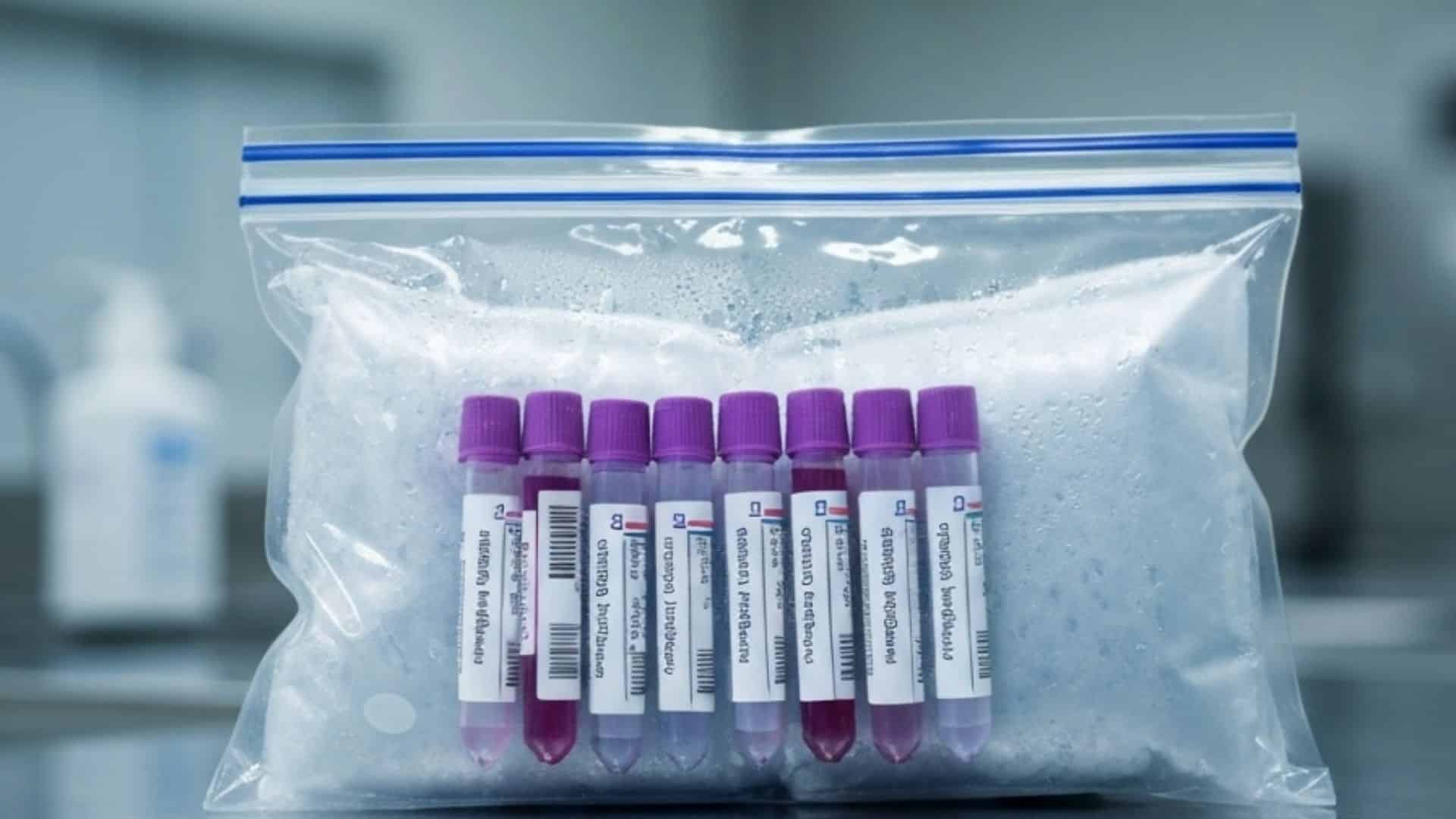
- Secure Packaging: Specimens and documentation must be transported in tamper-proof, labeled containers to minimize risks of exposure or loss.
- Data Protection Practices: Digital communications related to medical deliveries must be encrypted to safeguard information.
The challenge lies in balancing operational efficiency with the robust safeguards required by HIPAA. Failing to do so can result in severe penalties, including hefty fines and reputational damage.
OSHA Standards for Worker Safety in Medical Logistics
While HIPAA focuses on protecting patient information, OSHA’s regulations prioritize worker safety. Medical deliveries expose employees to various occupational hazards, including handling infectious substances, ergonomic risks, and transportation-related injuries.
Key OSHA regulations relevant to medical deliveries include:
- Bloodborne Pathogens Standard (29 CFR 1910.1030): Ensures safe handling of potentially infectious materials. Employees must receive appropriate training and access to personal protective equipment (PPE).
- Hazard Communication Standard (29 CFR 1910.1200): Requires labeling and proper documentation of hazardous materials during transport.
- Ergonomic Safety Measures: Reduces strain-related injuries by encouraging safe handling practices for heavy or awkwardly shaped medical cargo.
For logistics providers, compliance means maintaining robust training programs, clear safety protocols, and regular inspections to reduce risks to delivery personnel.
Implementing Compliance Best Practices
Maintaining HIPAA and OSHA compliance during medical deliveries demands proactive measures. Companies can benefit from integrating the following strategies:
- Comprehensive Training: Regular training ensures employees understand the latest compliance requirements and safe handling practices.
- Risk Assessment Protocols: Frequent assessments identify vulnerabilities in current processes and allow for corrective action.
- Use of Technology: Digital tracking systems help secure PHI while improving delivery accuracy and transparency.
- Incident Reporting and Response Plans: A well-defined response plan minimizes damage and ensures compliance in the event of a breach or safety incident.
Why Compliance is a Competitive Advantage
Organizations that prioritize HIPAA and OSHA compliance are better positioned to foster trust and confidence among clients. Demonstrating a commitment to safety and confidentiality not only mitigates risks but also strengthens long-term business relationships.
Compliance is not merely an obligation—it’s an essential component of delivering high-quality, reliable healthcare services. For medical logistics providers, integrating these regulatory requirements into daily operations is fundamental to success in this critical industry.
Related Resources
- Medical Specimen Transport
- Chain Of Custody
- Pathology Specimen
- Hipaa-Compliant Courier
- Osha-Compliant Courier
- Real-Time Tracking
Need a reliable medical courier? Request a demo to see how carGO Health can streamline your medical deliveries across the Northeast.