Best Medical Courier Apps for Healthcare Facilities in 2026
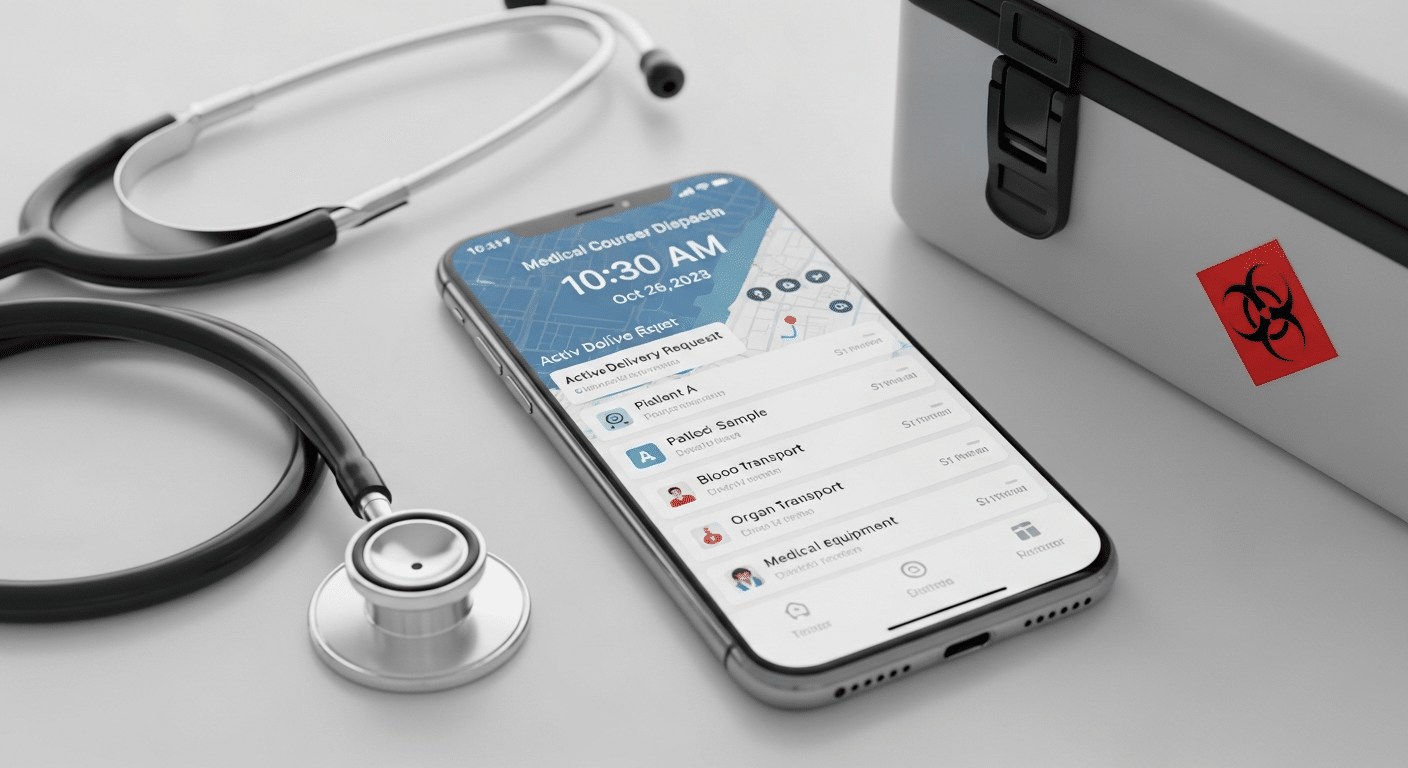
In 2026, medical courier apps have become the operational backbone of healthcare logistics. Hospitals, clinical laboratories, pharmacies, and health systems depend on digital platforms to dispatch couriers, track specimens in transit, maintain chain of custody documentation, and ensure regulatory compliance across thousands of daily deliveries. The shift from phone-based dispatch and manual logging to app-driven logistics is not a technology trend. It is a clinical operations requirement driven by the volume, speed, and accountability demands of modern healthcare delivery.
But not all medical courier apps are built for healthcare. Many platforms on the market today originated as general delivery or freight logistics tools that have been lightly rebranded for the medical space. They may offer GPS tracking and route optimization, but they lack the features that healthcare facilities actually need: HIPAA-compliant communication, temperature monitoring integration, chain of custody capture, specimen-specific handling protocols, and real-time exception alerting. For healthcare organizations evaluating best medical courier apps, the distinction between a delivery app and a clinical logistics platform is the difference between operational risk and operational confidence.
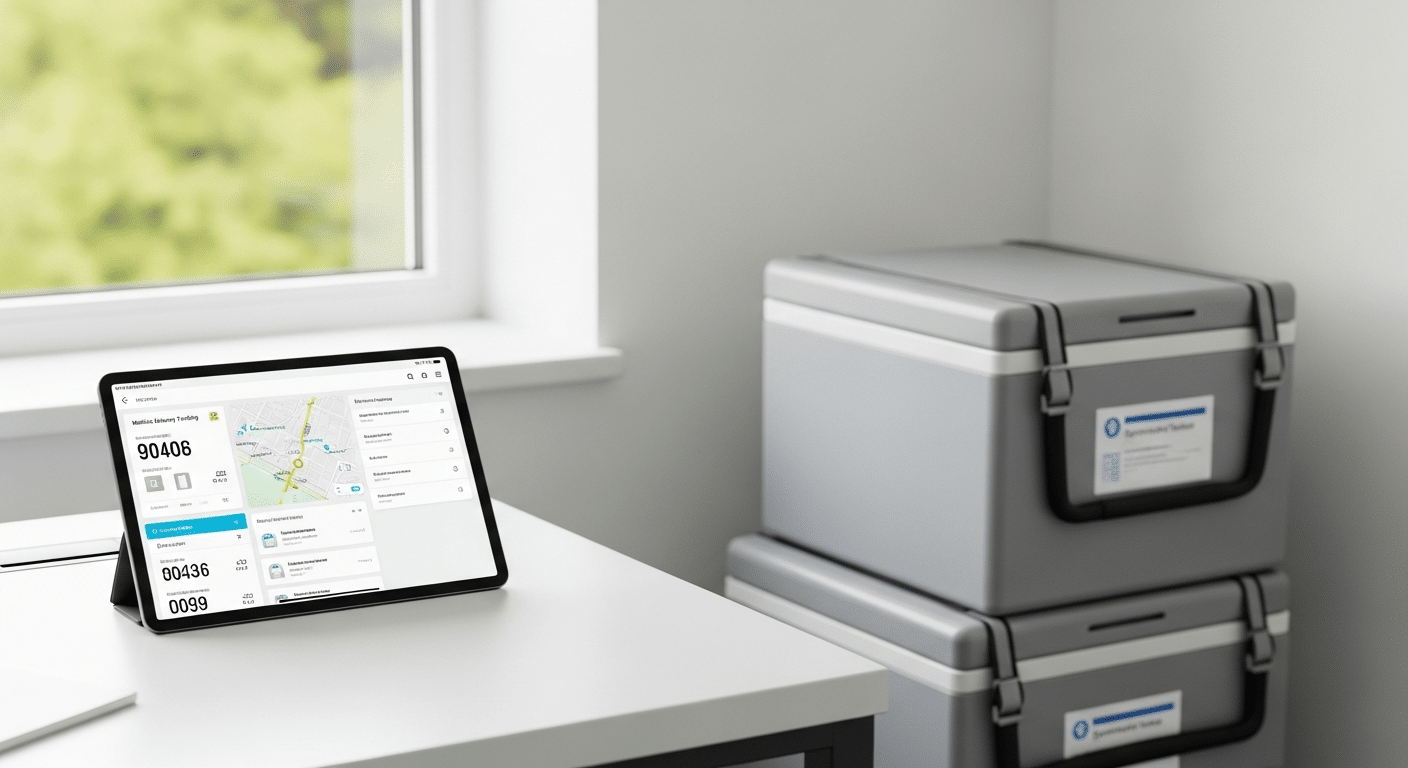
1. Why Healthcare Facilities Need Purpose-Built Medical Courier Apps
Healthcare logistics operates under constraints that no other industry shares. A specimen collected for a coagulation study has a stability window measured in hours, not days. A STAT delivery for a critical patient cannot wait in a delivery queue behind a stack of routine packages. A controlled substance transfer requires documented chain of custody that satisfies DEA regulations. A blood product transport must maintain temperature integrity from the moment it leaves the blood bank until it reaches the transfusion service. These are not edge cases. They are the daily reality of healthcare transport operations.
General delivery apps are designed for a fundamentally different use case. They optimize for package throughput and delivery density, not clinical outcome protection. They treat every pickup as equivalent and every delivery as interchangeable. In healthcare, that logic fails because a mislabeled specimen, a temperature excursion, or a delayed delivery can directly compromise patient care. According to the Centers for Disease Control and Prevention, pre-analytical errors, many of which originate during specimen collection and transport, account for up to 70 percent of all laboratory errors.
Purpose-built medical courier apps address these challenges by embedding clinical logic into the technology itself. They enforce specimen-specific handling protocols during pickup, capture chain of custody signatures at every handoff point, integrate temperature monitoring data into the delivery record, and route emergency medical courier deliveries based on urgency classification rather than simple geography. This is the fundamental difference between a delivery app and a healthcare logistics platform.
Why General Delivery Apps Fall Short in Healthcare:
- No specimen-type classification or stability-window enforcement during dispatch and routing
- No HIPAA-compliant messaging, data storage, or access controls for protected health information
- No chain of custody documentation with timestamped signatures at each transfer point
- No temperature monitoring integration or excursion alerting for cold chain shipments
- No priority routing based on clinical urgency levels such as STAT, timed, and routine classifications
2. Essential Features of the Best Medical Courier Apps
When healthcare facilities evaluate medical carrier apps and logistics platforms, the feature checklist should be driven by clinical requirements, not general delivery convenience. The following capabilities separate platforms built for healthcare from those adapted from other industries.
Real-Time Tracking and Visibility
The ability to see exactly where a courier is and when a delivery will arrive is not a nice-to-have feature in healthcare. It is an operational necessity. Laboratory staff need to know when specimens will arrive so they can prepare accessioning workflows. Pharmacy teams need delivery ETAs to coordinate medication dispensing. Surgical teams need confirmation that a tissue specimen has been delivered to pathology before closing a case. Real-time tracking that enhances medical delivery transparency transforms logistics from a black box into a visible, manageable component of clinical operations.
HIPAA-Compliant Data Handling
Every medical delivery involves protected health information. Specimen labels contain patient identifiers. Delivery manifests include ordering physician details. Chain of custody logs document who handled what and when. A HIPAA-compliant medical courier platform must encrypt data in transit and at rest, implement role-based access controls, maintain audit logs, and provide Business Associate Agreement coverage. The U.S. Department of Health and Human Services Security Rule requires these safeguards for any entity that creates, receives, maintains, or transmits electronic protected health information.
AI-Powered Dispatch and Route Optimization
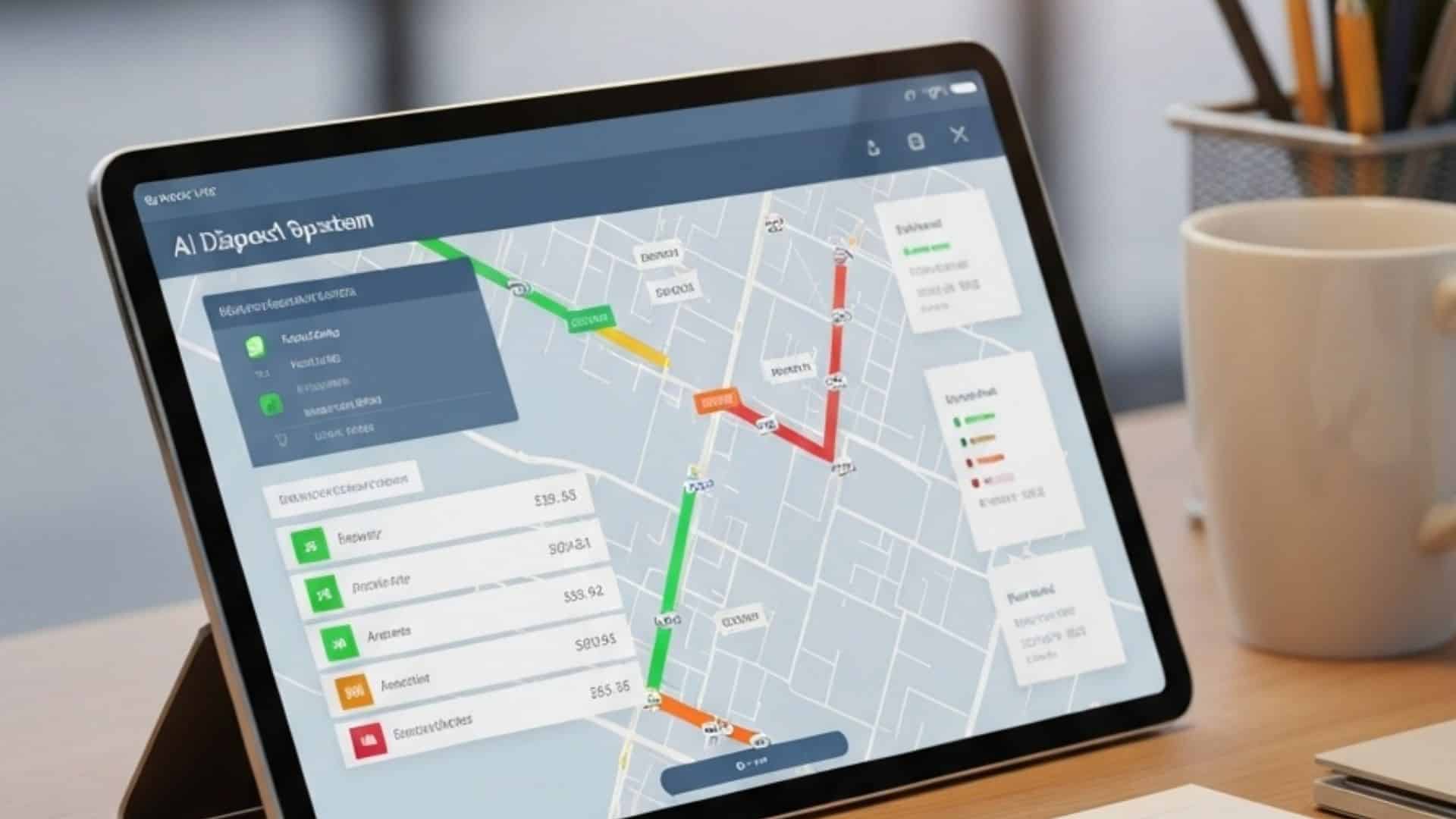
Traditional dispatch assigns deliveries based on proximity and availability. AI-powered dispatch technology goes further by factoring in specimen stability windows, temperature sensitivity, traffic patterns, courier certifications, vehicle equipment, and priority classification. When a STAT delivery for a critical blood culture comes in simultaneously with a routine specimen pickup, AI dispatch ensures the STAT delivery is assigned to the nearest qualified courier with the appropriate vehicle and equipment, while the routine pickup is routed to the next available driver without disrupting the critical delivery timeline.
Chain of Custody and Digital Documentation
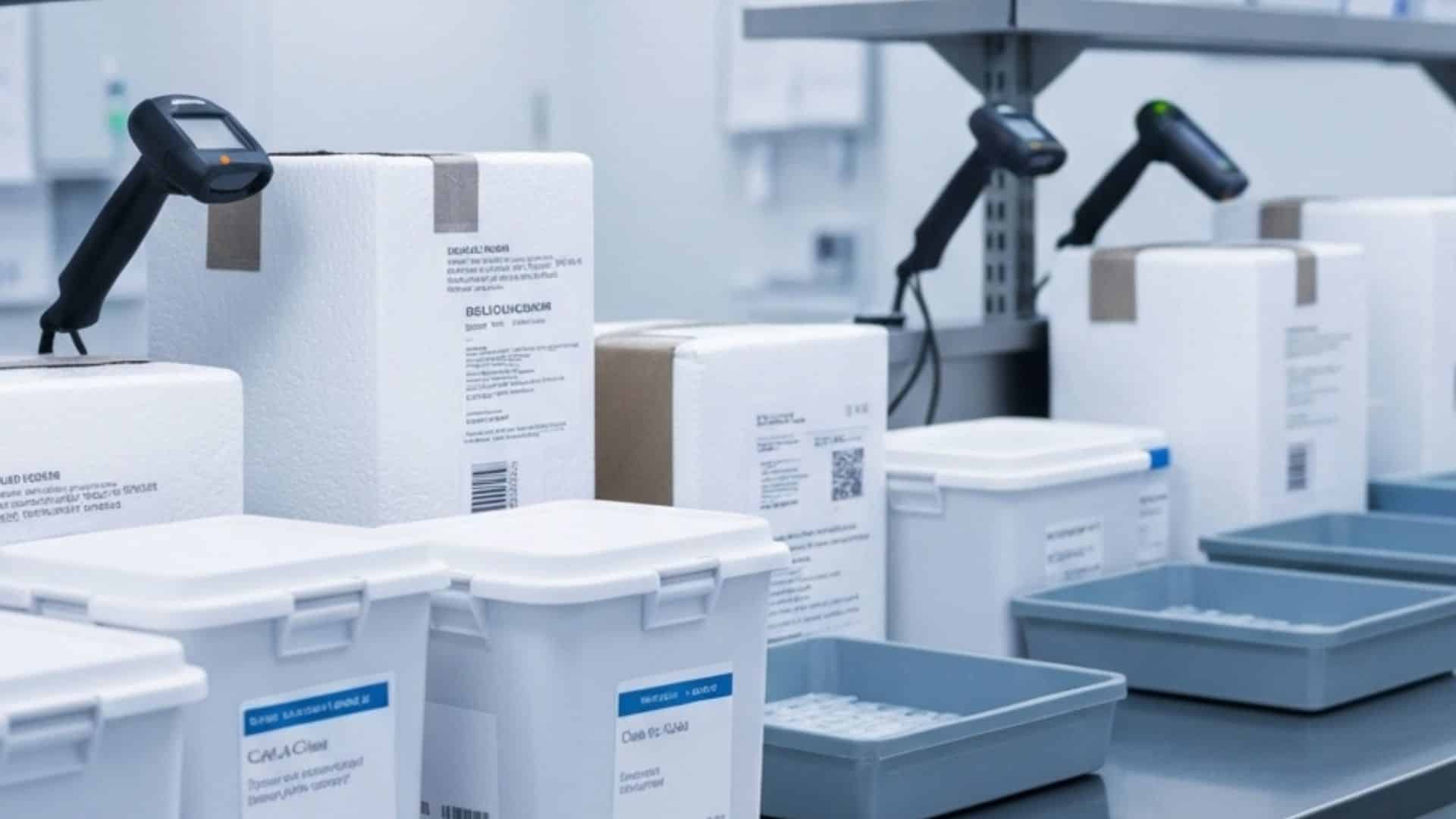
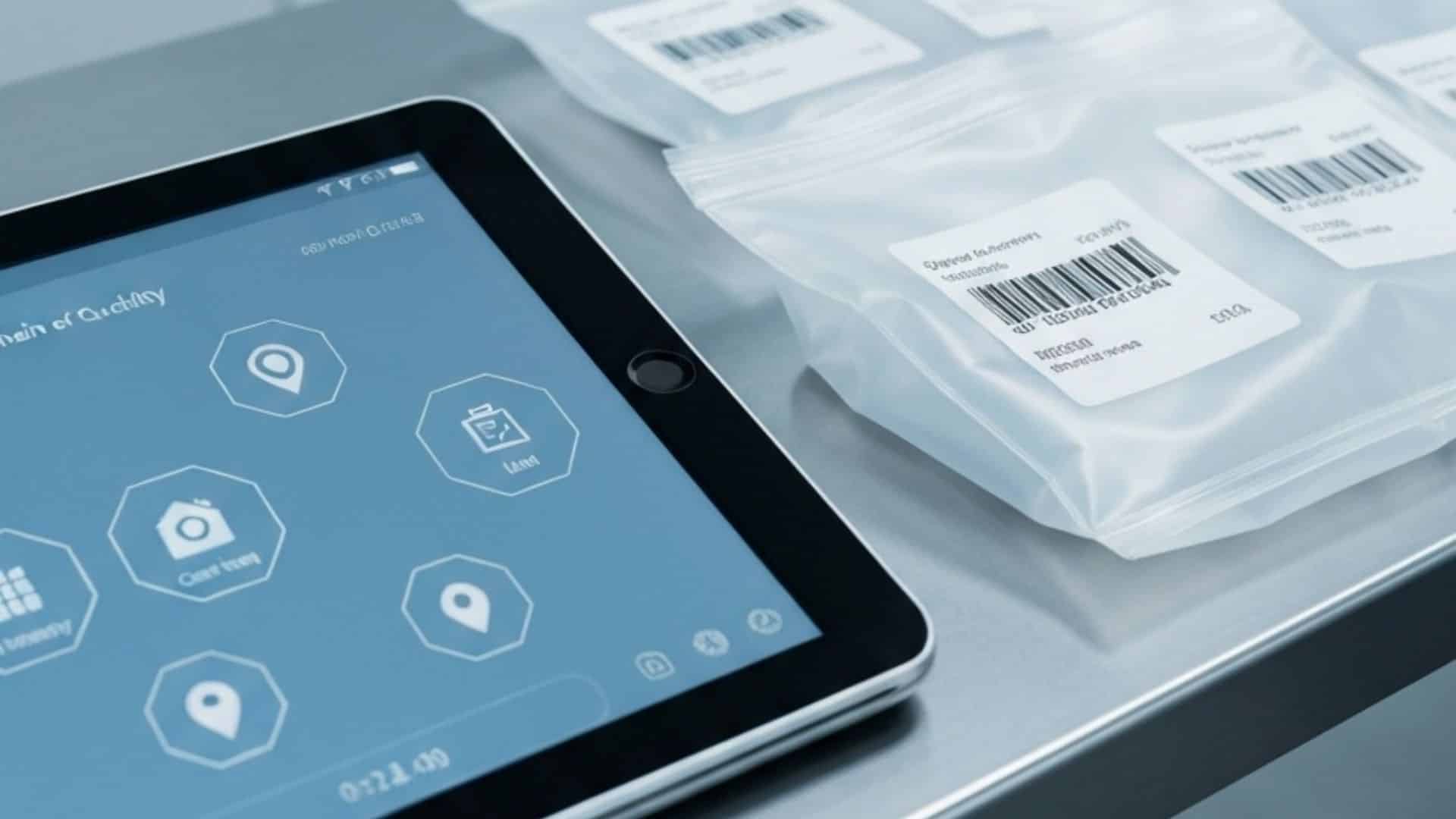
A robust medical courier driver app captures a complete chain of custody record for every delivery. This includes timestamped digital signatures at pickup and delivery, barcode or QR code scanning to verify specimen identity, photographic documentation when required, and automatic record generation that feeds into the facility’s laboratory information system or pharmacy management platform. These records are critical for chain of custody compliance in medical specimen transport and regulatory audit preparation.
Temperature Monitoring Integration
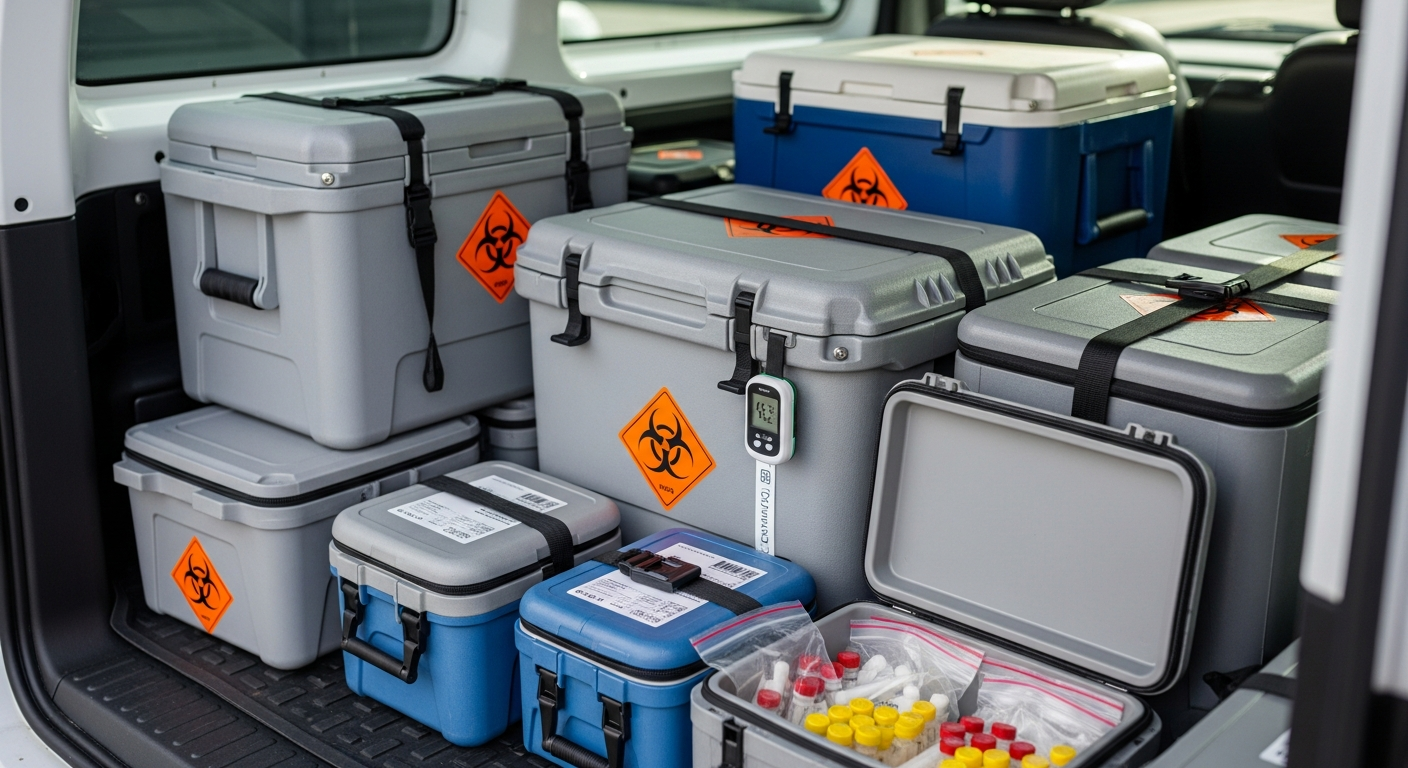
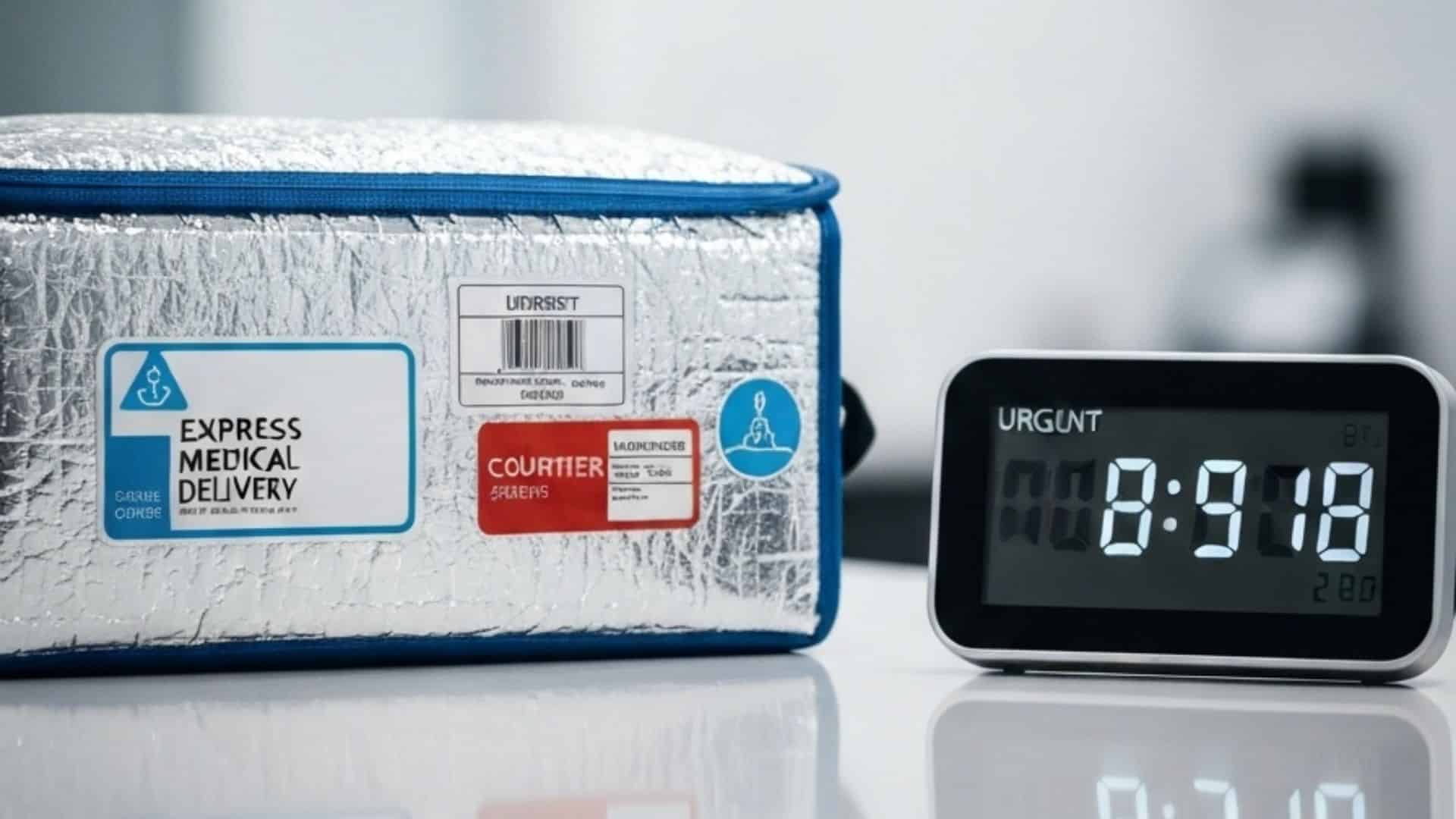
For healthcare organizations that transport temperature-sensitive materials, the courier app must integrate with temperature monitoring systems to provide continuous environmental data throughout transit. This includes real-time temperature readings, automated excursion alerts, and downloadable temperature logs for each delivery. Without this integration, cold chain logistics challenges become invisible until a specimen is rejected or a medication arrives degraded.
3. How Medical Courier Apps Improve Operational Efficiency
The operational impact of deploying a purpose-built medical courier app extends across every department that depends on healthcare logistics. Laboratories reduce specimen rejection rates because transport conditions are monitored and documented. Pharmacies improve medication turnaround times because deliveries are prioritized based on clinical urgency. Administrative teams spend less time on manual documentation because chain of custody records are generated automatically. And compliance officers gain audit-ready data without having to chase paper logs across multiple departments.
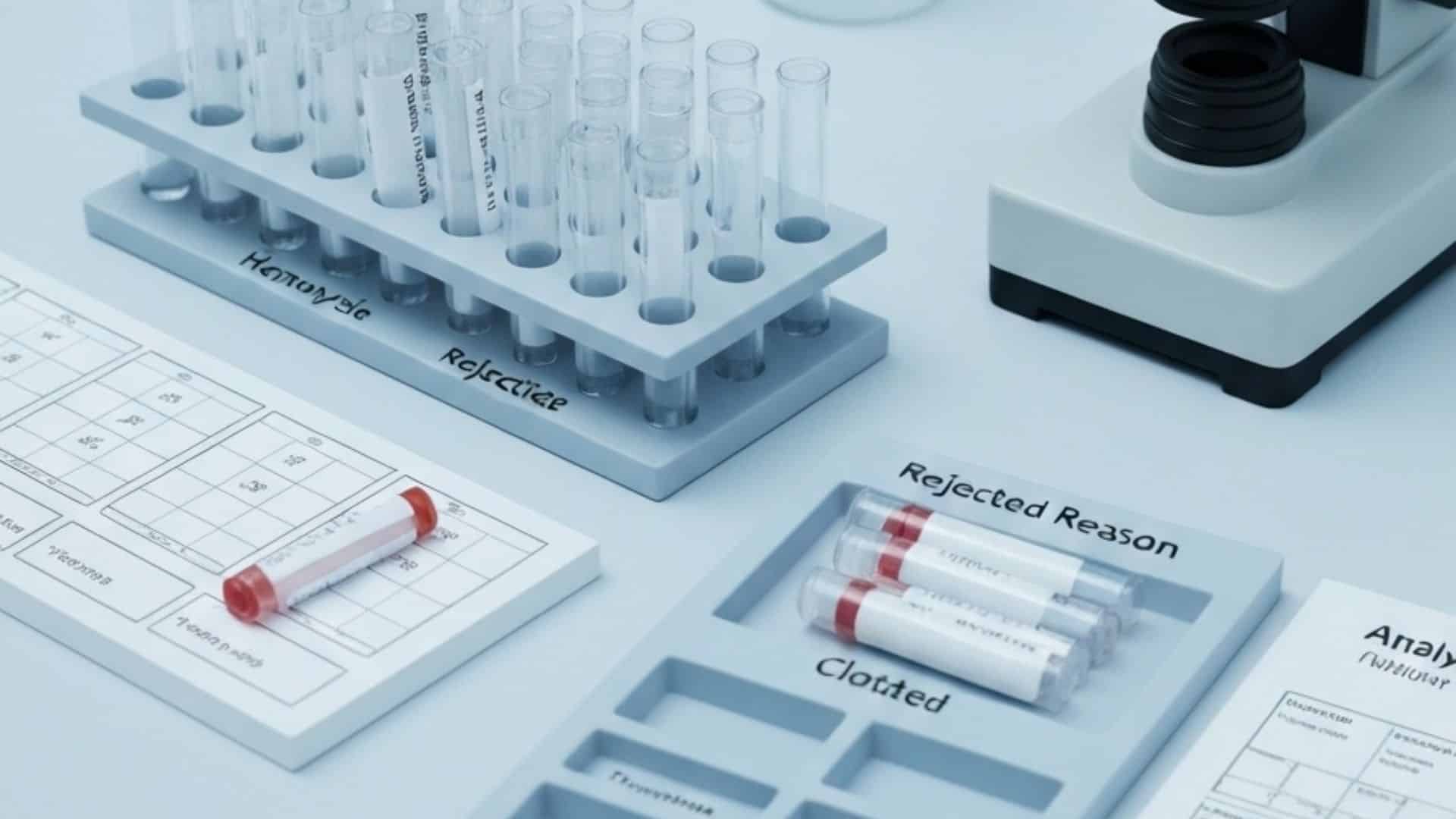
According to research published by the National Institutes of Health, specimen transport errors contribute significantly to diagnostic delays and unnecessary repeat testing, with estimated costs of $200 to $800 per rejected specimen when factoring in recollection, reprocessing, and delayed clinical decisions. Best medical courier apps reduce these costs by enforcing proper handling protocols at the point of pickup and monitoring compliance throughout transit.
For healthcare facilities managing high delivery volumes, the efficiency gains compound. A facility processing 500 daily deliveries that reduces its specimen rejection rate by even 2 percent through better transport management eliminates 10 daily rejections, which translates to thousands of avoided recollections, reduced patient inconvenience, and faster diagnostic turnaround annually. These are measurable clinical and financial outcomes driven by technology adoption.
Operational Benefits of Medical Courier Apps:
- Reduced specimen rejection rates through enforced handling protocols and temperature monitoring
- Faster turnaround times driven by AI-optimized routing and priority-based dispatch
- Automated chain of custody documentation eliminating manual paperwork and data entry errors
- Improved compliance readiness with audit-ready records for HIPAA, OSHA, and CLIA inspections
- Enhanced interdepartmental coordination through real-time delivery status visibility
4. Evaluating Medical Courier Apps: What to Look For
Not every platform that calls itself a medical courier app delivers the capabilities healthcare facilities require. The evaluation process should be structured around clinical, operational, and compliance criteria rather than surface-level feature comparisons. Here is a framework for assessing any medical logistics platform.
Clinical Integration
The platform should integrate with existing healthcare systems including laboratory information systems, pharmacy management platforms, and electronic health records. This integration eliminates manual data entry, reduces transcription errors, and ensures that delivery data flows directly into clinical workflows. A standalone app that requires manual re-entry of delivery information into your LIS is adding administrative burden, not reducing it.
Scalability and Multi-Facility Support
Healthcare organizations operating across multiple locations need a platform that supports centralized dispatch with facility-level customization. A hospital system with ten locations has different routing requirements, delivery volumes, and priority classifications at each site. The platform must accommodate this complexity without requiring separate instances or manual configuration for each facility. For organizations serving diverse healthcare verticals, this flexibility is essential.
Compliance and Regulatory Features
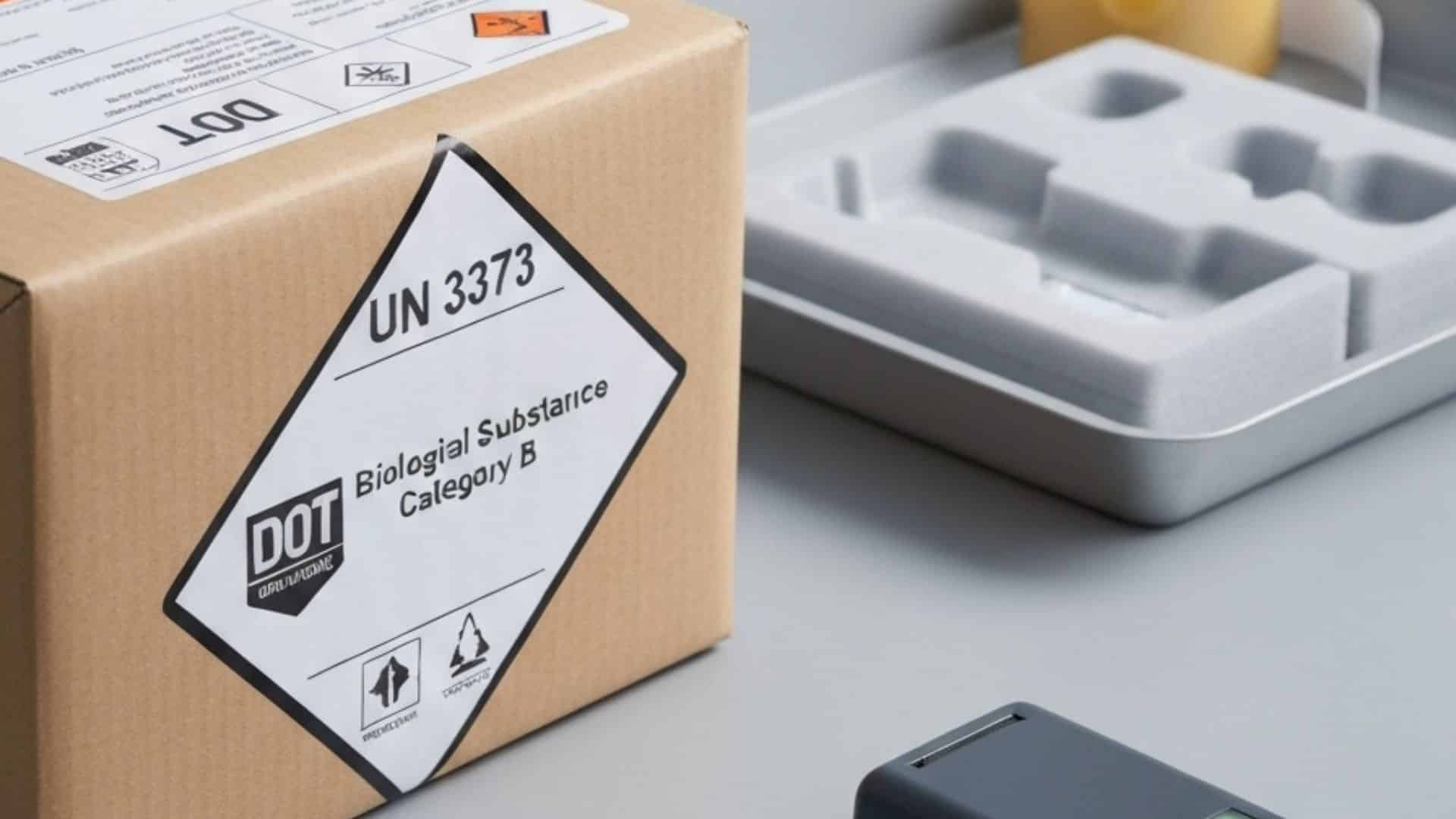
Beyond HIPAA, medical courier apps should support compliance with OSHA and DOT requirements for medical couriers. This includes hazardous materials handling documentation, driver certification tracking, vehicle inspection records, and incident reporting capabilities. The Occupational Safety and Health Administration requires specific protocols for workers who handle blood and other potentially infectious materials, and these requirements extend to courier personnel who transport these materials between facilities.
Courier Training and Certification Tracking
A platform designed for healthcare should track courier certifications, training completion in medical courier services, and competency assessments. When a delivery requires a courier certified in hazardous materials handling or bloodborne pathogen protocols, the dispatch system should automatically filter for qualified personnel. This capability is not available in general delivery apps because general delivery does not require specialized courier certifications.
Key Evaluation Criteria for Medical Courier Apps:
- Does the platform integrate with laboratory information systems, pharmacy platforms, and EHR systems?
- Does it support multi-facility operations with centralized dispatch and site-level customization?
- Does it provide HIPAA, OSHA, DOT, and CLIA compliance documentation and audit trails?
- Does it track courier certifications and automatically match qualified couriers to specialized deliveries?
- Does it offer temperature monitoring integration with real-time excursion alerting?
- Does it provide analytics and reporting for continuous performance improvement?
5. The Future of Medical Courier Apps and Healthcare Logistics Technology
The medical courier app landscape is evolving rapidly as healthcare organizations demand more intelligence, more integration, and more accountability from their logistics technology. Several trends are shaping the next generation of platforms and redefining what healthcare facilities should expect from their logistics partners.
Artificial intelligence is moving beyond route optimization into predictive logistics. Next-generation platforms are beginning to forecast delivery demand based on historical patterns, seasonal trends, and facility scheduling data, enabling proactive resource allocation rather than reactive dispatch. AI is changing healthcare logistics by transforming courier dispatch from a reactive function into a predictive operation that anticipates demand before it materializes.
Integration depth is increasing as well. Leading platforms are building direct connections to laboratory instruments, automated specimen accessioning systems, and pharmacy dispensing units, creating closed-loop logistics workflows where the delivery record becomes part of the clinical data chain. This level of integration reduces manual touchpoints, accelerates turnaround times, and improves data accuracy across the entire specimen or medication lifecycle.
For independent medical courier apps and smaller courier operations, the technology bar is rising. Healthcare facilities increasingly require the same level of digital capability from independent couriers that they expect from large logistics providers. This means independent courier platforms must offer HIPAA-compliant data handling, real-time tracking, chain of custody documentation, and integration capabilities to remain competitive in the healthcare logistics market.
The bottom line for healthcare facilities is straightforward. The medical courier service you choose and the technology platform that powers it will directly impact your specimen integrity, medication safety, regulatory compliance, and operational efficiency. Selecting a platform built specifically for healthcare, with the features and intelligence to handle the complexity of clinical logistics, is not a technology decision. It is a patient care decision.
carGO Health’s logistics platform was designed from the ground up for healthcare. With AI-powered dispatch, real-time tracking, temperature monitoring, HIPAA-compliant data handling, and chain of custody documentation built into every delivery, it is the medical courier platform that healthcare facilities need to operate at the standard their patients deserve.
If your healthcare facility is ready to move beyond generic delivery apps and adopt a logistics platform purpose-built for clinical operations, request a demo to see how carGO Health transforms medical courier management.
Frequently Asked Questions
What are medical courier apps and how do they work?
Medical courier apps are digital platforms designed to manage the dispatch, tracking, and documentation of healthcare deliveries including specimens, medications, blood products, and medical equipment. They work by connecting healthcare facilities with certified medical couriers through real-time dispatch, providing GPS tracking, capturing chain of custody documentation, and maintaining HIPAA-compliant records for every delivery.
What features should healthcare facilities look for in a medical courier app?
Healthcare facilities should prioritize HIPAA-compliant data handling, real-time GPS tracking with delivery ETAs, chain of custody documentation with digital signatures, temperature monitoring integration for cold chain shipments, AI-powered dispatch that routes based on clinical urgency, integration with laboratory information systems and pharmacy platforms, and compliance documentation for OSHA and DOT regulatory requirements.
How do medical courier apps differ from general delivery apps?
Medical courier apps are purpose-built for healthcare logistics and include features that general delivery apps lack, such as specimen-type classification, stability-window enforcement, HIPAA-compliant data encryption, chain of custody capture, temperature monitoring integration, priority routing based on clinical urgency, and courier certification tracking. General delivery apps optimize for package throughput, while medical courier apps optimize for clinical outcome protection.
Can independent medical couriers use specialized medical courier apps?
Yes, independent medical couriers can and increasingly must use specialized medical courier apps to remain competitive. Healthcare facilities require the same level of digital capability from independent couriers that they expect from large logistics providers, including HIPAA-compliant data handling, real-time tracking, chain of custody documentation, and temperature monitoring. Independent courier apps that lack these features risk losing healthcare contracts.
How does AI improve medical courier dispatch and routing?
AI-powered dispatch improves medical courier operations by factoring in specimen stability windows, temperature sensitivity, real-time traffic conditions, courier certifications, vehicle equipment, and clinical priority levels when assigning deliveries. Unlike traditional proximity-based dispatch, AI systems optimize for clinical outcomes by ensuring time-critical specimens reach their destination within stability windows and that qualified couriers are matched to specialized deliveries automatically.
Related Resources