AI-Powered Dispatch in Medical Courier Operations: Technology That Transforms Healthcare Logistics

Updated April 2026 — reviewed and refreshed by carGO Health editorial team.
Medical courier operations have historically relied on manual dispatch, static route sheets, and phone-based coordination to move specimens, pharmaceuticals, and biologics between healthcare facilities. That model worked when volumes were low and delivery windows were forgiving. It does not work today. Healthcare organizations now process thousands of time-sensitive shipments daily across complex multi-facility networks, and the margin for error has narrowed to near zero. AI-powered dispatch represents a fundamental shift in how medical courier operations assign drivers, build routes, predict demand, and respond to real-time conditions, replacing reactive guesswork with data-driven precision at every decision point.
The impact of this shift is measurable. Organizations that deploy AI-powered dispatch technology report reductions in turnaround times of up to 50 percent, on-time performance above 98 percent, and the ability to process more than 1,000 orders per day without proportional increases in fleet size. These are operational outcomes driven by algorithms that continuously learn, adapt, and optimize across every variable that affects medical delivery performance. For healthcare providers evaluating their logistics infrastructure, understanding how AI is transforming healthcare logistics is no longer optional. It is a competitive and clinical imperative.
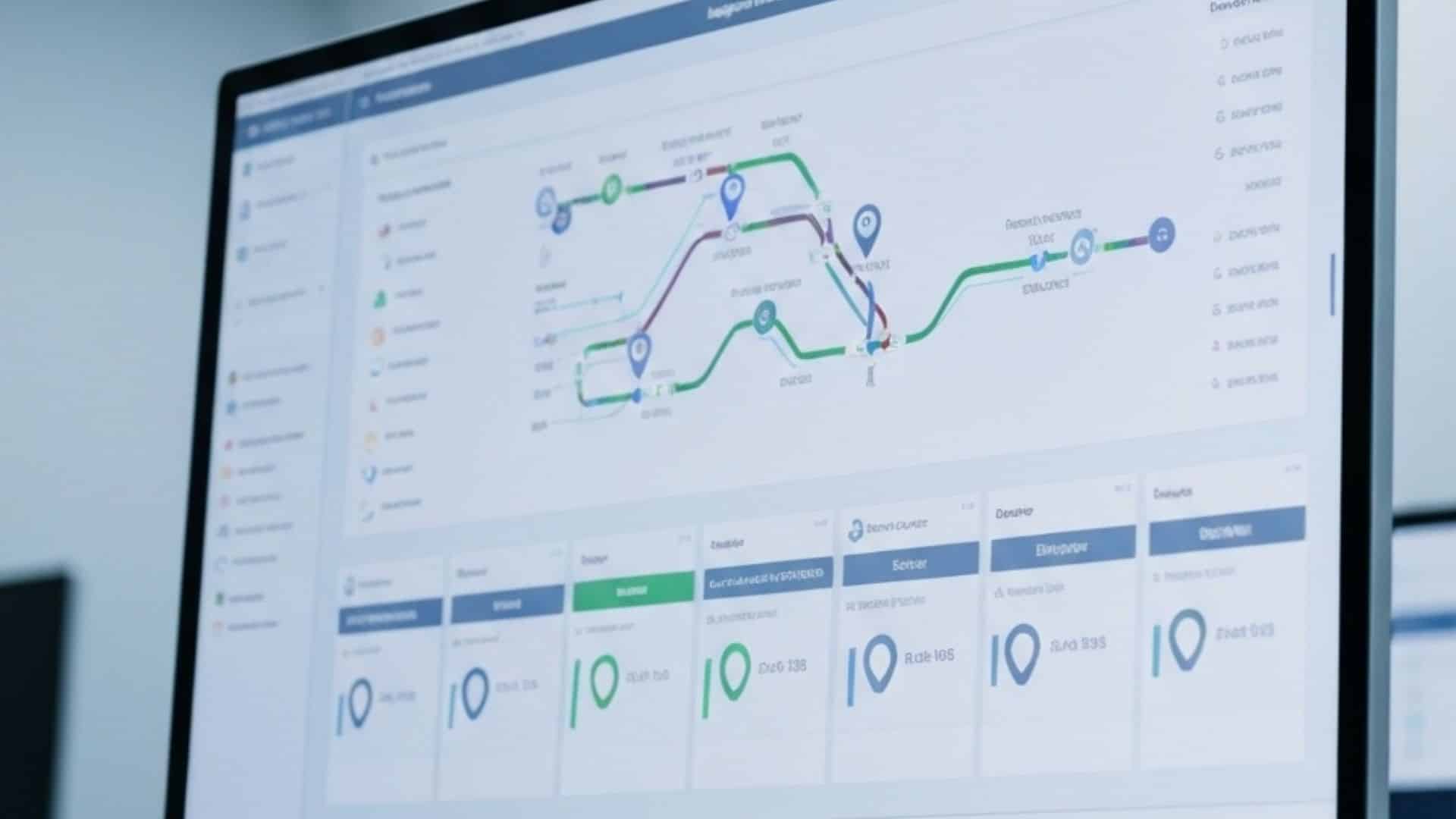
1. How AI-Powered Dispatch Works in Medical Courier Operations
Traditional medical courier dispatch operates on a simple model: an order comes in, a dispatcher reviews available drivers, assigns the closest one, and the driver follows a predetermined route. This approach treats every delivery as an isolated event, ignoring interdependencies between orders, real-time conditions that affect transit times, and the cascading effects that a single delayed pickup can have on an entire schedule. AI-powered dispatch replaces this linear process with a continuous optimization engine that evaluates hundreds of variables simultaneously to make better assignment and routing decisions than any human dispatcher could achieve.
At its core, an AI dispatch system ingests real-time data from multiple sources: GPS positions of all active couriers, current traffic and weather conditions, facility operating hours, specimen stability windows, order priority classifications, and historical performance patterns. It then applies optimization algorithms to determine the ideal courier assignment, pickup sequence, and route for every active order, recalculating continuously as new orders arrive and conditions change. The distinction between AI-powered dispatch and basic GPS routing is critical. Simple automation applies predefined rules. A purpose-built logistics platform with genuine AI capabilities learns from outcomes, identifies patterns, and makes probabilistic decisions that improve over time.
Core Components of AI-Powered Dispatch:
- Real-time data ingestion from GPS, traffic feeds, weather APIs, and facility systems to build a continuous operational picture
- Multi-variable optimization algorithms that evaluate courier location, capacity, certifications, and current workload simultaneously
- Machine learning models that improve routing accuracy by analyzing historical delivery outcomes and transit patterns
- Continuous recalculation that adapts routes and assignments dynamically as new orders enter the system
- Priority-aware scheduling that distinguishes between STAT, time-critical, and routine deliveries to allocate resources appropriately
2. Dynamic Routing and Demand Prediction Algorithms
The algorithmic foundation of AI-powered dispatch rests on two interconnected capabilities: dynamic routing and demand prediction. Dynamic routing continuously recalculates optimal paths based on real-time conditions rather than relying on static, pre-planned routes. According to research published by MIT’s Center for Transportation and Logistics, dynamic routing algorithms can reduce total vehicle miles traveled by 15 to 25 percent compared to static route planning. In medical courier operations, where dedicated medical courier routes must account for specimen stability windows and facility schedules, these efficiency gains translate directly into improved clinical outcomes.
Demand prediction uses historical order data, seasonal patterns, day-of-week trends, and external factors to forecast where and when pickup requests will occur. A McKinsey report on AI in supply chain management found that organizations using predictive demand modeling reduced logistics costs by 15 percent and improved service levels by 65 percent. For medical couriers, this means proactive driver positioning near facilities likely to generate orders, rather than dispatching from a central hub and adding unnecessary transit time.
The interplay between these capabilities creates a compound effect. When a dispatch system can predict that a reference laboratory will generate 12 pickups between 2:00 PM and 4:00 PM, it can pre-position couriers, sequence those pickups efficiently with nearby scheduled route stops, and reserve capacity for STAT orders that may arrive during the same window. This level of operational intelligence is impossible with manual dispatch.
Key Algorithm Categories in AI Dispatch:
- Vehicle Routing Problem (VRP) solvers that optimize multi-stop routes across an entire fleet while respecting time windows and capacity constraints
- Time-series forecasting models that predict order volume, pickup locations, and priority mix by hour, day, and season
- Reinforcement learning agents that improve dispatch decisions by correlating assignments with delivery outcomes
- Constraint satisfaction algorithms that balance specimen stability, driver hours, and delivery deadlines
3. AI Dispatch vs. Manual Dispatch: Measurable Performance Differences
The performance gap between AI-powered dispatch and manual dispatch is not marginal. It is structural. Manual dispatch relies on a coordinator who can hold a limited number of variables in working memory, typically managing 15 to 20 active drivers and processing decisions sequentially. An AI dispatch system evaluates thousands of permutations per second across an entire fleet, optimizing globally rather than making locally reasonable but globally suboptimal decisions.
Consider a scenario that occurs dozens of times daily: a STAT order arrives while all nearby couriers are mid-route. A manual dispatcher must quickly decide whether to pull a driver off their route, potentially delaying scheduled deliveries, or assign a more distant driver. The dispatcher makes this decision with incomplete information and no ability to calculate downstream effects. An AI system evaluates the impact of every possible assignment on every active order and selects the option that minimizes total disruption while meeting the STAT window. Research published in the National Library of Medicine has documented that AI-based logistics optimization in healthcare settings reduces delivery delays by 30 to 40 percent compared to conventional dispatch methods.
Operational data from organizations that have transitioned to AI dispatch shows consistent improvements across every key performance indicator. On-time rates increase. Delivery times decrease. Delivery errors decline. And the system scales without proportional increases in dispatch staff, meaning an operation processing 200 orders and one processing 1,000 orders can run on the same AI platform with the same optimization quality.
Performance Comparison, AI vs. Manual Dispatch:
- On-time performance: AI dispatch achieves 98 percent or higher consistently, while manual dispatch typically ranges from 85 to 92 percent
- STAT response time: AI reduces average STAT pickup-to-delivery time by 25 to 40 percent through intelligent pre-positioning
- Route efficiency: AI-optimized routes reduce total miles driven by 15 to 30 percent, lowering fuel costs and vehicle wear
- Scalability: AI dispatch handles volume increases without proportional growth in dispatch personnel
- Error reduction: automated assignment eliminates manual data entry mistakes that cause misrouted or delayed deliveries
4. Real-Time Tracking Integration and Floating Driver Networks
AI-powered dispatch reaches its full potential when integrated with real-time medical delivery tracking systems that provide continuous visibility into every active shipment. Tracking integration gives the AI engine a live operational picture: where every courier is, what they are carrying, how long they have been in transit, and whether they are ahead of or behind schedule. This data feeds back into the optimization loop, enabling increasingly precise decisions as conditions evolve.
The combination of AI dispatch and real-time tracking enables a fleet architecture uniquely suited to medical courier operations: the floating driver network. Unlike fixed-route models where each driver follows the same circuit every day, a floating network deploys couriers dynamically based on real-time demand. Drivers are positioned and repositioned throughout their shifts based on where the AI predicts orders will originate. According to the U.S. Department of Energy’s Vehicle Technologies Office, dynamic fleet deployment reduces total operating costs by 20 to 35 percent compared to fixed-route models in last-mile delivery applications.
For healthcare organizations, this model means faster response to STAT requests, more efficient same-day medical delivery, and better specimen integrity because transit times are minimized. It also provides the delivery transparency healthcare providers need for regulatory compliance and operational confidence. When a laboratory director can see that a time-critical specimen is 12 minutes from delivery and on schedule, that visibility builds trust and enables better clinical workflow planning.
Benefits of AI-Integrated Tracking and Floating Networks:
- Continuous GPS visibility into courier location, speed, and estimated arrival time for every active delivery
- Dynamic driver repositioning based on predicted demand, reducing average response time for new orders
- Automated exception alerts when deliveries deviate from expected timelines, enabling proactive intervention
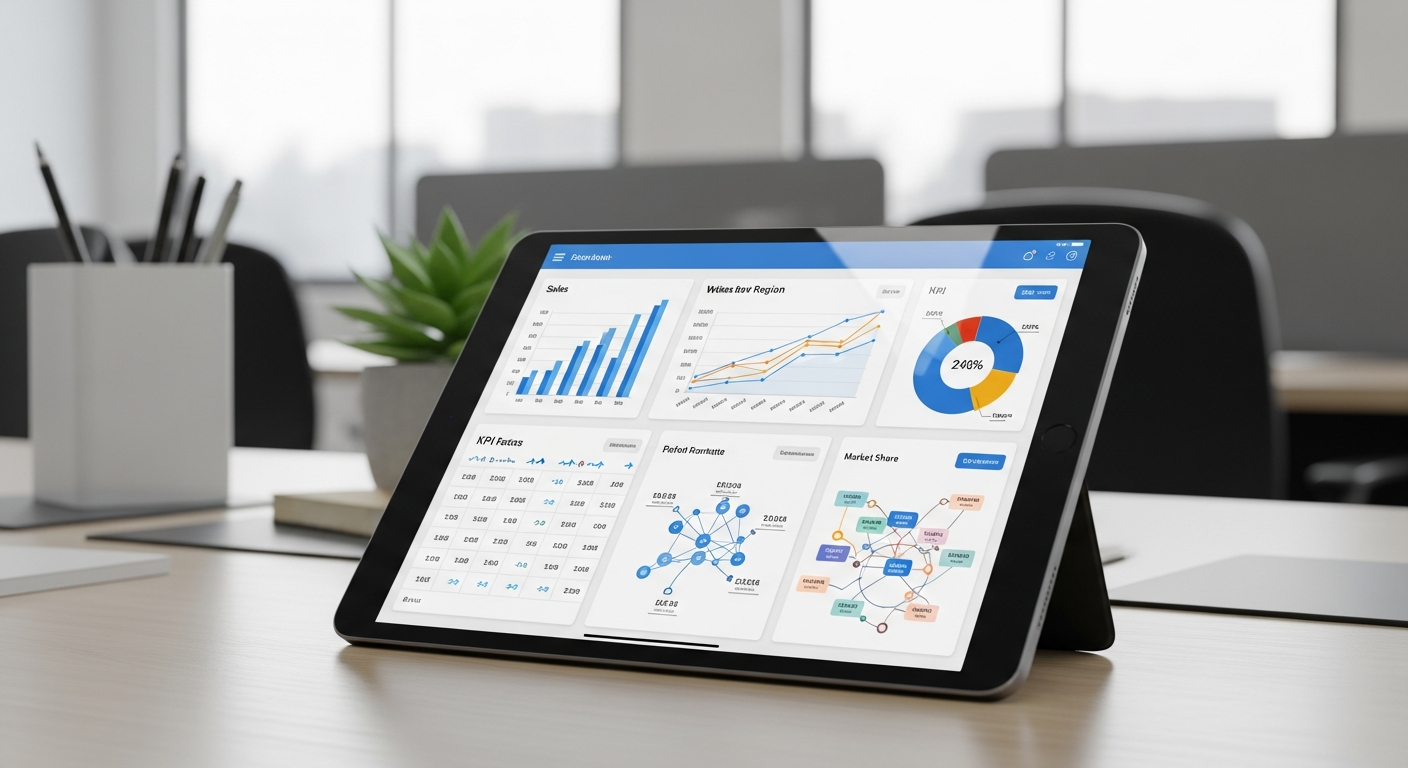
- Client-facing tracking dashboards that provide real-time shipment visibility without phone calls to dispatch
5. What to Look for in AI-Powered Medical Courier Technology
Not every courier service that claims AI capability is delivering genuine algorithmic optimization. The healthcare logistics market includes providers that use basic automated assignment or simple GPS routing and market these as “AI-powered” systems. Healthcare organizations evaluating medical courier services need to distinguish between genuine AI dispatch and marketing terminology applied to conventional technology. A Harvard Business Review analysis on AI in supply chain management noted that fewer than 20 percent of logistics providers claiming AI capabilities have deployed systems that truly learn and optimize from operational data.
The first criterion is whether the dispatch system performs continuous optimization or batch optimization. Continuous optimization recalculates routes and assignments in real time as conditions change. Batch optimization plans routes at fixed intervals and does not adapt between cycles. In medical courier operations where STAT orders arrive unpredictably, only continuous optimization delivers the responsiveness healthcare demands. The difference between a medical courier and a regular courier often comes down to this level of technological sophistication.
The second criterion is whether the system incorporates healthcare-specific variables. A general logistics AI considers distance, traffic, and driver availability. A medical courier AI must also consider specimen stability windows, temperature requirements, chain of custody protocols, facility receiving hours, and regulatory compliance. These constraints fundamentally change the optimization problem and require purpose-built algorithms. Healthcare organizations should ask prospective courier partners to demonstrate how their AI-optimized routing accounts for clinical variables, not just transportation efficiency.
Evaluation Criteria for AI Dispatch Technology:
- Continuous real-time optimization with the ability to incorporate new orders and changing conditions instantly
- Healthcare-specific optimization variables including specimen stability, temperature sensitivity, and compliance requirements
- Demonstrated learning capability where routing accuracy improves over time using historical performance data
- Integrated real-time tracking with automated exception management and client-facing dashboards
- Transparent performance analytics with documented KPIs including on-time rates and STAT response metrics
Key Takeaways
AI-powered dispatch is not an incremental improvement to medical courier operations. It is a structural transformation that changes how couriers are assigned, how routes are built, how demand is anticipated, and how the entire delivery network responds to the dynamic requirements of healthcare logistics. Organizations that operate with manual dispatch are making decisions with incomplete information and no ability to optimize globally across their fleet. Organizations that deploy genuine AI dispatch technology achieve measurably better outcomes in speed, reliability, specimen integrity, and cost efficiency.
carGO Health processes more than 1,000 orders daily across New York, New Jersey, Connecticut, Massachusetts, and eight additional states using AI-powered dispatch with a floating driver network, real-time tracking, and 98.9 percent on-time performance. With more than 200,000 orders completed and up to 50 percent reduction in turnaround times, the operational results speak for themselves. If your organization is ready to move beyond manual dispatch and experience the performance difference that AI-driven logistics delivers, schedule a consultation to see the platform in action.
Frequently Asked Questions
What is AI-powered dispatch in medical courier operations?
AI-powered dispatch is a logistics technology that uses machine learning algorithms, real-time data, and predictive analytics to automatically assign couriers, optimize delivery routes, and manage order priorities across a medical courier fleet. Unlike manual dispatch, it evaluates hundreds of variables simultaneously, including traffic conditions, specimen stability windows, driver locations, and facility schedules, to make optimal assignment and routing decisions in real time.
How does AI-powered dispatch improve medical delivery times?
AI dispatch reduces delivery times through three mechanisms: dynamic route optimization that recalculates paths based on real-time conditions, predictive driver positioning that places couriers near facilities likely to generate orders, and intelligent load balancing that distributes work across the fleet. These capabilities combined can reduce turnaround times by up to 50 percent compared to manual dispatch operations.
What is a floating driver network and how does it work with AI dispatch?
A floating driver network deploys couriers dynamically based on real-time and predicted demand rather than assigning fixed daily routes. AI dispatch directs this network by analyzing order patterns, geographic demand clusters, and driver availability to position couriers where they are most likely to be needed. This model reduces response times for STAT and same-day orders while improving fleet utilization.
How is AI dispatch different from basic GPS routing software?
Basic GPS routing calculates the shortest path between two points using static map data. AI dispatch performs multi-variable fleet-wide optimization that considers courier workloads, order priorities, specimen time sensitivity, facility schedules, predicted future demand, and real-time conditions. GPS routing solves a navigation problem. AI dispatch solves a complex operational optimization problem that encompasses assignment, sequencing, timing, and resource allocation across hundreds of concurrent deliveries.
What performance improvements can healthcare organizations expect from AI-powered dispatch?
Healthcare organizations that transition from manual to AI-powered dispatch typically see on-time delivery rates improve to 98 percent or higher, STAT response times decrease by 25 to 40 percent, total route miles reduced by 15 to 30 percent, and the ability to scale order volume without proportional increases in fleet size or dispatch staff. These improvements also produce fewer specimen integrity failures and reduced logistics costs per order.
About the Author
Parth Patel is the Founder and CEO of carGO Health, a specialized medical courier service operating 24/7/365 across the Northeast United States. With firsthand experience in medical courier operations since childhood and over 200,000 deliveries completed, Parth built carGO Health to bring technology, reliability, and accountability to healthcare logistics. Connect with Parth on LinkedIn.
Related Reading
- Comprehensive Guide to Medical Courier Services
- Why Hospitals Outsource Medical Courier Operations
- STAT Medical Courier Service: Emergency Response Standards
- Medical Specimen Transport: Protocols and Compliance
- HIPAA Compliant Medical Courier: What to Look For
- Get a Quote — carGO Health Medical Courier Services
Related Resources