Challenges in Medical Logistics and How to Overcome Them
Medical logistics plays a critical role in ensuring the timely delivery of essential healthcare supplies, medications, and equipment. However, the industry faces numerous challenges that can impact efficiency, patient care, and cost management. Below is a detailed look at these challenges and practical strategies to address them.

1. Stringent Regulatory Compliance
Medical logistics is subject to strict regulations due to the sensitive nature of healthcare products, such as pharmaceuticals and medical devices. Compliance issues can cause delays or result in legal penalties.
Challenges:
- Varying regulations across regions
- Complex documentation requirements
- Ensuring cold chain compliance for temperature-sensitive items
Solutions:
- Invest in automated compliance systems to streamline documentation and regulatory checks
- Standardize processes to meet regional and global requirements
- Utilize IoT-enabled temperature monitoring for cold chain management
2. Cold Chain Logistics for Temperature-Sensitive Products
Ensuring the integrity of temperature-sensitive medical supplies, such as vaccines, insulin, and blood samples, remains one of the most pressing challenges.
Challenges:
- Maintaining consistent temperatures during transport
- Lack of real-time tracking and visibility
- Risk of spoilage due to equipment failures or delays
Solutions:
- Implement advanced cold chain logistics systems with real-time tracking capabilities
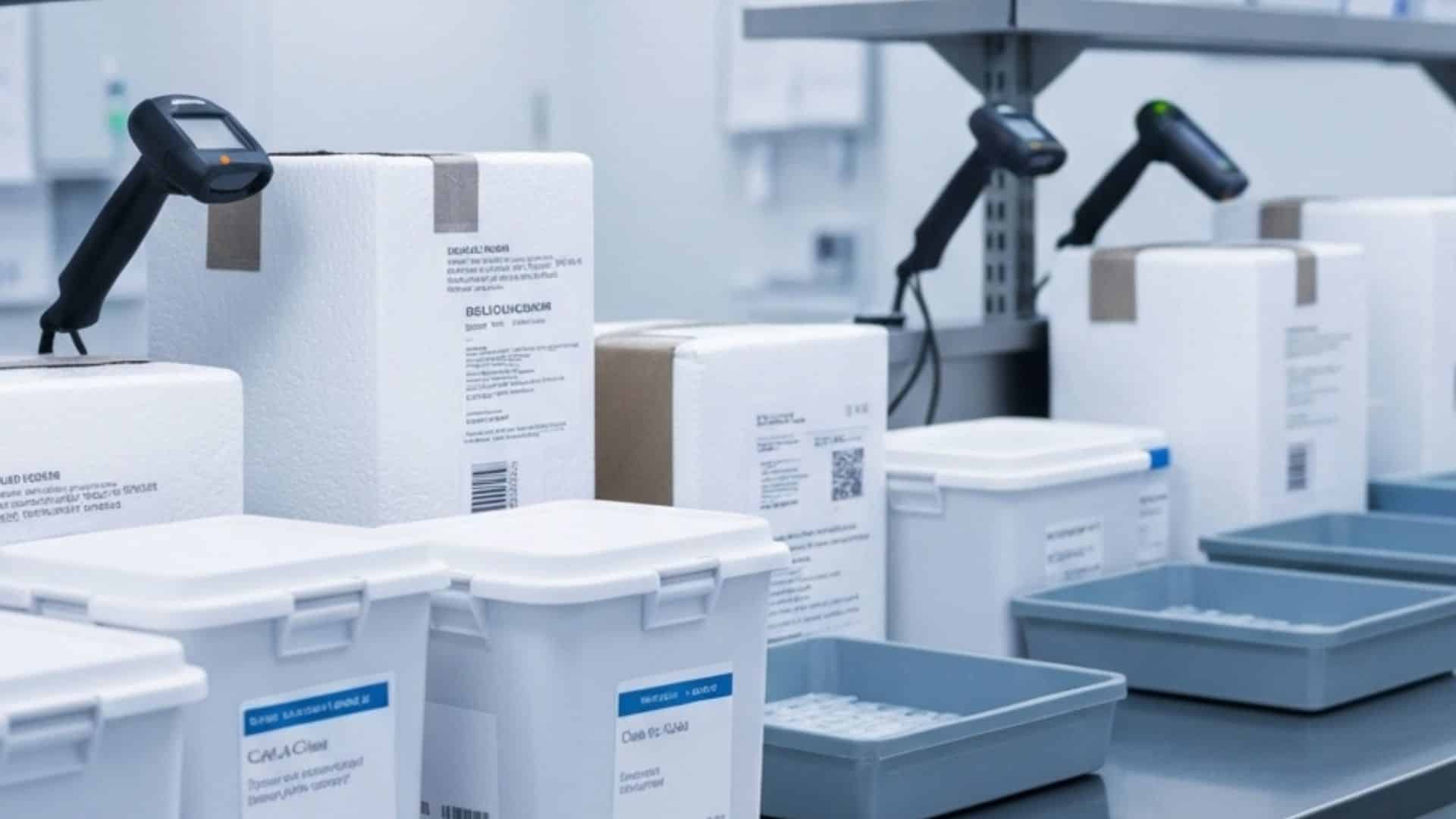
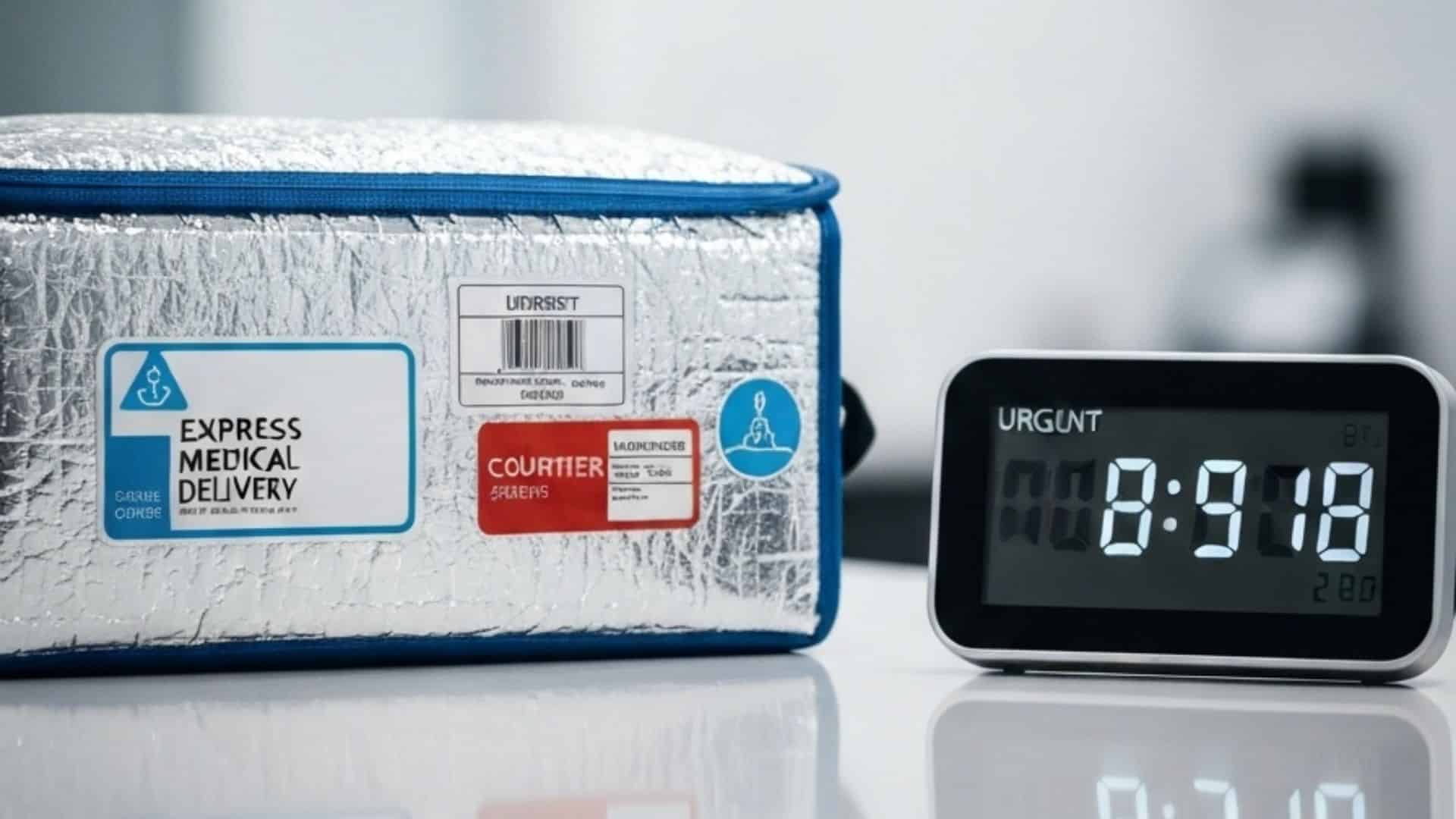
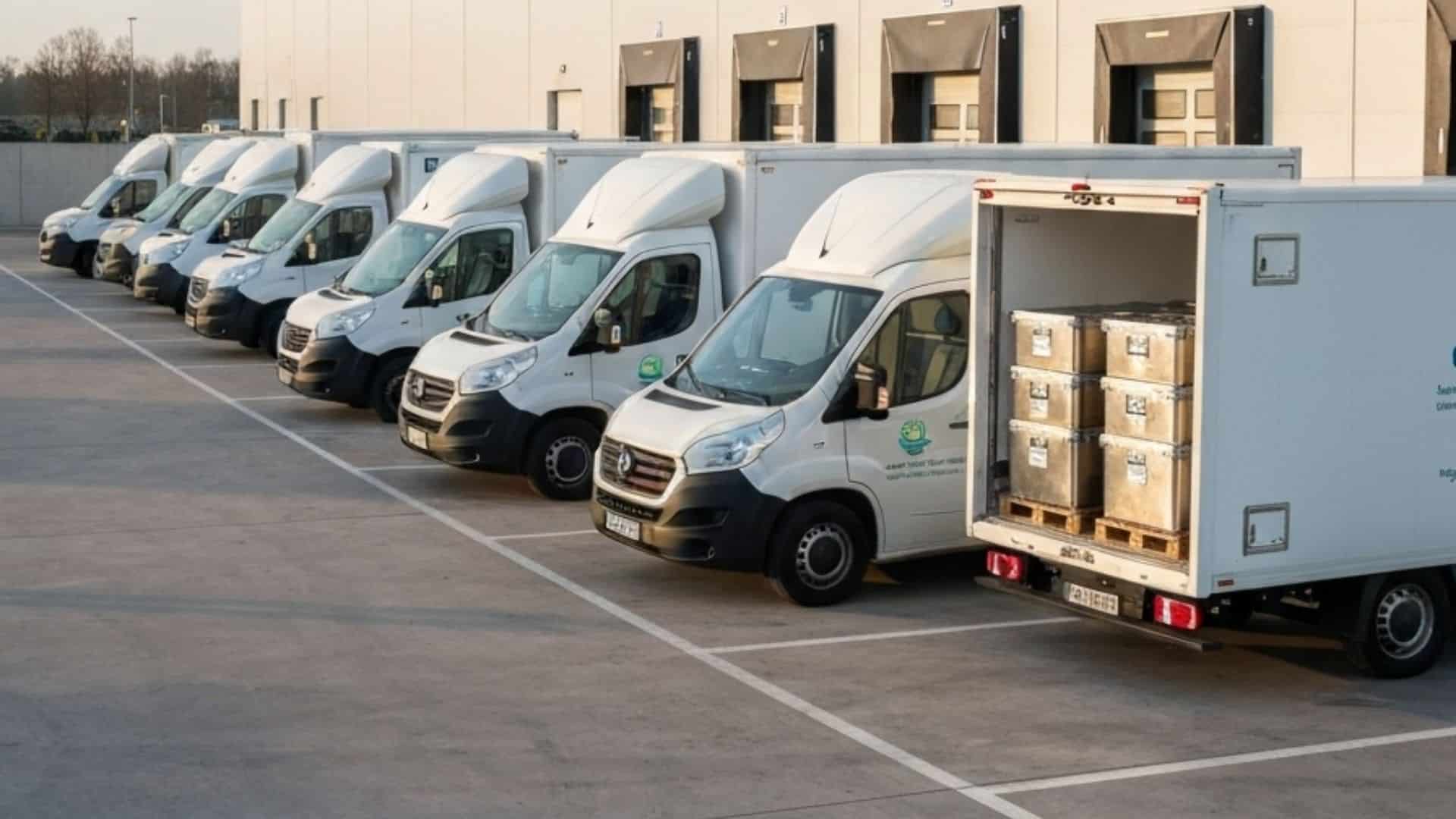
- Use temperature-controlled packaging and vehicles equipped with monitoring technology
- Conduct regular maintenance of cooling systems to prevent breakdowns
3. Visibility and Real-Time Tracking
Lack of supply chain visibility can cause inefficiencies, delays, and increased costs, particularly when transporting life-saving medical supplies.
Challenges:
- Inability to track shipments in real time
- Fragmented data across multiple logistics partners
- Inefficient communication channels
Solutions:
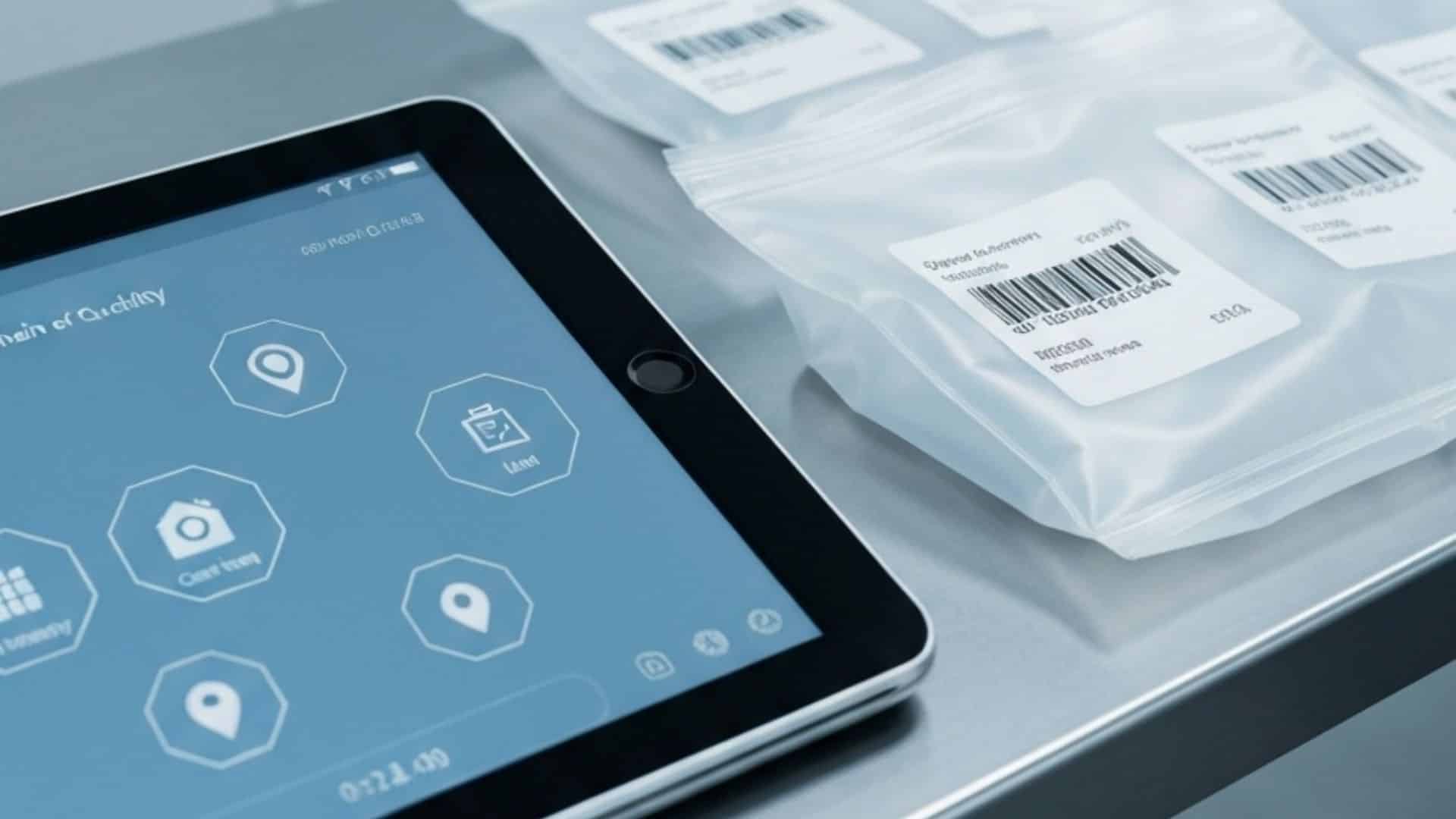
- Use real-time tracking systems powered by GPS and RFID technologies
- Integrate centralized software for supply chain management and data consolidation
- Improve collaboration with logistics partners through cloud-based platforms
4. Inventory Management
Managing medical inventory is particularly challenging due to the perishable nature of many healthcare products and the need for accurate stock control.
Challenges:
- Overstocking or stockouts leading to financial loss and disrupted patient care
- Poor demand forecasting
- Manual inventory tracking resulting in errors
Solutions:
- Adopt AI-driven inventory management systems for precise demand forecasting
- Implement automated tools for real-time inventory monitoring
- Regularly audit inventory to identify discrepancies and optimize stock levels
5. Transport and Delivery Delays
Timely delivery of medical supplies is critical for patient care, but delays often occur due to infrastructure issues, weather conditions, or logistics inefficiencies.
Challenges:
- Traffic congestion and transportation bottlenecks
- Natural disasters or extreme weather events
- Inefficient routing and scheduling
Solutions:
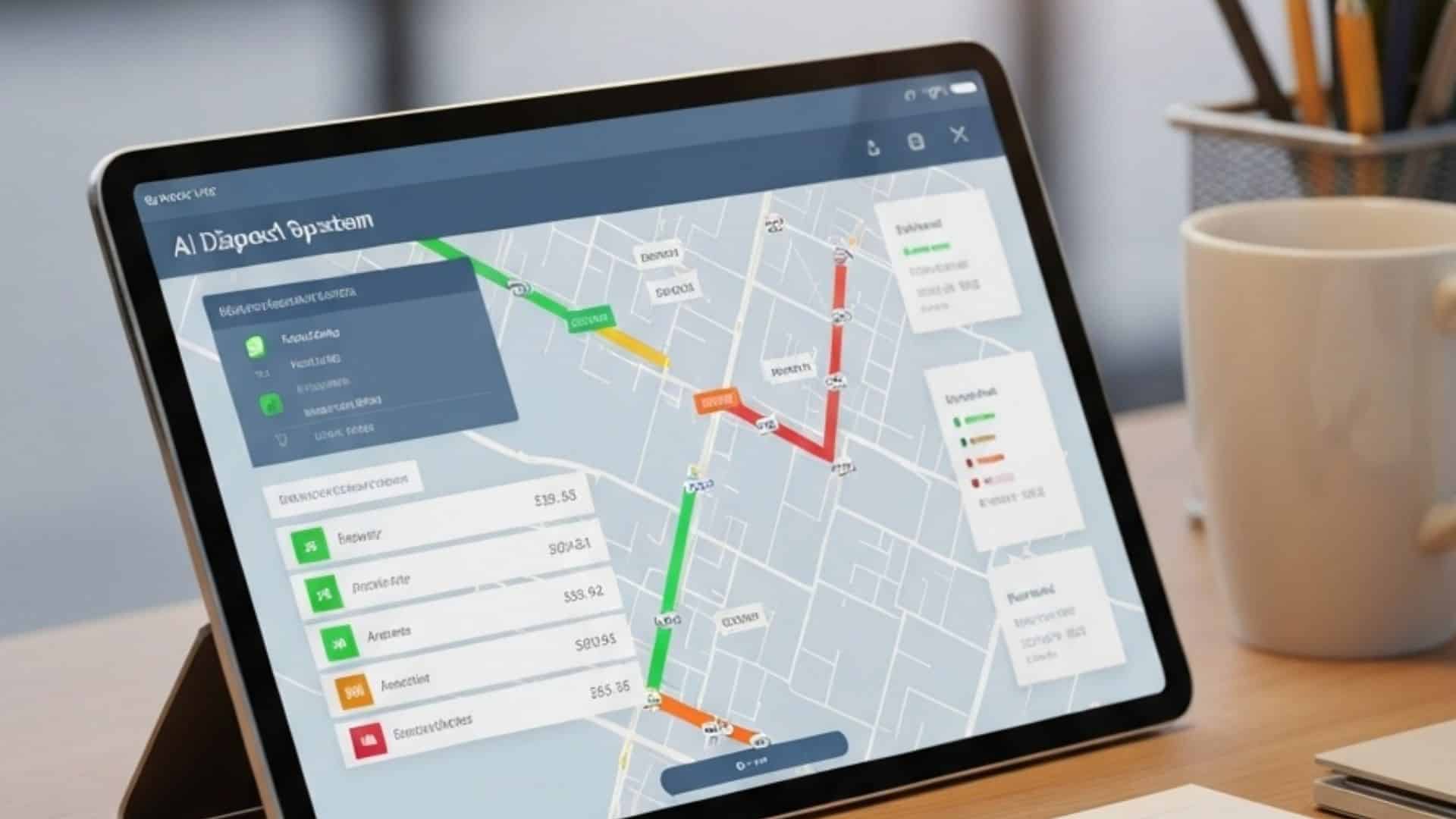
- Use route optimization software to plan efficient delivery schedules
- Develop contingency plans for emergencies and unforeseen events
- Partner with reliable third-party logistics (3PL) providers for consistent performance
6. High Costs of Medical Logistics
Rising transportation, storage, and compliance costs pose a significant challenge for healthcare organizations aiming to maintain operational efficiency.
Challenges:
- Cost of maintaining cold chain logistics infrastructure
- Rising fuel prices and logistics expenses
- Balancing cost-efficiency with service quality
Solutions:
- Consolidate shipments to reduce transportation costs
- Optimize warehouse locations to minimize distance and storage expenses
- Invest in sustainable solutions such as electric vehicles to control fuel costs
7. Data Security and Cyber Threats
The increasing digitization of medical logistics exposes systems to cybersecurity risks, such as data breaches and unauthorized access to sensitive information.
Challenges:
- Ensuring secure transmission of medical logistics data
- Risk of ransomware or hacking incidents
- Protecting patient confidentiality and supply chain data
Solutions:
- Implement robust cybersecurity measures like data encryption and multi-factor authentication
- Regularly update software systems to fix vulnerabilities
- Train staff on best practices for cybersecurity and data handling
Final Thoughts
Medical logistics remains a critical aspect of healthcare operations, with significant challenges that require strategic planning and advanced technologies. By addressing key issues such as regulatory compliance, cold chain logistics, and supply chain visibility, healthcare organizations can improve efficiency, reduce costs, and ensure the timely delivery of essential medical supplies.
Focusing on automation, real-time tracking, and AI-powered tools offers practical solutions to overcome these challenges while enhancing overall supply chain performance.
Related Resources
- Temperature-Controlled Transport
- Cold Chain
- Refrigerated
- Real-Time Tracking
- Proof Of Delivery
- Ai-Optimized Routing
Need a reliable medical courier? Request a demo to see how carGO Health can streamline your medical deliveries across the Northeast.
Healthcare organizations that partner with a proven dedicated medical courier gain the reliability and compliance their operations require.
Related Resources