How to Become a Medical Courier: Complete Career Guide
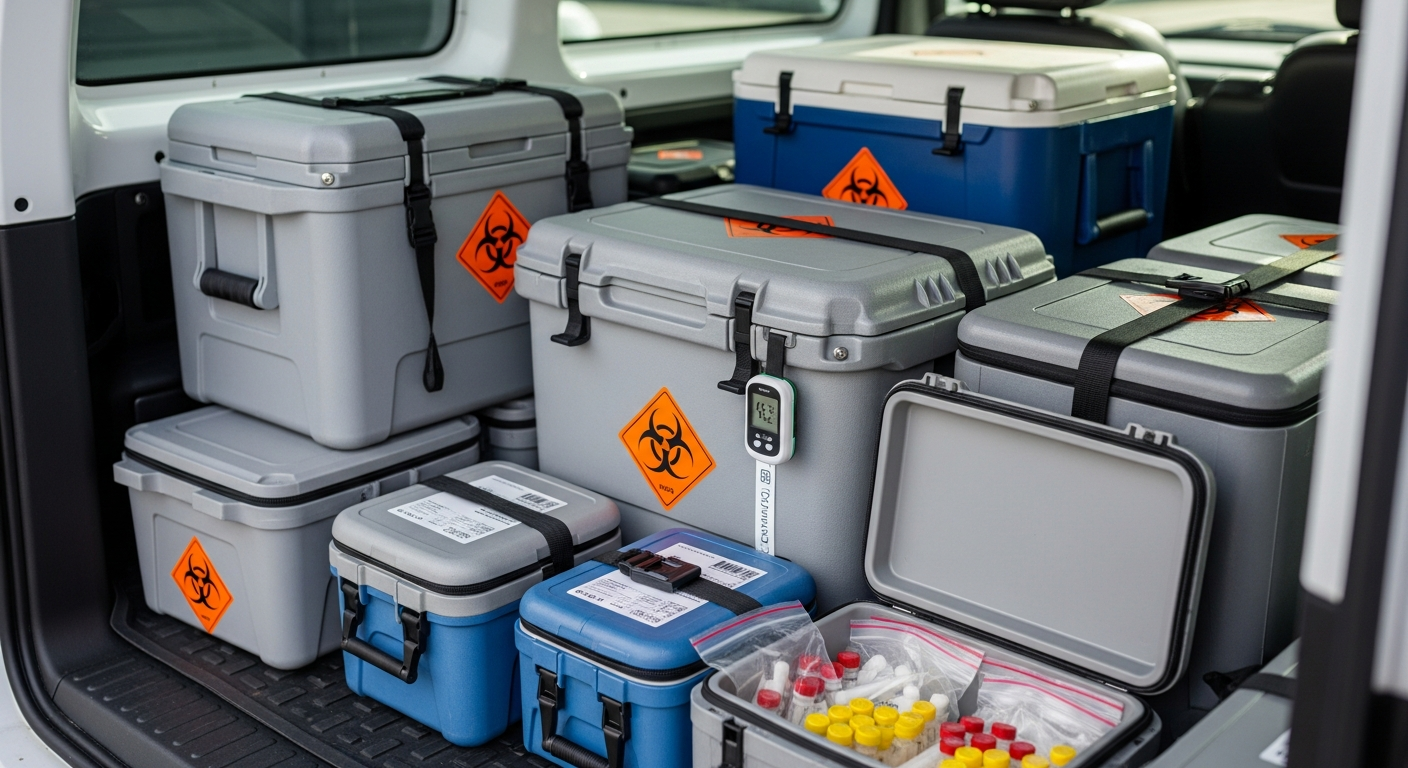
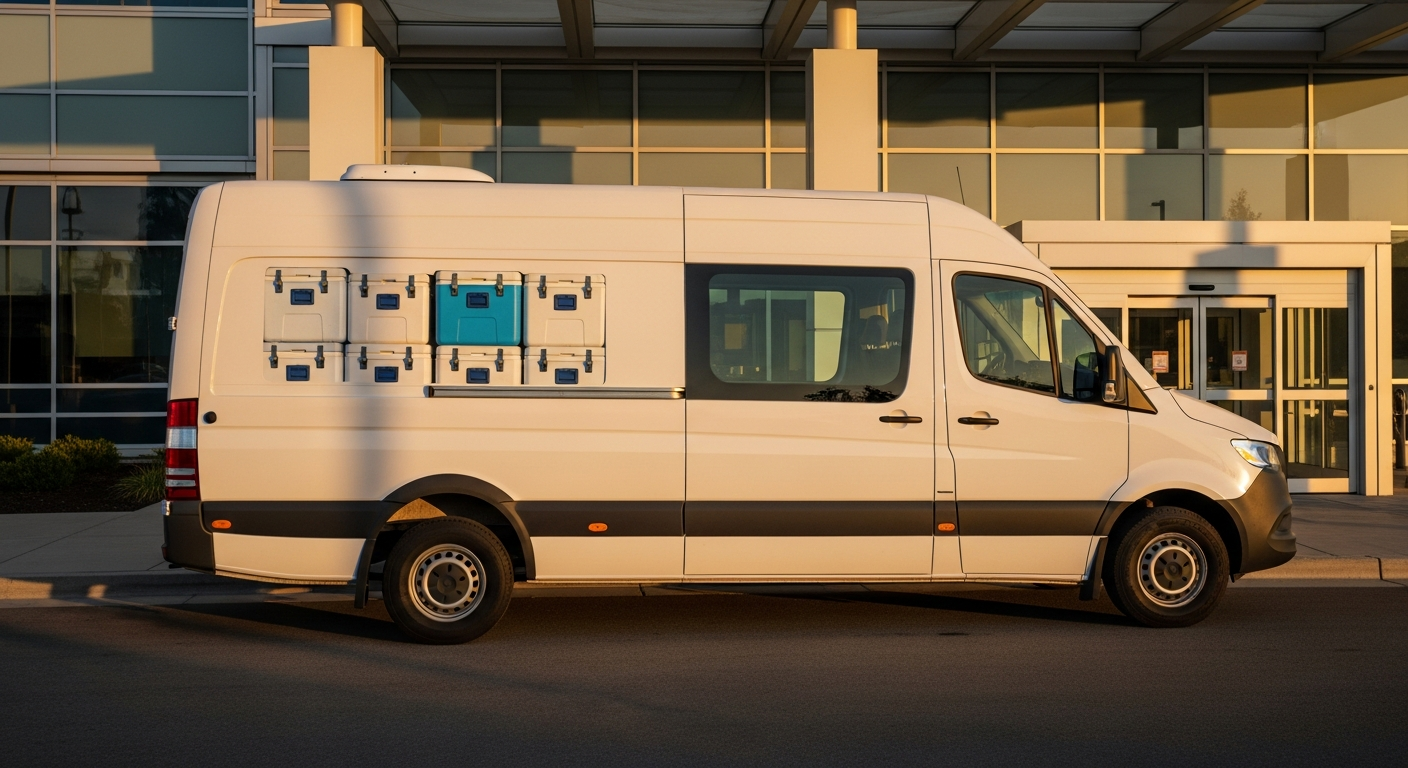
Medical courier services are one of the fastest-growing segments of the healthcare logistics industry. As hospitals, laboratories, and pharmacies rely on timely specimen and medication delivery, the demand for trained, certified medical couriers continues to rise. If you are considering a career in medical courier services, this comprehensive guide covers everything you need to know, from requirements and certifications to salary expectations and career growth.
What Is a Medical Courier?
A medical courier is a specialized delivery professional responsible for transporting time-sensitive and temperature-sensitive healthcare materials between medical facilities. Unlike standard delivery drivers, medical couriers handle biological specimens, laboratory samples, pharmaceuticals, medical records, surgical instruments, and other critical healthcare cargo.
Medical couriers serve a wide range of healthcare clients, including:
- Clinical and diagnostic laboratories
- Hospitals and health systems
- Retail and specialty pharmacies
- Blood banks and transfusion centers
- Fertility clinics and reproductive medicine facilities
- Pathology and radiology groups
The work requires strict adherence to chain-of-custody protocols, HIPAA compliance, and proper handling of a variety of medical materials.
Why the Medical Courier Industry Is Growing
Several factors are driving demand for qualified medical couriers across the United States:
- Expansion of outpatient care: More diagnostic testing happens outside hospitals, creating new delivery routes between clinics, labs, and reference laboratories.
- Growth in specialty pharmacy: Biologics, compounded medications, and controlled substances all require specialized courier handling with strict temperature and chain-of-custody requirements.
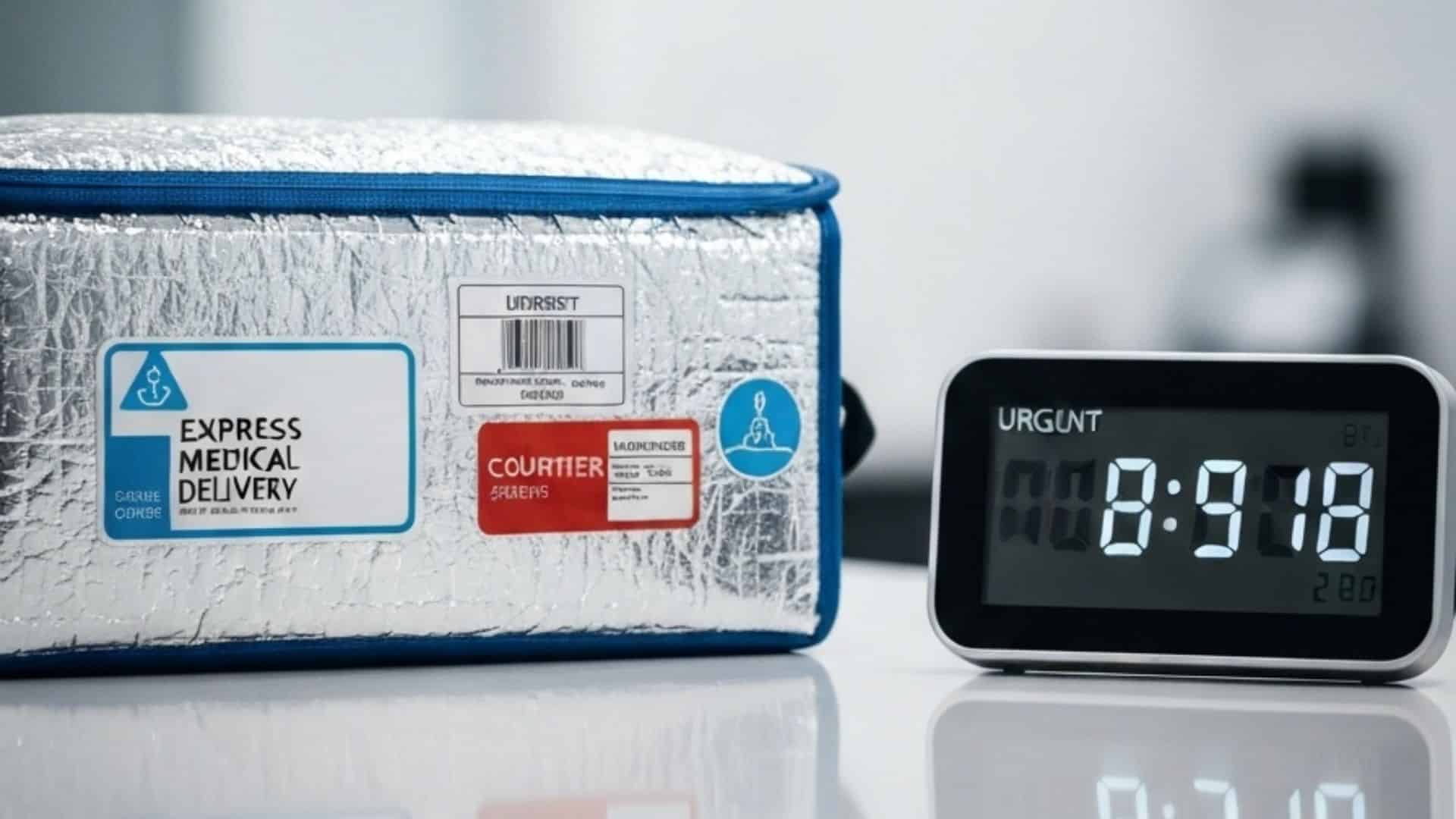
- Same-day and STAT delivery expectations: Healthcare providers increasingly expect STAT courier services and same-day medical delivery for specimens and medications.
- Regulatory compliance pressure: Facilities need couriers who understand HIPAA, OSHA, and DOT regulations rather than relying on general rideshare or gig-economy drivers.
- Aging population: An older population means more lab work, more prescriptions, and more demand for reliable medical logistics.
Requirements to Become a Medical Courier
Most medical courier companies require candidates to meet the following baseline qualifications:
Basic Requirements
- Valid driver’s license: A clean driving record is essential. Most companies review motor vehicle records going back three to five years.
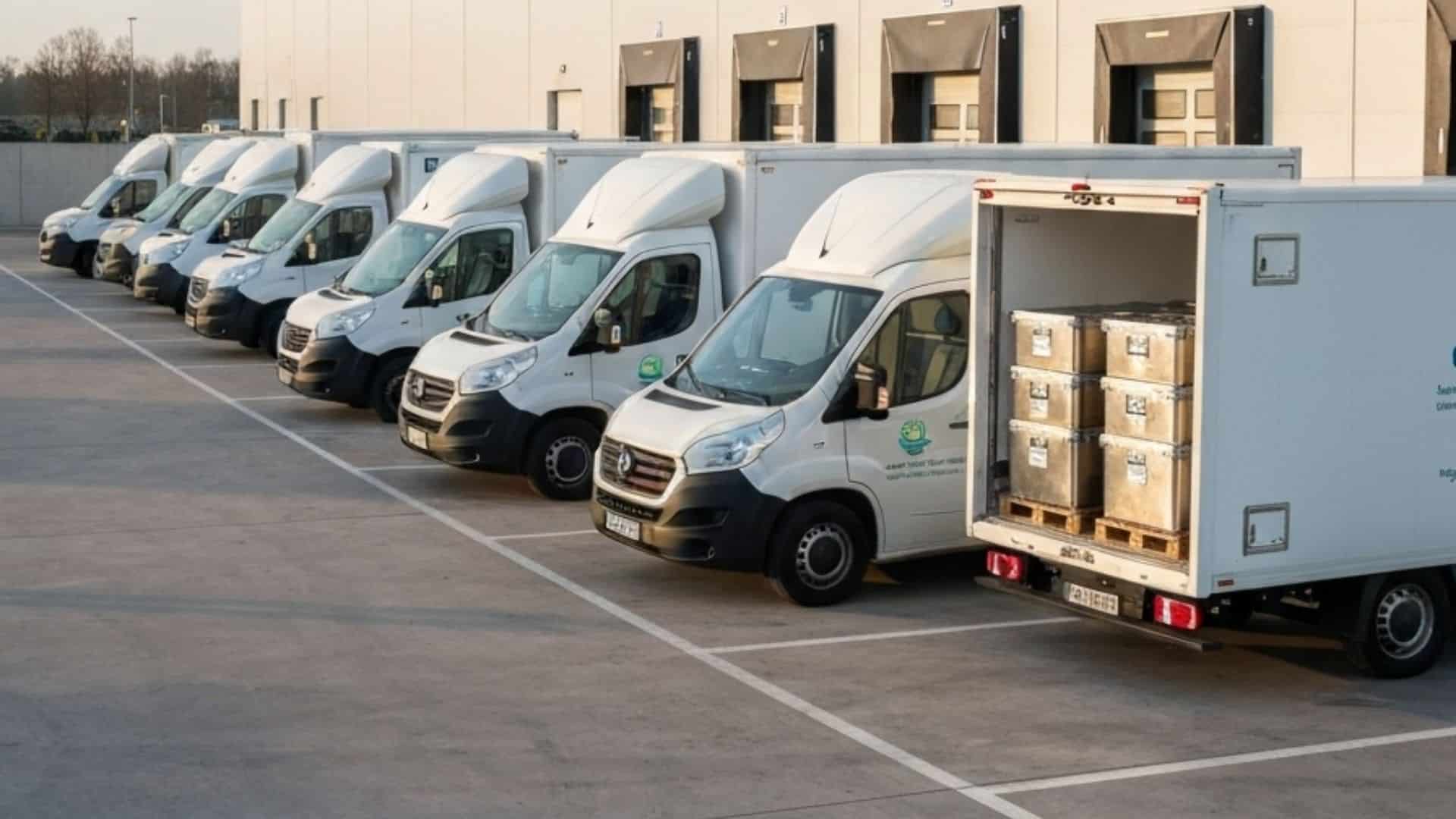
- Reliable vehicle: Many medical courier positions require you to provide your own vehicle. A mid-size sedan or SUV in good condition with adequate cargo space is typical.
- Auto insurance: You will need active personal auto insurance that meets state minimums. Some companies require commercial auto coverage.
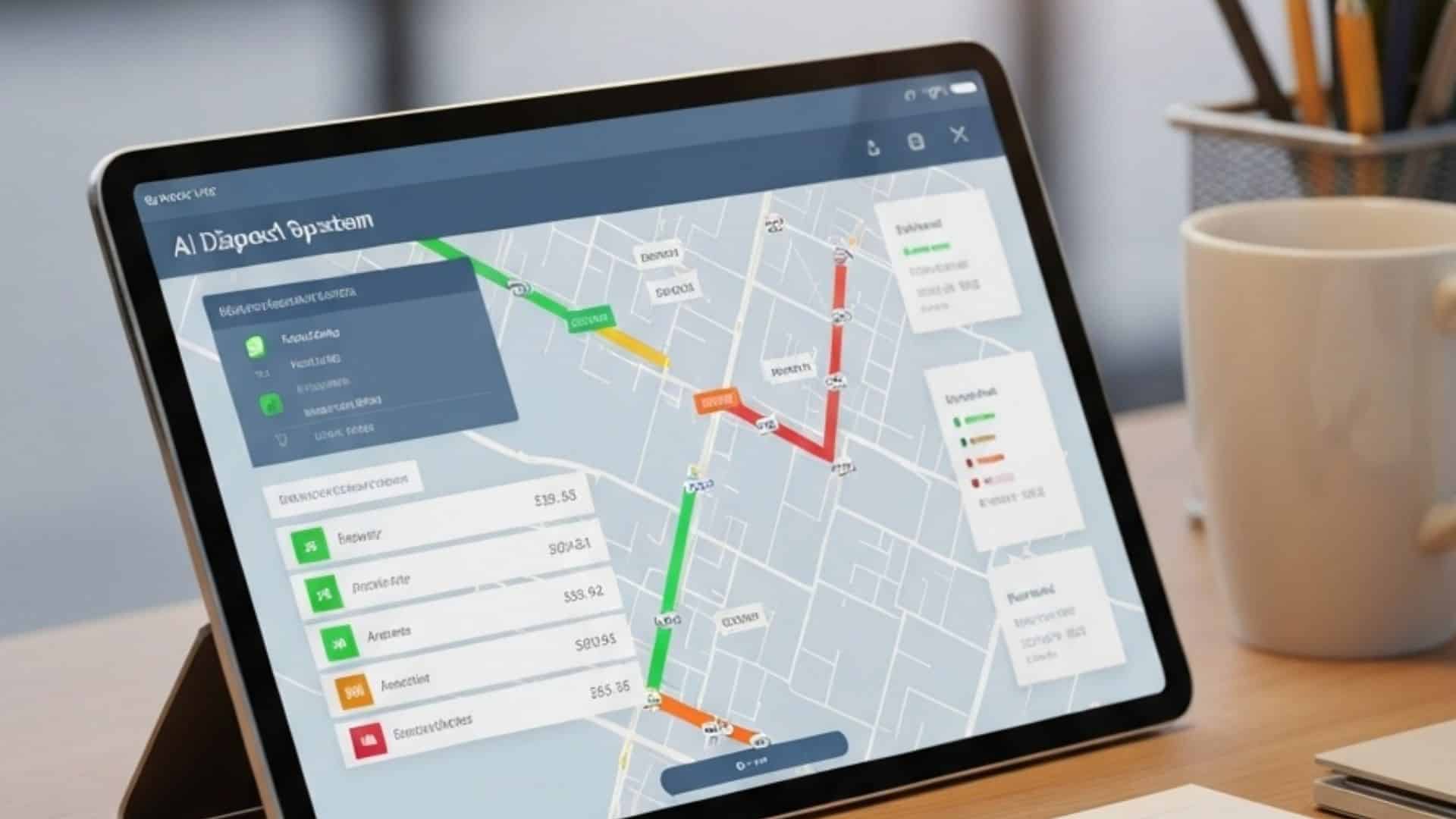
- Smartphone with GPS: Real-time navigation and route tracking are standard in the industry. You will use mobile apps for dispatch, proof of delivery, and communication.
- Background check: Healthcare facilities require couriers with clean criminal backgrounds. Expect a thorough screening process.
- Drug screening: Pre-employment and random drug testing is standard practice for medical couriers.
- Physical fitness: You should be able to lift and carry packages up to 50 pounds and spend long periods driving.
Preferred Qualifications
- High school diploma or GED
- Prior delivery or logistics experience
- Knowledge of medical terminology
- Familiarity with HIPAA and OSHA regulations
- Experience with temperature-controlled cargo
Certifications That Set You Apart
While not always required, earning relevant medical courier certifications significantly improves your employability and earning potential. Key certifications include:
- HIPAA Training Certification: Understanding the Health Insurance Portability and Accountability Act is non-negotiable. HIPAA training covers patient privacy, protected health information (PHI), and the courier’s role in maintaining confidentiality.
- OSHA Bloodborne Pathogens Training: Required for anyone who may come into contact with blood or other potentially infectious materials. This training covers exposure prevention, proper PPE use, and emergency procedures.
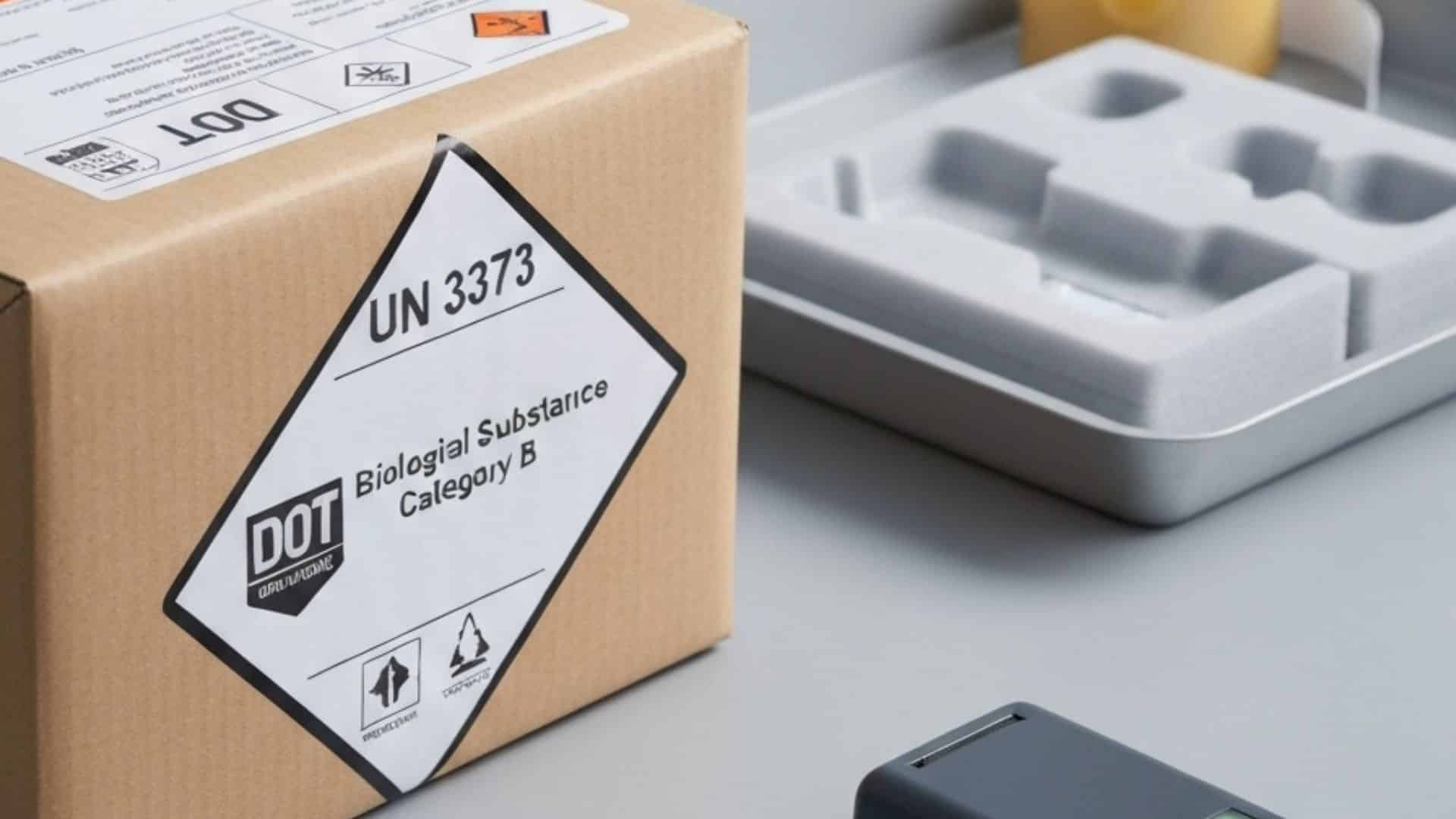
- DOT Hazardous Materials Training: If you transport Category A or Category B infectious substances, DOT training on proper packaging, labeling, and documentation is essential.
- Chain of Custody Certification: Demonstrates your understanding of specimen integrity, proper documentation, and handoff procedures that laboratories and hospitals require.
- Defensive Driving Course: Shows your commitment to safety and may qualify you for insurance discounts.
The best medical courier companies invest in ongoing training for their drivers. At carGO Health, every courier completes comprehensive certification before handling their first delivery.
Understanding Temperature-Controlled Medical Transport
One of the most critical skills for medical couriers is proper temperature-controlled transport. Different medical materials require specific temperature ranges:
- Ambient (15-25 degrees C): Medical records, surgical instruments, non-temperature-sensitive supplies
- Refrigerated (2-8 degrees C): Most laboratory specimens, certain pharmaceuticals, blood products, vaccines
- Frozen (-20 degrees C): Frozen plasma, certain biological samples, some medications
- Deep frozen / Dry ice (-78 degrees C): Molecular and genetic specimens, certain research materials
- Cryogenic (-196 degrees C): Reproductive specimens, stem cells, certain research materials stored in liquid nitrogen
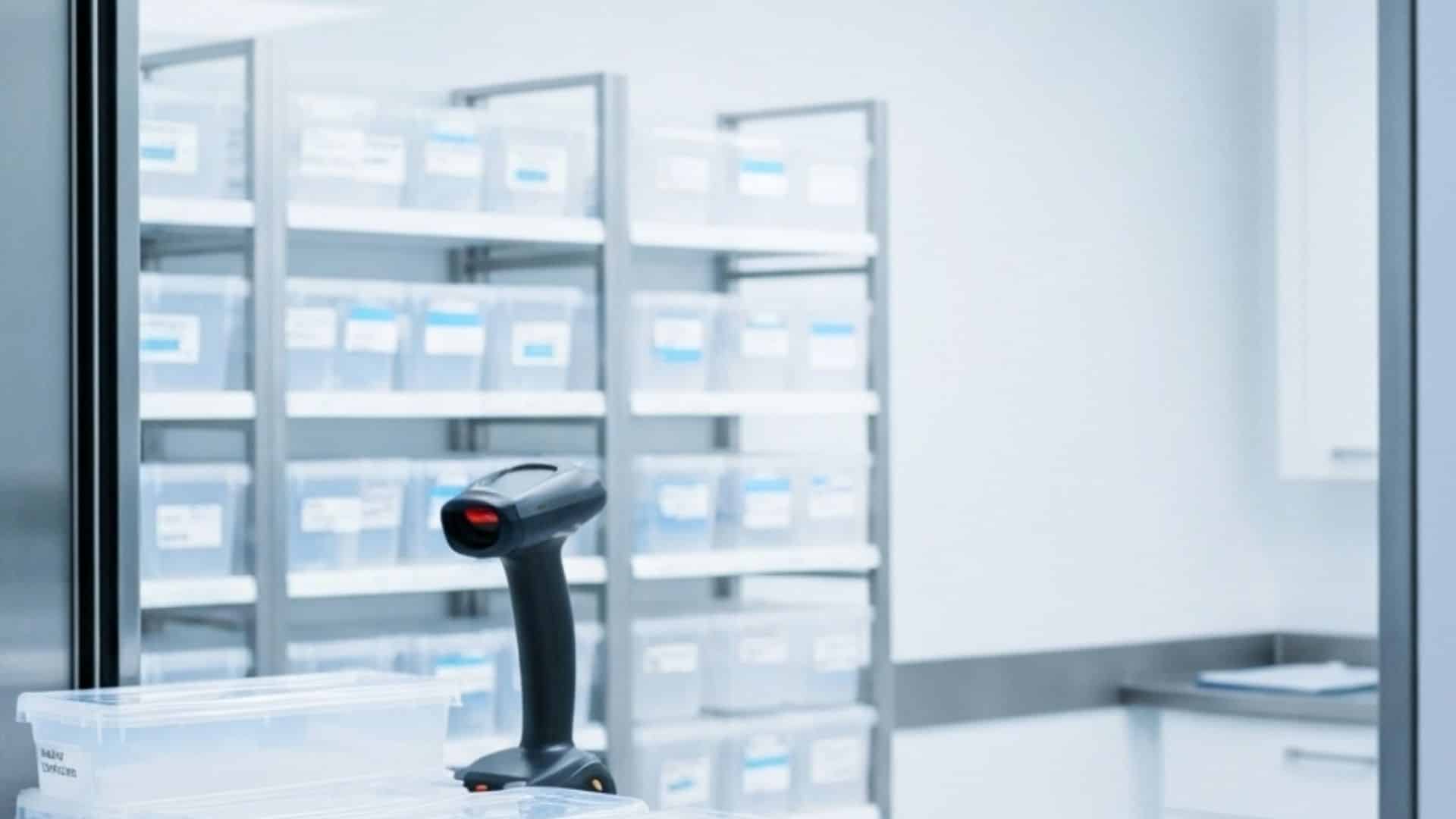
Understanding how to use insulated containers, gel packs, dry ice, and data loggers is fundamental to the role. Temperature excursions can render specimens useless and compromise patient care.
What a Typical Day Looks Like
A medical courier’s day varies depending on the type of routes and clients served. Here is a general overview:
- Morning (6:00-8:00 AM): Check dispatch app for route assignments. Inspect vehicle and verify that coolers, gel packs, and supplies are stocked and at the correct temperature.
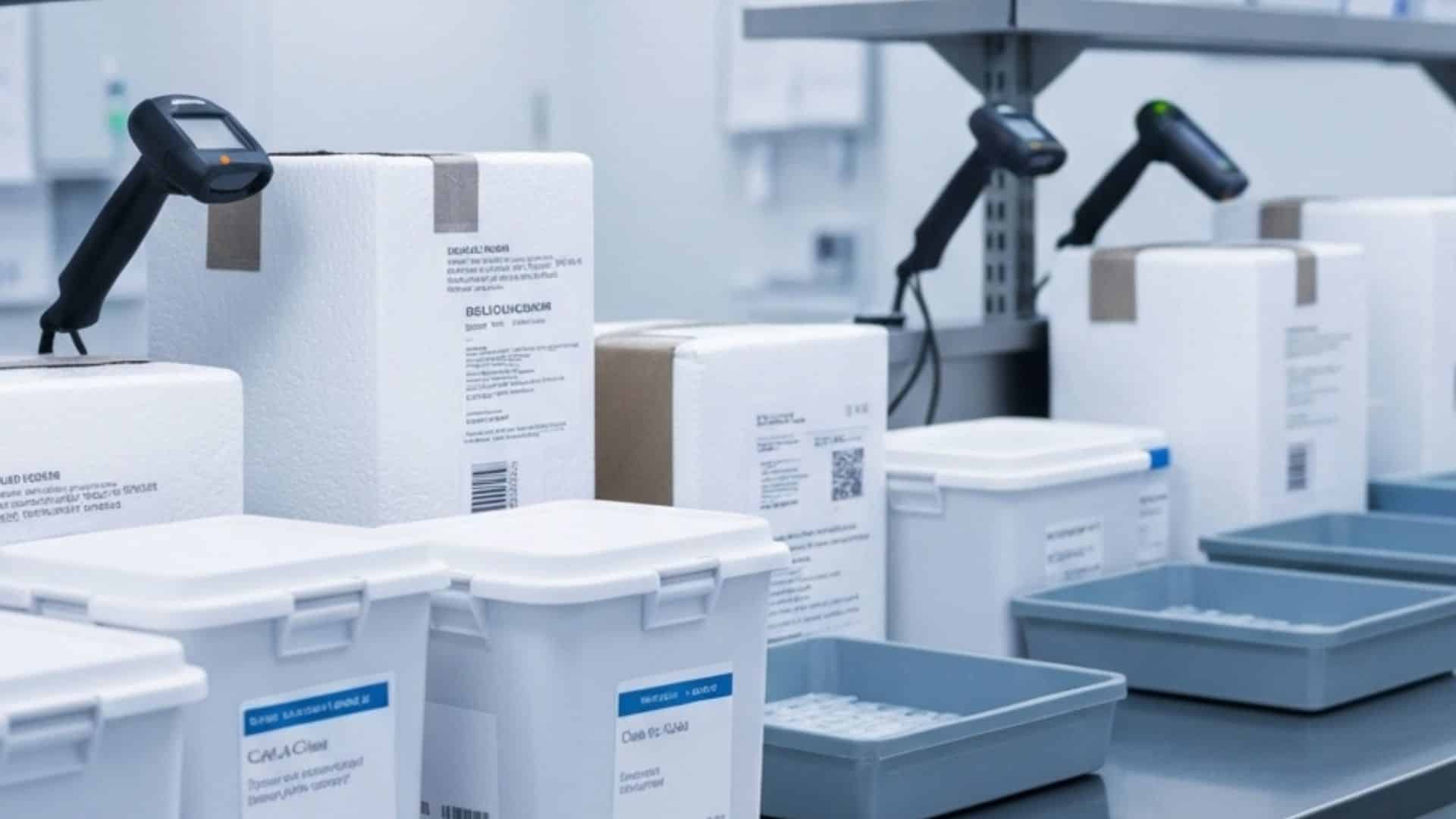
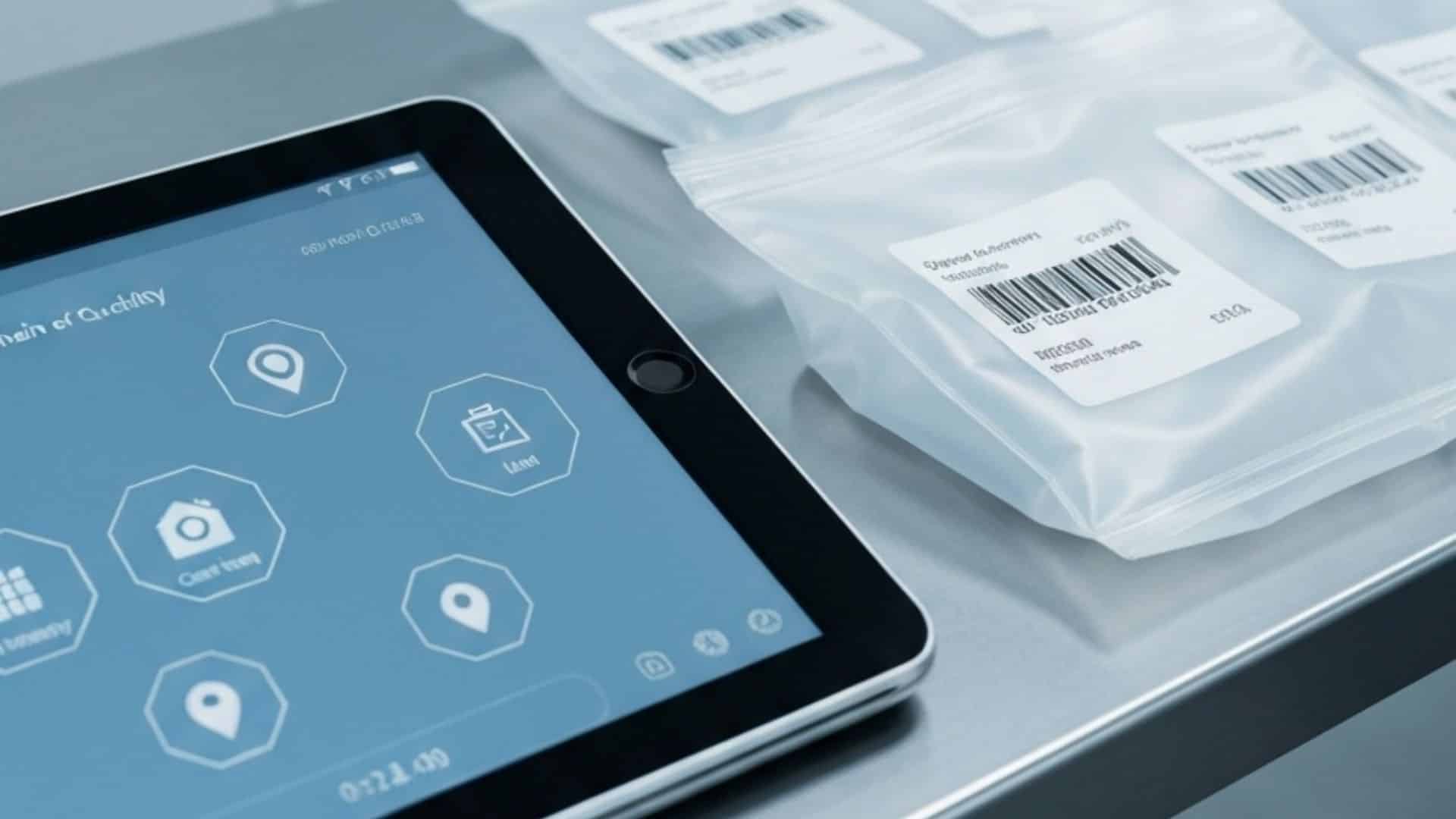
- Mid-morning (8:00 AM-12:00 PM): Execute scheduled pickups from physician offices, clinics, and outpatient facilities. Verify specimen labels, scan barcodes, and maintain chain of custody documentation.
- Afternoon (12:00-4:00 PM): Complete deliveries to reference laboratories, hospitals, and pharmacies. Handle any STAT or on-demand requests that come through dispatch.
- Late afternoon (4:00-6:00 PM): Final pickups from late-closing facilities. Deliver specimens to evening lab processing teams. Complete end-of-day reporting.
Some couriers work overnight or weekend shifts, particularly those serving hospitals and emergency departments that operate 24/7.
Salary and Earning Potential
Medical courier compensation varies based on experience, location, and employment type:
- Entry-level medical couriers: $15-$20 per hour, or $32,000-$42,000 annually
- Experienced medical couriers: $20-$28 per hour, or $42,000-$58,000 annually
- Senior or lead couriers: $28-$35 per hour, or $58,000-$72,000 annually
- Independent contractors: Earnings vary widely based on route density and volume, but experienced ICs in metro areas can earn $50,000-$75,000+ annually
Factors that increase earning potential include:
- Working in high-demand metropolitan areas like New York City
- Holding multiple certifications
- Willingness to work nights, weekends, and holidays
- Experience with specialized cargo such as blood products or reproductive specimens
- Strong performance metrics and reliability record
Career Growth and Advancement
Medical courier work offers several paths for career advancement:
- Route lead or team lead: Supervise a team of couriers covering a geographic region. Responsible for training, quality control, and client relationships.
- Dispatch and logistics coordinator: Transition into operations, managing route optimization, driver scheduling, and real-time problem-solving.
- Account manager: Leverage your field experience to manage client accounts, onboard new facilities, and expand service relationships.
- Operations manager: Oversee an entire regional operation, including fleet management, compliance, hiring, and performance metrics.
- Start your own courier company: Many successful medical courier company owners started as drivers. Understanding the field from the ground up is invaluable.
How to Get Started Today
Ready to launch your career as a medical courier? Follow these steps:
- Evaluate your qualifications. Make sure you meet the basic requirements: clean driving record, reliable vehicle, and willingness to pass a background check and drug screening.
- Get certified. Complete HIPAA and OSHA bloodborne pathogens training at a minimum. These certifications are affordable and can often be completed online in a single day. Learn more about medical courier certification requirements.
- Research companies in your area. Look for established medical courier companies that invest in driver training, offer competitive pay, and serve reputable healthcare clients.
- Apply to multiple companies. The hiring process typically includes an application, interview, background check, drug screen, and training period. Apply broadly to increase your options.
- Start building your reputation. Reliability, professionalism, and attention to detail are the three qualities that separate great medical couriers from average ones. Your reputation is your most valuable asset.
If you are in the New York, New Jersey, or Connecticut area, carGO Health is always looking for dedicated medical couriers to join our team. Visit our careers page to see current openings.
Frequently Asked Questions
Do I need a CDL to be a medical courier?
No. Most medical courier positions use standard passenger vehicles and do not require a commercial driver’s license. A valid state driver’s license with a clean record is sufficient for the majority of medical courier roles.
Is medical courier work considered healthcare employment?
Yes. Medical couriers are part of the healthcare supply chain and are subject to healthcare regulations including HIPAA and OSHA standards. Many medical courier positions offer benefits comparable to other healthcare support roles.
Can I work as a medical courier part-time?
Many medical courier companies offer part-time, per diem, and flexible scheduling options. Weekend and evening shifts are often available for couriers who want supplemental income alongside other work.
What happens if a specimen is damaged or a delivery is late?
Proper training minimizes these risks, but when issues occur, couriers must follow established protocols for reporting and documentation. Damaged specimens may need to be recollected, and late deliveries can affect patient care. This is why reliability and proper handling procedures are taken so seriously in the industry.
How is medical courier work different from food delivery or package delivery?
Medical couriers handle regulated, time-sensitive healthcare materials that directly impact patient outcomes. The work requires specific certifications, strict chain-of-custody documentation, temperature monitoring, and compliance with federal healthcare regulations. The stakes are significantly higher than standard delivery work, and the compensation reflects that responsibility.
Related Resources