Medical Supply Delivery: A Complete Guide for Healthcare Providers
Updated April 2026 — reviewed and refreshed by carGO Health editorial team.
Medical supply delivery is the operational backbone of every healthcare facility, yet it remains one of the most underestimated components of clinical operations. Every diagnosis, treatment, surgical procedure, and patient discharge depends on the right materials arriving at the right place, in the right condition, at the right time. When a laboratory specimen degrades in transit, when a surgical instrument arrives late, when a pharmaceutical loses its cold chain integrity, or when blood products are delayed, the consequences extend far beyond logistics. They directly affect patient outcomes, clinical workflows, and regulatory compliance.
For healthcare providers managing complex supply chains across multiple facilities, understanding the full landscape of medical supply delivery, from the types of materials transported and the delivery modes available to the compliance requirements and technology infrastructure that modern medical supply transportation services demand, is essential to building a logistics operation that supports rather than constrains clinical care. This guide provides that comprehensive understanding, with practical guidance on evaluating and selecting a medical courier partner that meets the rigor healthcare logistics requires.
1. Types of Medical Supplies That Require Specialized Delivery
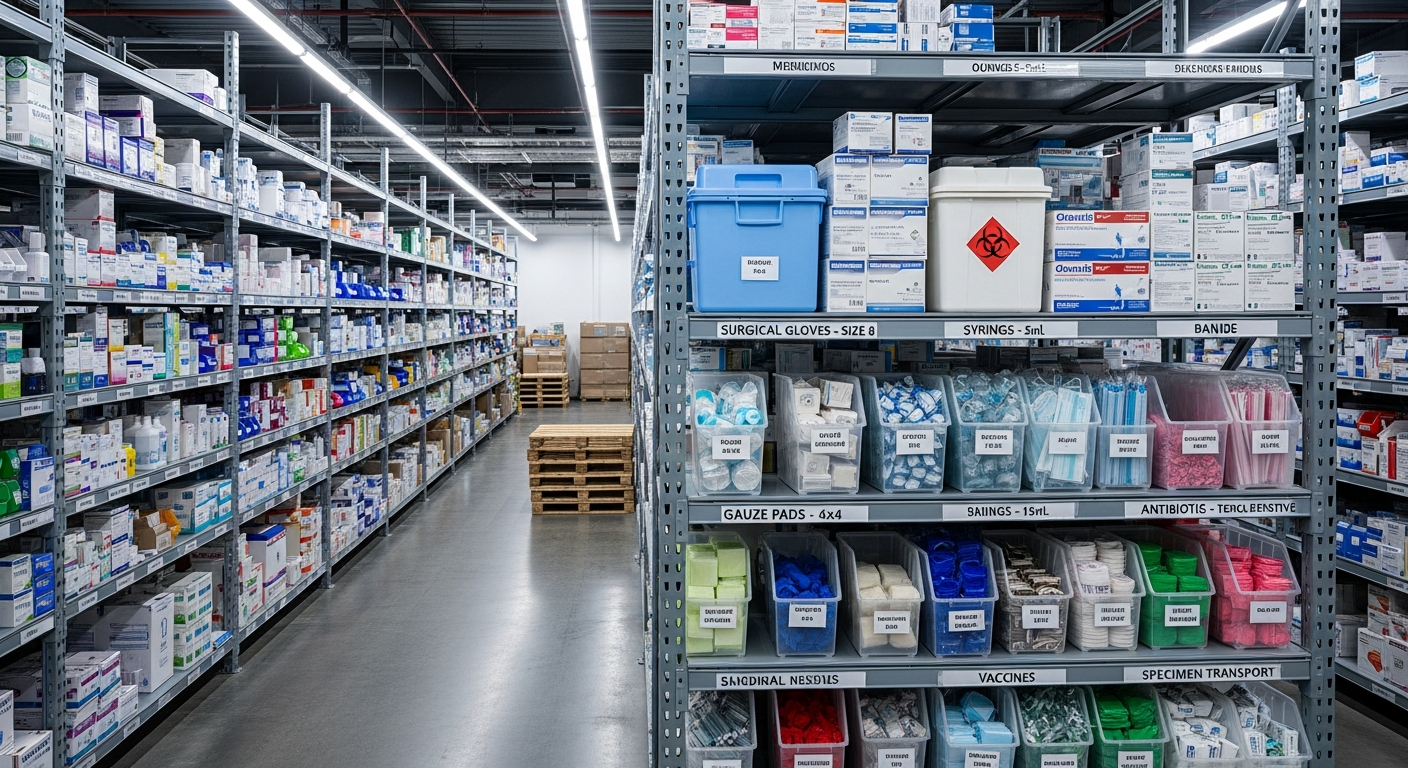
The term “medical supply delivery” encompasses an enormous range of materials, each with distinct handling, packaging, temperature, and compliance requirements. Healthcare providers who treat all medical logistics as a single category risk applying insufficient controls to high-risk materials or unnecessary overhead to low-risk ones. Understanding the categories and their specific requirements is the first step toward building an effective medical supplies transport operation.
Biological Specimens
Specimen transport is among the most compliance-intensive categories of medical supply delivery. Blood samples, urine specimens, tissue biopsies, cytology preparations, and microbiology cultures each have specific temperature, timing, and packaging requirements. A blood culture that is not maintained at the correct temperature produces unreliable results. A cytology specimen that exceeds its stability window becomes diagnostically useless. According to the National Institutes of Health, pre-analytical errors, many of which originate during transport, account for up to 70% of all laboratory errors. Proper handling during medical supply delivery is therefore a direct clinical quality issue, not merely a logistics concern.
Healthcare providers working with outreach laboratory programs or multi-site collection networks need courier partners who understand pre-analytical error prevention and can maintain specimen integrity from collection site to laboratory. This includes proper packaging in UN3373-compliant containers, temperature maintenance throughout transit, and chain of custody documentation at every handoff.
Pharmaceuticals and Medications
Pharmaceutical delivery spans everything from routine medication refills to time-critical specialty drugs, controlled substances, and compounded preparations. Many pharmaceuticals require strict temperature control: vaccines must remain within narrow ranges defined by CDC guidelines, biologics require refrigerated transport, and certain chemotherapy agents demand precise temperature management throughout the supply chain. The CDC’s Vaccine Storage and Handling Toolkit provides detailed guidance on temperature requirements that medical supply delivery companies must satisfy.
For pharmacies and health systems delivering discharge medications, specialty prescriptions, or infusion supplies to patients, the delivery operation must also satisfy state pharmacy board regulations, DEA requirements for controlled substances, and patient privacy requirements under HIPAA. A comprehensive medical courier service addresses all of these requirements within a unified delivery operation.
Blood Products and Biologics
Blood products, including packed red blood cells, platelets, plasma, and cryoprecipitate, represent some of the most time-sensitive and temperature-critical materials in healthcare logistics. Red blood cells must be maintained at 1-6 degrees Celsius, platelets require constant gentle agitation at 20-24 degrees Celsius, and frozen plasma must remain below -18 degrees Celsius until thaw. Any deviation from these requirements can render the product unusable or, worse, dangerous to the recipient.
Delivering blood products requires specialized training, validated transport containers, continuous temperature monitoring, and documented cold chain logistics protocols. The courier must understand that a temperature excursion is not a minor incident but a patient safety event that requires immediate escalation.
Medical Equipment and Surgical Supplies
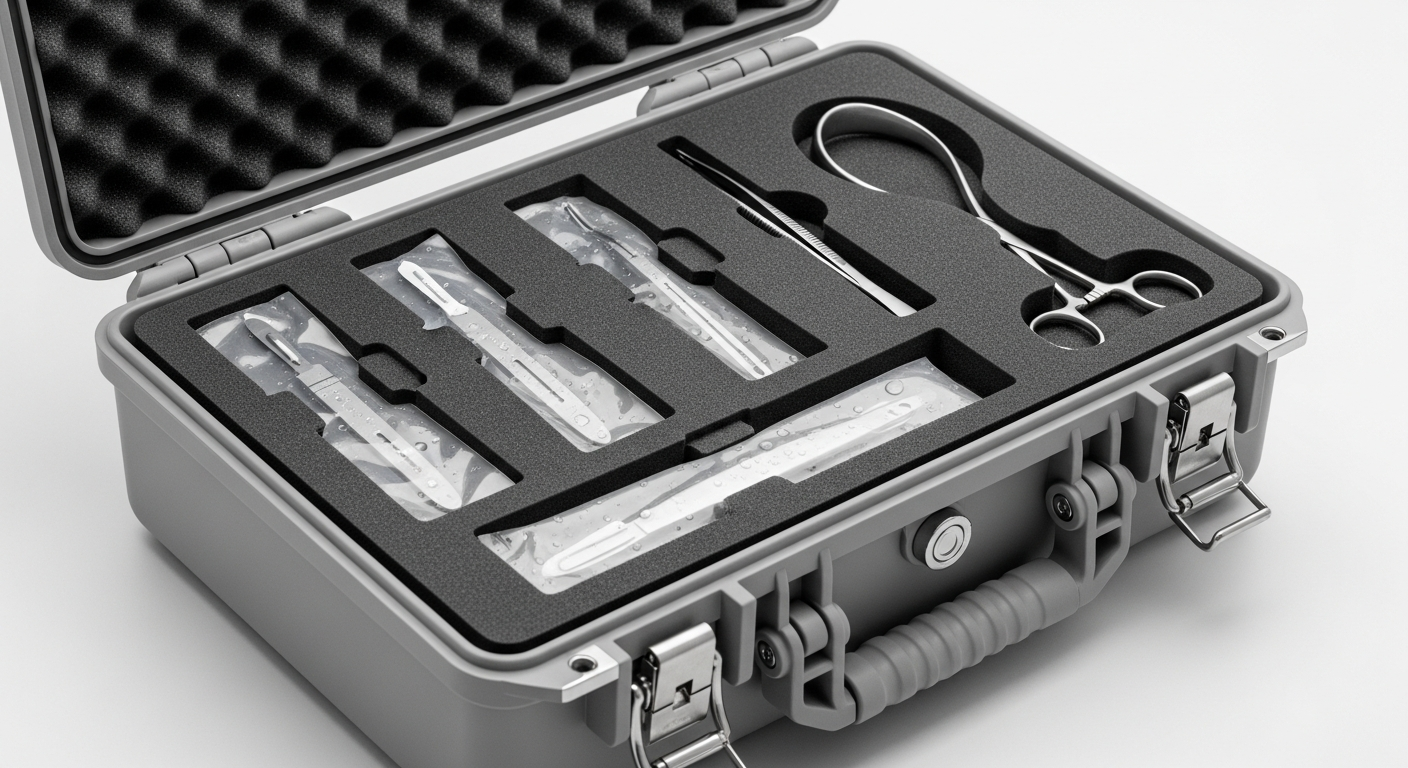
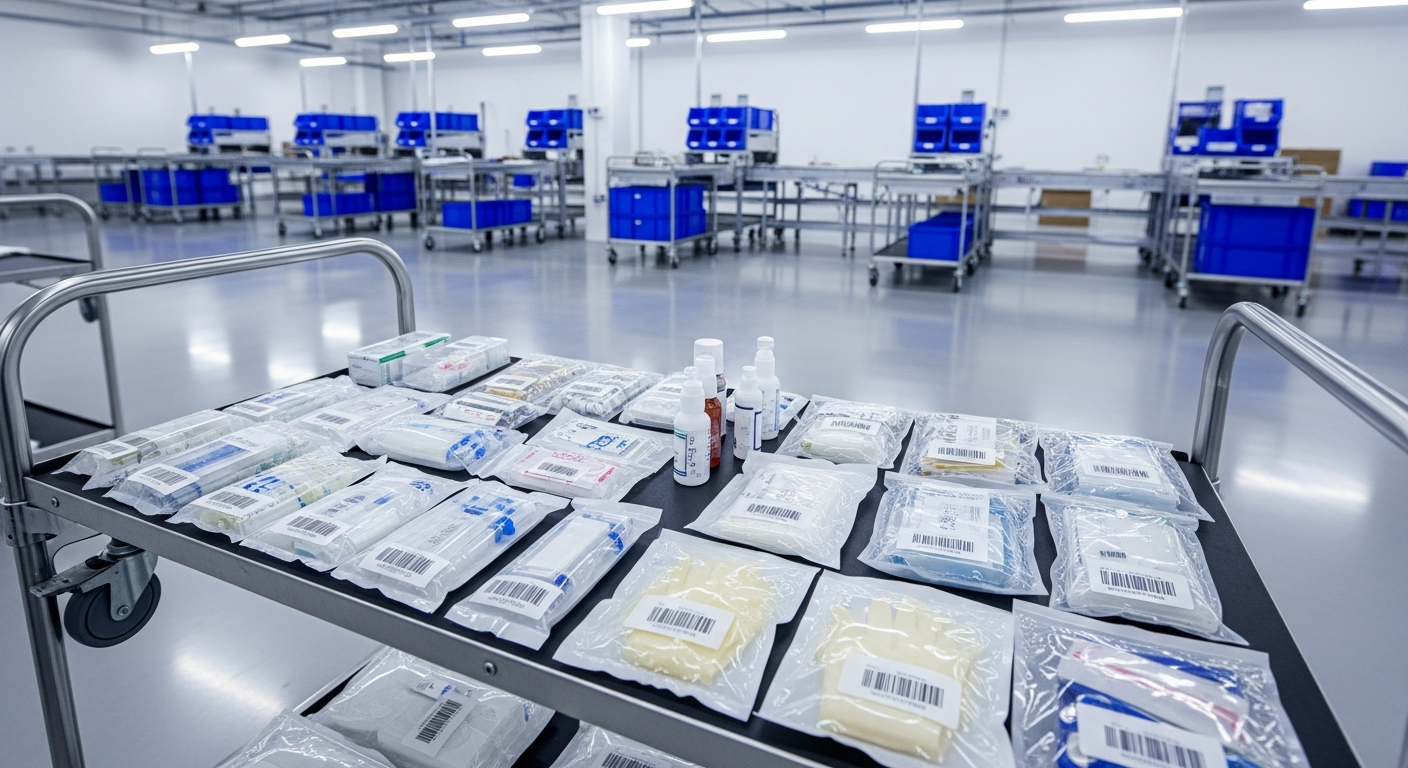
Medical equipment transport includes everything from portable diagnostic devices and durable medical equipment to sterile surgical instruments, implants, and prosthetics. Sterile supplies require packaging integrity to prevent contamination. Fragile diagnostic equipment requires vibration protection and careful handling. Surgical instruments loaned between facilities for specific procedures require precise timing to avoid surgical delays or cancellations.
Healthcare providers should evaluate their courier partner’s capability to handle medical equipment transport with the same rigor applied to specimen and pharmaceutical delivery. Equipment that arrives damaged, contaminated, or late creates clinical disruptions that ripple through surgical schedules and patient care plans.
Categories of Medical Supplies and Key Requirements:
- Biological specimens: UN3373 packaging, temperature control, chain of custody, stability-window compliance
- Pharmaceuticals: Temperature monitoring, state pharmacy board compliance, DEA controls for scheduled substances
- Blood products: Validated transport containers, continuous temperature logging, immediate excursion escalation
- Medical equipment: Vibration protection, sterile barrier integrity, precise scheduling for loaner instruments
- Documents and records: HIPAA-compliant transport, chain of custody, secure handling procedures
2. Medical Supply Delivery Modes: STAT, Same-Day, Scheduled, and Routed
Not every medical supply delivery carries the same urgency, and applying a single delivery mode to all materials is both operationally inefficient and clinically inappropriate. Effective medical supply delivery companies offer multiple delivery modes that healthcare providers can match to the urgency, volume, and nature of each shipment.
STAT Delivery
STAT deliveries are the highest-priority transport mode, reserved for materials where delay directly threatens patient outcomes. Surgical specimens awaiting frozen section analysis, emergency blood products, transplant-related materials, and time-critical diagnostic specimens all require STAT handling. STAT medical supply delivery means a courier is dispatched immediately upon request, travels directly to the pickup location, and delivers directly to the destination without intermediate stops.
The capability to deliver medical supplies on a STAT basis requires 24/7/365 dispatch availability, a network of couriers positioned throughout the service area, and AI-powered dispatch technology that identifies the nearest available qualified courier and optimizes the route in real time. carGO Health’s dispatch platform processes STAT requests and assigns couriers within minutes, ensuring that time-critical materials reach their destination as fast as physically possible.
Same-Day Delivery
Same-day delivery serves the large middle ground between STAT urgency and routine scheduling. Outpatient laboratory specimens collected in the morning that need to reach the reference laboratory by afternoon, pharmacy orders that need to arrive before end of business, and equipment transfers between facilities that must be completed within a single workday all fit this category. Same-day delivery allows for modest batching and route optimization without compromising the clinical timeline.
Scheduled and Routed Delivery
Scheduled and routed deliveries are the workhorses of medical supply logistics. Recurring routes that pick up specimens from physician offices on a fixed schedule, daily pharmacy restocking deliveries to satellite clinics, and regular equipment redistribution between facilities all benefit from scheduled service. Routed delivery allows for significant efficiency gains through optimized multi-stop routes, predictable staffing, and reduced per-delivery costs.
The most effective medical supply delivery operations use a combination of all four modes, with on-demand and scheduled delivery capabilities managed through a single platform. This unified approach ensures that STAT requests are handled with immediate urgency while routine scheduled deliveries are optimized for cost efficiency, all under the same compliance and quality standards.
Delivery Mode Comparison:
- STAT: Immediate dispatch, direct point-to-point, 24/7 availability, highest priority for life-threatening or time-critical materials
- Same-day: Pickup and delivery within a single business day, moderate batching allowed, suitable for urgent but non-emergent materials
- Scheduled: Pre-arranged delivery at specific times, ideal for recurring transfers and predictable supply needs
- Routed: Multi-stop optimized routes on fixed schedules, most cost-efficient for high-volume recurring pickups and deliveries
3. Compliance Requirements for Medical Supply Delivery
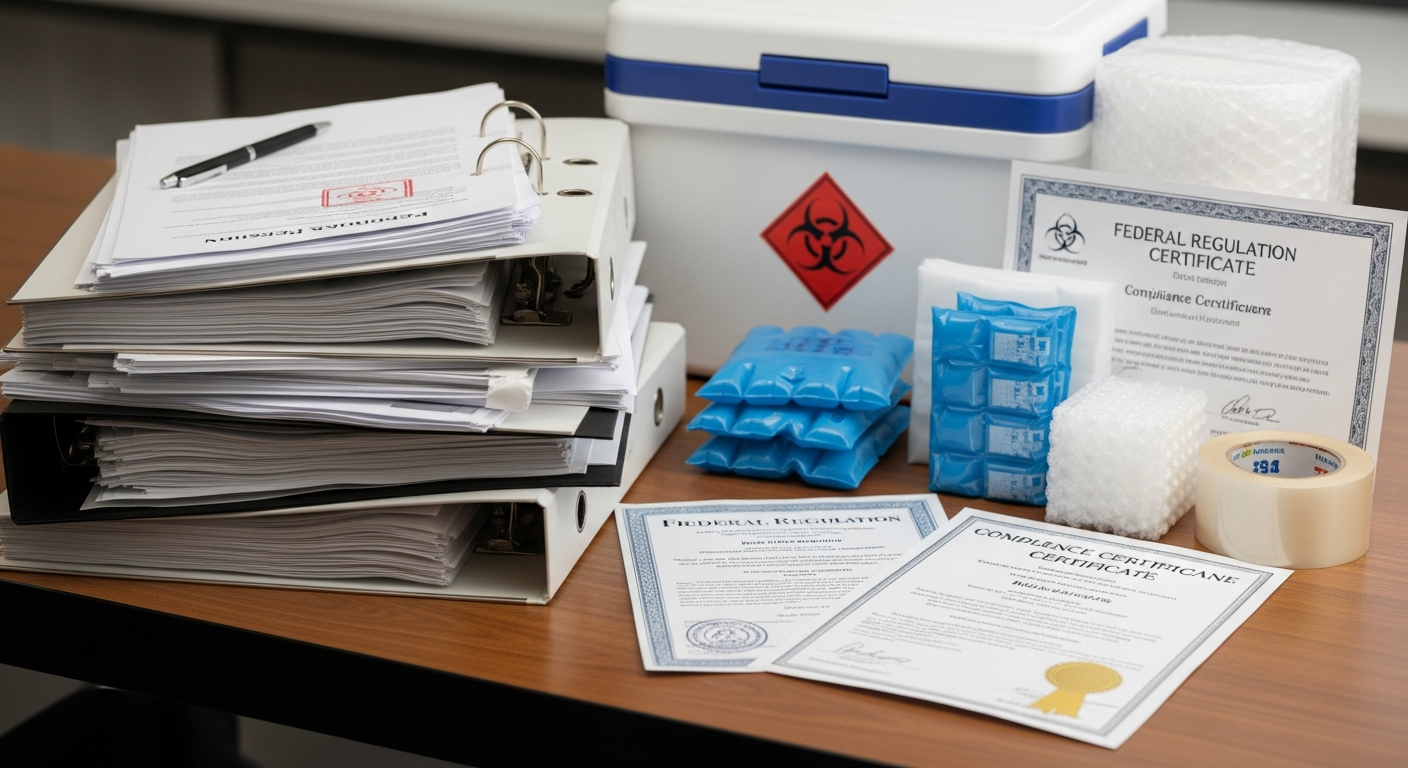
Medical supply delivery operates under a regulatory framework that is substantially more demanding than general logistics. Healthcare providers are ultimately responsible for ensuring that their logistics partners satisfy these requirements, and regulatory agencies hold facilities accountable for transport-related failures even when those failures originate with a third-party courier.
HIPAA compliance is a baseline requirement for any medical supply delivery operation. Any material that contains or is associated with protected health information, which includes labeled specimens, patient medication orders, medical records, and many types of medical devices, must be handled by couriers who are trained in HIPAA privacy and security requirements. A HIPAA-compliant medical courier maintains documented training records, implements secure handling procedures, and has incident response protocols for potential breaches.
OSHA requirements under the Bloodborne Pathogens Standard apply to couriers who handle biological specimens and other materials that may contain blood or other potentially infectious materials. Couriers must receive initial and annual refresher training, use appropriate PPE, follow safe handling procedures, and have access to post-exposure medical evaluation. Ensuring HIPAA and OSHA compliance in medical deliveries is not a one-time certification exercise but an ongoing operational requirement.
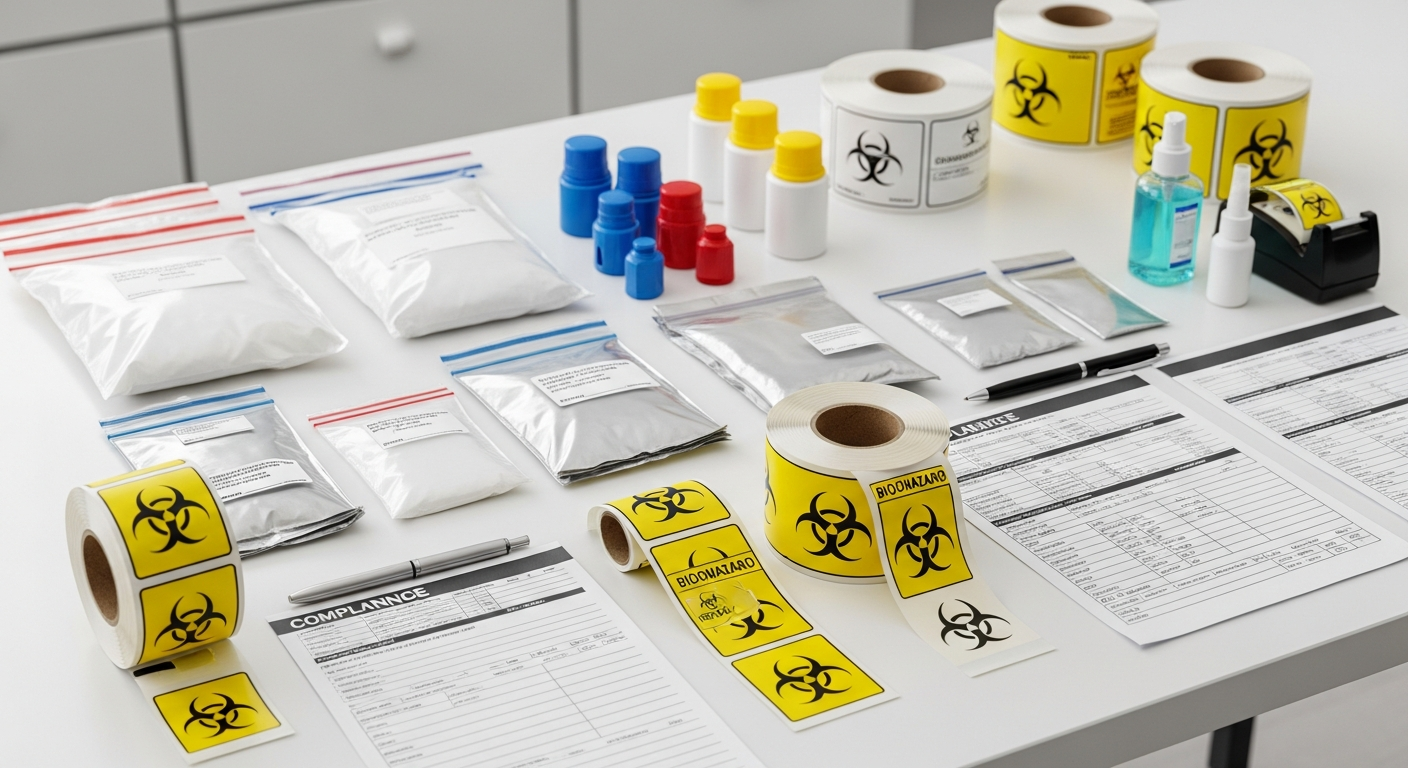
DOT regulations under 49 CFR Parts 171-180 govern the transport of hazardous materials, including diagnostic specimens classified as Category B infectious substances (UN3373) and materials requiring dry ice (UN1845). The Electronic Code of Federal Regulations details the packaging, labeling, and documentation requirements that medical supply delivery companies must satisfy for regulated materials.
State-level regulations add jurisdiction-specific requirements that vary across the Northeast. New York, New Jersey, Connecticut, and other states in carGO Health’s service area each maintain their own requirements around courier licensing, vehicle standards, and transport documentation. Healthcare providers operating across multiple states need logistics partners who maintain compliance across every jurisdiction, which is why carGO Health ensures its courier network meets the regulatory requirements across NY, NJ, CT, MA, VT, NH, Eastern PA, DE, MD, and VA.
Compliance Framework for Medical Supply Delivery:
- HIPAA: Privacy and security safeguards for all materials containing or associated with protected health information
- OSHA: Bloodborne Pathogen Standard training, PPE requirements, and exposure control plans for specimen handling
- DOT/PHMSA: Packaging, labeling, and documentation for Category B specimens and dry ice shipments
- FDA: Good Distribution Practice requirements for pharmaceutical and biologic transport
- State pharmacy boards: Jurisdiction-specific requirements for medication delivery and controlled substance transport
- AABB standards: Requirements for blood product transport, including temperature validation and documentation
4. Temperature Control and Cold Chain Integrity in Medical Supply Delivery
Temperature control is not an optional enhancement for medical supply delivery. It is a clinical and regulatory requirement for a substantial portion of healthcare materials. Vaccines, biologics, blood products, many diagnostic specimens, and numerous pharmaceuticals all require transport within specific temperature ranges. A single temperature excursion can render a product clinically useless or create a patient safety risk that results in regulatory action.
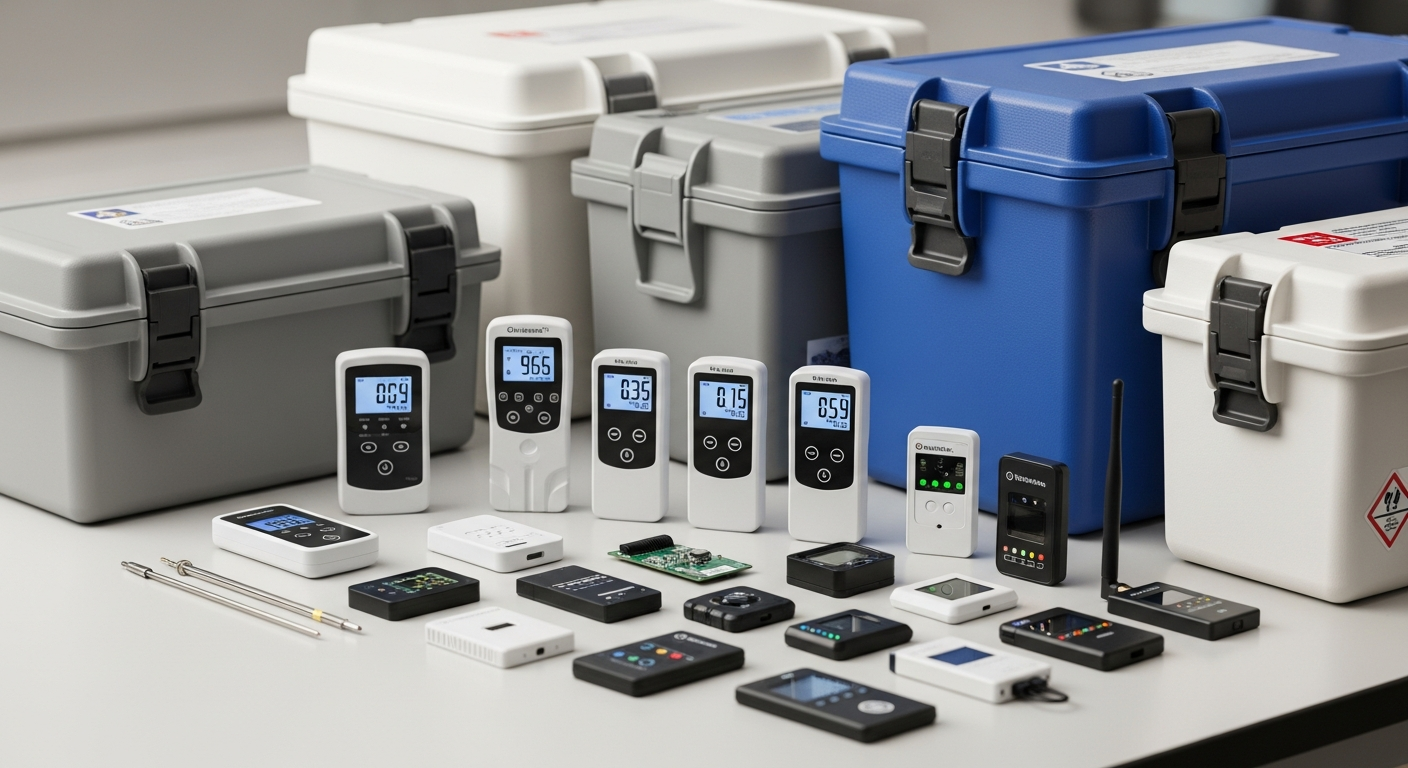
The cold chain logistics challenges in healthcare are significant. Unlike pharmaceutical manufacturers and distributors who operate in controlled warehouse environments, medical supply delivery occurs in vehicles that are exposed to ambient temperature fluctuations, traffic delays, and variable conditions at pickup and delivery locations. Maintaining cold chain integrity under these conditions requires validated transport containers, calibrated temperature monitoring devices, and trained couriers who understand the consequences of temperature excursions.
Effective temperature management in medical supply delivery requires a layered approach. The first layer is validated packaging: insulated containers, gel packs, and phase-change materials that maintain the required temperature range for the expected transit duration plus a safety margin. The second layer is continuous monitoring: digital temperature loggers that record conditions throughout transit and trigger alerts when temperatures approach excursion thresholds. The third layer is trained personnel: couriers who check temperature indicators at pickup, monitor conditions during transit, and verify temperature compliance at delivery.
carGO Health integrates temperature monitoring into its real-time tracking platform, providing healthcare providers with continuous visibility into the temperature conditions of their materials throughout transit. This integration means that temperature data becomes part of the delivery record, providing documentation for regulatory compliance and quality assurance purposes.
Temperature Ranges for Common Medical Materials:
- Ambient (15-25 degrees C): Routine laboratory specimens, most non-temperature-sensitive medications, medical documents
- Refrigerated (2-8 degrees C): Vaccines, many biologics, certain diagnostic reagents, some blood components
- Frozen (-20 degrees C): Frozen plasma, certain pharmaceutical compounds, some research specimens
- Deep frozen (-70 degrees C and below): Certain biologics, specialized research materials, some gene therapy products
- Body temperature (20-24 degrees C with agitation): Platelet components requiring constant gentle movement
5. How to Choose the Right Medical Supply Delivery Provider
Selecting a medical supply delivery provider is a decision that directly impacts clinical quality, patient safety, and operational efficiency. The evaluation process should be systematic and thorough, assessing capabilities that go far beyond delivery speed and price per trip.
Specialized Healthcare Experience
The most important criterion is healthcare specialization. General logistics companies, regardless of their size and efficiency in package delivery, lack the training, equipment, compliance infrastructure, and clinical understanding that medical supply delivery demands. Look for medical supply delivery companies that focus exclusively on healthcare logistics and can demonstrate a track record with comparable healthcare organizations. Consider the benefits of outsourcing to a specialized medical courier versus attempting to manage logistics in-house or through a general carrier.
Technology Platform and Visibility
Modern medical supply delivery requires a technology infrastructure that provides real-time visibility, automated documentation, and data-driven optimization. Evaluate whether the provider’s technology platform offers GPS tracking for all active deliveries, electronic proof of delivery with timestamps and signatures, temperature monitoring integration, automated exception alerting, and a client portal for real-time status visibility. The platform should also support specimen rejection rate reduction through quality monitoring and analytics.
Compliance Infrastructure
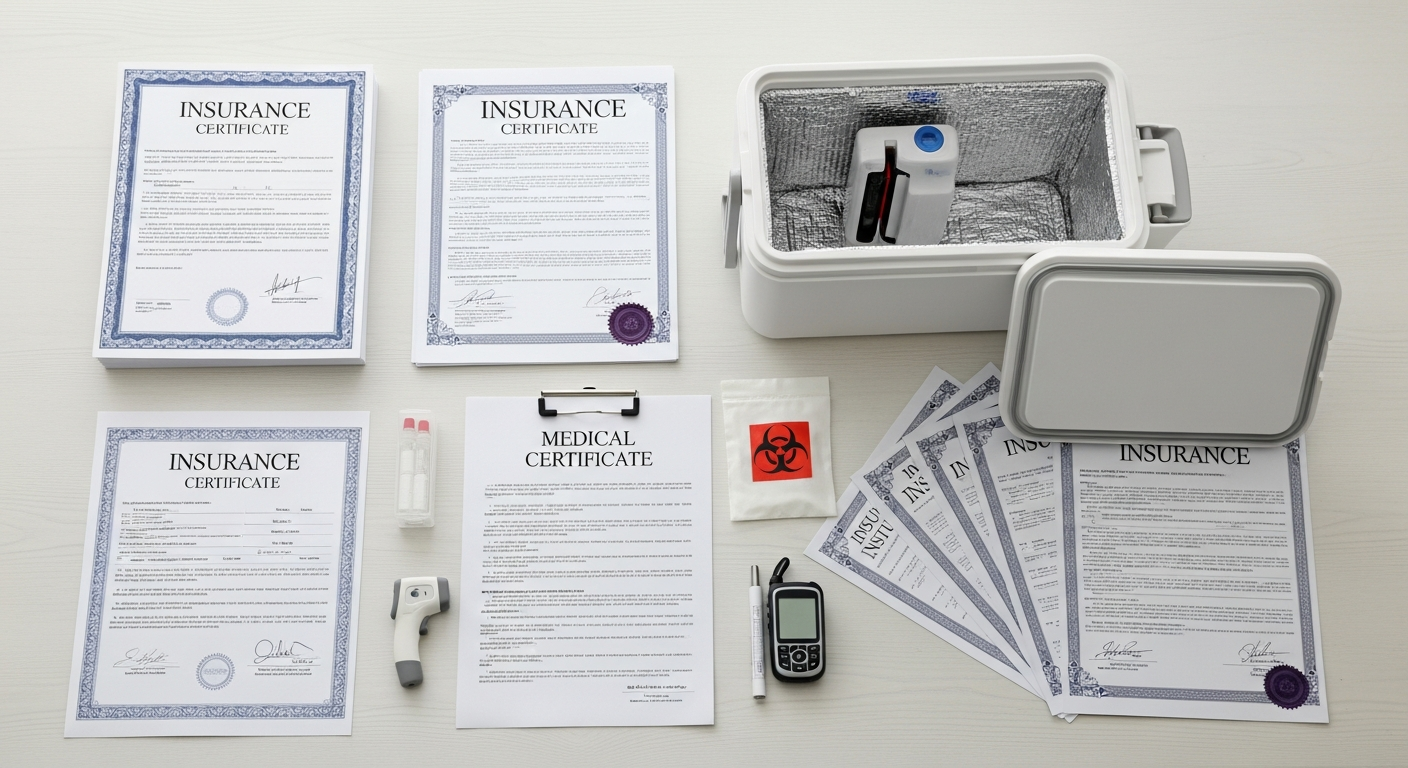
Request comprehensive compliance documentation from any prospective provider. This includes HIPAA training records and policies, OSHA Bloodborne Pathogen Standard training certificates, DOT hazmat training documentation, background check and drug screening records, insurance certificates, and any state-specific licensing or permits. A provider who cannot produce this documentation readily is a provider who may not maintain it consistently.
Service Scope and Flexibility
Your medical supply delivery needs will vary by material type, urgency level, and volume. Ensure your provider supports the full range of delivery modes you require: STAT for emergencies, same-day for urgent needs, scheduled for recurring transfers, and routed for high-volume recurring pickups. Verify 24/7/365 availability, particularly if your operations include after-hours or weekend needs. And confirm that the provider can scale to meet volume surges during peak periods or public health emergencies.
Quality Metrics and Accountability
Ask for performance data. On-time delivery rates, average response times for STAT requests, specimen condition at delivery, temperature compliance rates, and customer retention provide objective measures of service quality. A medical supply delivery provider confident in its performance will share these metrics transparently. carGO Health’s 100% customer retention rate across more than 150,000 completed orders reflects the operational consistency and clinical reliability that healthcare organizations should demand from their logistics partners.
Provider Evaluation Criteria:
- Exclusive focus on healthcare logistics with documented experience serving comparable organizations
- Real-time tracking, electronic documentation, and temperature monitoring technology
- Comprehensive HIPAA, OSHA, and DOT compliance documentation readily available for review
- Full range of delivery modes including STAT, same-day, scheduled, and routed with 24/7/365 availability
- Transparent quality metrics including on-time rates, rejection rates, and customer retention
- Scalability to handle volume surges and geographic expansion within your service area
Key Takeaways
Medical supply delivery is a clinical function, not just a logistics task. The materials healthcare providers transport, from biological specimens and pharmaceuticals to blood products and surgical instruments, directly affect diagnostic accuracy, treatment efficacy, and patient safety. Effective medical supply delivery requires specialized handling for each material category, appropriate delivery modes matched to clinical urgency, comprehensive regulatory compliance, validated temperature control, and technology infrastructure that provides real-time visibility and documentation.
Healthcare providers who invest in selecting the right medical supply delivery partner gain more than reliable logistics. They gain clinical confidence that the materials their patients depend on will arrive intact, compliant, and on time. To learn how carGO Health delivers this level of medical courier service across the Northeast, request a demo and discover who we serve and why they stay.
Frequently Asked Questions
What types of materials do medical supply delivery companies transport?
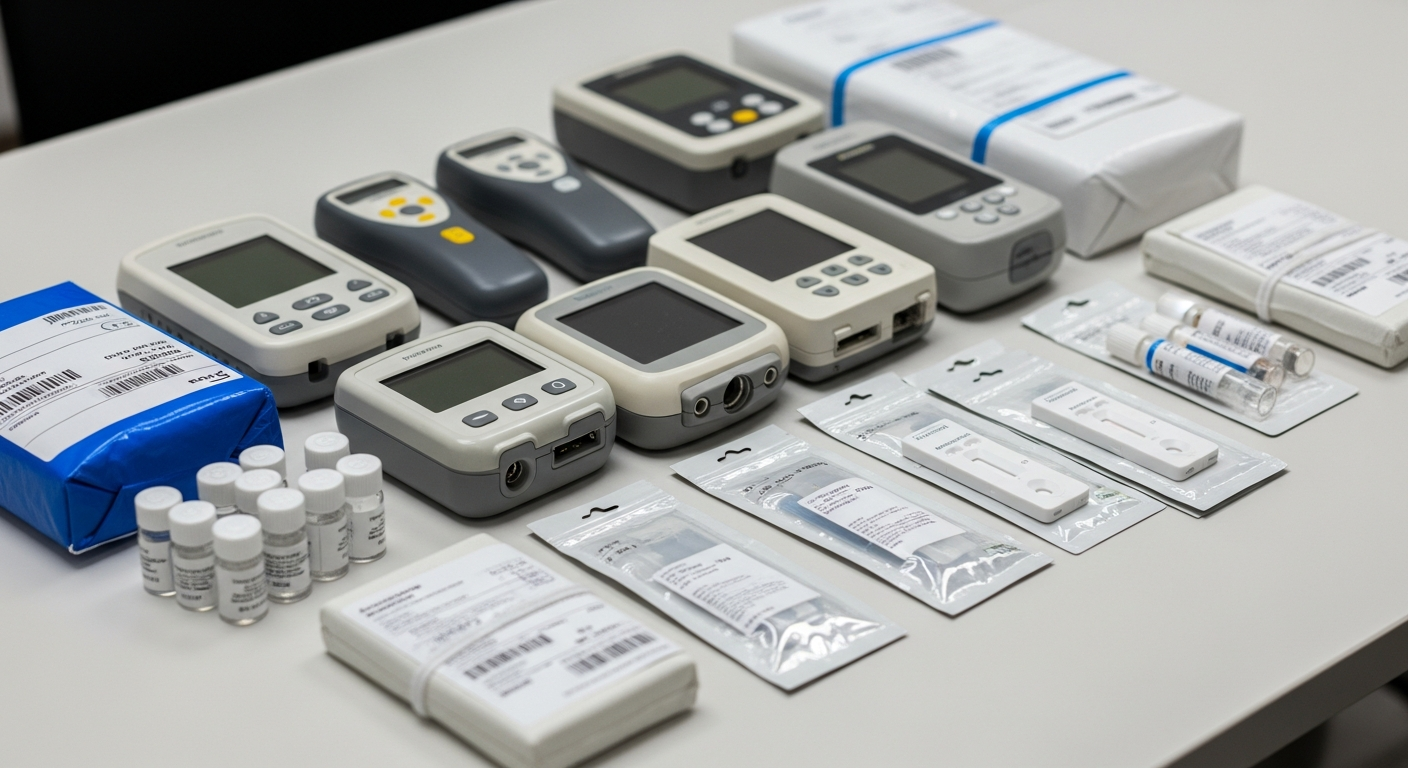
Medical supply delivery companies transport biological specimens, pharmaceuticals, blood products, medical equipment, surgical instruments, sterile supplies, diagnostic devices, medical records, and patient documents. Each category has specific handling, packaging, temperature, and compliance requirements that specialized medical couriers are trained to manage.
What is the difference between STAT and same-day medical supply delivery?
STAT delivery is the highest-priority mode where a courier is dispatched immediately and travels directly point-to-point without intermediate stops, used for life-threatening or time-critical materials. Same-day delivery ensures pickup and delivery within a single business day but allows moderate batching and route optimization, suitable for urgent but non-emergent materials.
What compliance requirements apply to medical supply delivery?
Medical supply delivery must comply with HIPAA for patient privacy, OSHA Bloodborne Pathogen Standards for specimen handling, DOT regulations for hazardous materials transport, FDA Good Distribution Practices for pharmaceuticals, AABB standards for blood products, and state-specific licensing and pharmacy board requirements. Healthcare providers are responsible for verifying their courier partners maintain compliance.
Why is temperature control important in medical supply delivery?
Many medical materials, including vaccines, biologics, blood products, and certain specimens, must be maintained within specific temperature ranges during transport. A single temperature excursion can render materials clinically useless or create patient safety risks. Effective temperature control requires validated packaging, continuous monitoring devices, and trained couriers who understand excursion protocols.
How do I choose the right medical supply delivery provider for my healthcare facility?
Evaluate providers across five key areas: healthcare specialization and documented experience, technology capabilities including real-time tracking and temperature monitoring, comprehensive compliance documentation for HIPAA, OSHA, and DOT, service flexibility with STAT, same-day, scheduled, and routed options with 24/7 availability, and transparent quality metrics including on-time rates and customer retention.
About the Author
Parth Patel is the Founder and CEO of carGO Health, a specialized medical courier service operating 24/7/365 across the Northeast United States. With firsthand experience in medical courier operations since childhood and over 200,000 deliveries completed, Parth built carGO Health to bring technology, reliability, and accountability to healthcare logistics. Connect with Parth on LinkedIn.
Related Reading
- Comprehensive Guide to Medical Courier Services
- Why Hospitals Outsource Medical Courier Operations
- STAT Medical Courier Service: Emergency Response Standards
- Medical Specimen Transport: Protocols and Compliance
- HIPAA Compliant Medical Courier: What to Look For
- Get a Quote — carGO Health Medical Courier Services
Related Resources