Independent Medical Courier Services: A Healthcare Provider’s Complete Guide

Updated April 2026 — reviewed and refreshed by carGO Health editorial team.
The healthcare logistics landscape has changed significantly over the past decade, and independent medical courier services have emerged as a critical component of how hospitals, laboratories, pharmacies, and clinics move time-sensitive materials. Unlike the large national freight carriers that dominate general logistics, independent medical couriers specialize exclusively in healthcare transport, handling specimens, pharmaceuticals, blood products, medical devices, and documents with the compliance rigor and urgency that clinical operations demand. For healthcare providers evaluating their logistics options, understanding how independent medical courier companies operate, what distinguishes them from general delivery services, and what quality standards to require is essential to making an informed decision.
Whether you manage a multi-site health system, a clinical laboratory with outreach accounts, or a specialty pharmacy fulfilling time-critical prescriptions, the courier partner you choose directly affects patient outcomes, regulatory compliance, and operational efficiency. This guide covers the full independent medical courier landscape, from fleet models and vetting processes to compliance frameworks and technology platforms, so you can evaluate providers with confidence and select a medical courier service that meets the demands of modern healthcare delivery.
1. What Independent Medical Couriers Are and How They Differ from Large Logistics Companies
An independent medical courier is a specialized transport provider, often an individual operator or small fleet company, that focuses exclusively on healthcare deliveries. These couriers handle biological specimens, laboratory supplies, pharmaceuticals, medical equipment, and sensitive patient documents. They operate within defined service areas and build deep familiarity with the healthcare facilities, regulatory requirements, and clinical workflows specific to their regions.
The distinction between independent medical courier companies and large national logistics carriers is fundamental, not merely a difference of scale. National carriers like UPS, FedEx, and general freight companies optimize for volume, standardized processes, and broad geographic coverage. Their systems are built for packages, not patients. When a laboratory specimen or a unit of blood is treated as a generic parcel, the transport operation lacks the clinical awareness, temperature management protocols, and chain of custody documentation that healthcare compliance requires.
Independent medical couriers, by contrast, are trained specifically in medical courier certification standards. They understand HIPAA requirements for handling patient-associated materials, OSHA regulations for bloodborne pathogen exposure, and DOT standards for transporting hazardous biological substances. They know the difference between ambient, refrigerated, and frozen transport requirements. They understand that a delayed specimen is not just a late package but a compromised diagnostic result or a missed treatment window.
For healthcare providers, this specialization translates directly into better outcomes. Independent medical couriers maintain lower specimen rejection rates, deliver faster turnaround times within their service regions, and provide the documentation and compliance infrastructure that healthcare facilities need to satisfy OSHA and DOT compliance requirements during audits and inspections.
Key Differences Between Independent Medical Couriers and General Carriers:
- Specialized training in HIPAA, OSHA, and DOT regulations for medical materials
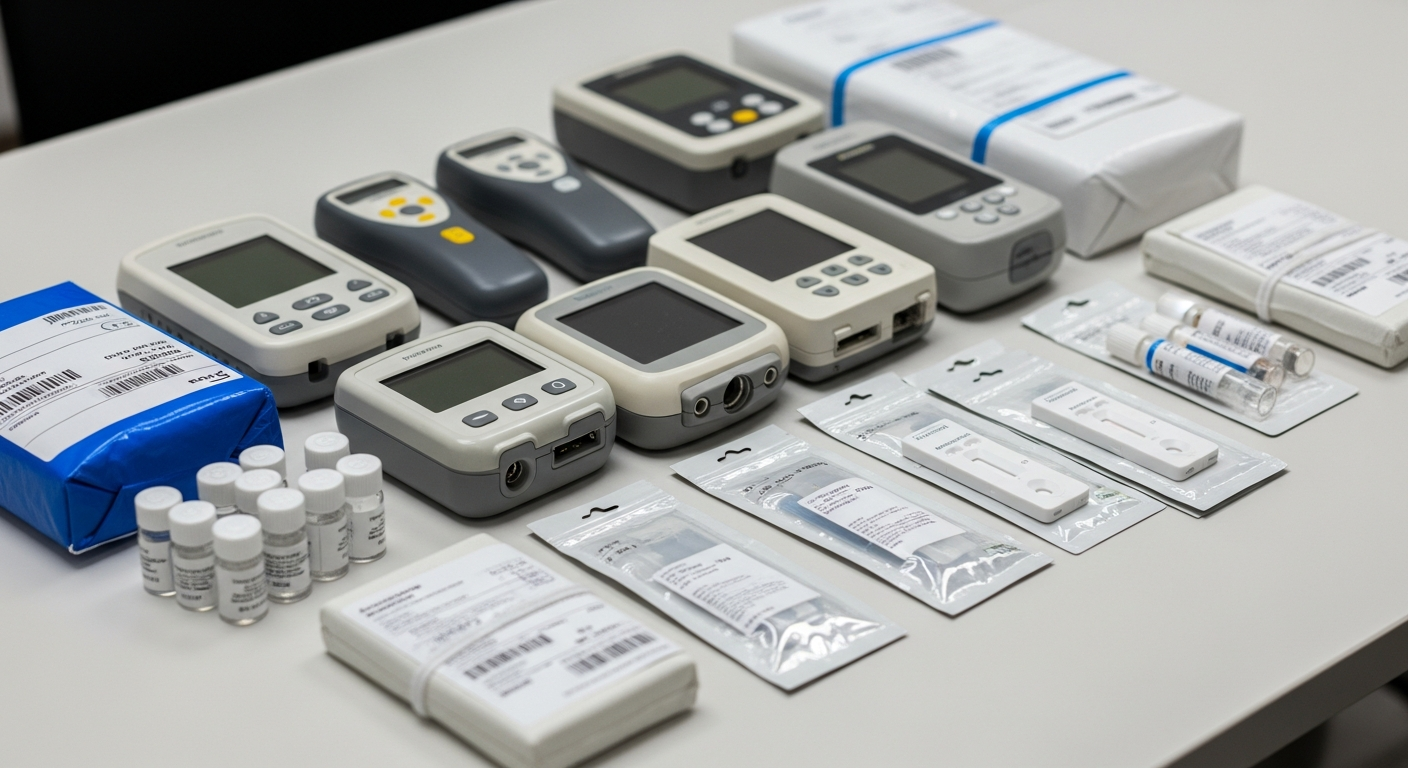
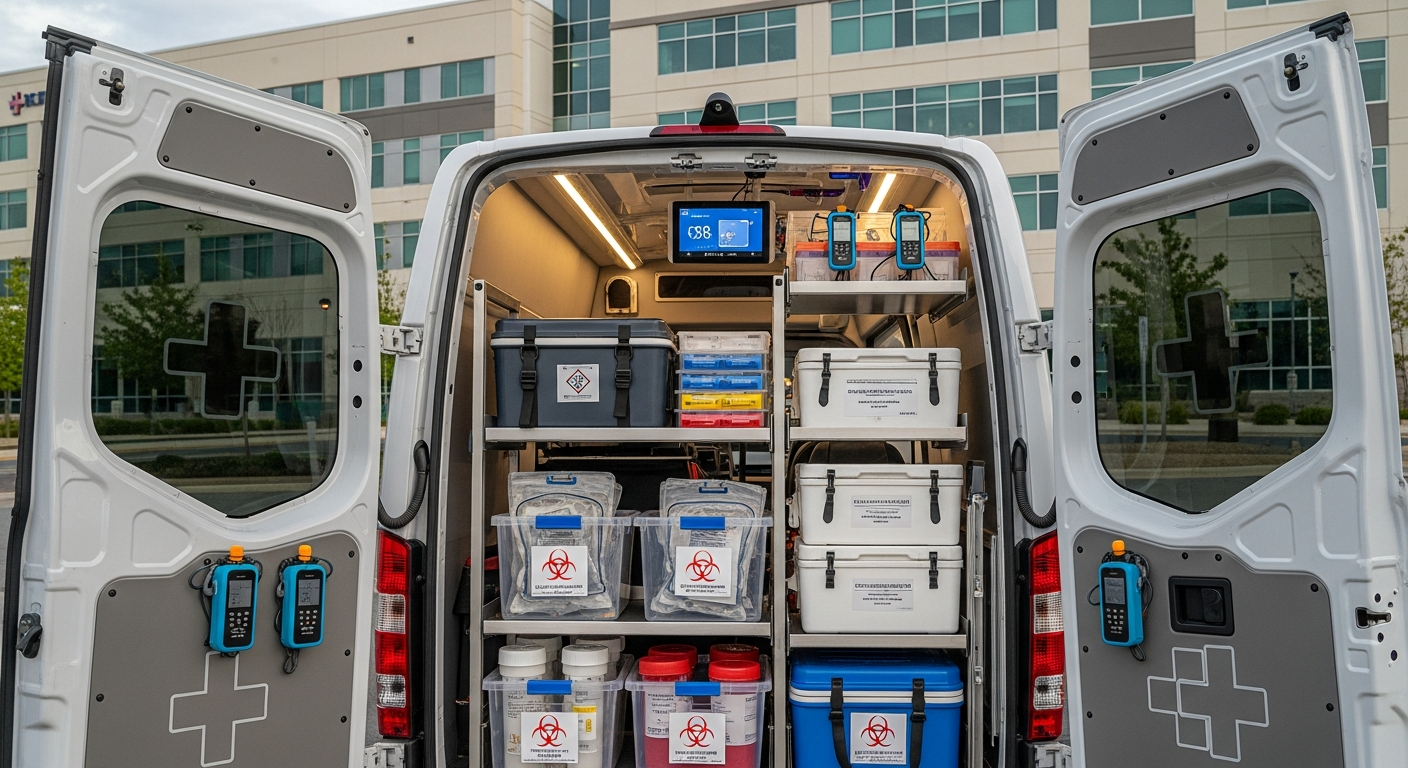
- Temperature-controlled transport capabilities for specimens, biologics, and pharmaceuticals
- Chain of custody documentation with electronic signatures and real-time tracking
- Familiarity with healthcare facility protocols, including loading dock access, specimen drop-off procedures, and clinical workflows
- Flexible scheduling including STAT, same-day, and after-hours delivery capabilities
2. The Pros and Cons of Using Independent Medical Couriers
Choosing between independent medical courier companies and large integrated logistics providers involves trade-offs that healthcare organizations must evaluate based on their specific operational needs, service area coverage, and compliance requirements.
Advantages of Independent Medical Couriers
The primary advantage is specialization. Independent medical couriers do one thing and they do it well. Their entire operational model is designed around the unique requirements of healthcare transport. This specialization produces measurable benefits: faster response times for STAT deliveries, better specimen integrity through proper handling and temperature control, and stronger compliance documentation for regulatory audits.
Independent couriers also offer regional expertise. A courier who runs the same routes between hospitals and laboratories daily develops knowledge of traffic patterns, facility access protocols, and clinical team preferences that a rotating national carrier driver simply cannot match. This institutional knowledge reduces errors, improves efficiency, and builds the kind of consistent working relationships that healthcare operations depend on.
Cost efficiency is another significant advantage. By eliminating the overhead structures of large corporations, independent courier companies often deliver equivalent or superior service at lower cost. Healthcare providers who have conducted an in-house versus outsourced cost comparison frequently find that independent medical courier services provide better per-delivery economics while maintaining higher quality standards.
Challenges of Independent Medical Couriers
The potential challenges are primarily related to scale and consistency. A single independent courier operator may lack the redundancy to cover absences, vehicle breakdowns, or volume surges. Quality can vary between individual operators if there is no centralized vetting, training, and monitoring platform overseeing performance. And for healthcare systems that span multiple states or regions, coordinating multiple independent couriers without a unified platform creates administrative complexity.
These challenges are precisely why managed courier platforms have emerged. Rather than choosing between a large national carrier that lacks medical specialization and a single independent courier who may lack scale, healthcare providers can partner with platforms that aggregate, vet, train, and manage networks of certified independent medical couriers under unified quality standards and technology infrastructure.
3. Compliance Requirements for Independent Medical Courier Operations
Compliance in medical courier operations is not optional and it is not simple. Independent medical couriers must satisfy overlapping federal and state regulatory requirements that govern how medical materials are handled, transported, documented, and delivered. Healthcare providers who partner with independent courier companies bear responsibility for verifying that their logistics partners meet these requirements.
Under HIPAA, any courier handling materials that contain or are associated with protected health information must implement appropriate safeguards. This includes secure handling of specimens with patient-identifying labels, secure transport of medical records and documents, and training on privacy requirements. A HIPAA-compliant medical courier must have documented policies, training records, and incident response procedures that healthcare providers can verify.
OSHA’s Bloodborne Pathogen Standard (29 CFR 1910.1030) requires that couriers who handle biological specimens receive training on exposure risks, use appropriate personal protective equipment, follow safe handling procedures, and have access to post-exposure medical evaluation. The OSHA Bloodborne Pathogens Standard applies to every worker who may reasonably anticipate contact with blood or other potentially infectious materials, which includes medical couriers.
DOT regulations under 49 CFR govern the transport of diagnostic specimens classified as Category B infectious substances. Couriers must be trained in proper packaging using UN3373-compliant containers, labeling requirements, and spill response procedures. The Pipeline and Hazardous Materials Safety Administration (PHMSA) requires that hazmat employees, including medical couriers transporting regulated specimens, receive initial and recurrent training.
State-level requirements add additional layers. Some states require specific licensing or permits for medical courier operations. Others impose requirements around vehicle inspections, insurance minimums, or chain of custody documentation that exceed federal standards. Healthcare providers operating across the Northeast, as carGO Health does across NY, NJ, CT, MA, VT, NH, Eastern PA, DE, MD, and VA, must ensure their courier partners satisfy the regulatory requirements of every jurisdiction in which they operate.
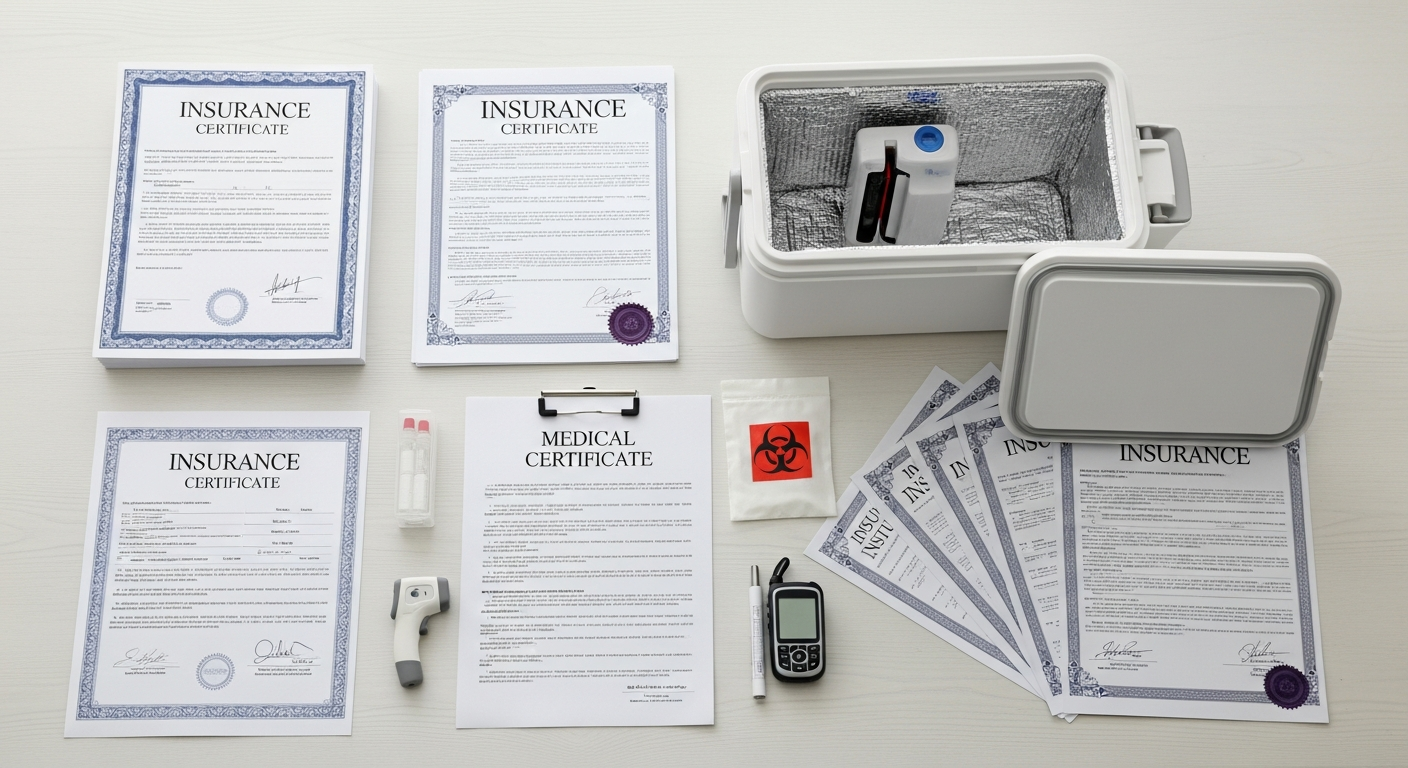
Essential Compliance Documentation to Verify:
- HIPAA training records and privacy policies for all courier personnel
- OSHA Bloodborne Pathogen training certificates with annual refresher documentation
- DOT hazmat training records for couriers handling regulated specimens
- Valid commercial auto insurance with appropriate liability limits
- Background check results and drug screening records for all drivers
- State-specific licensing or permits where applicable
4. How Platforms Connect Certified Independent Couriers with Healthcare Clients
The evolution of independent medical courier apps and managed courier platforms has fundamentally changed how healthcare providers access specialized courier services. Rather than individually vetting, contracting, and managing independent operators, healthcare facilities can now work with technology platforms that handle the entire logistics operation while leveraging the specialization and regional expertise of independent medical couriers.
These platforms address the scalability and consistency challenges that have historically limited independent courier adoption. A well-designed medical courier platform performs several critical functions: it recruits and vets courier candidates, provides standardized training, deploys technology for real-time dispatch and tracking, monitors performance against defined quality metrics, and provides a single point of accountability for the healthcare client.
carGO Health exemplifies this model. By combining AI-powered dispatch technology with a network of certified medical couriers, carGO Health delivers the specialization and regional expertise of independent operators with the reliability, scalability, and accountability of an integrated logistics provider. The carGO Health platform manages dispatch optimization, real-time tracking, temperature monitoring, chain of custody documentation, and performance analytics through a unified system that healthcare providers access through a single interface.
Fleet Management and Vetting Processes
The quality of any independent medical courier network depends entirely on the rigor of its vetting and ongoing management processes. Best-in-class platforms implement multi-stage vetting that includes background checks, driving record verification, drug screening, credential verification, and skills assessment before a courier handles any medical materials.
Ongoing management is equally important. Performance monitoring should track on-time delivery rates, specimen condition at delivery, chain of custody compliance, customer satisfaction scores, and exception frequency. Couriers who consistently meet or exceed standards should be prioritized for assignments, while those who fall below thresholds should receive corrective training or be removed from the network. This continuous quality loop ensures that independent medical courier companies operating within the platform maintain the standards that healthcare clients require.
According to the Bureau of Labor Statistics, courier and messenger employment is projected to evolve significantly as technology platforms reshape the industry. In healthcare, this transformation is already underway, with managed platforms replacing fragmented individual contracts as the standard model for medical courier operations.
Platform Capabilities to Evaluate:
- Multi-stage courier vetting including background checks, credential verification, and skills assessment
- Standardized medical courier training with documented certification records
- AI-powered dispatch that optimizes courier assignment based on location, availability, and delivery requirements
- Real-time GPS tracking with chain of custody documentation at every handoff
- Performance monitoring dashboards with quality metrics and exception reporting
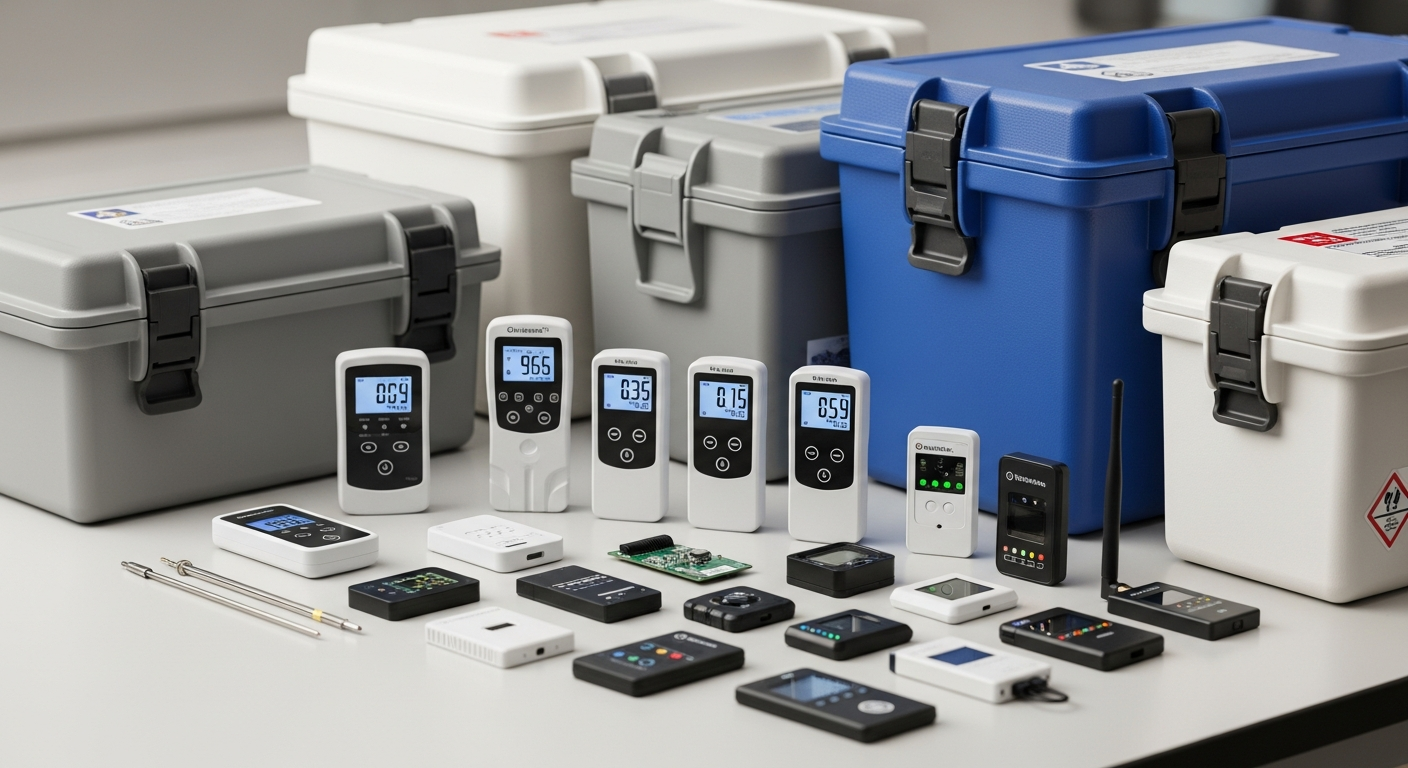
- Temperature monitoring integration for cold chain compliance
5. What Healthcare Facilities Should Look for When Choosing an Independent Medical Courier Partner
Selecting the right medical courier company requires evaluating capabilities across several dimensions that directly impact clinical operations, regulatory compliance, and patient outcomes. A thorough evaluation goes beyond price per delivery to assess the operational infrastructure, compliance posture, technology capabilities, and service flexibility of each prospective partner.
Compliance and Certification
Verify that every courier who will handle your materials holds current certifications in HIPAA, OSHA, and DOT requirements. Request documentation, not just assurances. A reputable medical courier service will readily provide training records, certification documentation, and compliance policies for review. Additionally, confirm that the provider maintains appropriate insurance coverage, including commercial auto liability, professional liability, and cargo insurance.
Technology and Visibility
Modern healthcare logistics requires real-time visibility. Evaluate whether the courier provider offers GPS tracking, electronic proof of delivery, temperature monitoring for sensitive materials, and a client portal where your team can monitor deliveries in real time. The technology platform should also support chain of custody documentation with electronic signatures and timestamped records at every handoff point.
Service Flexibility
Healthcare operations do not follow a predictable schedule. Your courier partner must support multiple delivery modes, including on-demand and scheduled deliveries, STAT transport for emergencies, same-day service for routine urgent needs, and routed service for recurring pickups. The ability to scale up during volume surges, such as during flu season or public health emergencies, is equally critical. Ask about 24/7/365 availability, backup courier capacity, and surge management protocols.
Quality Assurance and Performance Metrics
Request data on the provider’s on-time delivery rate, specimen rejection rate attributable to transport, average response time for STAT requests, and customer retention rate. A provider confident in its quality will share these metrics openly. For reference, carGO Health maintains a 100% customer retention rate across more than 150,000 completed orders, a benchmark that reflects the operational consistency healthcare providers should expect from their logistics partners.
Evaluation Checklist for Healthcare Providers:
- Current HIPAA, OSHA, and DOT compliance documentation for all courier personnel
- Real-time tracking and electronic chain of custody capabilities
- Temperature-controlled transport options for specimens, biologics, and pharmaceuticals
- 24/7/365 availability with STAT, same-day, scheduled, and routed delivery modes
- Documented quality metrics including on-time rates, rejection rates, and customer retention
- Scalability to handle volume surges and geographic expansion
- References from comparable healthcare organizations in your region
Key Takeaways
Independent medical courier services fill a critical role in healthcare logistics that general carriers cannot replicate. Their specialization in medical materials handling, regulatory compliance, and clinical workflow integration makes them the preferred choice for healthcare organizations that prioritize specimen integrity, patient safety, and operational reliability. The emergence of managed courier platforms has resolved the historical limitations of working with independent operators by providing the technology infrastructure, quality oversight, and scalability that healthcare systems require.
For healthcare providers evaluating their courier operations, the decision is not between independent couriers and large carriers. It is between logistics partners who understand healthcare and those who do not. The right partner combines the medical specialization of independent couriers with the technology, accountability, and scale of an integrated platform. To see how carGO Health delivers this combination across the Northeast, request a demo and learn why leading healthcare organizations choose carGO Health as their logistics partner.
Frequently Asked Questions
What is an independent medical courier?
An independent medical courier is a specialized transport provider that focuses exclusively on healthcare deliveries, including biological specimens, pharmaceuticals, blood products, medical equipment, and sensitive documents. Unlike general logistics carriers, independent medical couriers are trained in HIPAA, OSHA, and DOT compliance and understand the clinical significance of the materials they transport.
How do independent medical courier companies differ from large carriers like UPS or FedEx?
Independent medical courier companies specialize exclusively in healthcare logistics, with training, equipment, and protocols designed for medical materials. Large carriers optimize for general package volume and lack the specialized handling, temperature control, chain of custody documentation, and regulatory compliance infrastructure that healthcare transport requires.
What certifications should an independent medical courier have?
Independent medical couriers should have documented training in HIPAA privacy and security requirements, OSHA Bloodborne Pathogen Standard compliance, and DOT hazardous materials handling for Category B infectious substances. They should also have current background checks, drug screening results, clean driving records, and appropriate insurance coverage.
Are independent medical courier apps reliable for healthcare deliveries?
Independent medical courier apps and managed platforms can be highly reliable when they implement rigorous vetting, standardized training, real-time tracking, and continuous performance monitoring. The key is evaluating the platform’s quality assurance processes, compliance infrastructure, and track record with comparable healthcare organizations rather than assuming all platforms offer equivalent service quality.
How do I evaluate an independent medical courier company for my healthcare facility?
Evaluate independent medical courier companies across five dimensions: compliance documentation (HIPAA, OSHA, DOT certifications), technology capabilities (real-time tracking, electronic chain of custody), service flexibility (STAT, same-day, scheduled, 24/7 availability), quality metrics (on-time rates, specimen rejection rates, customer retention), and scalability (surge capacity, geographic coverage, backup protocols).
About the Author
Parth Patel is the Founder and CEO of carGO Health, a specialized medical courier service operating 24/7/365 across the Northeast United States. With firsthand experience in medical courier operations since childhood and over 200,000 deliveries completed, Parth built carGO Health to bring technology, reliability, and accountability to healthcare logistics. Connect with Parth on LinkedIn.
Related Reading
- Comprehensive Guide to Medical Courier Services
- Why Hospitals Outsource Medical Courier Operations
- STAT Medical Courier Service: Emergency Response Standards
- Medical Specimen Transport: Protocols and Compliance
- HIPAA Compliant Medical Courier: What to Look For
- Get a Quote — carGO Health Medical Courier Services
Related Resources