Medical Courier Load Boards vs. AI-Powered Dispatch: Which Is Better?

For years, medical courier load boards have served as the primary marketplace where independent couriers find available delivery jobs and healthcare organizations post transport requests. These platforms function much like freight load boards in the trucking industry: a shipper posts a job, couriers browse listings, and someone claims the load. The model is straightforward, and for general package delivery, it works adequately. But medical logistics is not general delivery. It is a compliance-intensive, time-sensitive, temperature-controlled discipline where a missed requirement does not just delay a package but can compromise patient care, violate federal regulations, and expose healthcare organizations to significant legal and financial liability.
The question healthcare logistics managers increasingly face is whether traditional medical courier boards can meet the demands of modern healthcare delivery, or whether AI-powered dispatch technology has rendered the load board model obsolete. The answer depends on what you are transporting, what compliance obligations you carry, and whether you can afford the operational gaps that manual job matching inevitably creates. For organizations managing specimens, pharmaceuticals, blood products, or medical devices, understanding the difference between these two approaches is essential to making informed logistics decisions.
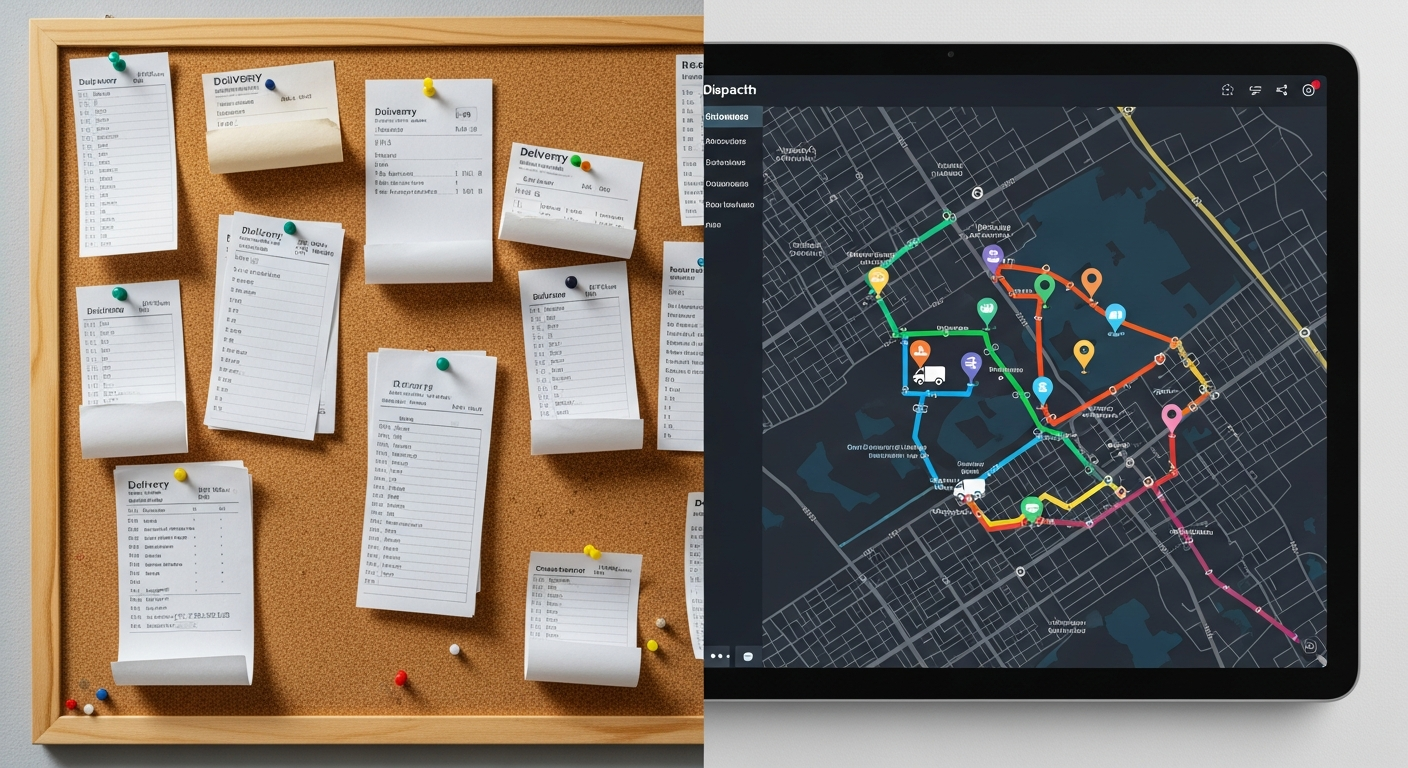
1. How Medical Courier Load Boards Work
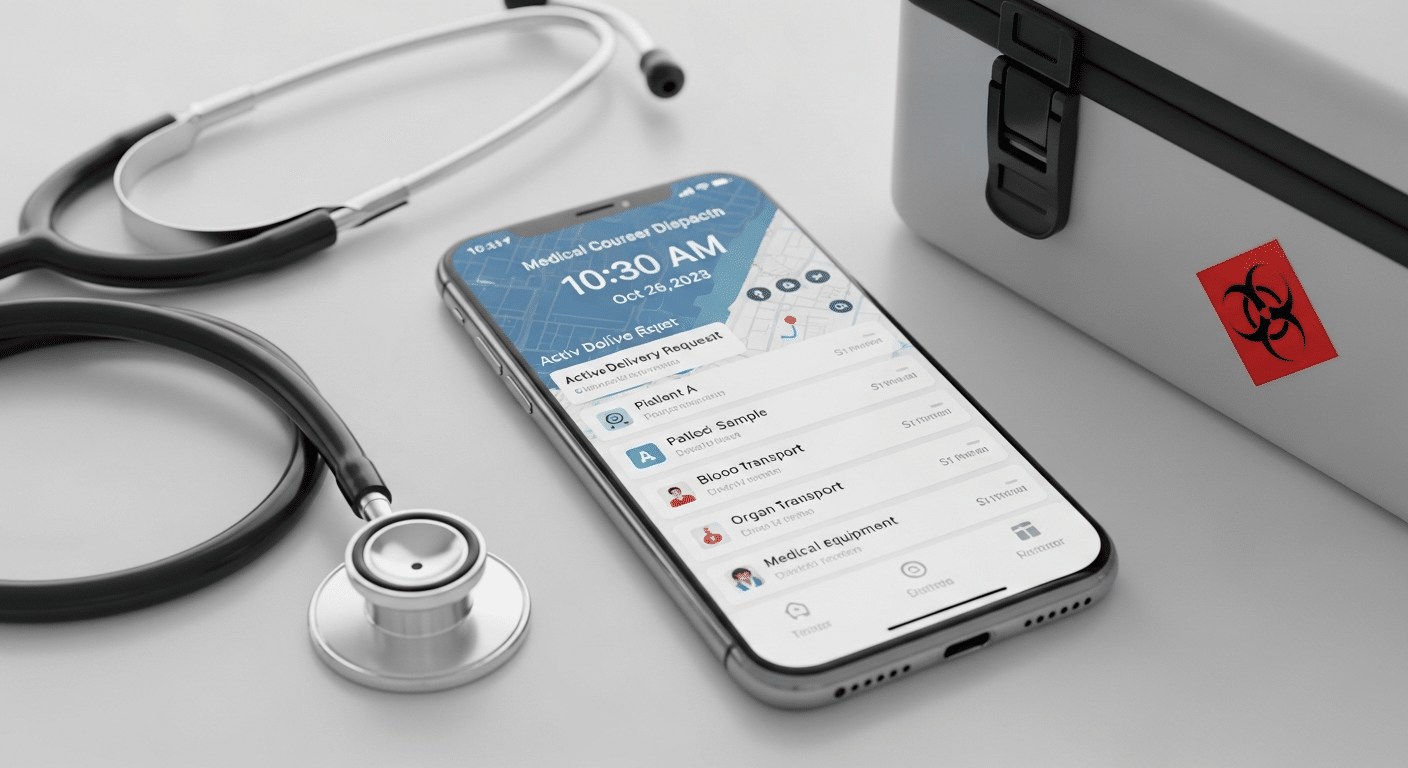
Medical courier load boards operate as digital marketplaces that connect healthcare shippers with available couriers. A hospital, laboratory, pharmacy, or clinic posts a delivery request that includes pickup and drop-off locations, a time window, and sometimes a brief description of the cargo type. Independent couriers or small courier companies browse these listings and claim jobs that match their availability, location, and vehicle capabilities. Once a courier accepts the job, they complete the delivery and receive payment through the platform or through a separate arrangement with the shipper.
The appeal of medical courier platforms built on the load board model is accessibility. They lower the barrier to entry for independent couriers who want to work in healthcare delivery, and they provide healthcare organizations with a pool of available drivers without maintaining a full fleet of employees. For facilities with occasional or unpredictable delivery needs, load boards offer flexibility that traditional courier contracts may not provide.
However, load boards are fundamentally reactive systems. They match available supply with posted demand, but they do not optimize, predict, or manage the delivery process itself. The shipper posts a job, a courier claims it, and the platform’s involvement largely ends there. What happens between pickup and delivery, including how the courier handles the materials, whether temperature is maintained, and whether chain of custody protocols are followed, is typically left to the individual courier’s discretion and training.
How Load Boards Typically Function:
- Healthcare shippers post delivery jobs with basic details such as location, time window, and cargo description
- Independent couriers browse and claim available jobs based on proximity and schedule
- Payment is processed through the platform or arranged separately between shipper and courier
- Platform involvement typically ends once the job is claimed, with limited oversight during transport
- Compliance verification, training standards, and quality control vary widely between platforms
2. The Compliance Gaps in Load Board Models
The most significant limitation of medical courier load boards is their inability to enforce or verify regulatory compliance throughout the delivery lifecycle. Healthcare logistics operates under a dense framework of regulations including OSHA’s Bloodborne Pathogen Standard, HIPAA privacy and security requirements, DOT hazardous materials transportation rules, and facility-specific accreditation standards from CLIA and CAP. Each of these frameworks imposes specific requirements on how medical materials are handled, documented, and transported.
Load boards, by design, are matching platforms. They connect shippers with couriers but do not typically verify whether a courier has current OSHA training, holds a valid DOT hazardous materials endorsement, has completed HIPAA awareness certification, or carries appropriate insurance for medical cargo. Some platforms require couriers to self-certify their qualifications during registration, but ongoing verification, recertification tracking, and real-time compliance monitoring are rarely built into the load board infrastructure. According to the Pipeline and Hazardous Materials Safety Administration, all hazmat employees must receive training within 90 days of employment and recertification every three years, a requirement that load board models are not structured to track or enforce.
This creates a significant risk for healthcare organizations. When a laboratory uses a load board to dispatch a courier for specimen transport, the laboratory remains legally responsible for OSHA and DOT compliance throughout the transport chain. If the courier mishandles a Category B infectious substance, fails to use proper UN3373 packaging, or does not maintain required shipping documentation, the regulatory liability falls on the shipping facility, not the load board platform. This is a critical distinction that many healthcare organizations overlook when selecting their logistics approach.
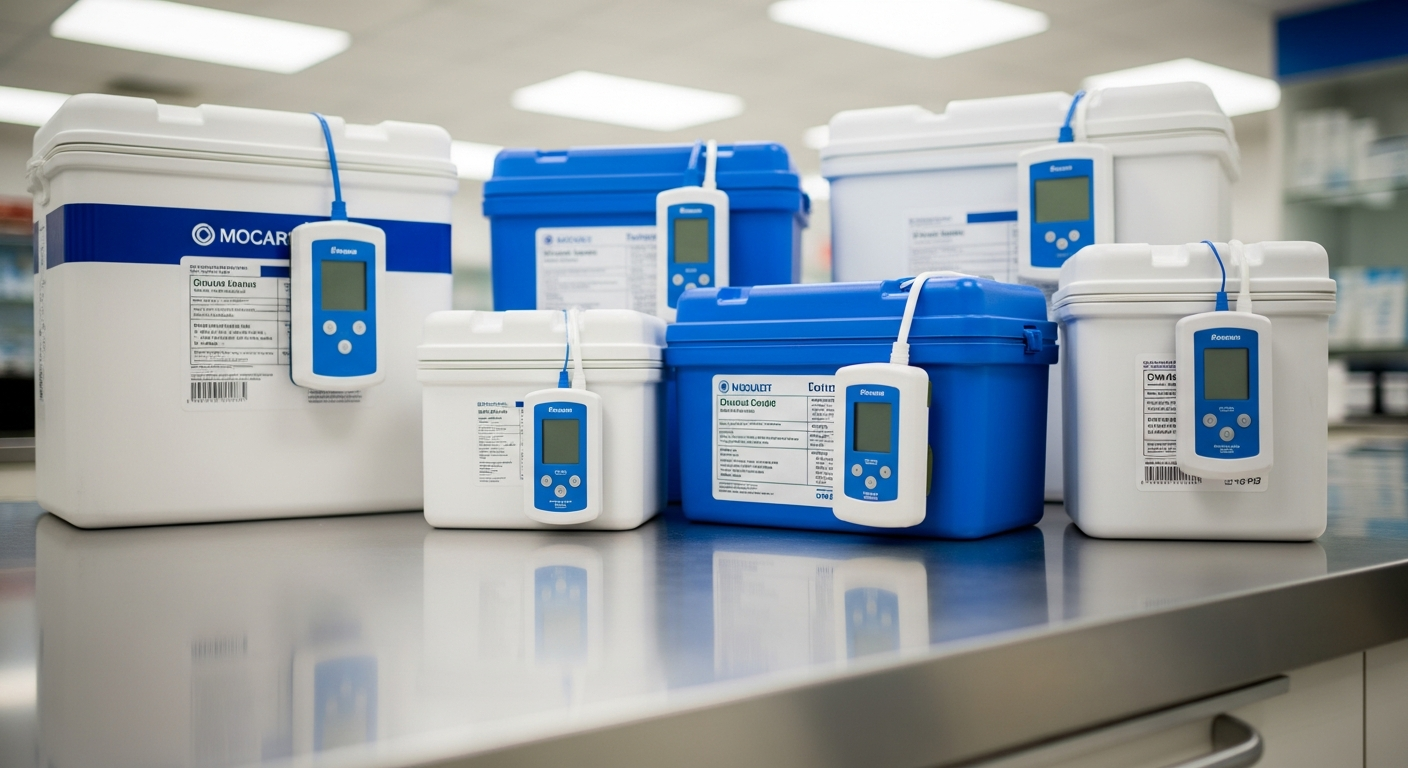
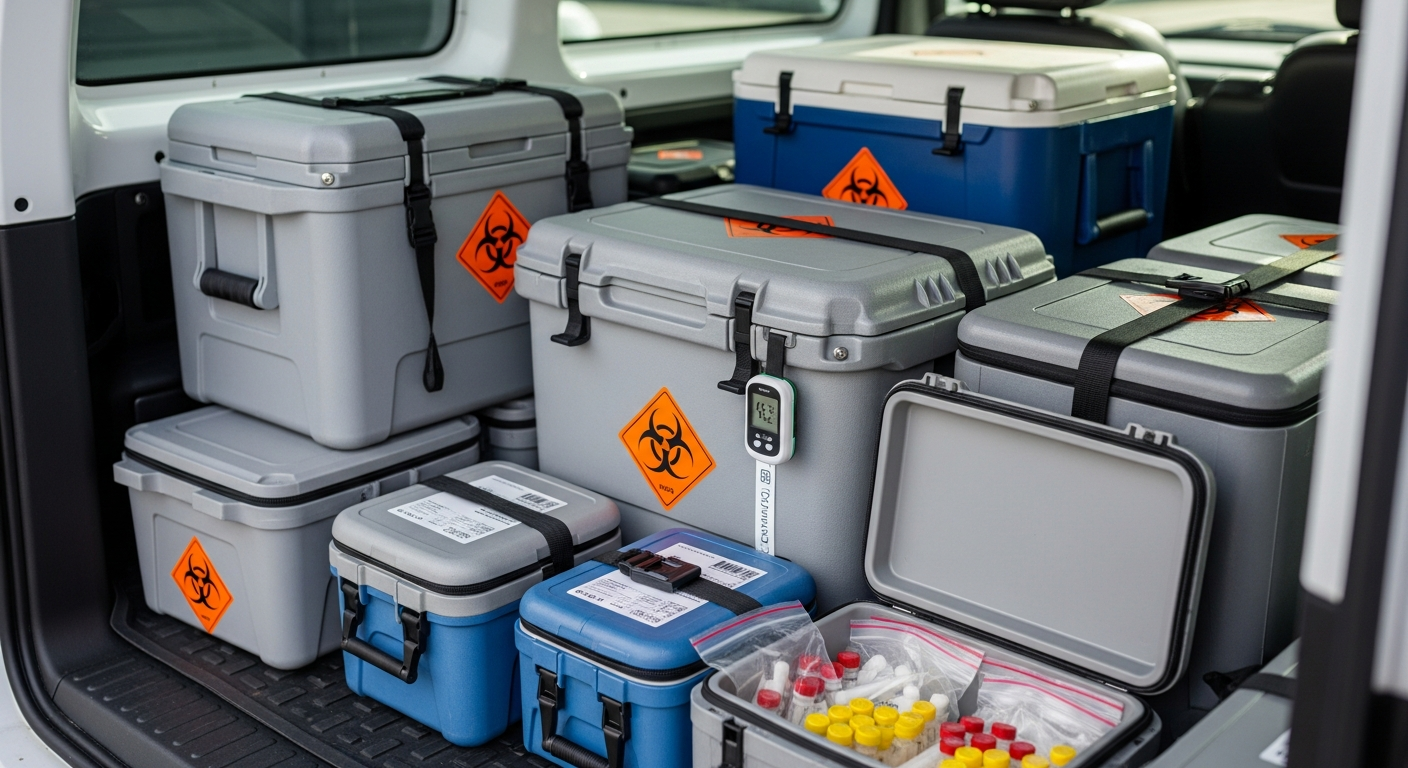
Temperature monitoring presents another compliance gap. Many medical materials, including diagnostic specimens, pharmaceuticals, and biologics, require strict temperature control during transport. Load boards rarely integrate temperature monitoring into their platforms. A courier claiming a job through a medical courier board may or may not have access to calibrated temperature monitoring devices, validated cold chain packaging, or the training necessary to recognize and respond to a temperature excursion. For healthcare organizations subject to cold chain compliance requirements, this gap is not an inconvenience but a direct threat to regulatory standing and patient safety.
3. AI-Powered Dispatch: How It Differs From Load Boards
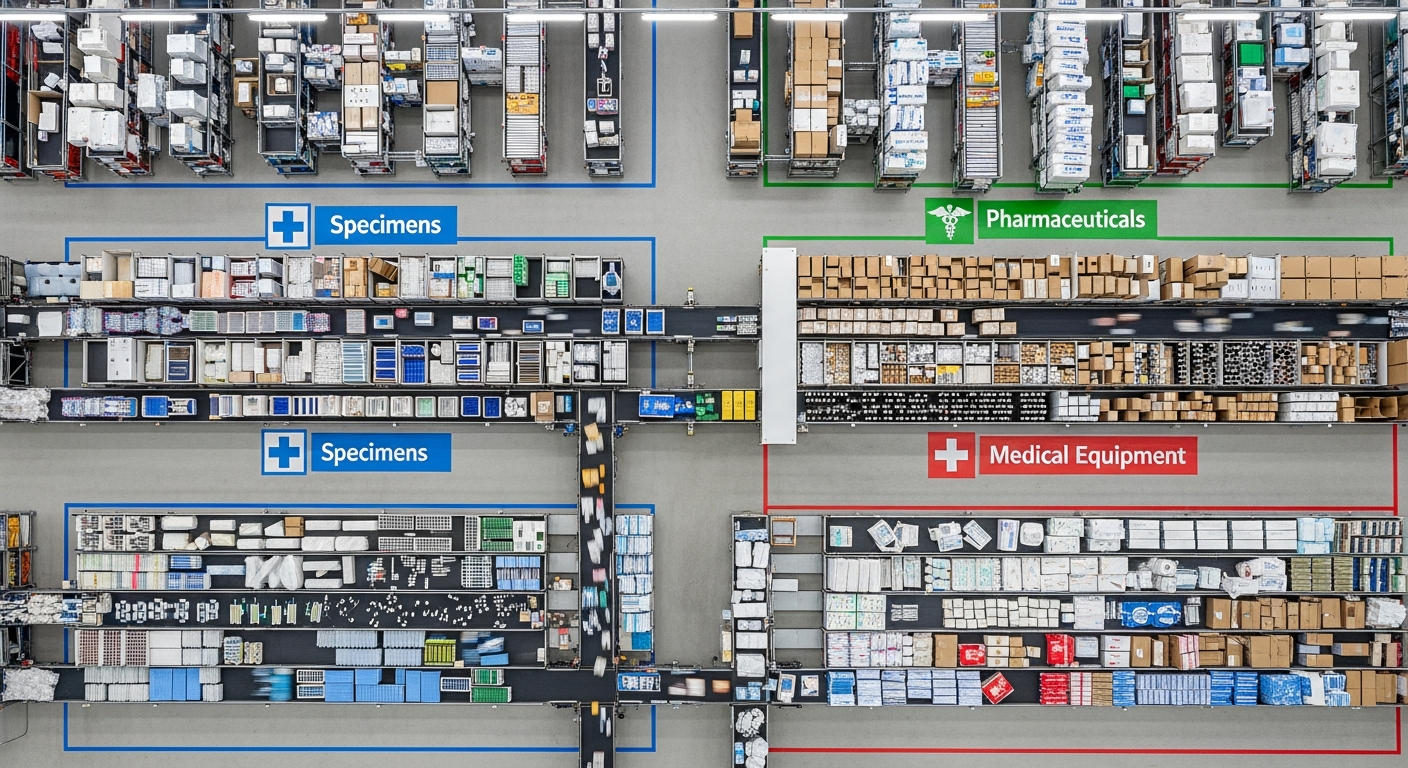
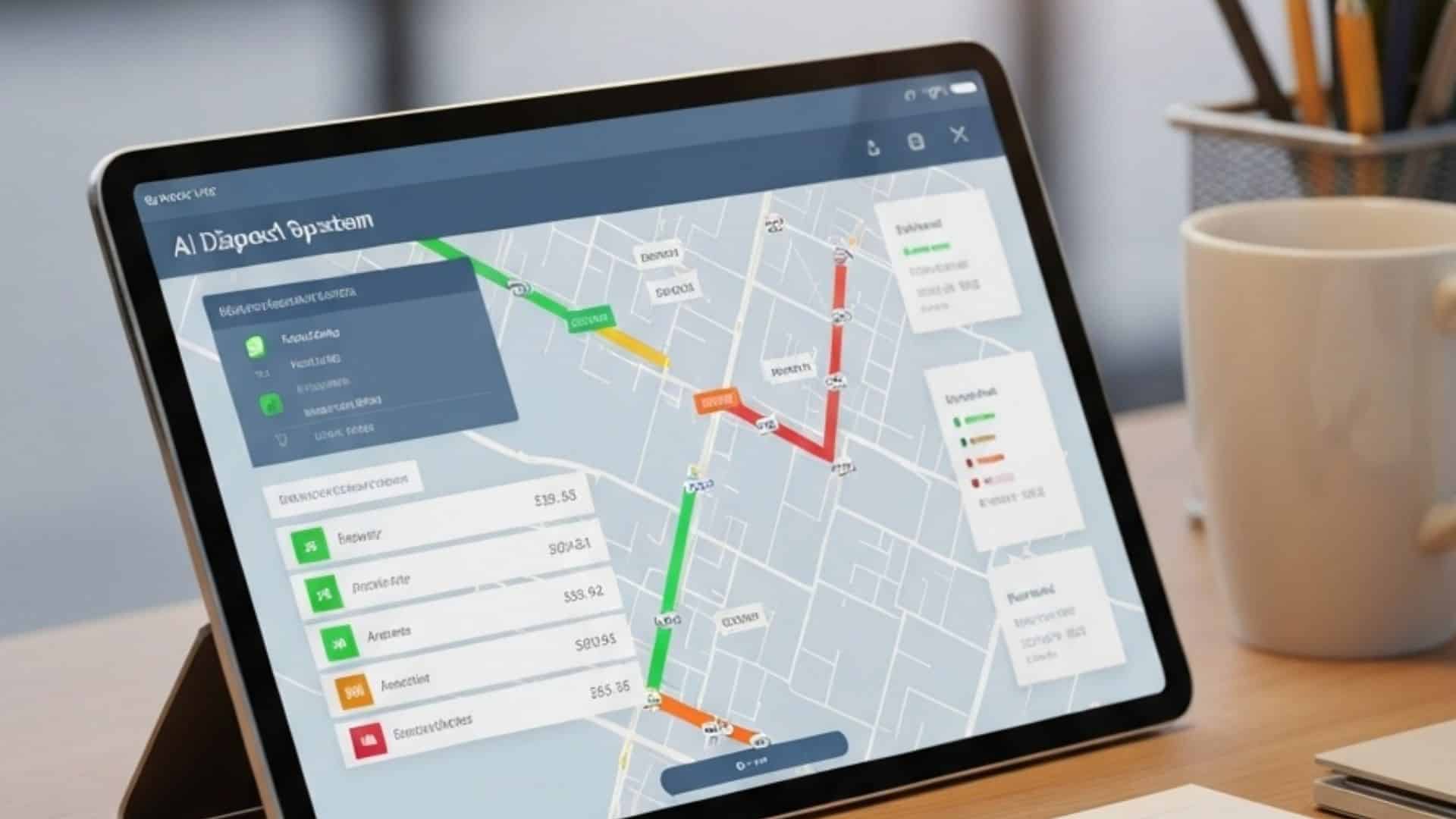
AI-powered dispatch represents a fundamentally different approach to medical courier logistics. Rather than posting jobs and waiting for couriers to claim them, an AI dispatch system proactively assigns deliveries to the optimal courier based on real-time variables including location, traffic conditions, vehicle capabilities, certification status, current workload, and delivery priority level. The system does not wait for a courier to browse listings. It makes assignment decisions in seconds, optimizes routes dynamically, and monitors every delivery from pickup through completion.
The distinction is architectural. A load board is a marketplace. An AI dispatch system is an operations management platform. Where a load board ends its involvement at job matching, an AI-powered platform manages the entire delivery lifecycle: assignment, routing, real-time tracking, compliance verification, temperature monitoring, chain of custody documentation, exception management, and post-delivery analytics. Every data point generated during a delivery feeds back into the system, improving future routing decisions, identifying patterns that indicate potential issues, and generating the documentation that healthcare organizations need for regulatory compliance.
For STAT deliveries where every minute matters, the difference between AI dispatch and load board matching is especially consequential. A load board requires a shipper to post a job, wait for a courier to notice it, hope that courier is nearby and available, and then trust that the courier will prioritize the delivery appropriately. An AI dispatch system identifies the nearest qualified courier instantly, assigns the delivery automatically, calculates the fastest compliant route, and provides real-time estimated arrival times updated continuously based on traffic and conditions. In time-critical healthcare scenarios involving emergency surgical pathology, organ-related specimens, or stat blood products, this difference can directly impact clinical outcomes.
Key Differences Between Load Boards and AI Dispatch:
- Load boards rely on manual job browsing and claiming; AI dispatch assigns deliveries automatically to the optimal courier
- Load boards provide limited visibility after job acceptance; AI dispatch provides continuous real-time tracking throughout the delivery
- Load boards do not typically verify ongoing compliance; AI dispatch integrates credential verification, training status, and certification tracking
- Load boards use static routing; AI dispatch optimizes routes dynamically based on real-time traffic, weather, and delivery priority
- Load boards generate minimal delivery data; AI dispatch produces comprehensive analytics for compliance reporting and continuous improvement
4. Operational and Financial Impact
The operational differences between load boards and AI-powered dispatch translate directly into financial impact for healthcare organizations. Load board models introduce variability at every stage of the delivery process. Response times vary depending on courier availability. Transport quality varies depending on individual courier training and equipment. Documentation quality varies depending on whether the courier follows protocols. This variability creates hidden costs that are difficult to quantify but significant in aggregate: rejected specimens that require recollection, temperature-compromised medications that must be replaced, compliance gaps that trigger audit findings, and delivery delays that disrupt clinical workflows.
A study published by the National Institutes of Health found that pre-analytical errors, many of which occur during specimen transport, account for up to 70% of all laboratory errors. When those transport errors result from inconsistent courier training, absent temperature monitoring, or inadequate chain of custody documentation, the costs cascade through the healthcare system as repeat collections, delayed diagnoses, and compromised clinical decisions. The cost of delivery errors extends far beyond the logistics budget line item.
AI-powered dispatch systems reduce these costs by standardizing every aspect of the delivery process. Every courier is verified before assignment. Every route is optimized for time and compliance. Every delivery is tracked in real time with automated exception alerts. Every handoff generates digital chain of custody documentation. This standardization does not just improve quality; it makes quality measurable. Healthcare organizations using AI dispatch can analyze delivery performance across thousands of trips, identify trends, benchmark against service level agreements, and make data-driven decisions about their logistics operations.
For organizations evaluating whether to outsource their medical courier services, the choice between a load-board-based provider and an AI-dispatch-based partner represents fundamentally different value propositions. Load board models offer lower barriers to entry and perceived flexibility. AI dispatch models offer operational consistency, compliance assurance, and the data infrastructure that modern healthcare operations require.
Cost Comparison Factors:
- Specimen rejection rates tied to transport-related pre-analytical errors
- Medication waste from temperature excursions during unmonitored transport
- Administrative time spent managing courier compliance documentation manually
- Audit remediation costs when transport documentation gaps are identified
- Clinical workflow disruptions from unpredictable delivery times and missed service windows
5. Choosing the Right Approach for Your Organization
The appropriate logistics model depends on your organization’s transport volume, compliance requirements, and operational maturity. For a small practice with occasional, non-critical delivery needs and no regulatory obligations around transport documentation, a load board may provide adequate service at a low cost. For clinical laboratories managing outreach specimen logistics, hospitals coordinating STAT pathology deliveries, pharmacies transporting controlled substances and temperature-sensitive medications, and health systems requiring documented compliance across thousands of monthly deliveries, the load board model introduces risks that an AI dispatch system is specifically designed to eliminate.
When evaluating dispatch medical courier options, healthcare organizations should assess several critical factors. First, does the platform verify courier credentials on an ongoing basis, not just at registration? Second, does it integrate temperature monitoring and provide documented cold chain compliance for every delivery? Third, does it generate the chain of custody documentation and audit trails needed for HIPAA and OSHA compliance in medical deliveries? Fourth, does it provide real-time tracking with proactive exception management? And fifth, does it produce the analytics and reporting infrastructure needed to measure and improve logistics performance over time?
Organizations that answer “yes” to needing these capabilities have outgrown the load board model. They need a medical courier service built on technology that manages, monitors, and optimizes every delivery rather than simply matching available couriers with posted jobs. The evolution from load boards to AI-powered dispatch mirrors the broader evolution of healthcare operations from manual, reactive processes to data-driven, proactive systems that reduce risk, improve outcomes, and provide the transparency that modern healthcare demands.
carGO Health’s AI-powered dispatch platform was built specifically for healthcare logistics, with integrated compliance verification, temperature monitoring, chain of custody documentation, and real-time tracking across every delivery. With over 150,000 orders completed, 100% customer retention, and 24/7/365 operations covering New York, New Jersey, Connecticut, Massachusetts, and the broader Northeast, carGO Health represents the next generation of medical courier dispatch, designed for organizations that require more than a load board can deliver.
If your organization is ready to move beyond load board limitations and implement AI-powered dispatch for your medical deliveries, request a demo to see how carGO Health’s platform automates assignment, optimizes routing, and ensures compliance across every delivery.
Key Takeaways
Medical courier load boards served an important role in connecting independent couriers with healthcare delivery jobs, but their limitations in compliance enforcement, temperature monitoring, chain of custody documentation, and real-time operational visibility make them inadequate for the demands of modern healthcare logistics. AI-powered dispatch systems address every gap that load boards leave open, providing automated assignment, dynamic route optimization, continuous tracking, integrated compliance verification, and data-driven performance analytics. For healthcare organizations that cannot afford the risks inherent in unmonitored, unverified, and undocumented transport, the choice between load boards and AI dispatch is not a matter of preference but of operational necessity.
Frequently Asked Questions
What are medical courier load boards?
Medical courier load boards are digital marketplaces where healthcare organizations post delivery jobs and independent couriers browse and claim available work. They function similarly to freight load boards in the trucking industry, matching available transport capacity with shipping demand. Load boards provide job matching but typically offer limited oversight over compliance, temperature monitoring, or chain of custody during the actual delivery.
How does AI-powered dispatch differ from load board job matching?
AI-powered dispatch automatically assigns deliveries to the optimal courier based on real-time factors including location, traffic, credentials, vehicle capabilities, and delivery priority. Unlike load boards where couriers manually browse and claim jobs, AI dispatch makes assignment decisions in seconds, optimizes routes dynamically, monitors deliveries in real time, and generates compliance documentation automatically throughout the transport lifecycle.
Can medical courier load boards ensure HIPAA and OSHA compliance?
Most medical courier load boards do not actively verify or enforce HIPAA and OSHA compliance during deliveries. While some platforms require couriers to self-certify qualifications at registration, ongoing credential verification, training recertification tracking, and real-time compliance monitoring are typically not built into the load board infrastructure. Healthcare organizations remain legally responsible for compliance regardless of the platform used to find a courier.
Are load boards suitable for temperature-sensitive medical deliveries?
Load boards are generally not suitable for deliveries requiring documented temperature control. They rarely integrate temperature monitoring into their platforms, meaning healthcare organizations cannot verify whether cold chain conditions were maintained during transport. For specimens, pharmaceuticals, biologics, and other temperature-sensitive materials, an AI dispatch system with integrated temperature monitoring provides the documented compliance that cold chain logistics requires.
What should healthcare organizations look for when choosing between a load board and AI dispatch?
Healthcare organizations should evaluate five key factors: ongoing courier credential verification, integrated temperature monitoring with documented compliance, digital chain of custody documentation, real-time tracking with proactive exception management, and analytics and reporting capabilities. Organizations with regulatory obligations around transport documentation, temperature-sensitive materials, or high-volume delivery operations will find that AI dispatch systems meet these requirements where load boards cannot.
About the Author
Parth Patel is the Founder and CEO of carGO Health, a specialized medical courier service operating 24/7/365 across the Northeast United States. With firsthand experience in medical courier operations since childhood and over 200,000 deliveries completed, Parth built carGO Health to bring technology, reliability, and accountability to healthcare logistics. Connect with Parth on LinkedIn.
Related Resources