Pharmaceutical Courier Services: Compliance, Cold Chain, and Best Practices
Updated April 2026 — reviewed and refreshed by carGO Health editorial team.
Pharmaceutical courier services occupy one of the most compliance-intensive segments of healthcare logistics. Unlike general medical deliveries, transporting pharmaceuticals involves navigating overlapping regulatory frameworks from the DEA, FDA, state pharmacy boards, and OSHA, each imposing specific requirements on how medications are handled, documented, stored during transit, and delivered. A single compliance failure during pharmaceutical transport can result in medication waste, patient harm, regulatory penalties, and loss of pharmacy licensure. The margin for error is effectively zero.
For pharmacies, hospitals, specialty drug distributors, and clinical trial sites across the Northeast, selecting the right medical courier service for pharmaceutical delivery is not a procurement decision. It is a clinical and regulatory decision with direct implications for patient safety, medication integrity, and organizational compliance posture. This guide examines the regulatory landscape, cold chain requirements, documentation protocols, and operational best practices that define pharmaceutical courier services and explains what healthcare organizations should demand from their delivery partners.
1. Types of Pharmaceuticals Requiring Specialized Transport
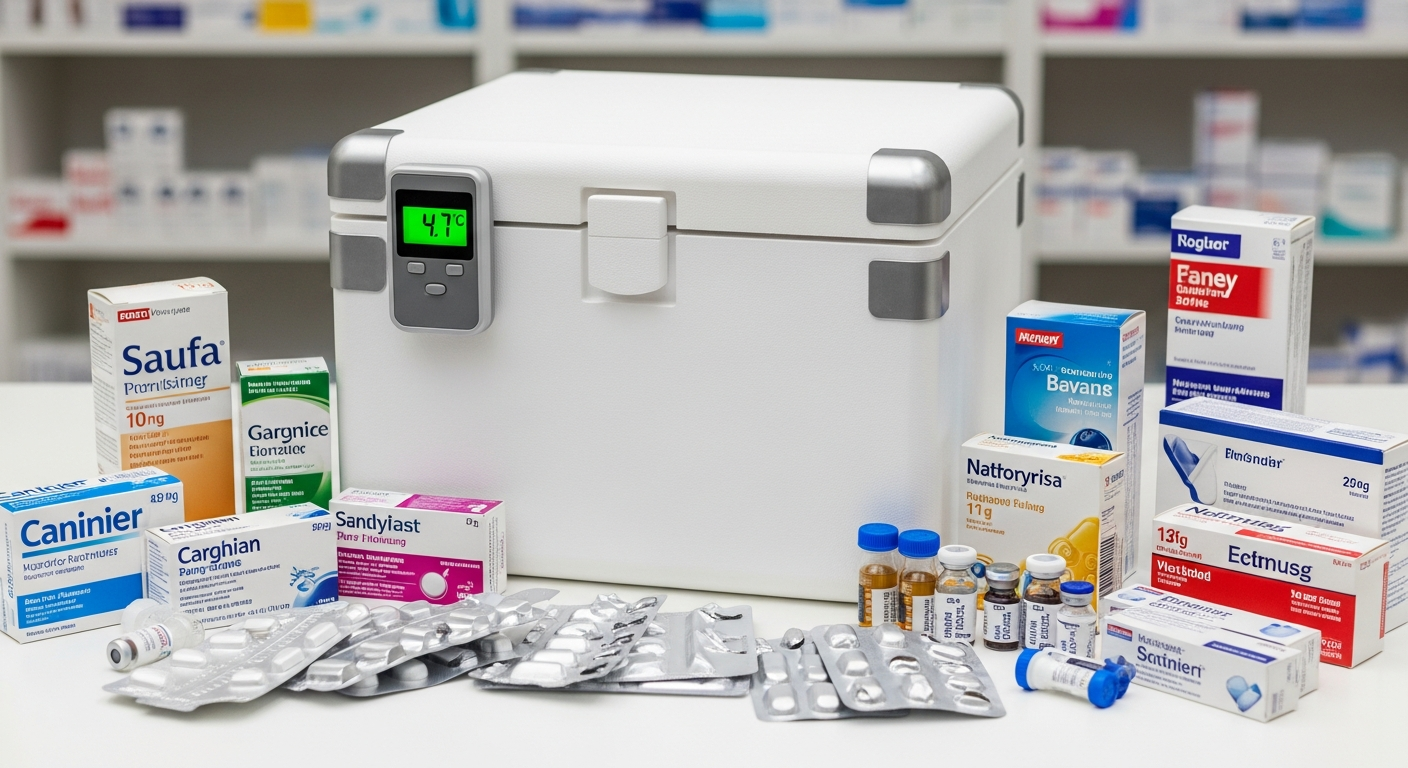
Not all medications present the same transport challenges, but nearly all require handling that exceeds the capabilities of a general delivery service. The pharmaceutical categories that most frequently require specialized courier services include controlled substances, biologics, chemotherapy agents, specialty drugs, and compounded medications, each with distinct regulatory, temperature, and documentation requirements that must be addressed during transport.
Controlled substances are the most heavily regulated category of pharmaceutical transport. Schedule II through V medications are subject to DEA oversight under the Controlled Substances Act, which mandates documented chain of custody, secure handling, and detailed record-keeping for every transfer. Any gap in the chain of custody for a controlled substance does not just create a compliance issue; it can trigger a DEA investigation, suspension of a pharmacy’s registration, and potential criminal liability. Pharmaceutical couriers handling controlled substances must understand and implement protocols that satisfy DEA requirements at every stage of transport.
Biologics and biosimilars, including monoclonal antibodies, vaccines, blood-derived products, and gene therapies, present unique transport challenges because they are inherently sensitive to temperature, light, and agitation. Many biologics must be maintained within a narrow 2-8 degrees Celsius range throughout transport. Some, including certain cell and gene therapies, require cryogenic storage at temperatures below -150 degrees Celsius. Any deviation from required conditions can alter the molecular structure of these products, rendering them ineffective or potentially harmful. The FDA’s Current Good Manufacturing Practice regulations extend to the distribution and transport phase, making temperature documentation during transit a regulatory requirement, not an operational preference.
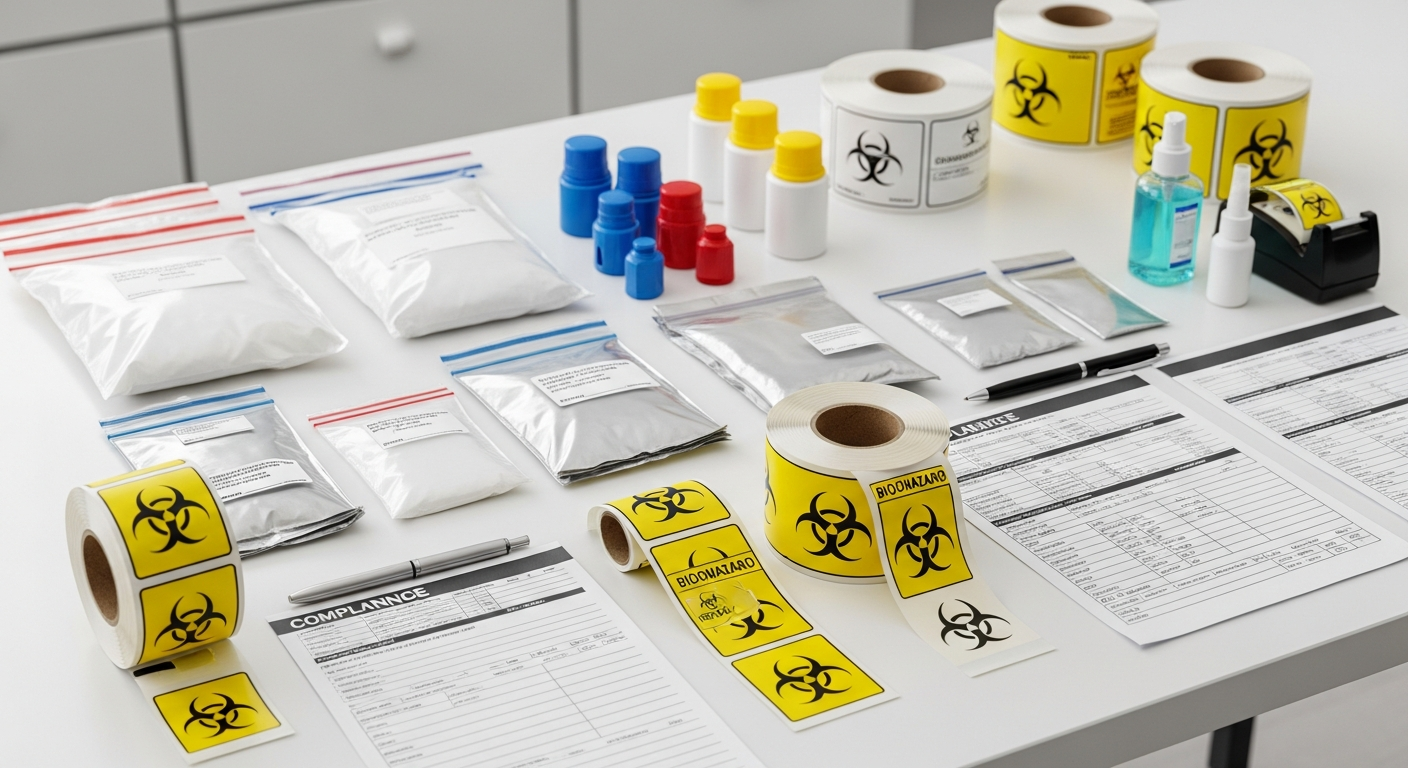
Chemotherapy agents combine the temperature sensitivity of biologics with additional hazardous materials handling requirements. Many chemotherapy drugs are classified as hazardous by OSHA’s Hazardous Drugs guidelines, requiring couriers trained in spill containment, personal protective equipment usage, and proper packaging to prevent exposure during transport. A medication courier who handles chemotherapy without proper hazmat training endangers themselves, the patient, and everyone in the transport chain.
Specialty drugs, often high-cost medications for rare or complex conditions, frequently require temperature control, limited viability windows, and strict chain of custody documentation. Many specialty drugs cost thousands of dollars per dose, making a single transport failure financially significant before accounting for the clinical impact on the patient who does not receive their medication on time or receives a compromised product.
Compounded medications present transport challenges related to stability and sterility. Compounded sterile preparations have beyond-use dates that begin at the point of preparation, creating time-sensitive delivery windows. The United States Pharmacopeia Chapter 797 establishes sterility standards that extend through the transport phase, meaning a pharmaceutical courier handling compounded sterile preparations must maintain temperature conditions and handling protocols that preserve both sterility and potency throughout the delivery.
2. Regulatory Framework for Pharmaceutical Transport
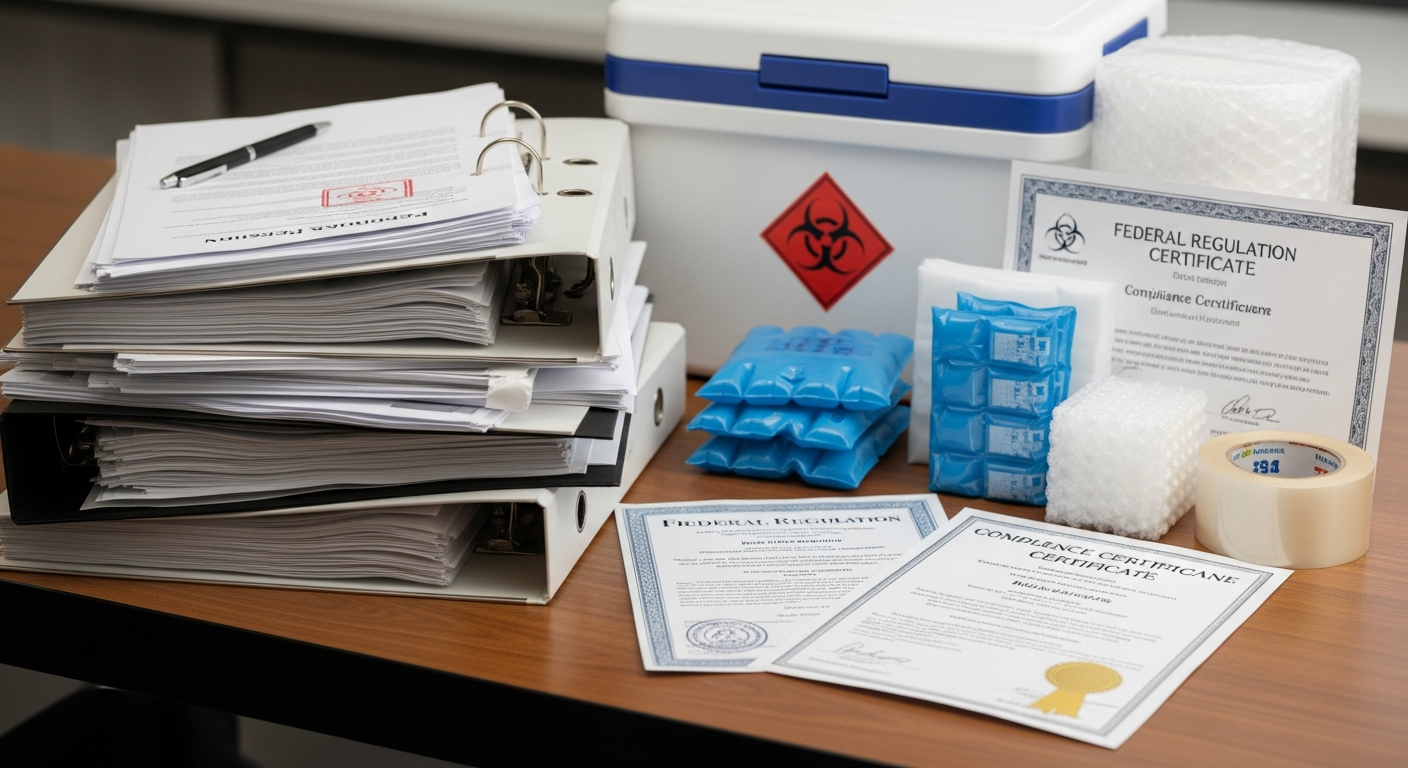
The regulatory environment governing pharmaceutical courier services involves multiple overlapping jurisdictions, each with specific requirements that transport operations must satisfy simultaneously. Understanding this framework is essential for any healthcare organization selecting a pharmaceutical delivery partner, because the organization itself retains compliance responsibility regardless of which courier handles the physical transport.
The Drug Enforcement Administration governs the transport of controlled substances. DEA regulations require that controlled substances be transported with documented chain of custody, that records be maintained for a minimum of two years, and that any losses or thefts be reported promptly. For pharmaceutical couriers transporting Schedule II medications such as opioids and stimulants, DEA compliance is not optional. Non-compliance can result in immediate suspension of the pharmacy’s or distributor’s DEA registration, effectively shutting down their ability to handle controlled substances entirely.
The FDA’s Drug Supply Chain Security Act (DSCSA) establishes requirements for the electronic, interoperable tracing of pharmaceutical products through the distribution chain. By the time full enforcement takes effect, all participants in the pharmaceutical supply chain, including couriers handling prescription drugs, will need to maintain transaction documentation that enables product tracing from manufacturer to dispenser. A comprehensive medical courier service must have the digital infrastructure to participate in this traceability framework.
State pharmacy boards add jurisdiction-specific requirements that complicate pharmaceutical transport across state lines. Some states require couriers transporting prescription medications to hold specific licenses or permits. Others impose temperature documentation requirements, delivery time constraints, or patient identification verification protocols at the point of delivery. For a pharmaceutical courier service operating across a multi-state service area such as New York, New Jersey, Connecticut, and the broader Northeast, understanding and complying with each state’s board of pharmacy regulations is a continuous compliance obligation.
HIPAA applies to pharmaceutical transport because prescription medications are inherently linked to protected health information. The prescription label, the medication itself, the delivery address, and the patient identity all constitute PHI that must be protected during transport. A HIPAA-compliant medical courier must implement safeguards that prevent unauthorized access to patient information at every stage of the delivery process.
Regulatory Framework Summary:
- DEA: Chain of custody, two-year recordkeeping, loss and theft reporting for controlled substances
- FDA/DSCSA: Electronic traceability and transaction documentation through the pharmaceutical supply chain
- State pharmacy boards: Jurisdiction-specific licensing, temperature documentation, and delivery protocols
- OSHA: Hazardous drug handling, spill containment, and personal protective equipment requirements
- HIPAA: Protection of patient information on prescription labels, delivery addresses, and medication orders
3. Cold Chain Requirements by Drug Category
Temperature control is the single most critical operational requirement in pharmaceutical courier services. The World Health Organization estimates that approximately 25% of vaccines and temperature-sensitive medications arrive at their destination in a degraded state due to improper cold chain management globally. In the United States, pharmaceutical waste from temperature excursions during transport contributes to an estimated $35 billion in annual pharmaceutical waste, according to industry analyses. These losses are not just financial. They translate directly into patients not receiving effective medications and healthcare organizations absorbing replacement costs, regulatory consequences, and reputational damage.
Different pharmaceutical categories require different temperature ranges, and a qualified cold chain logistics provider must be equipped to maintain each range with documented evidence of compliance throughout transit. Controlled room temperature medications (20-25 degrees Celsius) require protection from extreme heat and cold during transport, which in the Northeast means climate-controlled vehicles in both summer and winter. Refrigerated medications (2-8 degrees Celsius), including most vaccines, insulin products, and many biologics, require validated cold chain packaging with continuous temperature monitoring. Frozen medications (-20 degrees Celsius) demand specialized packaging with dry ice or gel packs validated for the transport duration. Cryogenic products (-150 degrees Celsius and below), including cell and gene therapies, require liquid nitrogen dewars and specialized handling protocols.
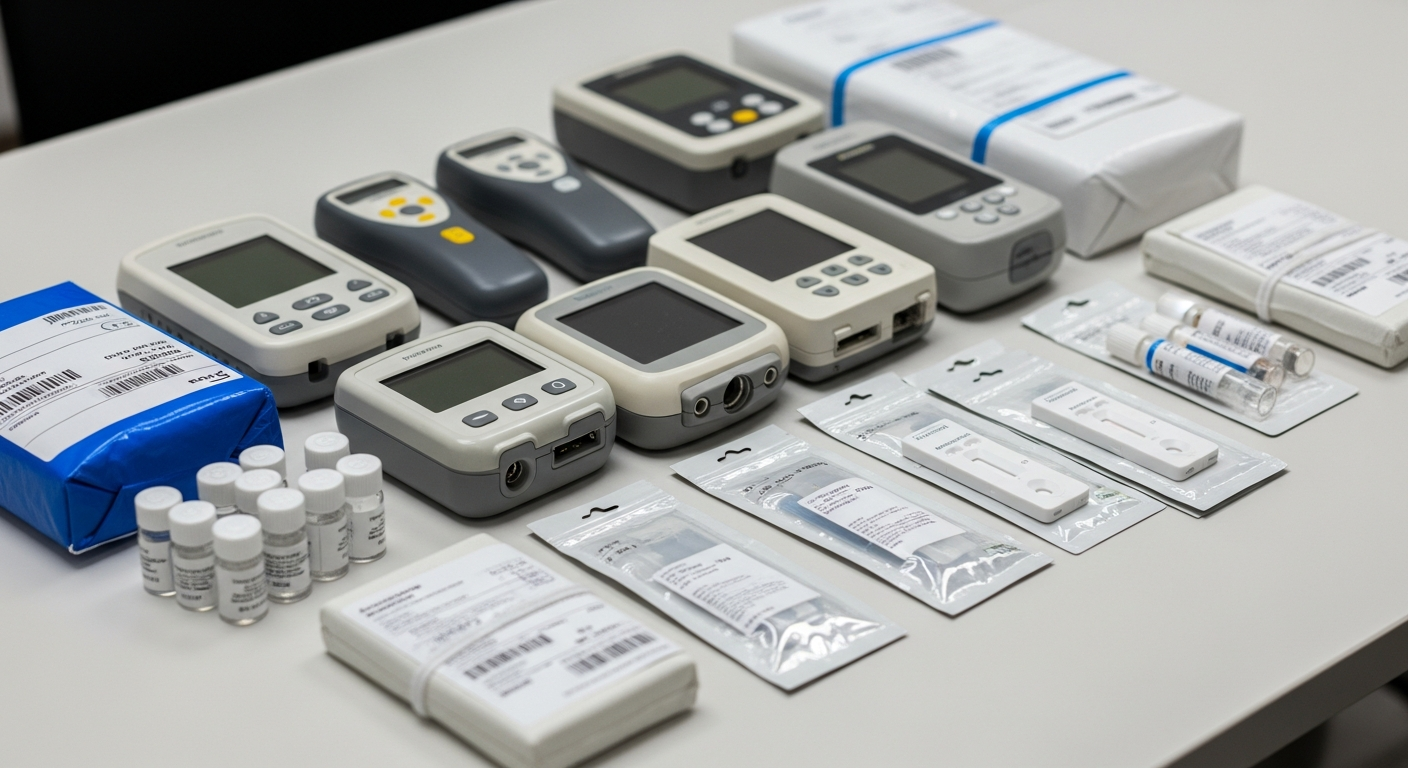
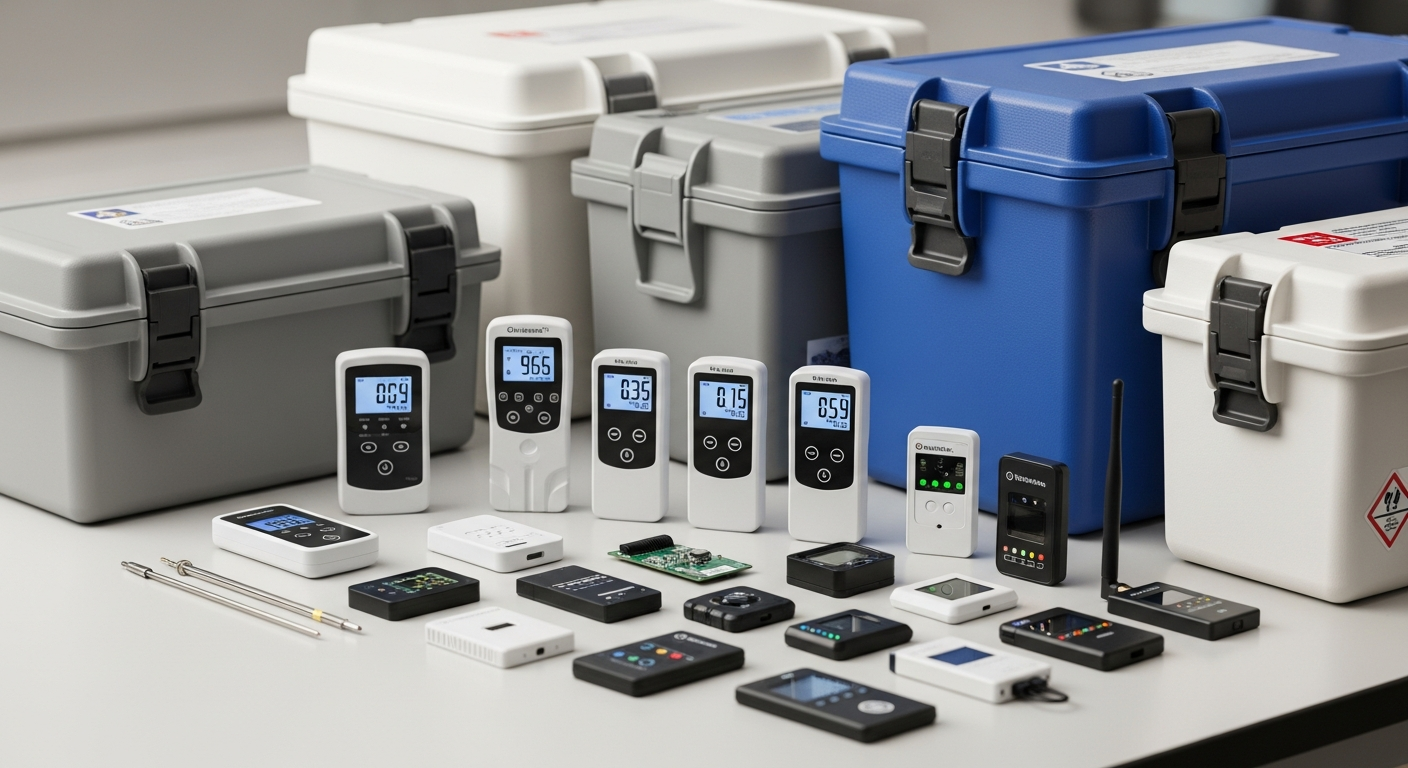
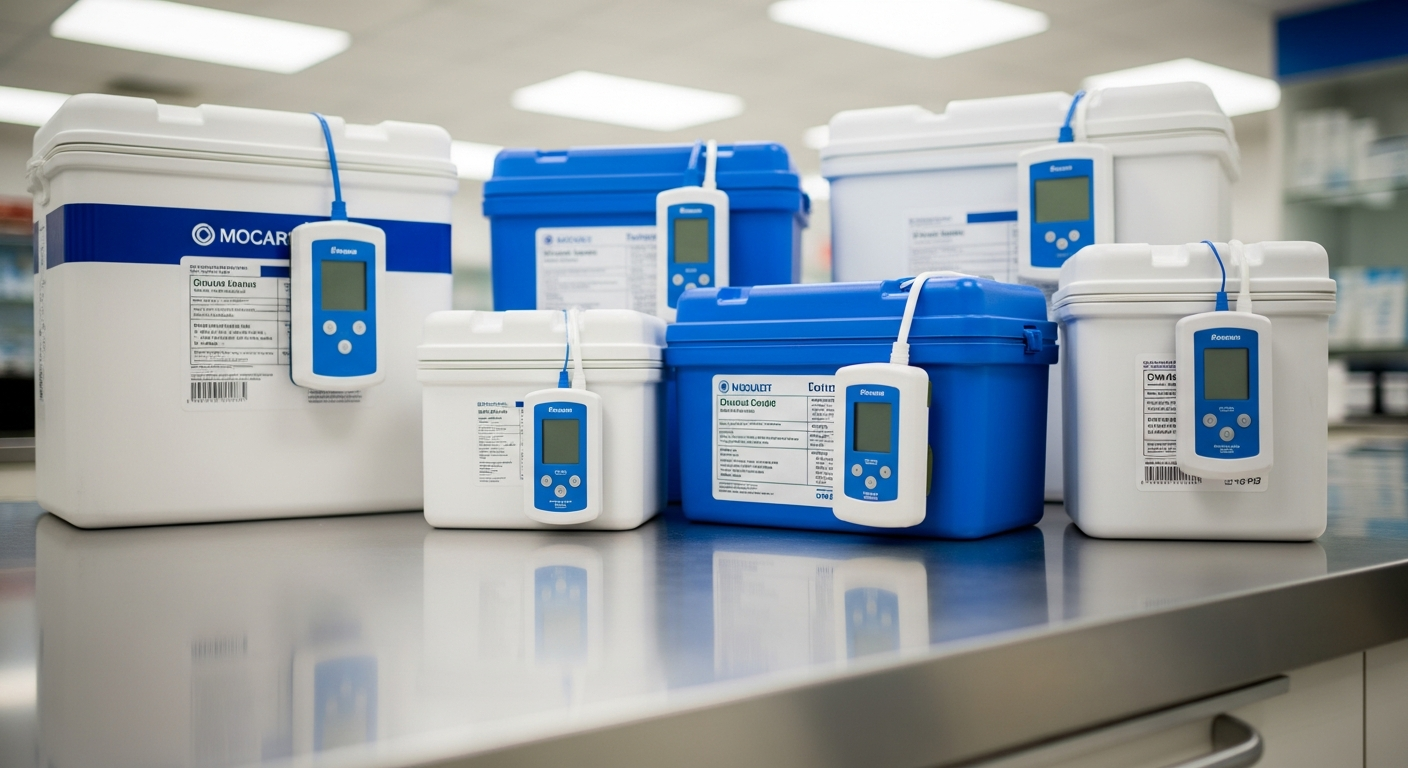
The critical difference between a pharmaceutical courier service and a general delivery provider is documentation. Maintaining the correct temperature is necessary, but it is not sufficient. The courier must also prove that the correct temperature was maintained throughout the entire transit period. This requires calibrated digital temperature monitoring devices that produce time-stamped, downloadable records showing the temperature at defined intervals throughout the delivery. These records must be retained and available for regulatory inspections, quality reviews, and client reporting. Real-time tracking that includes temperature data gives healthcare organizations visibility into conditions during transit, not just upon delivery, enabling intervention before a temperature excursion renders the medication unusable.
Temperature Requirements by Pharmaceutical Category:
- Controlled room temperature (20-25 degrees C): Most oral medications, topicals, and non-sensitive injectables
- Refrigerated (2-8 degrees C): Vaccines, insulin, most biologics, many compounded preparations
- Frozen (-20 degrees C): Certain biologics, some compounded preparations, plasma-derived products
- Deep frozen (-70 degrees C): Specific mRNA vaccines and certain research compounds
- Cryogenic (-150 degrees C and below): Cell therapies, gene therapies, certain reproductive materials
4. Chain of Custody and Documentation Standards
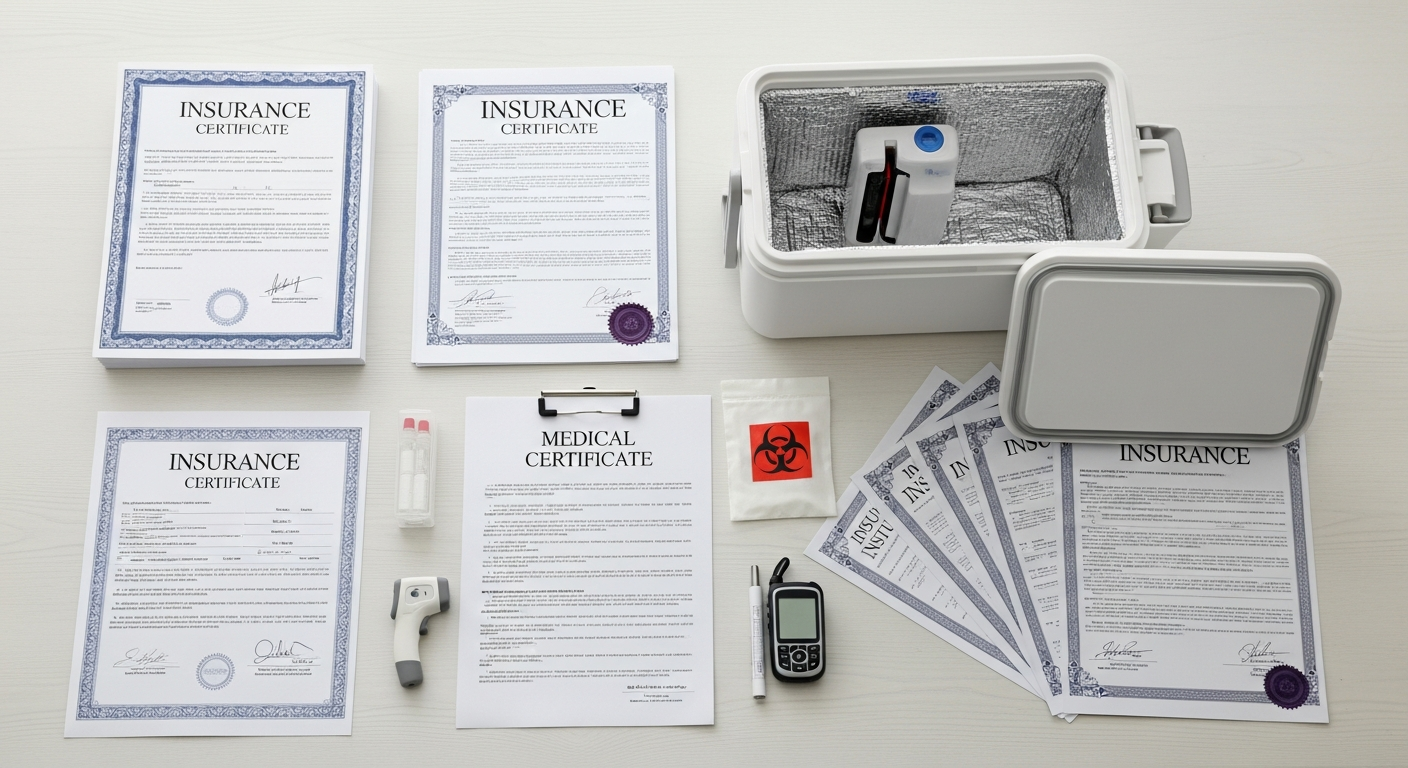
Pharmaceutical chain of custody requirements are more rigorous than those for most other medical materials because of the dual regulatory exposure from both healthcare regulations and drug enforcement laws. Every transfer of a pharmaceutical product from one party to another must be documented with the identity of the person releasing the product, the identity of the person receiving it, the time of transfer, the condition of the product at each handoff, and the temperature data confirming that cold chain integrity was maintained. For controlled substances, this documentation must also include lot numbers, quantities, and reconciliation records that allow auditors to account for every unit from dispensing through delivery.
A robust chain of custody system for pharmaceutical transport must be digital, automated, and audit-ready. Paper-based logs are susceptible to loss, illegibility, and gaps that create compliance vulnerabilities. Digital chain of custody platforms capture every handoff automatically through electronic signatures, barcode scanning, GPS-verified location data, and time-stamped temperature readings. These records must be accessible for a minimum of two years for controlled substances and six years under certain state pharmacy board requirements, making reliable digital archiving essential.
Patient delivery documentation adds another layer of requirement for pharmacy courier operations. Depending on the medication type and state regulations, the courier may need to verify patient identity, obtain a delivery signature, confirm the patient is aware of storage requirements, and document that the medication was delivered to an appropriate person rather than left unattended. For controlled substance deliveries, identification verification is not optional, and the documentation must be retrievable by the pharmacy for DEA audit purposes. These delivery-point documentation requirements distinguish a qualified pharmaceutical delivery service from a standard package courier.
The technology infrastructure supporting pharmaceutical chain of custody must also integrate with the pharmacy’s own systems. Delivery confirmation, temperature records, and exception reports should flow automatically into the pharmacy’s quality management system, reducing manual data entry and ensuring that compliance documentation is complete without requiring pharmacists to chase paper records from their courier provider. An integrated technology platform that connects dispatch, tracking, monitoring, and reporting into a single system makes this integration possible and reduces the administrative burden on pharmacy staff.
Documentation Requirements for Pharmaceutical Transport:
- Electronic signatures at every handoff with timestamped GPS-verified location
- Continuous temperature monitoring data linked to each shipment record
- Lot number, quantity, and NDC tracking for controlled substances
- Patient identity verification and delivery signature at the point of receipt
- Automated archiving of all records for regulatory retention period compliance
5. Selecting a Pharmaceutical Courier Partner
The criteria for selecting a pharmaceutical courier service extend well beyond delivery speed and pricing. Healthcare organizations must evaluate potential partners against a comprehensive set of compliance, operational, and technology requirements that directly impact patient safety and regulatory standing. A courier that delivers packages on time but cannot produce documented temperature records, verified chain of custody, or proof of courier training is not a pharmaceutical courier. It is a liability.
First, verify that the courier’s personnel hold current, documented training and certifications relevant to pharmaceutical transport. This includes OSHA hazardous drug handling training, HIPAA privacy and security awareness, DOT hazardous materials training if applicable, and specific protocols for controlled substance chain of custody. Ask for documentation, not assurances. A qualified pharmaceutical courier service should be able to produce training records, certification dates, and recertification schedules for every courier handling pharmaceutical deliveries.
Second, evaluate the cold chain infrastructure. The courier should use validated, temperature-mapped packaging for every temperature category they transport. They should deploy calibrated digital temperature monitoring devices that produce downloadable, time-stamped records. They should have documented standard operating procedures for temperature excursion response, including notification protocols, hold procedures, and client communication workflows. Ask for sample temperature reports and excursion response documentation from actual deliveries. A courier that cannot produce this documentation does not have the cold chain infrastructure that pharmaceutical transport requires.
Third, assess the technology platform. Pharmaceutical courier operations generate large volumes of compliance-critical data, and that data must be captured, stored, and accessible through a robust technology system. The platform should provide real-time delivery tracking, automated chain of custody documentation, integrated temperature monitoring, exception alerting, and audit-ready reporting. It should also integrate with your organization’s systems to reduce manual processes and ensure documentation completeness. AI-driven healthcare logistics platforms add predictive capabilities, automated dispatch optimization, and data analytics that continuously improve delivery performance and compliance outcomes.
Fourth, evaluate the courier’s service scope and reliability. Pharmaceutical delivery demands are not confined to business hours. Discharge medications, emergency prescriptions, clinical trial supplies, and time-sensitive biologics require delivery capabilities that operate 24/7/365. The courier should demonstrate adequate geographic coverage, sufficient driver capacity to handle volume fluctuations, and contingency protocols for vehicle breakdowns, weather events, and other disruptions. For healthcare organizations in multi-state service areas, the courier must also demonstrate familiarity with the regulatory requirements of each state in their coverage footprint.
carGO Health provides pharmaceutical courier services built on the compliance, cold chain, and technology infrastructure that regulated pharmaceutical transport demands. With AI-powered dispatch, real-time temperature monitoring, digital chain of custody, HIPAA and OSHA compliance, and 24/7/365 availability across New York, New Jersey, Connecticut, Massachusetts, Vermont, New Hampshire, Eastern Pennsylvania, Delaware, Maryland, and Virginia, carGO Health serves pharmacies, hospitals, and specialty distributors who require documented compliance with every delivery.
If your organization needs a pharmaceutical delivery partner with verified compliance, integrated cold chain monitoring, and the technology infrastructure to support regulated pharmaceutical transport, request a demo to see how carGO Health ensures medication integrity from pickup through patient delivery.
Key Takeaways
Pharmaceutical courier services require a level of regulatory knowledge, cold chain capability, documentation infrastructure, and operational reliability that general courier services cannot provide. The overlapping requirements of the DEA, FDA, state pharmacy boards, OSHA, and HIPAA create a compliance environment where every transport decision has regulatory and clinical implications. Healthcare organizations must select pharmaceutical delivery partners based on verified compliance capabilities, documented cold chain performance, digital chain of custody systems, and technology platforms that provide the transparency and auditability that regulated pharmaceutical transport demands.
Frequently Asked Questions
What are pharmaceutical courier services?
Pharmaceutical courier services are specialized medical delivery operations that transport prescription medications, controlled substances, biologics, chemotherapy agents, specialty drugs, and compounded preparations. Unlike general couriers, pharmaceutical delivery services maintain cold chain infrastructure, documented chain of custody, regulatory compliance with DEA, FDA, and state pharmacy board requirements, and trained personnel certified in hazardous drug handling and HIPAA privacy protection.
What regulations govern pharmaceutical delivery?
Pharmaceutical delivery is governed by multiple overlapping regulatory frameworks. The DEA regulates controlled substance transport with chain of custody and recordkeeping requirements. The FDA’s Drug Supply Chain Security Act mandates electronic product traceability. State pharmacy boards impose jurisdiction-specific licensing and documentation requirements. OSHA governs hazardous drug handling, and HIPAA requires protection of patient information associated with prescription medications.
What temperature control is required for pharmaceutical transport?
Temperature requirements vary by drug category. Controlled room temperature medications require 20-25 degrees Celsius. Refrigerated medications, including most vaccines and biologics, require 2-8 degrees Celsius. Frozen products require -20 degrees Celsius. Deep frozen materials, including certain mRNA vaccines, require -70 degrees Celsius. Cryogenic products such as cell and gene therapies require -150 degrees Celsius or below. All temperature ranges must be documented with calibrated monitoring devices throughout transport.
How does chain of custody work for controlled substance deliveries?
Chain of custody for controlled substances requires documented identification of every person who handles the medication, timestamped records of every transfer, lot number and quantity tracking, and reconciliation records that account for every unit from dispensing through delivery. Patient identity verification and delivery signatures are required at the point of receipt. All records must be retained for a minimum of two years per DEA requirements and longer under some state regulations.
What should pharmacies look for in a pharmaceutical courier partner?
Pharmacies should evaluate courier partners on four criteria: verified personnel training and certifications for pharmaceutical handling, validated cold chain infrastructure with documented temperature monitoring, digital chain of custody systems that produce audit-ready compliance records, and a technology platform that provides real-time tracking, automated documentation, and integration with the pharmacy’s quality management systems. The courier should also offer 24/7/365 availability and have experience with the regulatory requirements of each state in their service area.
Related Reading
- Comprehensive Guide to Medical Courier Services
- Why Hospitals Outsource Medical Courier Operations
- STAT Medical Courier Service: Emergency Response Standards
- Medical Specimen Transport: Protocols and Compliance
- HIPAA Compliant Medical Courier: What to Look For
- Get a Quote — carGO Health Medical Courier Services
Related Resources