Category: Medical Delivery
Vaccine Delivery Logistics: Cold Chain Rules, Excursions and Receiving
A practical guide to vaccine delivery logistics for pharmacies, health systems and clinics: the three temperature tiers, CDC toolkit packing and data loggers, how excursion decisions are made and recorded, pharmacy-to-clinic runs, clinic receiving and flu season capacity.

Holiday Medical Courier Coverage: Planning Thanksgiving to New Year
How laboratories and health systems plan holiday medical courier coverage from Thanksgiving through New Year: volume compression, laboratory holiday hours and the stability clock, reduced-day routes, STAT-only days, four communication templates and capacity for the respiratory season surge.

Specimen Transport Quality Management: A White Paper for Laboratories
A white paper for laboratory directors and quality managers on building a specimen transport quality management system: CLIA, CAP and ISO 15189 hooks, controlled documents, competency, CAPA, courier supplier qualification, quality indicators and inspection readiness.
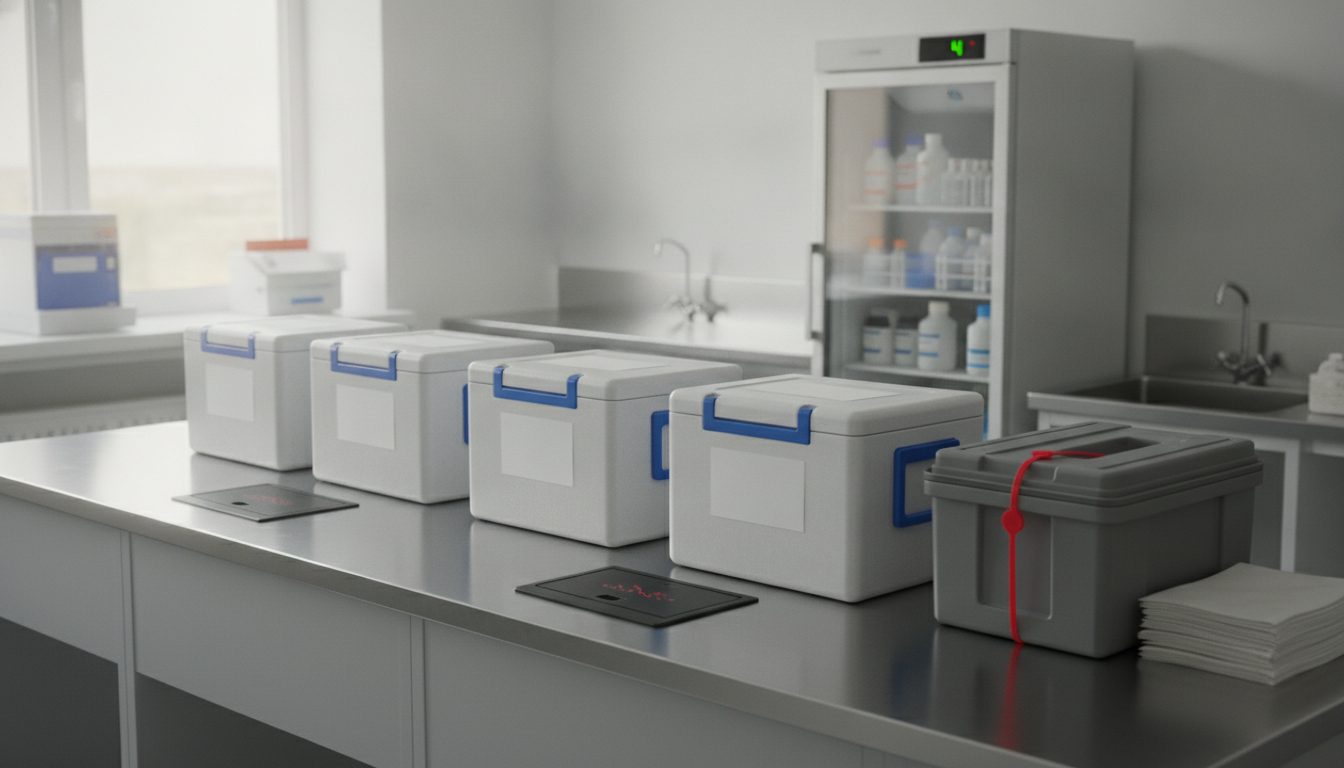
Toxicology Specimen Transport: Forensic vs Clinical Chain of Custody
Forensic and clinical toxicology specimens travel under different rules. This guide covers custody and control forms, tamper seals, split specimens, the 49 CFR Part 40 shipping clock, temperature tiers by specimen type and how to design courier pickups for collection sites.

Newborn Screening and Pediatric Specimen Transport: Dried Blood Spots and Time Limits
Why dried blood spot cards run on a 24-hour clock, how to dry and package them so the state laboratory can test them, what programs require, how pediatric microtainers travel, and how to design a seven-day nursery pickup that holds the window.
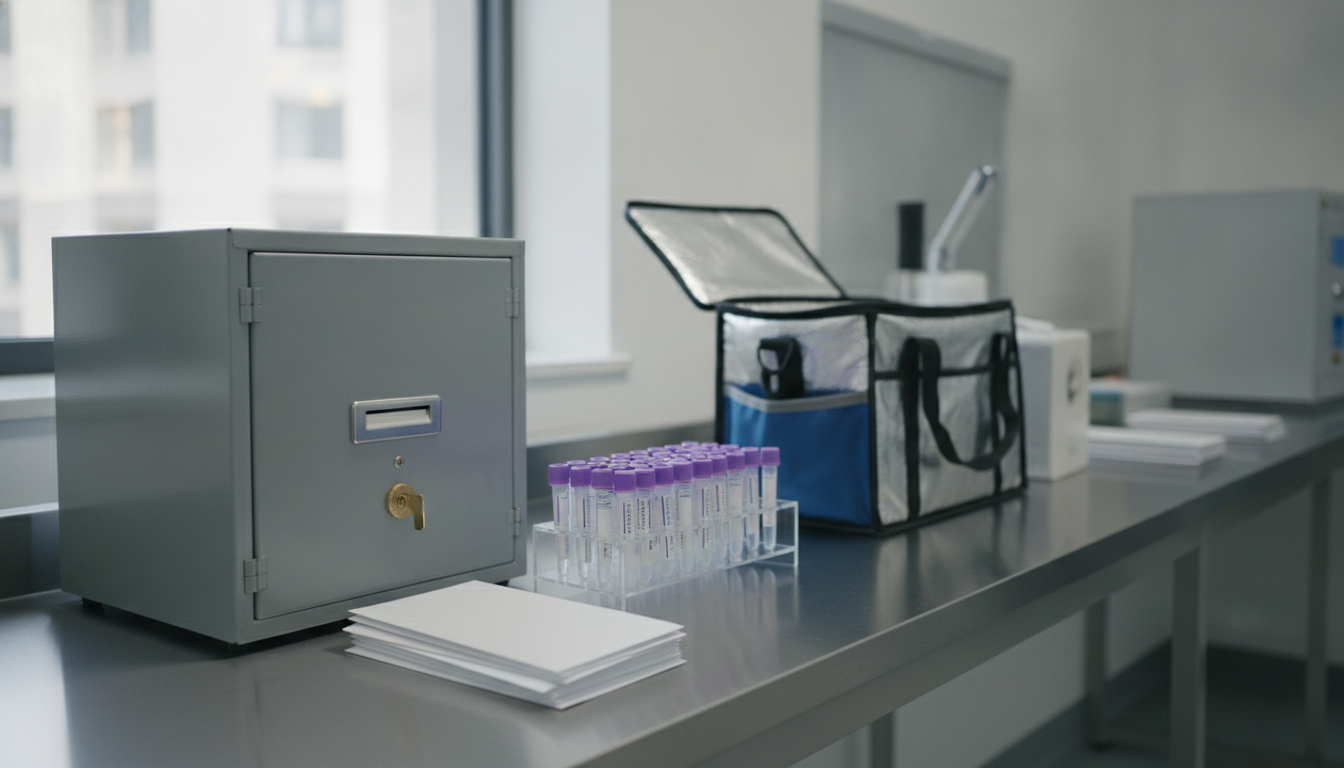
Controlled Substance Transport: DEA Chain of Custody for Schedule II to V Deliveries
What the DEA framework expects when Schedule II to V medications move between registrants or to a patient: who stays accountable, what a courier may and may not do, how Form 222 and the transport record reconcile, in-transit security layers and the one-business-day loss report.
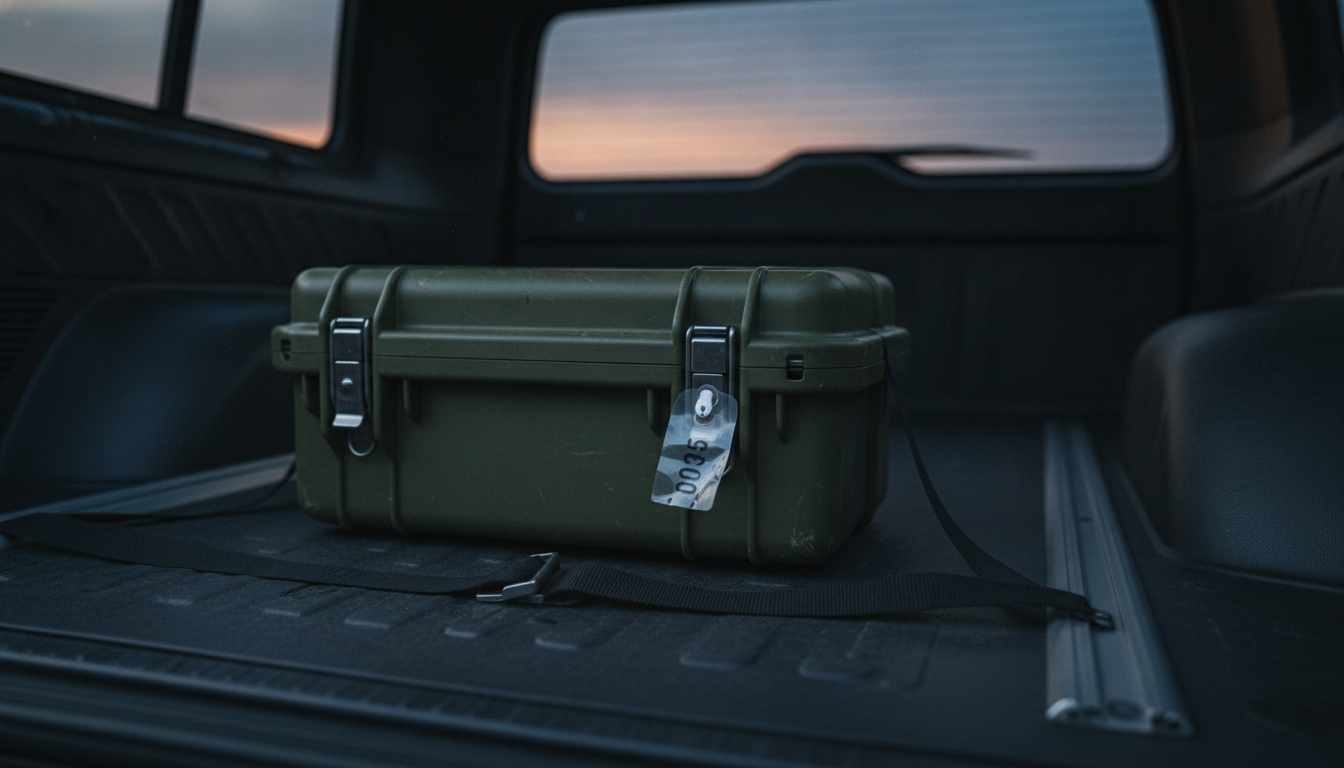
Specialty Pharmacy Delivery Logistics: Cold Chain, Signatures and Patient Scheduling
How specialty pharmacies move biologics to patient homes and infusion clinics: seasonal 2 to 8 degree pack-outs, adult-signature and release rules, a missed-delivery sequence that saves the drug, and privacy rules that hold on the doorstep and at the clinic desk.
Medical Courier RFP Guide: Requirements, Questions and a Scoring Model
How to write a medical courier RFP that returns comparable bids: the volume profile to attach, a pass or fail gate for insurance and training, scenario questions, a 100-point scoring model and a pilot clause with metrics and exit terms.

Interfacility Medical Courier Logistics for Hospital Networks
How an interfacility medical courier program carries the circulation of a consolidated health system: hub-and-spoke flow mapping, core laboratory shuttles, blood product transfers at standard temperatures, pharmacy and controlled substance runs, STAT overlays and the documentation trail.

Cytology Specimen Transport: Liquid-Based Vials, Slides and Aspirates
Cytology specimen transport carries three states of one discipline: liquid-based vials that must not freeze or leak, fixed smear slides that must not break, and unfixed fluids and FNA rinses that must reach the bench cold and fast. Tiers, packaging, identity and turnaround explained.