Medical Courier Insurance: Coverage Requirements for Healthcare Logistics Providers
Standard courier insurance policies are designed for package delivery where maximum exposure is declared shipment value. Medical courier operations face fundamentally different risk profiles requiring specialized coverage.

1. Why Medical Courier Insurance Differs from Standard Coverage
Standard courier insurance policies are designed for package delivery where maximum exposure is declared shipment value. Medical courier operations face fundamentally different risk profiles requiring specialized coverage.
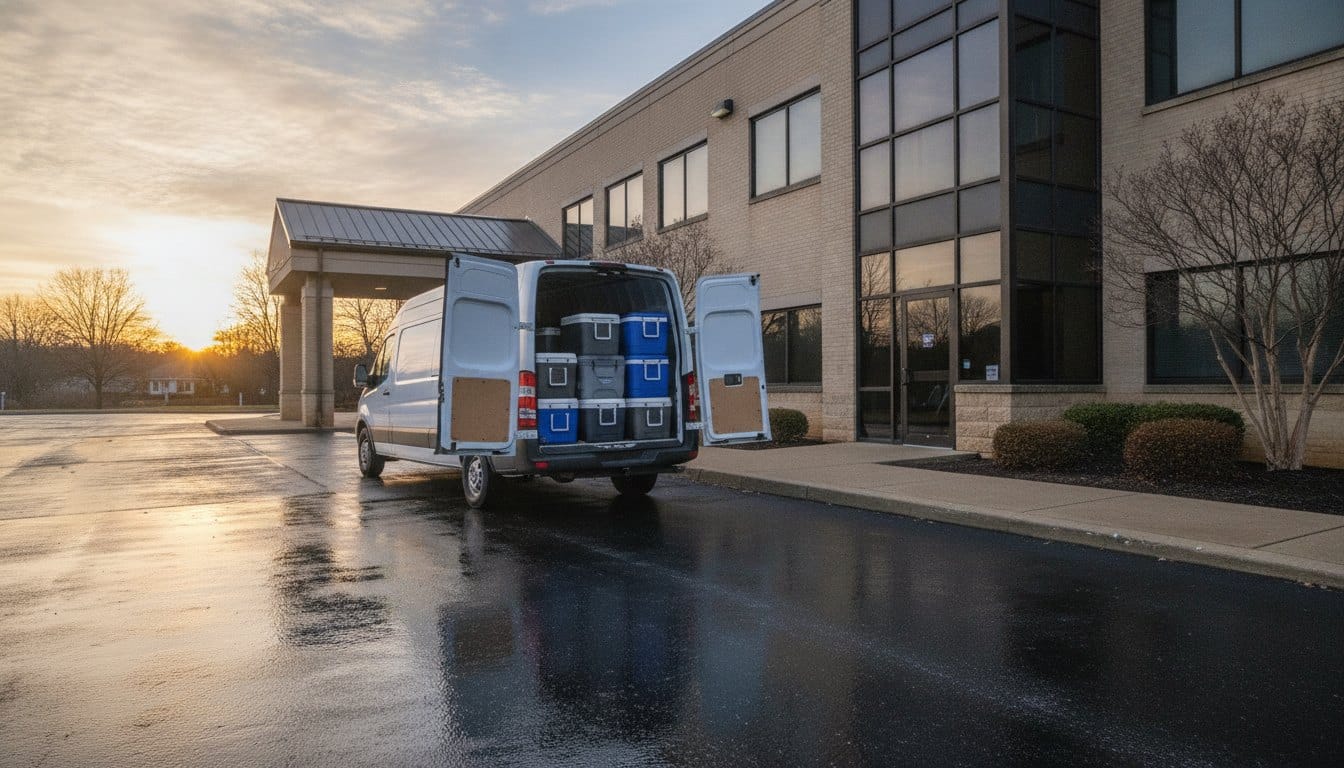
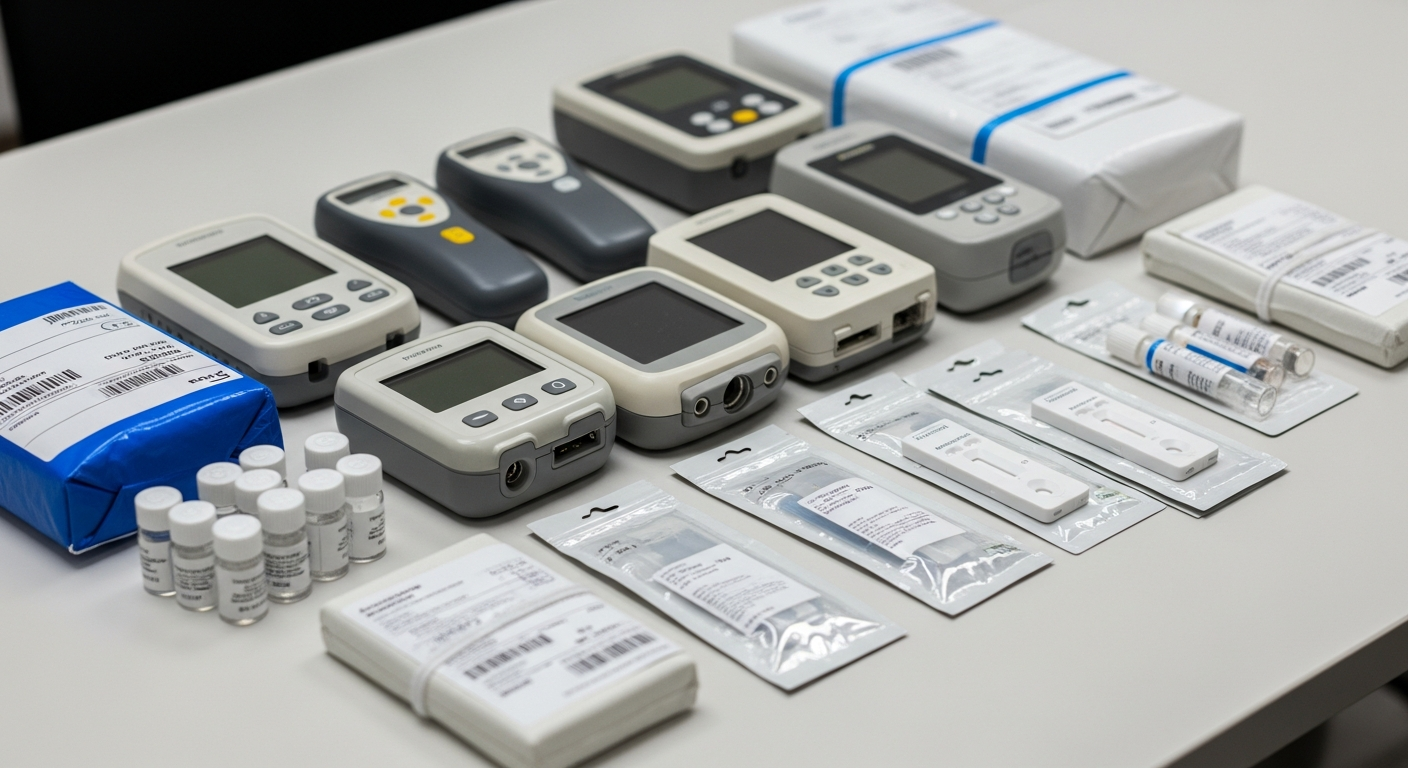
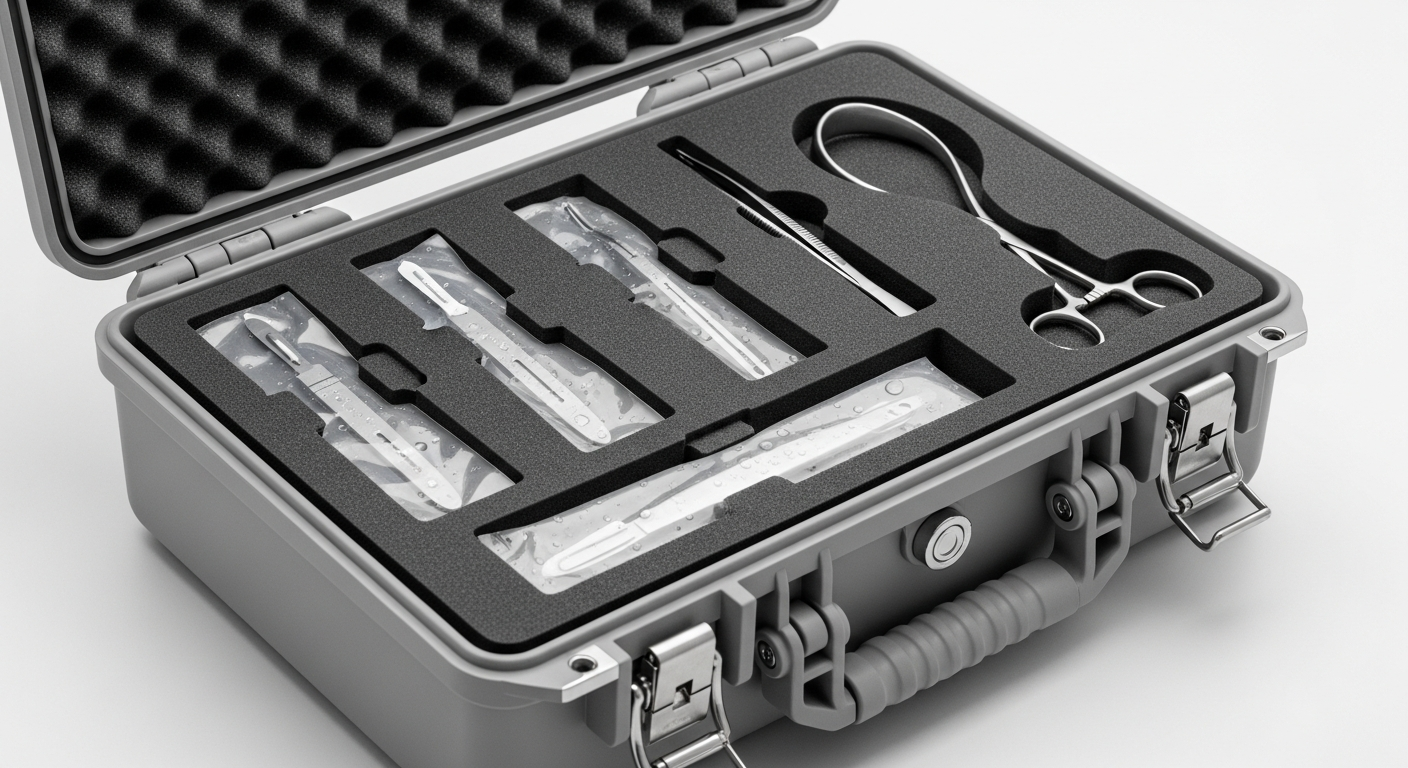
Consider what a medical courier transports. A specimen cooler might contain biopsy samples representing a patient’s only tissue for cancer diagnosis. Blood products could be needed for emergency transfusion. Surgical instruments are required for scheduled procedures.
The value at stake is not replacement cost. It is the clinical consequence of loss, damage, or delay. Medical couriers need coverage for:
- Professional liability for errors in specimen handling
- Consequential damages from delivery failures affecting patient care
- HIPAA breach notification costs and regulatory penalties
- Biohazard exposure incidents involving drivers or third parties
Healthcare facilities evaluating medical courier services should verify coverage addresses these healthcare-specific risks.
2. Essential Coverage Types
A properly insured medical courier maintains multiple coverage types:
Commercial General Liability (CGL): Covers third-party bodily injury and property damage. Industry standard: $1 million per occurrence, $2 million aggregate.
Commercial Auto Insurance: Covers vehicle-related liability and damage. Minimum $1 million combined single limit, with many healthcare clients requiring $2 million or higher.
Professional Liability (E&O): Covers claims from professional service failures such as improper specimen handling or documentation errors. Critical and often missing from non-healthcare couriers.
Cargo/Bailee Insurance: Covers loss or damage to items in care. Policies should specifically cover biological specimens, pharmaceuticals, and medical devices with appropriate valuation.
Cyber Liability: Covers HIPAA breach notification costs, regulatory defense, and damages from data security incidents.
3. What Healthcare Facilities Should Verify
Before contracting with a medical courier, verify insurance thoroughly:
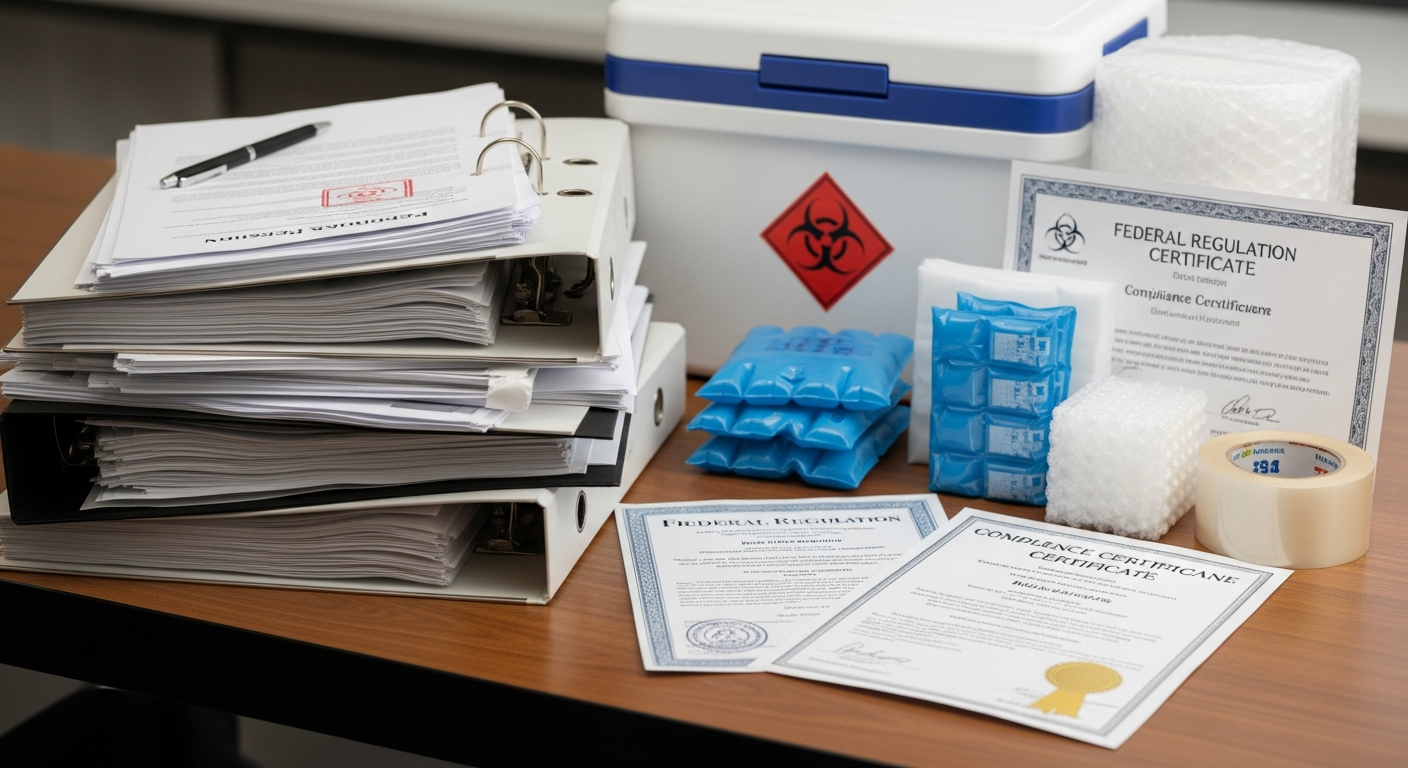
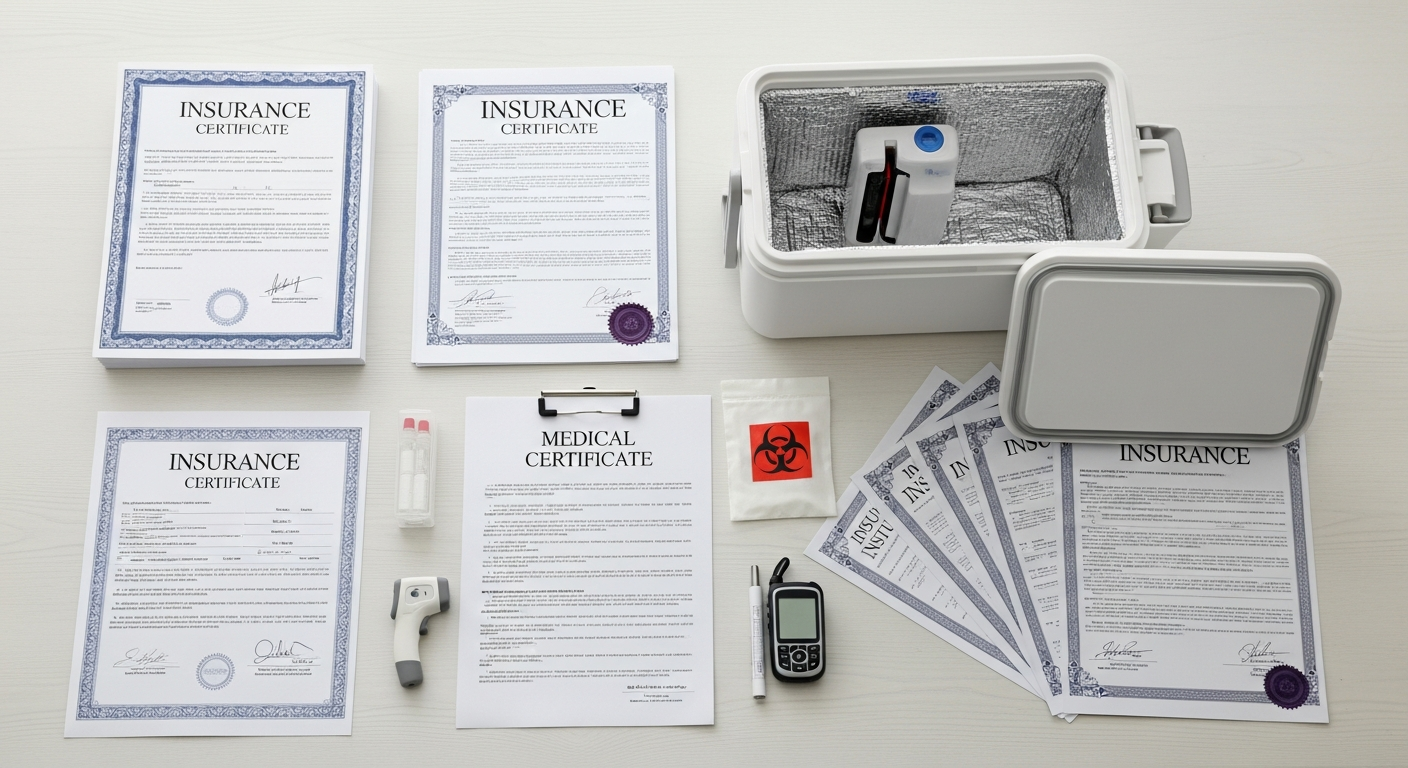
Certificate of Insurance: Request current COIs showing all coverage types, limits, and effective dates. COIs should come directly from the insurance carrier or broker.
Coverage Limits: Compare against your vendor insurance requirements. Many hospital systems require $2 million or higher general liability.
Additional Insured Status: Request additional insured status on CGL and auto policies. This provides your organization direct coverage rights under the courier’s policy.
Workers Compensation: Confirm coverage in every operating state. If the courier uses independent contractors, verify contractor coverage.
Annual Renewal Tracking: Insurance verification is not one-time. Track renewal dates and request updated COIs proactively. Most medical logistics providers provide automatic renewal certificates.
4. Insurance Gaps That Create Hidden Risk
Common gaps to watch for:
Independent Contractor Exclusions: Policies that exclude claims from contractor activities while most drivers are 1099 contractors create a significant coverage gap.
Temperature-Sensitive Cargo Exclusions: Some cargo policies exclude perishable or temperature-sensitive items, eliminating coverage for the majority of medical courier shipments.
Professional Services Limitations: CGL policies typically exclude professional services. Without separate professional liability, there is no coverage for specialized medical courier service failures.
Pollution/Biohazard Exclusions: Standard liability policies often exclude pollution events. A specimen container breaking in a public area could trigger claims outside standard CGL coverage.
Regulatory Action Exclusions: Fines from HIPAA violations, OSHA citations, or DOT enforcement are often excluded from insurance coverage.
5. Risk Management Beyond Insurance
Insurance should be the last line of defense, not the first:
Contractual Protections: Service agreements should include clear indemnification, defined liability limitations, and performance standards with consequences.
Operational Risk Controls: Driver training, vehicle maintenance, temperature monitoring, and chain-of-custody protocols all reduce incident probability and severity.
Business Continuity: What happens if the courier suffers a disruption? Backup plans, redundant capacity, and documented contingency procedures protect healthcare operations.
Regular Assessment: Periodic reviews including ride-alongs, facility inspections, and documentation audits identify and correct risks proactively.
Request a demo to learn how a compliance-first approach protects both your specimens and your organization.
Frequently Asked Questions
What insurance should I verify before hiring a medical courier?
Verify CGL ($1M minimum), commercial auto ($1M minimum), professional liability, cargo insurance covering temperature-sensitive medical items, workers compensation in all operating states, and cyber liability for HIPAA breach exposure.
How much does medical courier insurance cost?
Small operations may spend 8-12 percent of revenue on insurance. Larger operations with favorable claims history may achieve 5-8 percent. Professional liability and cyber coverage typically add 15-25 percent above standard courier insurance costs.
What is additional insured status?
It extends the courier’s insurance coverage to include your organization for claims arising from their operations. Without it, your own insurance responds first if the courier causes an incident at your facility.
Are independent contractor drivers insured?
This varies and is a critical verification point. Some companies maintain insurance covering all drivers regardless of status. Others rely on contractors to carry their own insurance, which may be inadequate. Always verify.
What if a courier has no professional liability insurance?
Claims from errors in medical courier service may not be covered by any policy. The courier would be personally liable but may lack resources to pay claims, leaving the healthcare facility exposed.
Related Resources