Blog
Dedicated Medical Courier Routes vs On-Demand STAT: Which Model Fits
Dedicated medical courier routes, shared scheduled routes and on-demand STAT service each fit a different shape of demand. This guide explains the cost and coverage trade-offs and shows how to size a hybrid from 30 days of your own order data.

Specimen Transport Regulations 2026: A Comprehensive White Paper on Federal, State, and Industry Standards
The regulatory framework governing specimen transport in the United States involves multiple federal agencies, state authorities, and industry accreditation bodies, each with overlapping but distinct requirements. 1. The Current Regulatory Landscape for Specimen Transport The regulatory framework governing specimen transport in the United States involves multiple federal agencies, state authorities, and industry accreditation bodies, each […]
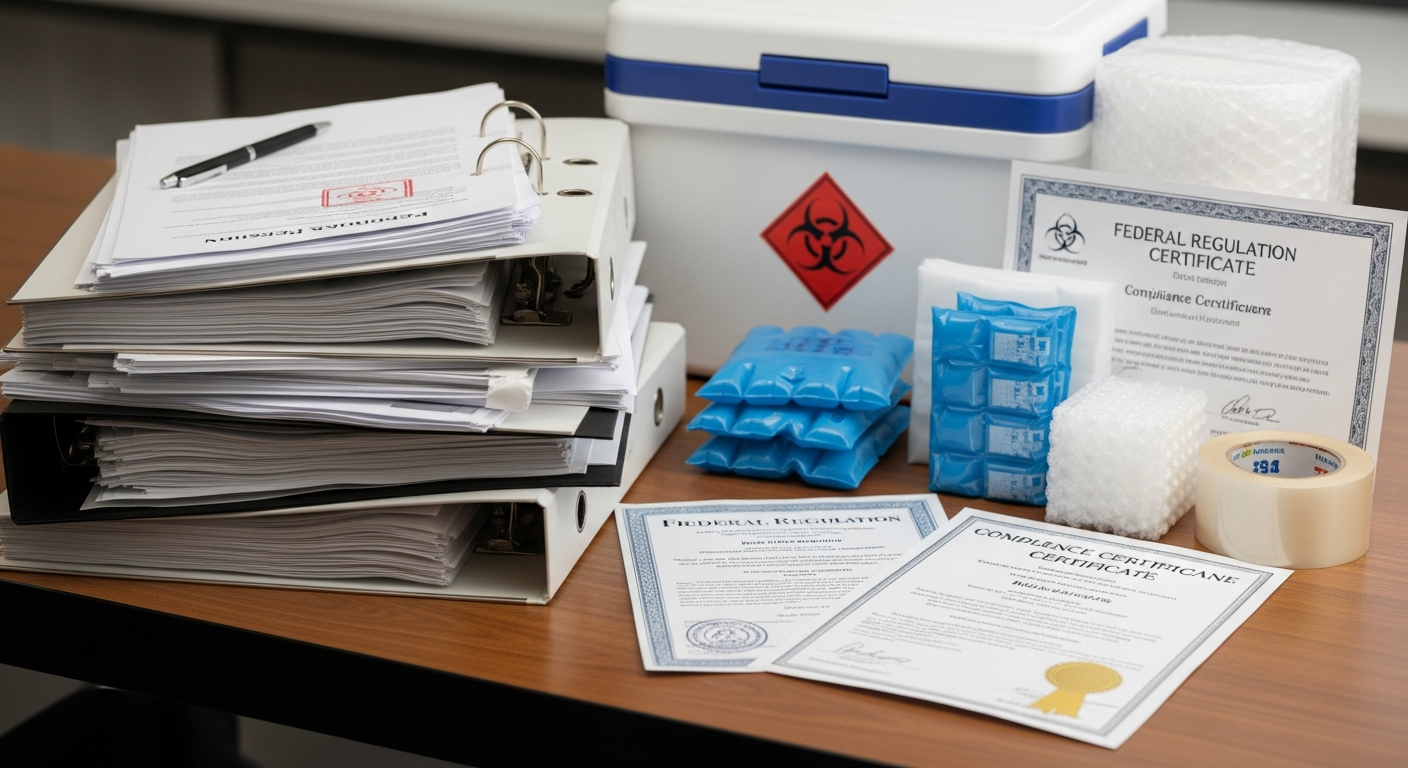
Medical Courier Insurance: Coverage Requirements for Healthcare Logistics Providers
Standard courier insurance policies are designed for package delivery where maximum exposure is declared shipment value. Medical courier operations face fundamentally different risk profiles requiring specialized coverage. 1. Why Medical Courier Insurance Differs from Standard Coverage Standard courier insurance policies are designed for package delivery where maximum exposure is declared shipment value. Medical courier operations […]
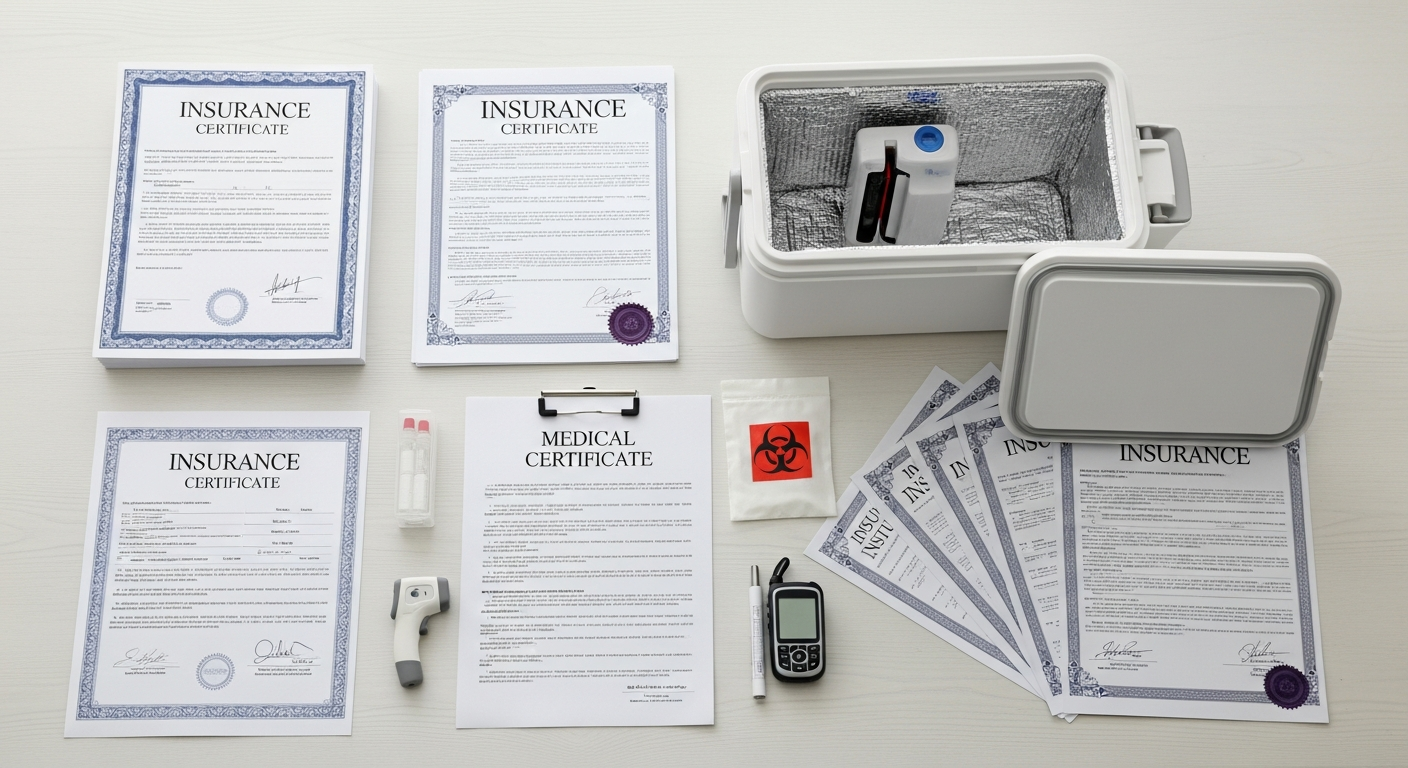
Point-of-Care Testing Logistics: Supporting Rapid Diagnostics with Reliable Supply Chains
Point-of-care testing (POCT) puts diagnostic capability directly where patients are. While POCT eliminates the need to transport patient specimens for many tests, it creates its own logistics requirements that are often underestimated. 1. The Logistics Behind Point-of-Care Testing Programs Point-of-care testing (POCT) puts diagnostic capability directly where patients are. While POCT eliminates the need to […]
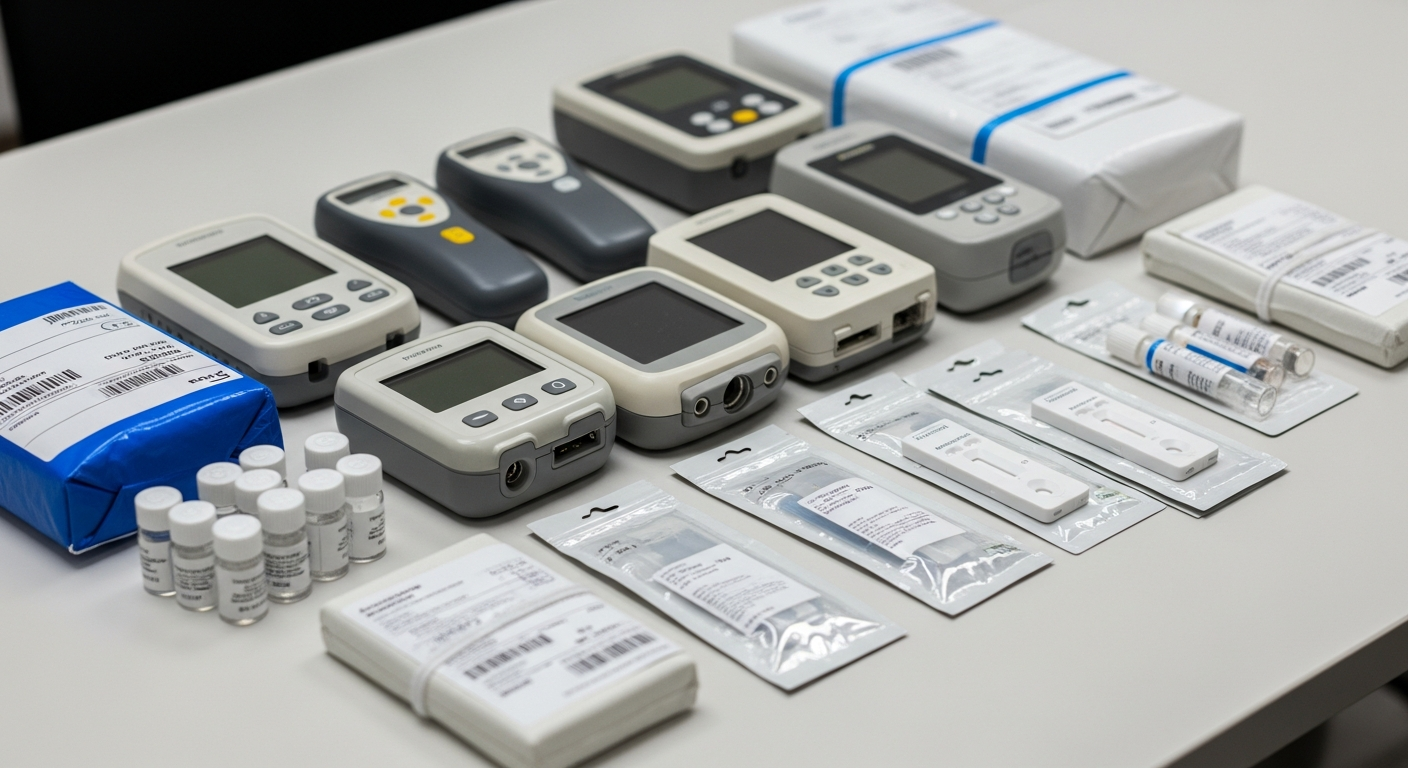
Healthcare Reverse Logistics: Managing Returns, Recalls, and Equipment Retrieval
Healthcare reverse logistics encompasses the movement of materials, equipment, and products backward through the supply chain, from the point of use back to manufacturers, distributors, or disposal facilities. 1. What Healthcare Reverse Logistics Actually Involves Healthcare reverse logistics encompasses the movement of materials, equipment, and products backward through the supply chain, from the point of […]

Veterinary Specimen Transport: Logistics for Animal Diagnostic Laboratories
The veterinary diagnostics market has expanded significantly as pet owners increasingly seek advanced diagnostic testing and livestock operations demand faster turnaround on herd health monitoring. Reference laboratories serving veterinary practices face the same logistics challenges as human diagnostic labs. 1. The Growing Demand for Veterinary Diagnostic Logistics The veterinary diagnostics market has expanded significantly as […]

Medical Courier Performance SLAs and KPIs: Measuring What Matters in Healthcare Logistics
When evaluating a package delivery service, metrics like speed and cost per package tell most of the story. Medical courier performance requires an entirely different measurement framework because consequences of failure are measured in patient outcomes. 1. Why Standard Courier Metrics Do Not Apply to Medical Delivery When evaluating a package delivery service, metrics like […]

Surgical Instrument Transport: Sterile Logistics Between Hospitals and Processing Centers
Every surgical procedure depends on sterile instruments arriving at the right place, at the right time, in the right condition. For hospitals that outsource sterile processing to off-site facilities, courier services become an essential link in the surgical supply chain. 1. The Critical Role of Courier Services in Surgical Instrument Logistics Every surgical procedure depends […]

Temperature Monitoring IoT in Medical Courier Vehicles: Real-Time Cold Chain Visibility
For decades, medical couriers relied on chemical temperature indicators, min-max thermometers, and manual temperature logs to verify cold chain integrity. These methods share a critical flaw: they can only tell you what happened after the fact. 1. Why Traditional Temperature Monitoring Falls Short For decades, medical couriers relied on chemical temperature indicators, min-max thermometers, and […]
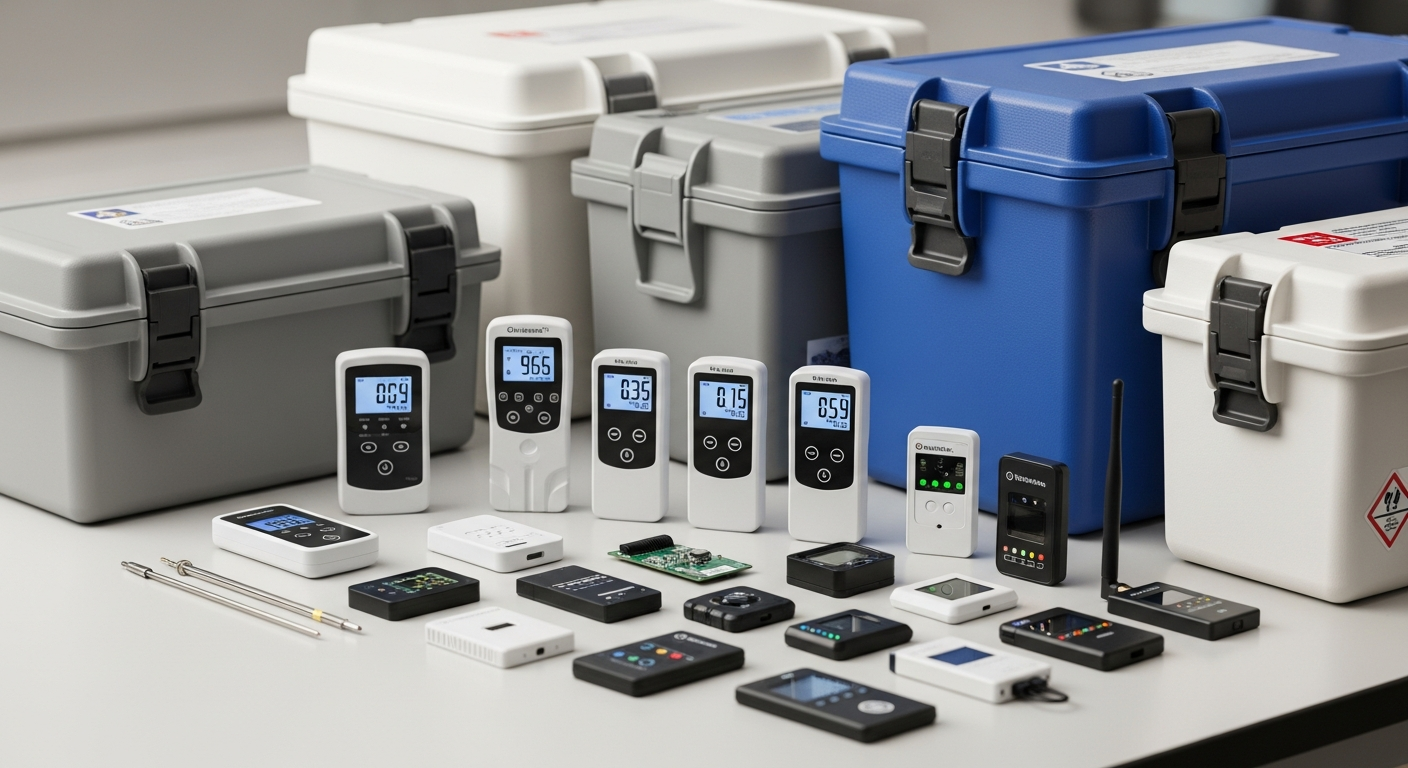
Medical Courier Compliance Checklist: Federal, State, and Industry Requirements
Every medical courier service that handles protected health information (PHI) must comply with the Health Insurance Portability and Accountability Act. This applies whether the courier physically transports paper records, labeled specimens, or digital devices containing patient data. 1. HIPAA Compliance for Medical Courier Services Every medical courier service that handles protected health information (PHI) must […]