Dental Laboratory Courier Services: Protecting Case Quality from Practice to Lab
Updated April 2026 — reviewed and refreshed by carGO Health editorial team.
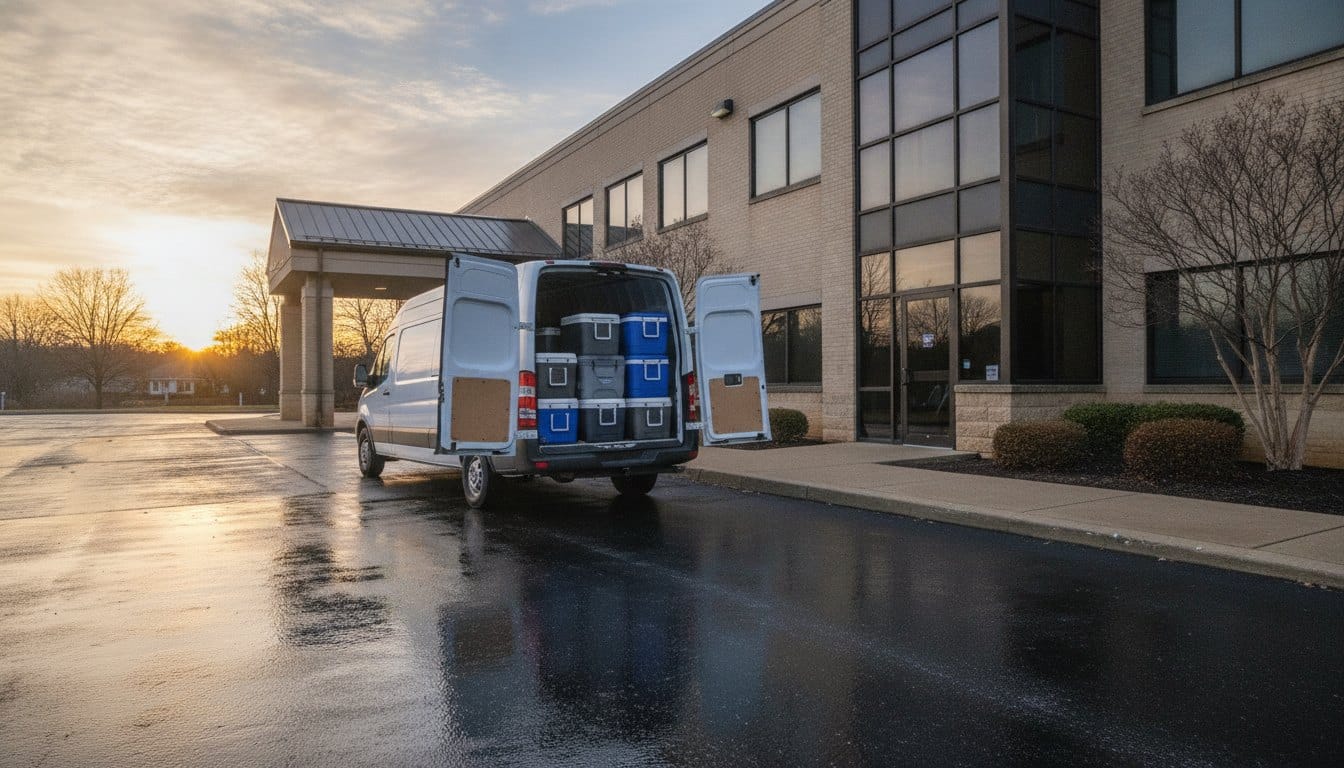
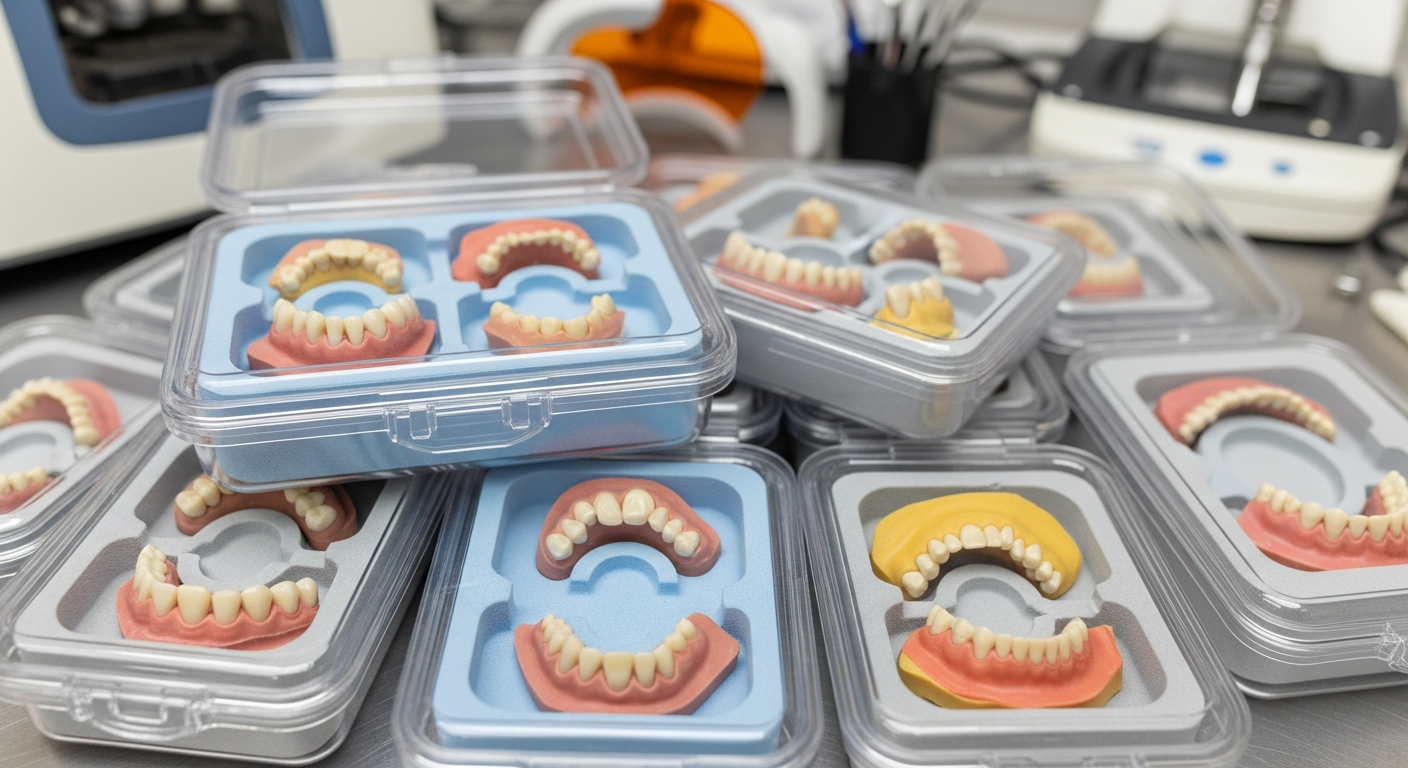
The relationship between dental practices and their laboratory partners depends entirely on logistics. Every crown, bridge, denture, implant abutment, and orthodontic appliance that a laboratory fabricates must be transported to the dental office in condition that meets clinical standards. Every impression, digital scan model, and shade guide that a practice sends to the laboratory must arrive intact and uncontaminated. Dental laboratory courier services are the operational bridge between these two entities, and the quality of that bridge directly affects case turnaround times, remake rates, and the patient experience at the chair.
Despite the critical role that transport plays in the dental laboratory workflow, many practices and labs still rely on standard delivery services, personal vehicle runs, or mail carriers to move cases between locations. These approaches introduce risks that the dental industry has largely accepted as normal: impressions that deform during transit, prosthetics that arrive damaged, cases that are delayed because they were consolidated into a batch delivery schedule that does not match the practice’s clinical schedule. A dedicated dental lab courier service eliminates these risks by providing transport that is designed around the specific requirements of dental materials, fabrication timelines, and practice operations.
1. Why Dental Practices Need Specialized Courier Services
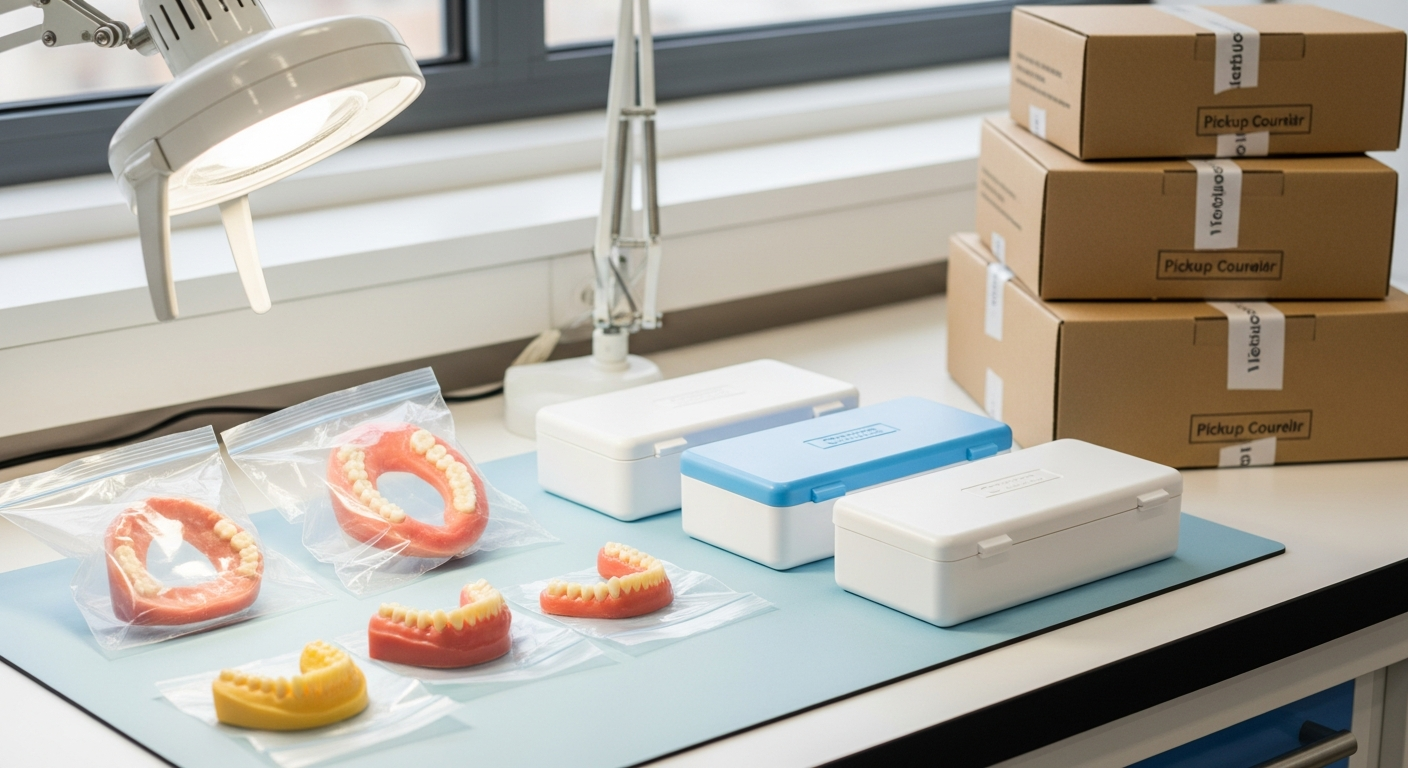
Dental materials are not standard packages. A polyvinyl siloxane impression must maintain its dimensional accuracy from the moment it is removed from the patient’s mouth until it reaches the laboratory technician’s bench. An all-ceramic crown must be transported in protective packaging that prevents fracture from vibration or impact. A shade guide photograph must accompany the case with documentation that links it to the correct patient and prescription. These are not generic shipping requirements. They are clinical quality requirements that affect whether the final restoration fits correctly, matches the patient’s natural dentition, and meets the prescribing dentist’s specifications.
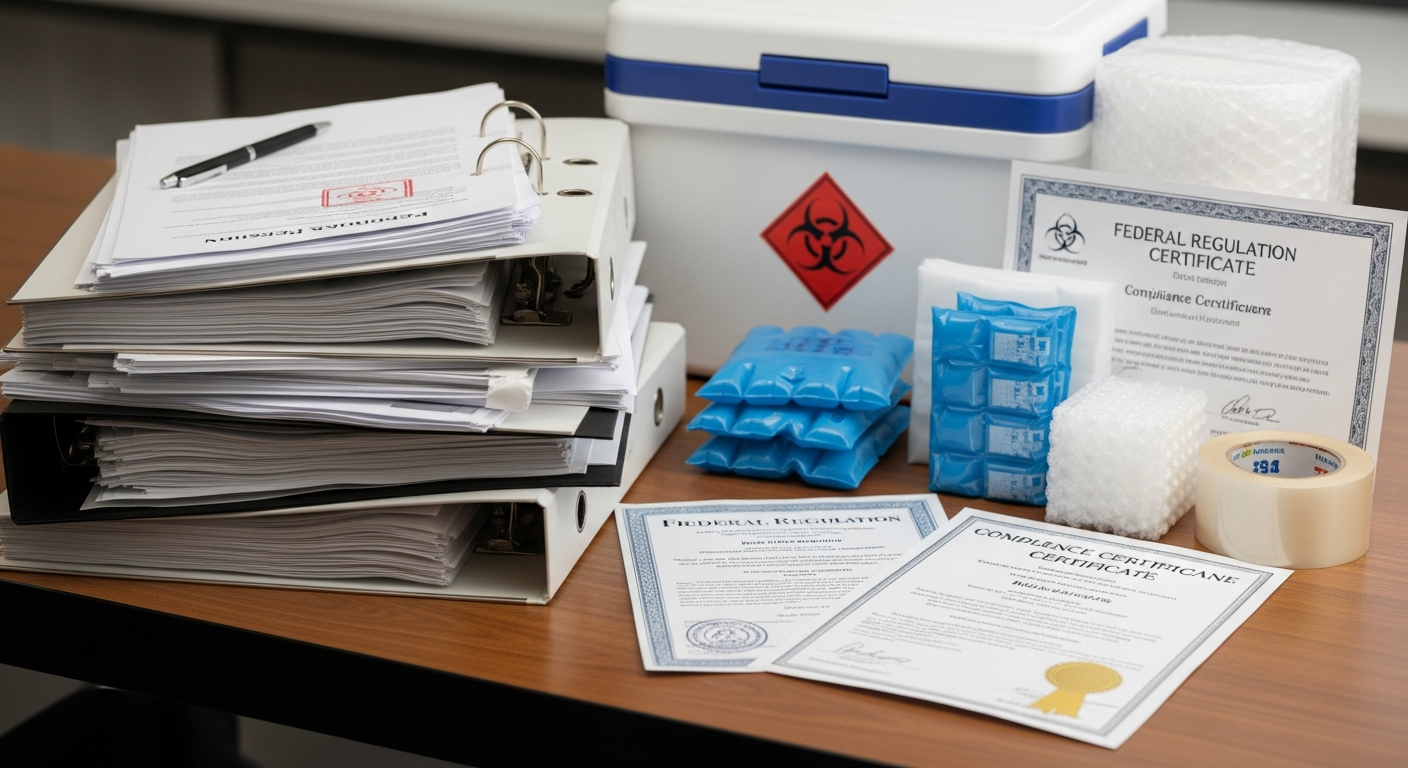
The FDA classifies dental prosthetics as medical devices, which means that the transport of these items falls under regulatory requirements that general delivery services are not equipped to meet. While the regulatory burden on dental transport is lighter than that on clinical specimen transport, the practical requirements for material integrity are equally demanding. A deformed impression results in an ill-fitting crown. A damaged prosthetic requires a remake that delays patient treatment by days or weeks. A lost case means starting over from the beginning, including bringing the patient back for new impressions.
For dental practices that manage high case volumes or work with multiple laboratory partners, the logistics burden is significant. A busy practice may send 15 to 25 cases to the laboratory each week and receive a similar number of completed restorations. Managing this volume through standard delivery services creates tracking gaps, accountability issues, and transit time variability that directly affects the practice’s ability to schedule patients and complete treatment plans on time.
Why Standard Delivery Services Fall Short for Dental:
- No handling protocols for dimensional-sensitive materials like polyvinyl siloxane and alginate impressions
- No protective packaging standards for fragile ceramic and zirconia restorations during transit
- No infection control protocols for items that have been in contact with patient oral tissues
- No case-level tracking that links transport records to specific patients and lab prescriptions
- Batch delivery schedules that do not align with practice appointment schedules or lab processing timelines
2. Types of Dental Materials Requiring Specialized Transport
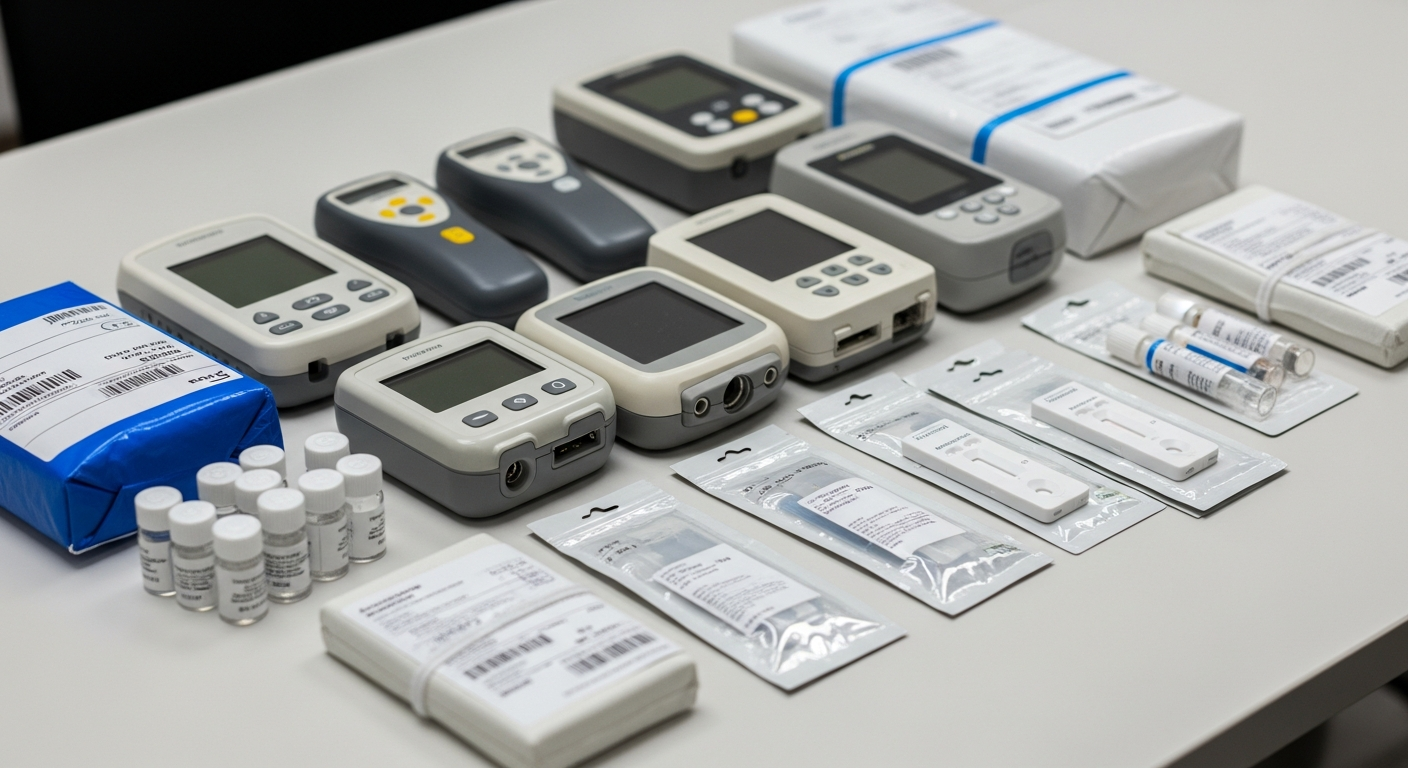
The range of materials moving between dental practices and laboratories is broader than many logistics providers realize. Each material type has specific handling requirements that a dental courier service must understand and accommodate. Impressions are among the most transport-sensitive items. Traditional impression materials begin to distort within hours of removal from the mouth, with alginate impressions being particularly time-sensitive and requiring transport to the laboratory within 30 to 60 minutes for optimal accuracy. Polyvinyl siloxane impressions are more dimensionally stable but still require careful handling to prevent distortion from pressure or extreme temperatures.
Completed restorations traveling from the laboratory to the practice require protective packaging that prevents damage from vibration, impact, and environmental exposure. All-ceramic restorations, including lithium disilicate and zirconia crowns, are strong under compressive forces but can fracture from lateral impact during transit. Implant components require precise packaging that prevents contamination of sterile surfaces. Orthodontic appliances including clear aligners and retainers must be transported in containers that prevent warping or deformation.
Infection control is another transport consideration that standard couriers do not address. Items leaving the dental office, particularly impressions and bite registrations, have been in contact with patient saliva and potentially blood. These items must be disinfected according to CDC infection control guidelines for dental settings before transport, and the courier must handle them using appropriate precautions. The transport container must prevent cross-contamination between cases from different patients.
Dental Material Transport Requirements by Type:
- Impressions: time-sensitive transport with orientation control and temperature stability, especially alginate
- Ceramic restorations: impact-resistant packaging with vibration dampening for lithium disilicate and zirconia
- Implant components: sterile containment with contamination prevention for abutments and surgical guides
- Orthodontic appliances: shape-preserving containers preventing warping for aligners and retainers
- Models and wax-ups: stable orientation transport preventing breakage of delicate diagnostic models
3. How Dental Courier Services Reduce Remake Rates
Remake rates are one of the most significant cost drivers in the dental laboratory workflow. Industry data suggests that the average dental laboratory remake rate ranges from 3 to 7 percent, with transport-related damage and impression distortion accounting for a meaningful portion of these remakes. Each remake costs the laboratory in materials and technician time, costs the practice in additional chair time and patient inconvenience, and costs the patient in delayed treatment completion. A dedicated dental laboratory courier services provider reduces transport-related remakes by addressing the root causes: improper handling, inadequate packaging, excessive transit times, and environmental exposure.
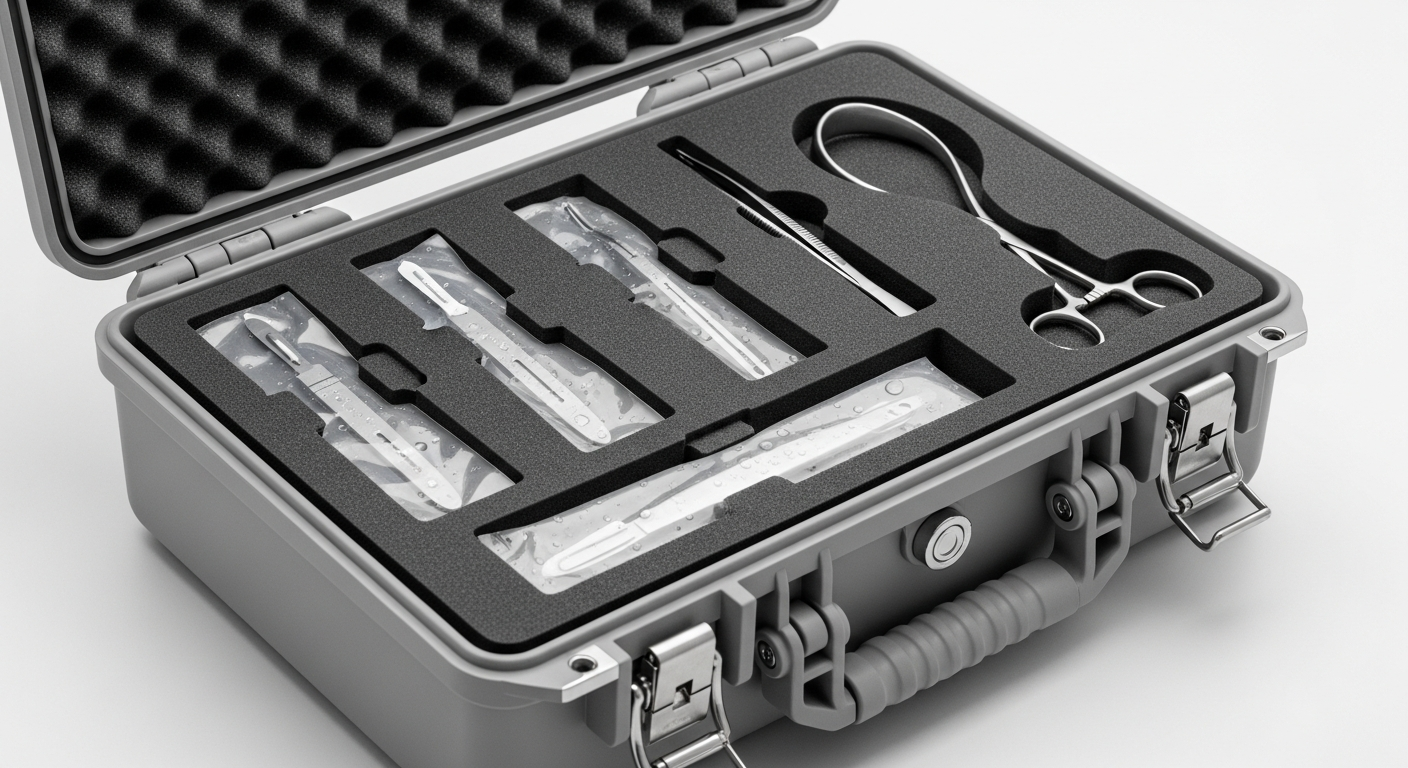
The connection between transport quality and case outcomes is direct. An impression that sits in a standard delivery vehicle for six hours in summer heat will have different dimensional properties than one that arrives at the laboratory within two hours in a temperature-stable transport container. A porcelain-fused-to-metal crown that travels in a padded dental case container arrives intact, while the same crown shipped in a standard cardboard box with minimal padding may develop micro-fractures that are invisible at delivery but fail under occlusal forces after cementation.
For dental practices tracking their remake rates as a quality metric, the courier service is a controllable variable that can deliver measurable improvement. Practices that transition from standard delivery services to dedicated dental couriers consistently report lower remake rates, faster case turnaround, and fewer patient callbacks for fit adjustments. These improvements represent real financial returns that typically exceed the incremental cost of specialized courier service within the first quarter of implementation.
How Specialized Courier Transport Reduces Remakes:
- Faster transit times minimize impression distortion, particularly for time-sensitive alginate materials
- Proper packaging protocols prevent micro-fractures in ceramic restorations during transport
- Temperature-stable transport prevents dimensional changes in impression materials and wax components
- Case-level tracking ensures correct cases reach correct destinations without mix-ups or misdirection
- Orientation-controlled handling prevents gravity-related distortion of impressions and models
4. Same-Day and Scheduled Route Options for Dental Practices
Dental practices have two primary logistics models for laboratory transport: scheduled routes and on-demand pickup and delivery. Scheduled routes work well for practices with predictable case volumes and standardized laboratory workflows. A courier picks up outgoing cases and delivers incoming restorations at a set time each day, allowing the practice to build its schedule around the logistics window. This model provides consistency and cost predictability.
On-demand service is essential for situations that fall outside the scheduled route: an emergency remake needed for a patient appointment the next morning, an add-on case from an afternoon procedure, or a rush case that needs to reach the laboratory before the end of the business day. Same-day medical delivery capability ensures that dental practices are not constrained by rigid pickup schedules when clinical needs require faster turnaround.
The most effective dental courier programs combine both models. A practice receives daily scheduled service for routine case flow and has access to on-demand pickup for urgent or ad hoc needs. The courier platform manages both service types through the same tracking and documentation system, providing the practice with complete visibility into all cases in transit regardless of how the pickup was initiated. Real-time tracking allows front desk staff to give patients accurate estimates of when their restoration will arrive, improving communication and reducing callback volume.
Dental Courier Service Models:
- Daily scheduled routes providing consistent pickup and delivery at set times for routine case flow
- On-demand same-day service for rush cases, emergency remakes, and ad hoc laboratory communication
- Hybrid programs combining daily routes with on-demand availability for maximum operational flexibility
- Multi-laboratory routing for practices that work with different labs for different restoration types
- After-hours pickup options for practices with extended schedules or weekend emergency needs
5. Choosing the Right Dental Laboratory Courier Partner
Selecting a courier service for dental laboratory transport requires evaluating capabilities that go beyond standard delivery metrics. The courier must understand dental material handling, maintain appropriate transport equipment, provide case-level tracking, and offer the service flexibility that dental practice operations demand. Price is a factor, but the lowest-cost option is rarely the best value when transport-related remakes, case delays, and patient dissatisfaction are factored into the total cost equation.
The evaluation should include asking specific questions about the courier’s experience with dental materials, their driver training on dental case handling, their packaging standards for different material types, their tracking capabilities for individual cases, and their response time for on-demand pickup requests. A courier partner that primarily handles general packages and treats dental cases as another box to deliver will not provide the specialized handling that protects case quality and practice efficiency.
At carGO Health, our courier network serves dental practices and laboratories across New York, New Jersey, Connecticut, Massachusetts, and the greater Northeast. Our platform provides real-time tracking, digital chain of custody, and AI-powered dispatch that matches each dental case with the optimal courier and route. With over 200,000 orders completed and 24/7/365 operations, we provide the reliability that dental practices need to maintain their treatment schedules and patient commitments. Schedule a demo to see how our service supports dental laboratory logistics.
Courier Evaluation Checklist for Dental Practices:
- Verify dental material handling experience including impressions, ceramics, and implant components
- Confirm driver training on infection control, orientation handling, and temperature sensitivity
- Review case-level tracking capabilities including real-time status updates and delivery confirmation
- Assess service flexibility including scheduled routes, on-demand pickup, and after-hours availability
- Request references from existing dental practice and laboratory clients in your geographic area
Key Takeaways
Dental laboratory courier services are not a commodity logistics function. They are a clinical quality variable that directly affects remake rates, case turnaround times, and patient outcomes. Practices and laboratories that invest in specialized dental courier services consistently see lower remake rates, faster case completion, and more predictable operations. If your practice is experiencing transport-related quality issues or if your current courier service treats dental cases like standard packages, it is time to evaluate a specialized alternative. Contact carGO Health to discuss courier solutions designed for dental laboratory logistics.
Frequently Asked Questions
What makes dental courier services different from regular courier services?
Dental courier services specialize in handling materials that require specific transport conditions including orientation control for impressions, impact protection for ceramic restorations, temperature stability for wax components, and infection control protocols for items that have contacted patient tissues. Standard couriers lack the training, equipment, and handling protocols for these requirements.
How quickly can a dental courier pick up a case?
Dedicated dental courier services typically offer same-day on-demand pickup within one to two hours of the request, in addition to daily scheduled route service. Response times vary by geographic area and provider, but specialized dental couriers prioritize rapid response because they understand the time-sensitivity of dental materials and laboratory processing schedules.
Do dental couriers handle infection control during transport?
Yes, trained dental couriers follow infection control protocols for items that have been in contact with patient tissues. Items should be disinfected by the dental office before transport per CDC guidelines, and the courier handles cases using appropriate precautions and transport containers that prevent cross-contamination between patient cases.
Can dental couriers work with multiple laboratories?
Yes, dental courier services can manage multi-laboratory routing for practices that work with different labs for different restoration types. The courier picks up all outgoing cases from the practice and routes them to the correct laboratory based on the case documentation, then delivers completed work from multiple labs back to the practice.
How does dental courier service reduce remake rates?
Dental courier services reduce remake rates by minimizing impression distortion through faster transit times, preventing restoration damage through proper packaging and handling, maintaining temperature stability during transport, and ensuring correct case routing through case-level tracking. These factors address the transport-related causes of remakes that standard delivery services cannot prevent.
Related Reading
- Comprehensive Guide to Medical Courier Services
- Why Hospitals Outsource Medical Courier Operations
- STAT Medical Courier Service: Emergency Response Standards
- Medical Specimen Transport: Protocols and Compliance
- HIPAA Compliant Medical Courier: What to Look For
- Get a Quote — carGO Health Medical Courier Services
Related Resources