Medical Courier Driver Certification and Training: What Healthcare Facilities Need to Know
Updated April 2026 — reviewed and refreshed by carGO Health editorial team.
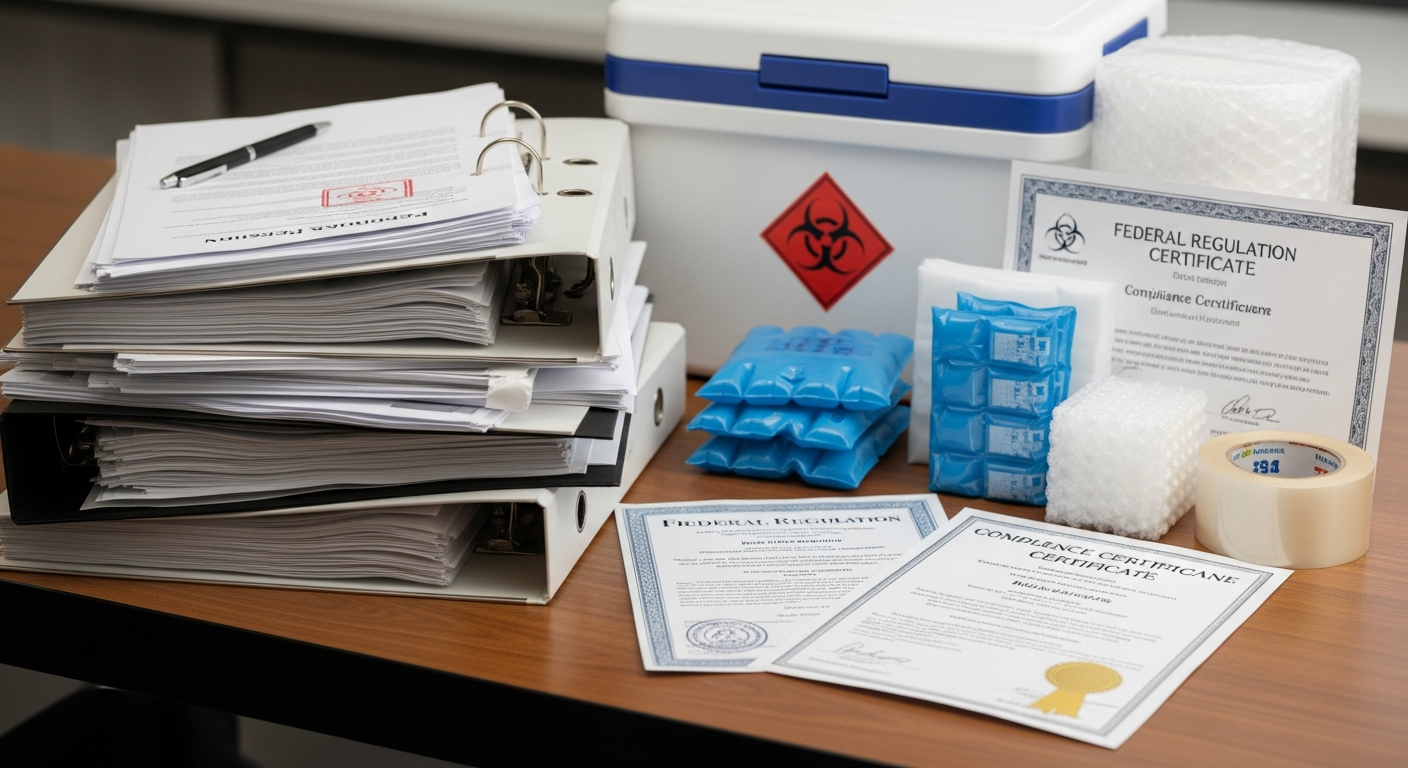
The difference between a package delivery driver and a certified medical courier is not a matter of branding. It is a matter of training, compliance documentation, and the ability to handle materials that directly affect patient outcomes. Medical courier driver certification encompasses a structured set of qualifications covering HIPAA privacy regulations, OSHA bloodborne pathogen standards, DOT hazardous materials handling, specimen-specific transport protocols, and chain of custody documentation. Without these certifications, a driver transporting clinical specimens or pharmaceuticals is an operational and legal liability for every healthcare facility in the chain.
Healthcare organizations that rely on courier services for specimen transport, pharmaceutical delivery, and medical supply logistics need to verify that every driver who handles their materials meets specific medical courier training requirements. The consequences of using untrained couriers are not hypothetical. Improperly handled specimens get rejected by laboratories. Temperature excursions compromise medications. HIPAA violations from unsecured patient information result in fines that can reach $1.5 million per violation category. For healthcare providers evaluating courier partners, understanding what certification actually means is the first step toward protecting patients and operations.

1. HIPAA Compliance Training for Medical Couriers
Every medical courier handles protected health information during the course of routine deliveries. Specimen labels contain patient names, dates of birth, and medical record numbers. Delivery manifests include ordering physician details and facility information. Chain of custody logs document the movement of identifiable patient materials across locations. Under the HIPAA Privacy Rule, any individual who accesses, transports, or handles protected health information must understand their obligations regarding confidentiality, minimum necessary use, and breach notification.
HIPAA training for medical couriers covers the identification of protected health information in transport contexts, proper handling and securing of labeled specimens, protocols for preventing unauthorized access during transit, and procedures for reporting potential breaches. A HIPAA-compliant medical courier organization must maintain documentation proving that every driver has completed initial HIPAA training and annual refresher courses. This documentation is not optional. It is a requirement of the Business Associate Agreement that governs the relationship between healthcare facilities and their courier partners.
The practical application of HIPAA training goes beyond classroom instruction. Certified medical couriers understand that specimen containers must remain in sealed, opaque transport bags during transit. They know that delivery manifests cannot be left visible on vehicle dashboards. They recognize that discussing pickup or delivery details with unauthorized individuals, even casually, constitutes a potential violation. This operational awareness is what separates a certified medical courier from a general delivery driver who happens to carry medical packages.
Key HIPAA Training Components for Medical Couriers:
- Identifying protected health information on specimen labels, manifests, and transport documentation
- Securing patient materials in sealed, tamper-evident containers during all phases of transit
- Preventing unauthorized visual or physical access to patient information during pickup and delivery
- Recognizing and reporting potential breaches through proper incident escalation channels
- Maintaining annual recertification and training log documentation for audit readiness
2. OSHA Bloodborne Pathogen Standards and Safety Training
Medical couriers routinely handle materials classified as potentially infectious. Blood specimens, tissue samples, body fluid collections, and microbiological cultures all fall under the OSHA Bloodborne Pathogens Standard (29 CFR 1910.1030), which requires employers to provide training to any worker with occupational exposure to blood or other potentially infectious materials. For medical courier operations, this training is not discretionary. It is a federal workplace safety requirement with documented penalties for non-compliance.
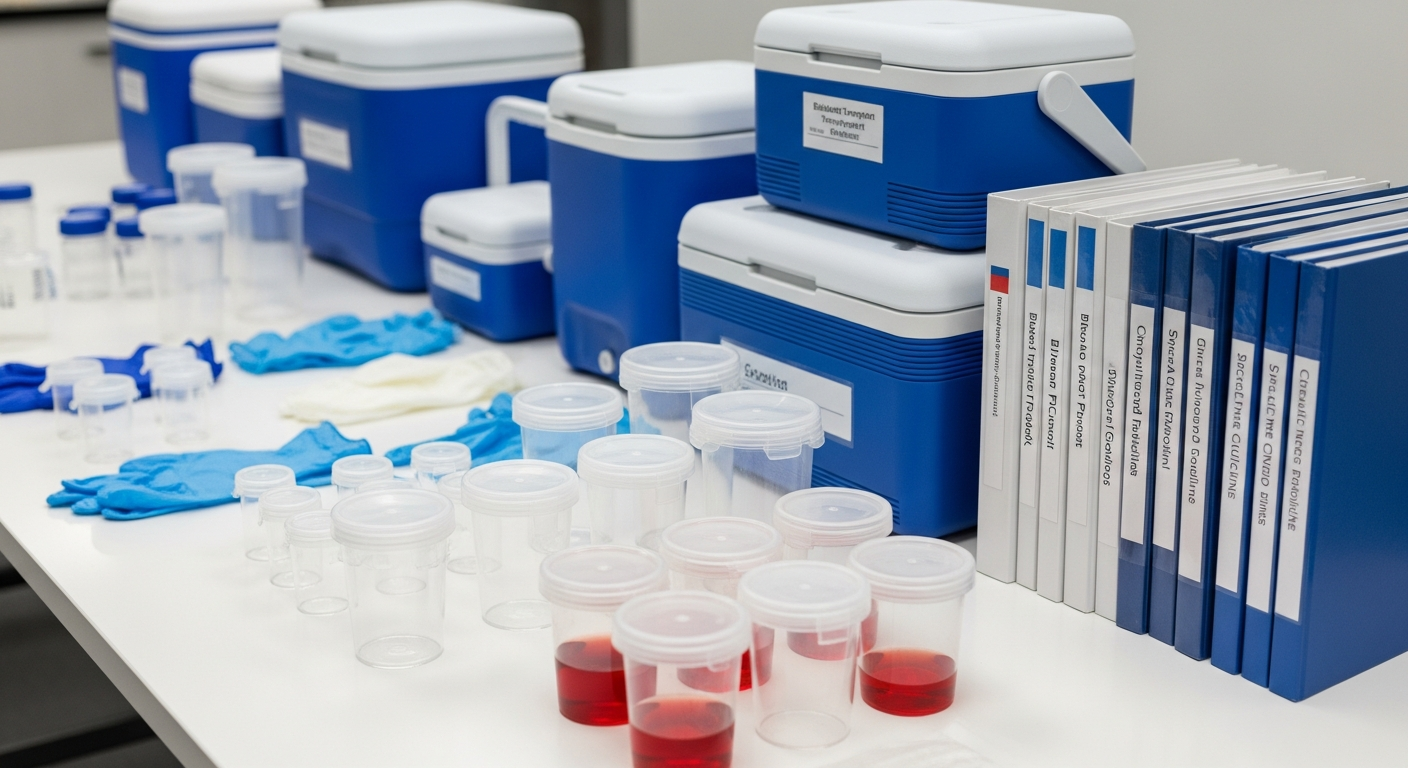
OSHA training for medical couriers covers the routes of transmission for bloodborne pathogens including HIV, Hepatitis B, and Hepatitis C. It includes proper use of personal protective equipment such as gloves, the correct procedures for handling leaking or damaged specimen containers, spill containment and decontamination protocols, and post-exposure incident reporting. Couriers who transport specimens must understand the universal precautions framework, which treats all human blood and certain body fluids as potentially infectious regardless of the source patient’s known health status.
Beyond the regulatory requirement, OSHA training protects couriers from genuine occupational hazards. A specimen container that leaks during transport creates an exposure risk that an untrained driver would not know how to manage safely. An OSHA-compliant medical courier service maintains exposure control plans, provides hepatitis B vaccination to drivers at no cost, conducts annual training refreshers, and documents every element of their bloodborne pathogen compliance program.
OSHA Certification Requirements for Medical Transport:
- Initial bloodborne pathogen training before handling any clinical specimens or infectious materials
- Annual refresher training with documented completion records maintained by the employer
- Proper use of personal protective equipment including nitrile gloves during specimen handling
- Spill containment and decontamination procedures using approved disinfectants and absorbent materials
- Post-exposure evaluation and follow-up protocols with medical documentation within required timeframes
3. DOT Hazardous Materials Handling and UN 3373 Classification
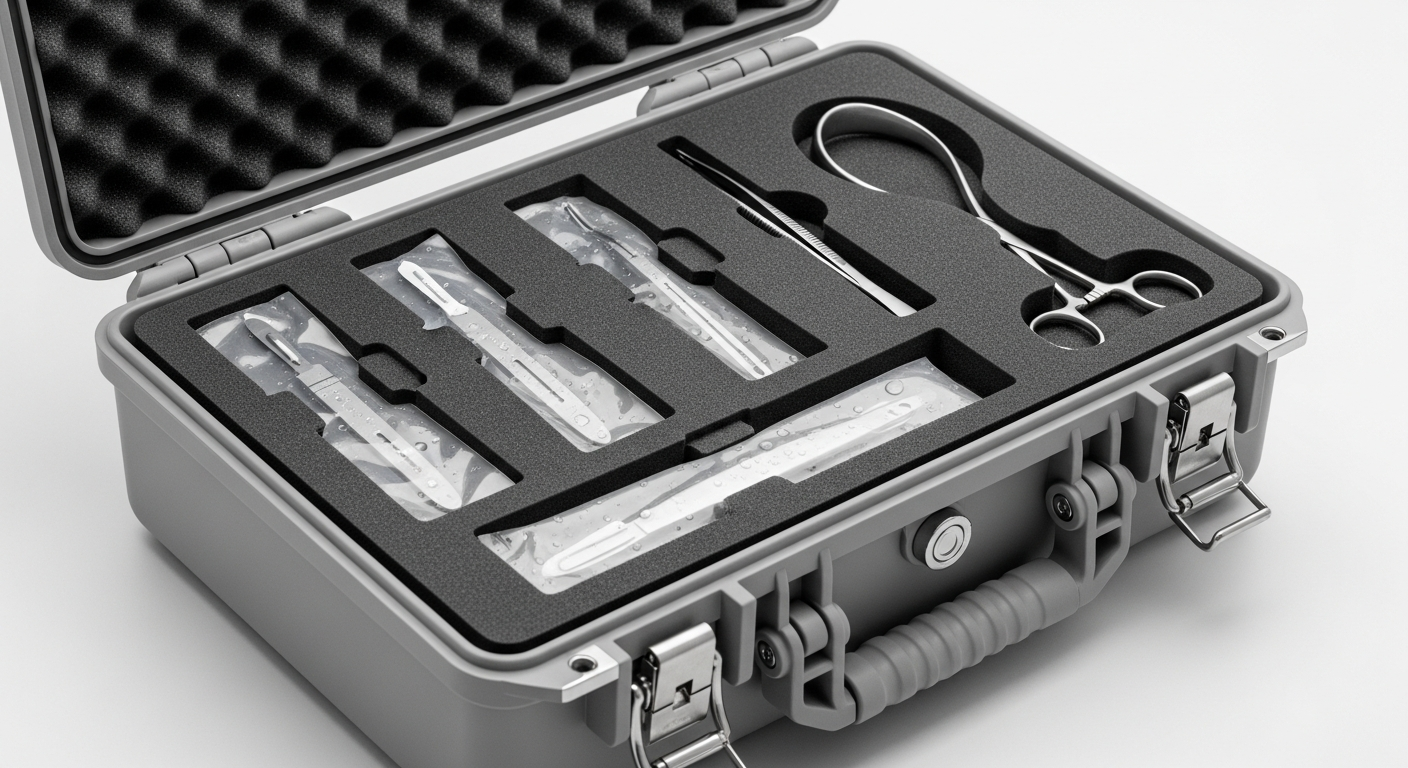
Clinical specimens transported between healthcare facilities are classified as hazardous materials under Department of Transportation regulations. Specifically, diagnostic specimens and clinical samples fall under UN 3373, Biological Substance Category B, which carries specific packaging, labeling, and documentation requirements. Medical courier drivers who transport these materials must understand the DOT classification system, the packaging requirements for Category B substances, and the documentation that must accompany each shipment.
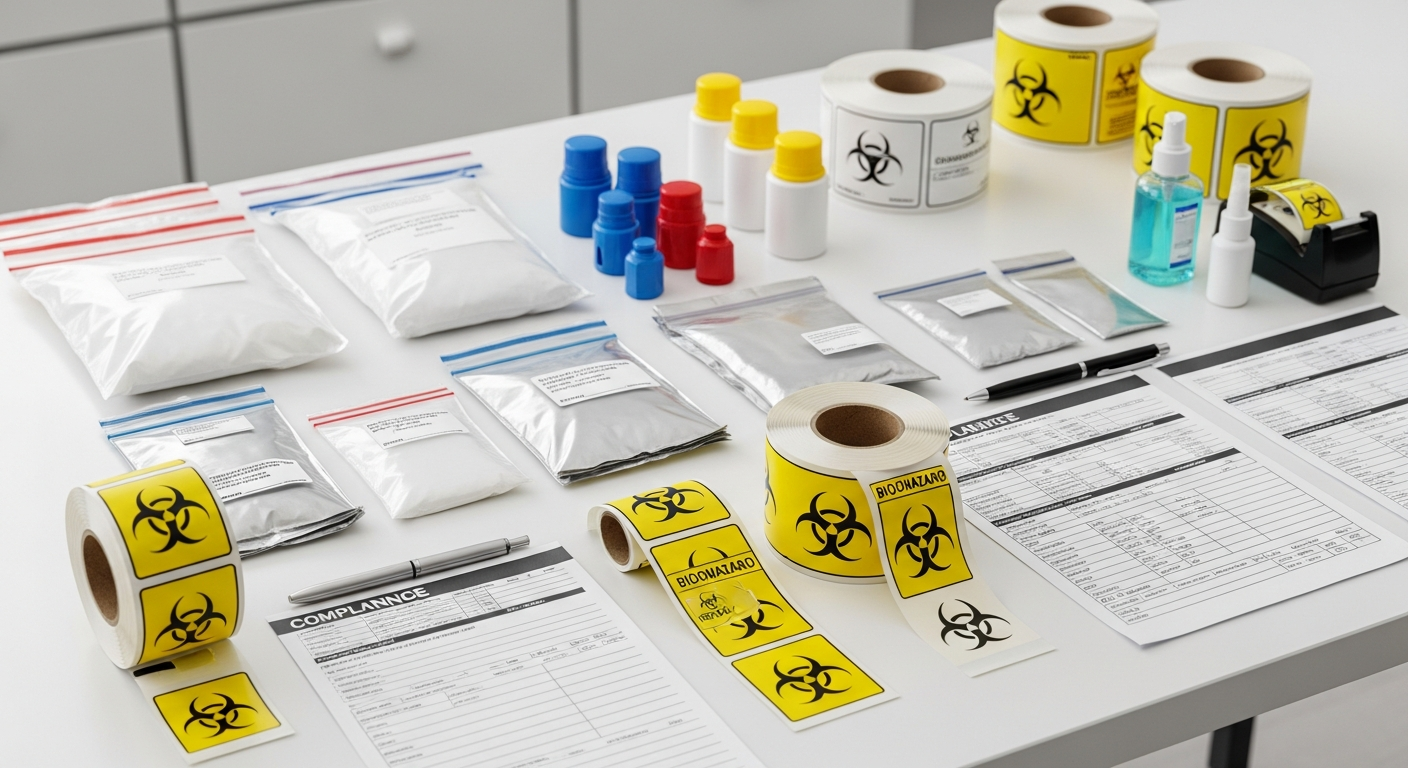
The DOT training component of medical courier driver certification covers the distinction between Category A (substances capable of causing permanent disability or life-threatening disease) and Category B (specimens that do not meet Category A criteria), proper triple-packaging systems for diagnostic specimens, marking and labeling requirements for UN 3373 shipments, and the driver’s responsibilities during transport incidents including spills or accidents. While Category B shipments are exempt from certain full hazmat regulations, they still require trained personnel who understand the handling protocols.
For healthcare facilities, verifying that their courier partner maintains DOT-trained drivers is a compliance checkpoint that directly affects their own regulatory standing. If a specimen is mispackaged or mislabeled during transport and an incident occurs, both the shipper (healthcare facility) and the carrier (courier service) face potential citations. A medical specimen transport provider with DOT-certified drivers reduces this shared liability by ensuring that every shipment meets federal transportation requirements before it leaves the facility.
DOT Training Elements for Medical Courier Drivers:
- UN 3373 Biological Substance Category B classification, packaging, and triple-containment requirements
- Proper marking and labeling of specimen transport containers per DOT 49 CFR regulations
- Category A versus Category B distinction and the escalation protocols for misclassified materials
- Incident response procedures for spills, leaks, or accidents involving biological substances during transport
- Documentation requirements including shipping papers and emergency contact information
4. Specimen-Specific Handling Protocols and Temperature Training
Beyond regulatory certifications, medical courier qualifications include specialized training on specimen-specific handling requirements that vary based on the type of material being transported. A blood culture specimen has different stability requirements than a frozen tissue biopsy. A pharmaceutical shipment requiring 2-8 degrees Celsius maintenance demands different equipment and monitoring than an ambient-temperature medical records delivery. Certified medical couriers must understand these distinctions and apply the correct handling protocol for each pickup.
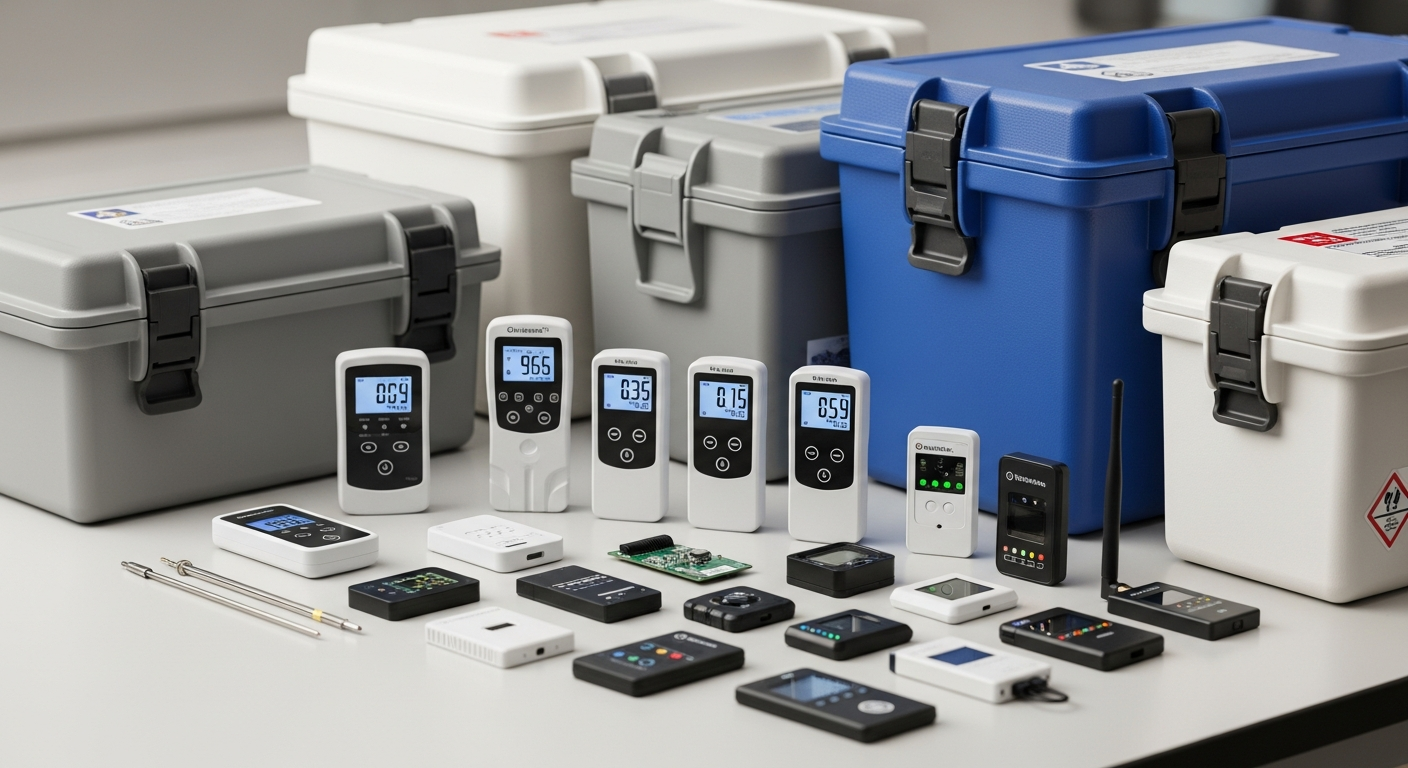
Temperature management training is particularly critical. Healthcare couriers transport materials across five temperature tiers: ambient (15-25 degrees Celsius), refrigerated (2-8 degrees), frozen (-20 degrees), dry ice (-78.5 degrees), and cryogenic (below -150 degrees). Each tier requires specific container types, coolant materials, and monitoring equipment. Drivers must know how to verify temperature readings at pickup, position specimens correctly within transport containers, respond to temperature excursion alerts, and document the cold chain logistics data for each delivery.
Specimen handling training also covers the time-sensitivity dimension. Certain tests have strict stability windows. A complete blood count specimen must reach the laboratory within specific timeframes to produce accurate results. Coagulation studies are even more time-sensitive. When a courier picks up a time-critical specimen, they need to understand the urgency classification, prioritize the delivery accordingly, and communicate any delays that could affect specimen viability. This knowledge cannot be assumed. It must be taught, documented, and reinforced through ongoing training programs.
Specimen Handling Training Areas:
- Temperature tier classification and the specific container, coolant, and monitoring requirements for each tier
- Specimen stability windows and urgency classifications including STAT, timed, and routine categories
- Proper orientation and positioning of specimens within transport containers to prevent hemolysis and contamination
- Temperature excursion response protocols and documentation requirements for cold chain deviations
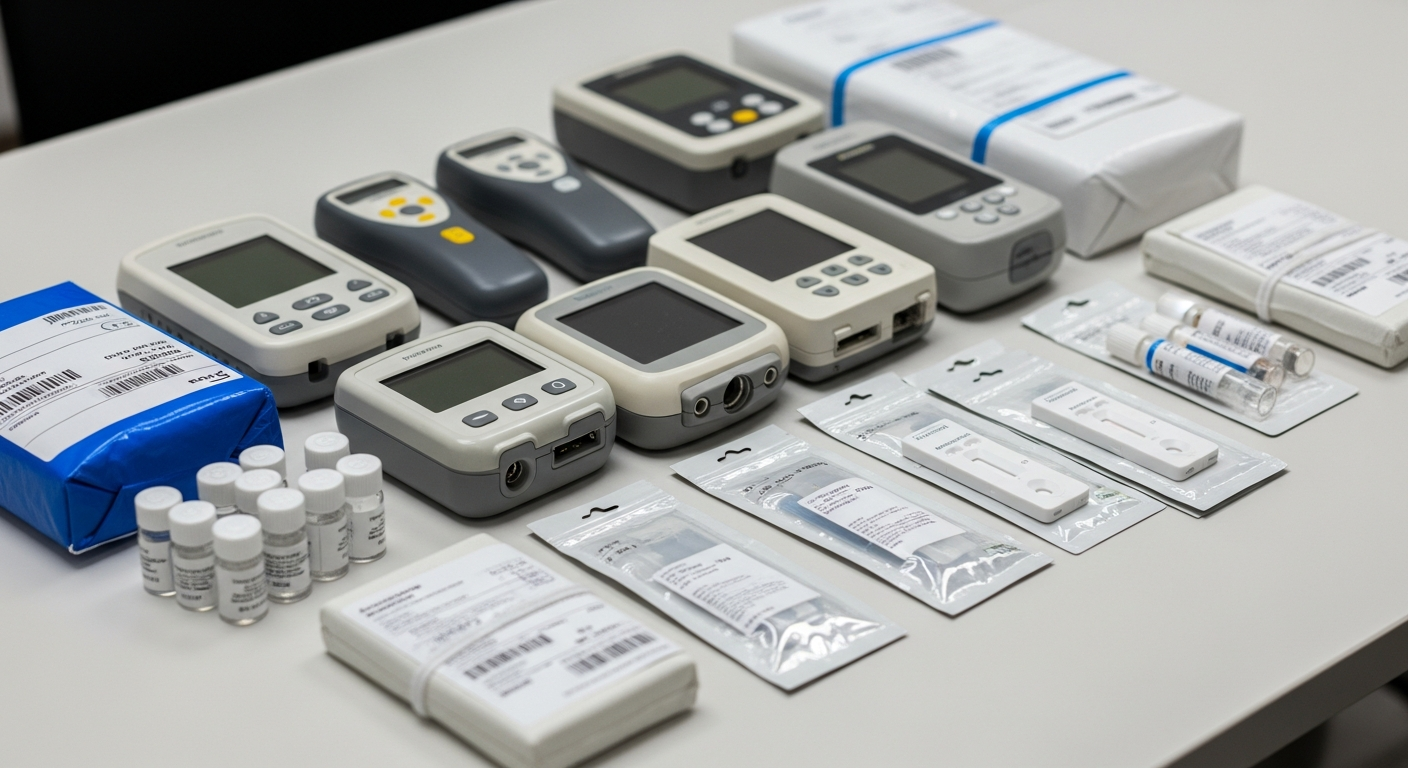
- Digital chain of custody capture including barcode scanning, signature collection, and timestamp recording
5. How Healthcare Facilities Should Verify Courier Certifications
Healthcare organizations that outsource delivery operations need a structured process for verifying that their courier partner maintains properly certified drivers. This is not a one-time check during vendor selection. It is an ongoing compliance requirement that should be incorporated into the facility’s quality management program. The College of American Pathologists includes specimen transport practices in their laboratory accreditation assessments, making courier certification verification a direct component of maintaining CAP accreditation.
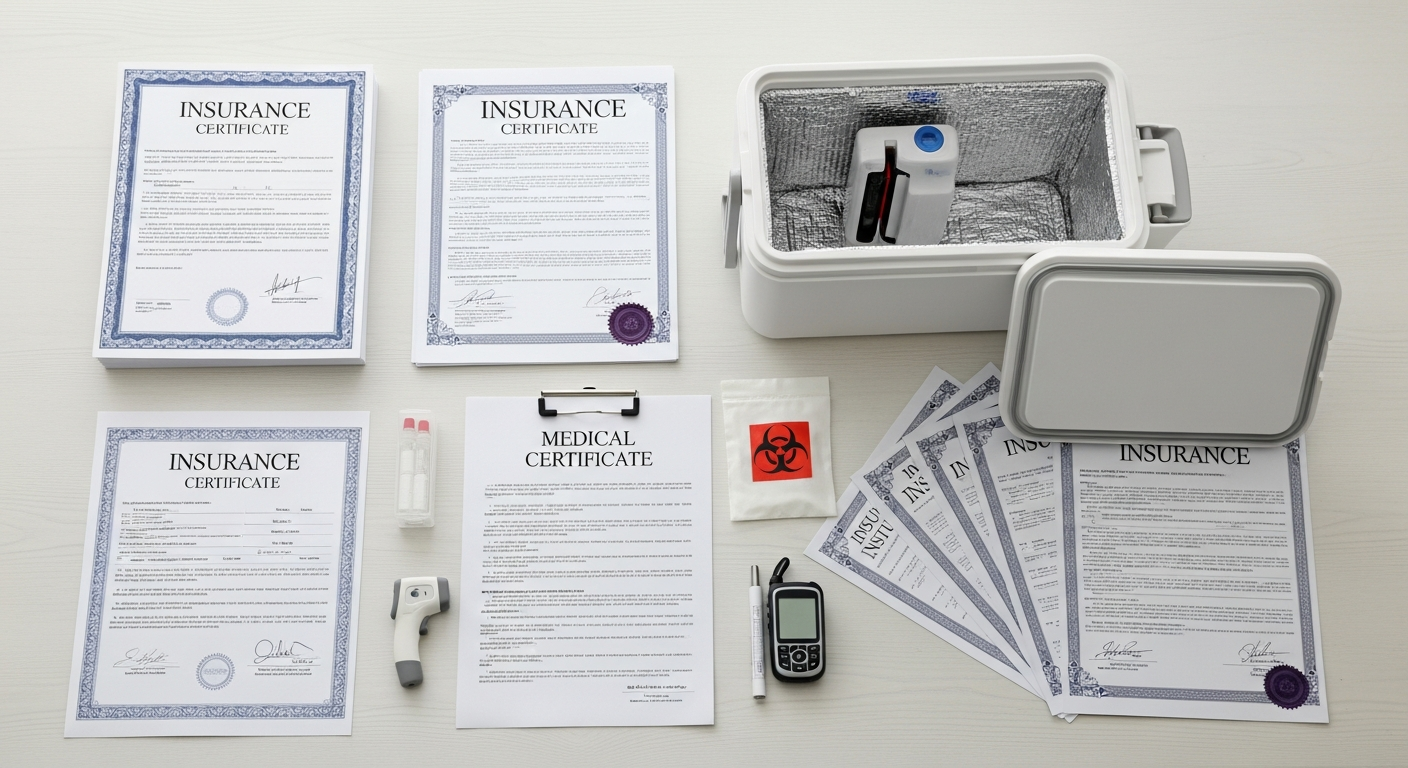
The verification process should include requesting and reviewing current HIPAA training certificates for all drivers who service the facility, confirming OSHA bloodborne pathogen training completion dates and annual refresher schedules, verifying DOT hazmat awareness training documentation, reviewing the courier company’s written exposure control plan and incident response procedures, and confirming that the company maintains records of driver background checks and motor vehicle record reviews. A reputable medical courier partner will provide this documentation proactively as part of their onboarding process.
At carGO Health, every courier in our network completes a comprehensive healthcare courier certification program before handling their first delivery. This includes HIPAA privacy and security training, OSHA bloodborne pathogen certification, DOT hazardous materials awareness, specimen-specific handling protocols, and ongoing recertification on annual cycles. Our AI-powered dispatch system also matches deliveries to couriers based on their specific certifications and training, ensuring that a driver assigned to a cryogenic transport has the specialized training that delivery requires. With over 200,000 orders completed across our service area spanning New York, New Jersey, Connecticut, Massachusetts, and surrounding states, our certification program is designed around the real-world demands of healthcare logistics.
Certification Verification Checklist for Healthcare Facilities:
- Request current HIPAA training certificates with completion dates and issuing organization for all assigned drivers
- Confirm OSHA bloodborne pathogen training dates and verify annual refresher compliance documentation
- Review DOT hazardous materials awareness training records and UN 3373 handling competency
- Verify background check and motor vehicle record review policies with documentation of completion
- Establish quarterly or annual re-verification schedules as part of the facility’s vendor management program
Key Takeaways
Medical courier driver certification is not a marketing distinction. It is a measurable set of compliance requirements that protects patients, healthcare facilities, and courier organizations from regulatory violations, specimen failures, and safety incidents. Healthcare providers should never assume that a courier service has trained drivers simply because they claim to serve the medical industry. Verify certifications, review training documentation, and establish ongoing compliance monitoring as part of your logistics vendor management program. If your current courier partner cannot produce comprehensive certification records for every driver who handles your materials, it is time to evaluate alternatives. Schedule a demo with carGO Health to see how our certified courier network and AI-powered dispatch platform protect your operations from the ground up.
Frequently Asked Questions
What certifications should a medical courier driver have?
A properly certified medical courier driver should have HIPAA privacy and security training, OSHA bloodborne pathogen certification under 29 CFR 1910.1030, DOT hazardous materials awareness training for UN 3373 Biological Substance Category B, specimen-specific handling training covering temperature management and chain of custody, and a clean background check with motor vehicle record review.
How often do medical courier drivers need recertification?
OSHA bloodborne pathogen training requires annual refresher courses. HIPAA training should be renewed annually as a best practice, though the regulation specifies training must occur when material changes to policies or procedures take effect. DOT hazmat awareness training requires recertification every three years. Most healthcare courier organizations conduct annual recertification across all categories to maintain compliance simplicity.
Can general delivery drivers transport medical specimens?
While there is no single law that categorically prohibits untrained drivers from transporting specimens, healthcare facilities that use unqualified couriers face significant regulatory risk. OSHA requires bloodborne pathogen training for workers with occupational exposure. DOT requires hazmat awareness training for Category B substance handlers. HIPAA requires training for anyone who accesses protected health information. Facilities using untrained couriers risk citations, fines, and specimen integrity failures.
What is the difference between a certified medical courier and a regular courier?
A certified medical courier has completed healthcare-specific training covering HIPAA compliance, OSHA bloodborne pathogen standards, DOT hazardous materials handling, temperature management protocols, and chain of custody documentation. Regular couriers may have excellent delivery track records but lack the specialized training required to handle clinical specimens, pharmaceuticals, and protected health information in compliance with federal regulations.
How should healthcare facilities verify their courier’s certifications?
Healthcare facilities should request copies of current training certificates for all drivers assigned to their routes, verify completion dates and issuing organizations, review the courier company’s written exposure control plan and training program documentation, and establish quarterly or annual re-verification schedules as part of their vendor management program. CAP-accredited laboratories should incorporate courier certification verification into their quality management processes.
Related Reading
- Comprehensive Guide to Medical Courier Services
- Why Hospitals Outsource Medical Courier Operations
- STAT Medical Courier Service: Emergency Response Standards
- Medical Specimen Transport: Protocols and Compliance
- HIPAA Compliant Medical Courier: What to Look For
- Get a Quote — carGO Health Medical Courier Services
Related Resources