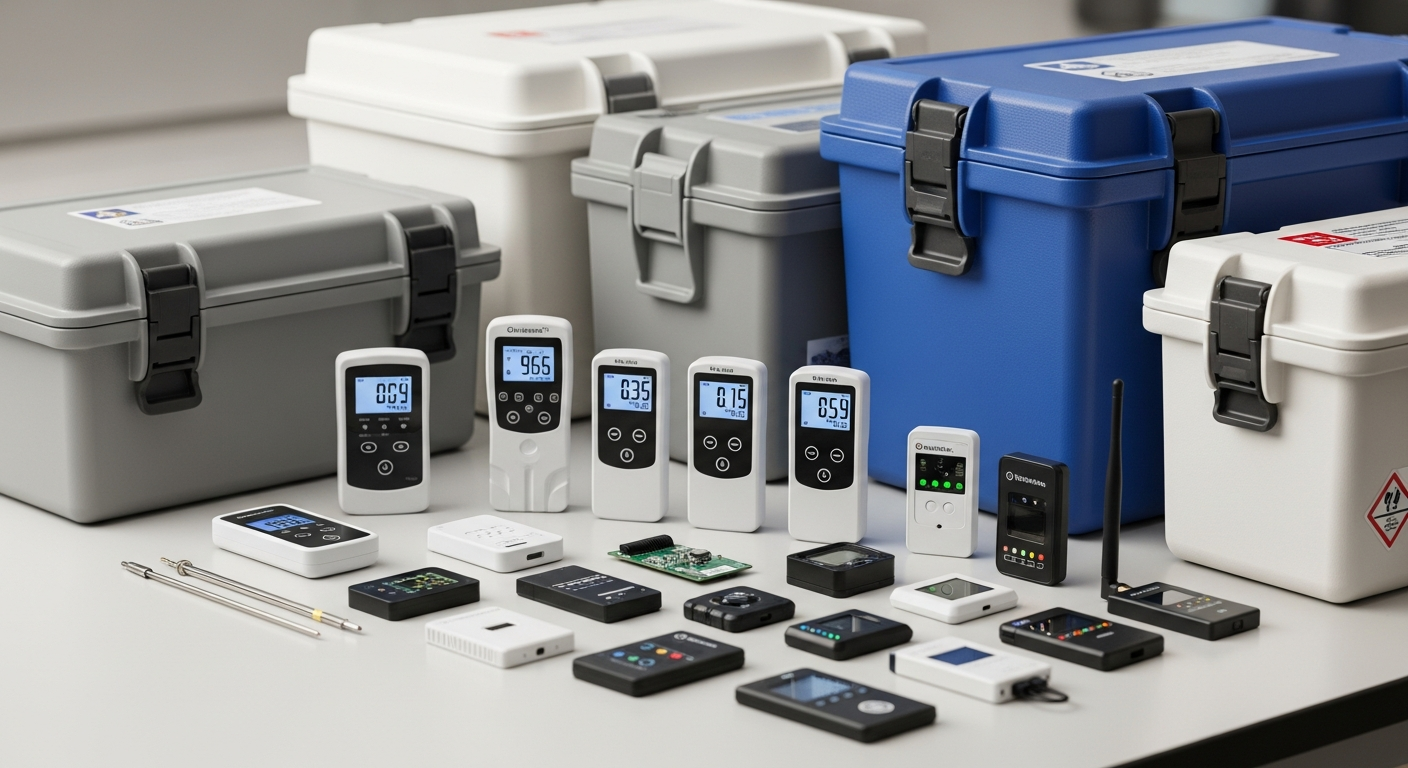
Medical Records Courier: HIPAA-Compliant Transport for Slides, Imaging, and Legal Documents
Despite the healthcare industry’s digital transformation, the physical transport of medical records remains a daily operational requirement for hospitals, clinics, legal firms, and insurance companies. Pathology slides, radiology films, paper charts from legacy systems, legal medical records for litigation, and physical documents requiring original signatures all need to move between locations with security, speed, and documented chain of custody. A medical records courier service provides the HIPAA-compliant transport infrastructure that protects patient privacy while meeting the time-sensitive demands of clinical, legal, and administrative workflows.
The assumption that electronic health records have eliminated the need for physical document transport does not hold up against operational reality. Most health systems still maintain paper records from before their EHR implementation. Pathology departments routinely send physical glass slides for consultations and second opinions. Radiology departments transport CD-ROMs containing imaging studies to facilities that cannot access the originating PACS system. Legal proceedings require original medical records, often in paper form, transported under conditions that maintain their evidentiary integrity. For all of these use cases, a HIPAA records transport service is not a convenience. It is a compliance requirement.

1. Types of Medical Records Requiring Physical Transport
The category of medical records that require courier transport is broader than many organizations realize. Physical pathology slides are among the most frequently transported medical record items. When a pathologist needs a second opinion, a consultation with a subspecialist at another institution, or when a patient transfers care to a new provider, the original glass slides must be physically transported because digital pathology imaging, while growing, has not yet replaced the physical slide for many diagnostic workflows.
Radiology imaging media, including CDs, DVDs, and in some legacy facilities, physical film, moves between facilities when electronic image sharing is not possible. This occurs when facilities use incompatible PACS systems, when a patient presents at an emergency department with imaging from an outside facility, or when imaging studies are needed for surgical planning at a facility that does not have electronic access to the originating system. These media contain protected health information and must be transported under HIPAA-compliant conditions.
Legal medical records represent another significant transport category. Personal injury cases, malpractice litigation, workers’ compensation claims, and disability determinations all require the physical transfer of medical records between healthcare facilities, law offices, and insurance companies. These records often require original documents rather than copies, and the transport must maintain a chain of custody that satisfies legal standards for document handling. A medical document courier handling legal records must understand both HIPAA requirements and the evidentiary standards that apply to documents in legal proceedings.
Medical Record Types Requiring Physical Transport:
- Pathology glass slides for consultations, second opinions, and patient transfers between institutions
- Radiology imaging media including CDs, DVDs, and legacy film for facilities without electronic sharing
- Legacy paper charts from pre-EHR systems needed for continuity of care or administrative purposes
- Legal medical records for litigation, insurance claims, and disability determination proceedings
- Original documents requiring wet signatures for consent forms, authorizations, and legal attestations
2. HIPAA Compliance Requirements for Records Transport
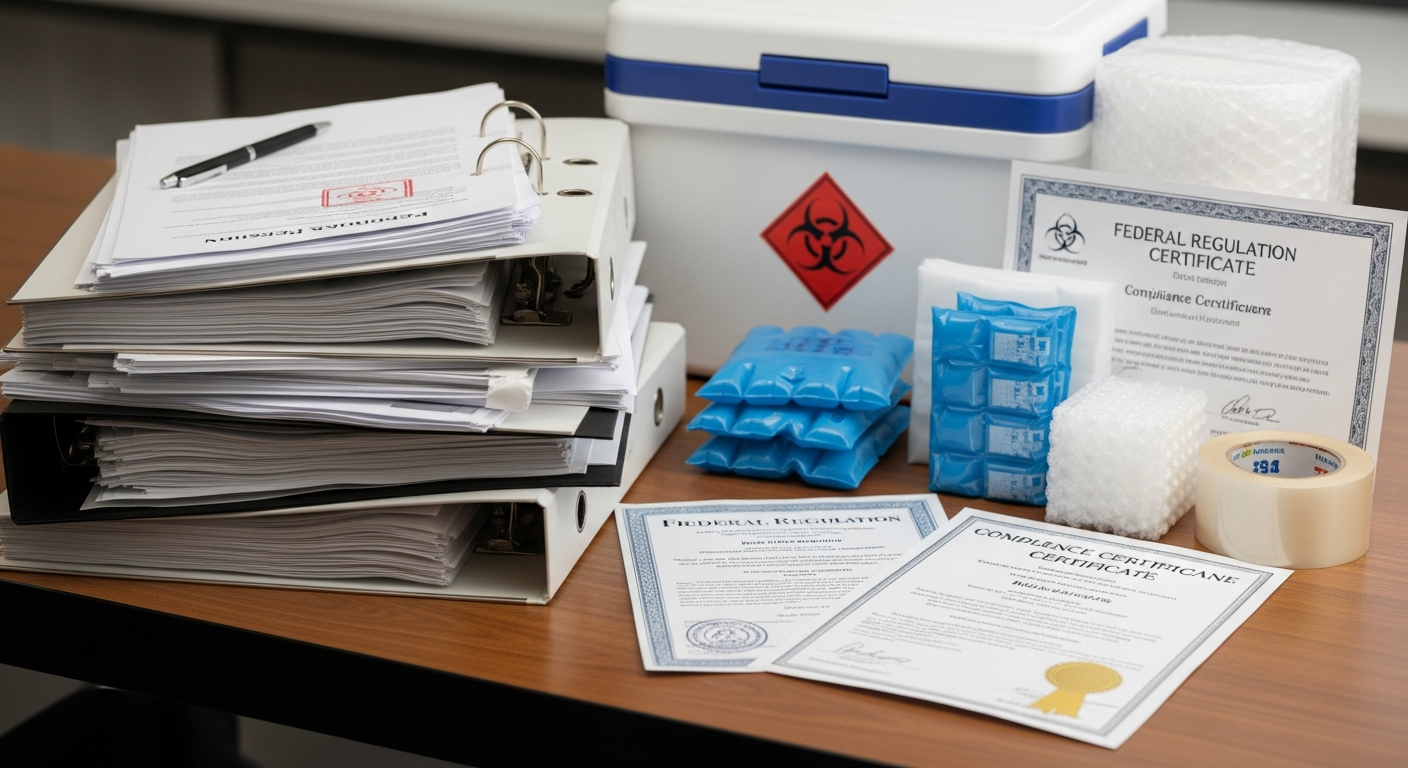
Every physical medical record contains protected health information, making its transport subject to the HIPAA Privacy Rule and Security Rule. The courier service transporting medical records is a business associate of the covered entity, which means a Business Associate Agreement must be in place before any records are entrusted to the courier. This agreement specifies the courier’s obligations regarding PHI protection, breach notification, and the security measures they must maintain during transport.
The physical security of records during transport requires specific protocols. Records must be placed in sealed, opaque containers or envelopes that prevent visual access to patient information. The courier vehicle must have a secure, enclosed cargo area where records are not visible or accessible to unauthorized individuals. Records should never be left unattended in a vehicle, and the courier must maintain positive control of the materials from pickup to delivery. Chain of custody documentation must record every handoff and transfer point.
Breach response preparedness is another compliance requirement. If records are lost, stolen, or accessed by unauthorized individuals during transport, the courier must notify the covered entity within the timeframe specified in the Business Associate Agreement, which is typically within 24 hours of discovery. The covered entity must then evaluate whether the breach triggers the HIPAA Breach Notification Rule, which requires notification to affected patients, the Department of Health and Human Services, and in cases affecting more than 500 individuals, the media. A medical records courier with proper HIPAA training and breach response protocols reduces the risk of these costly and reputationally damaging events.
HIPAA Transport Compliance Checklist:
- Executed Business Associate Agreement between the covered entity and the courier service
- Sealed, opaque packaging that prevents visual access to protected health information during transit
- Secure vehicle storage with enclosed cargo area preventing unauthorized access to transported records
- Chain of custody documentation with signatures at every transfer point from pickup to delivery
- Breach notification protocol with defined timelines and escalation procedures for lost or compromised records
3. Pathology Slide Transport and Handling Requirements
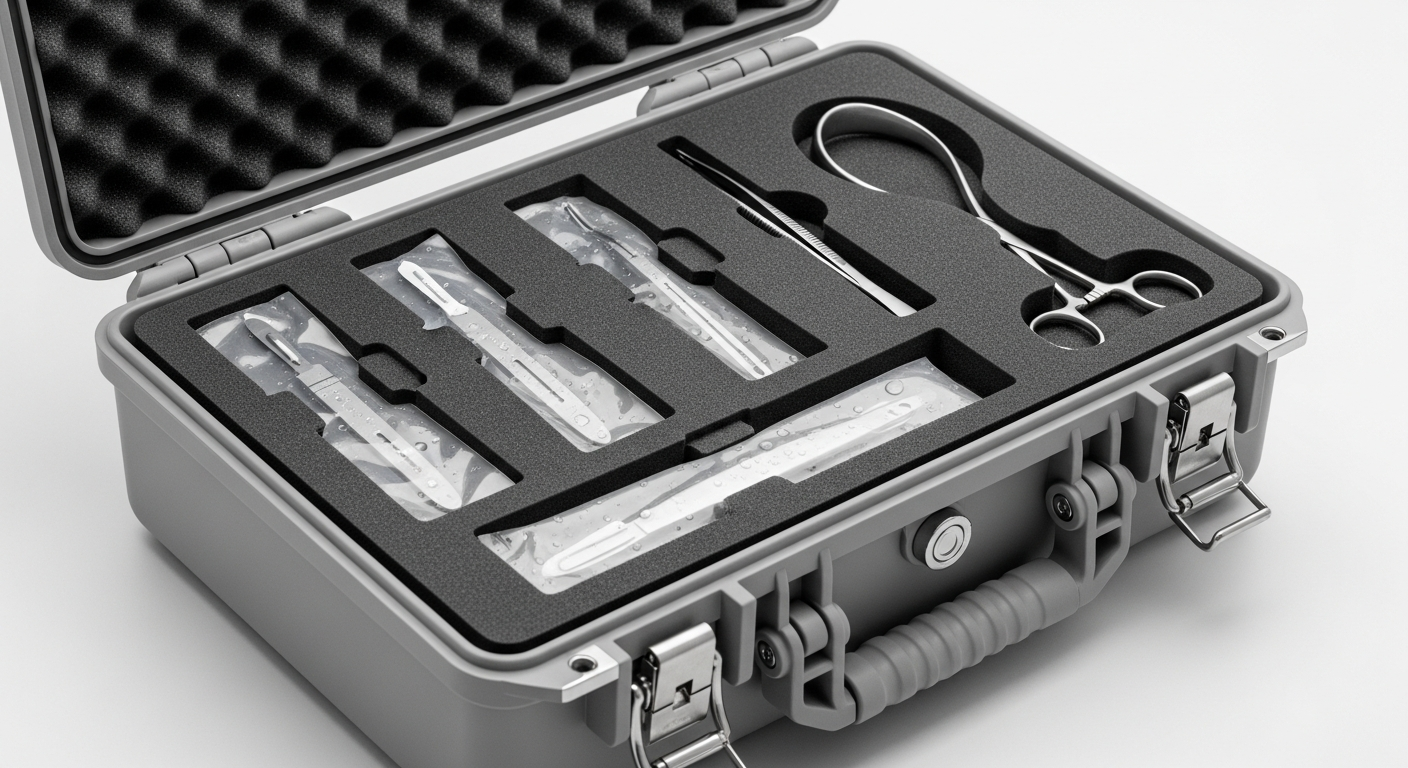
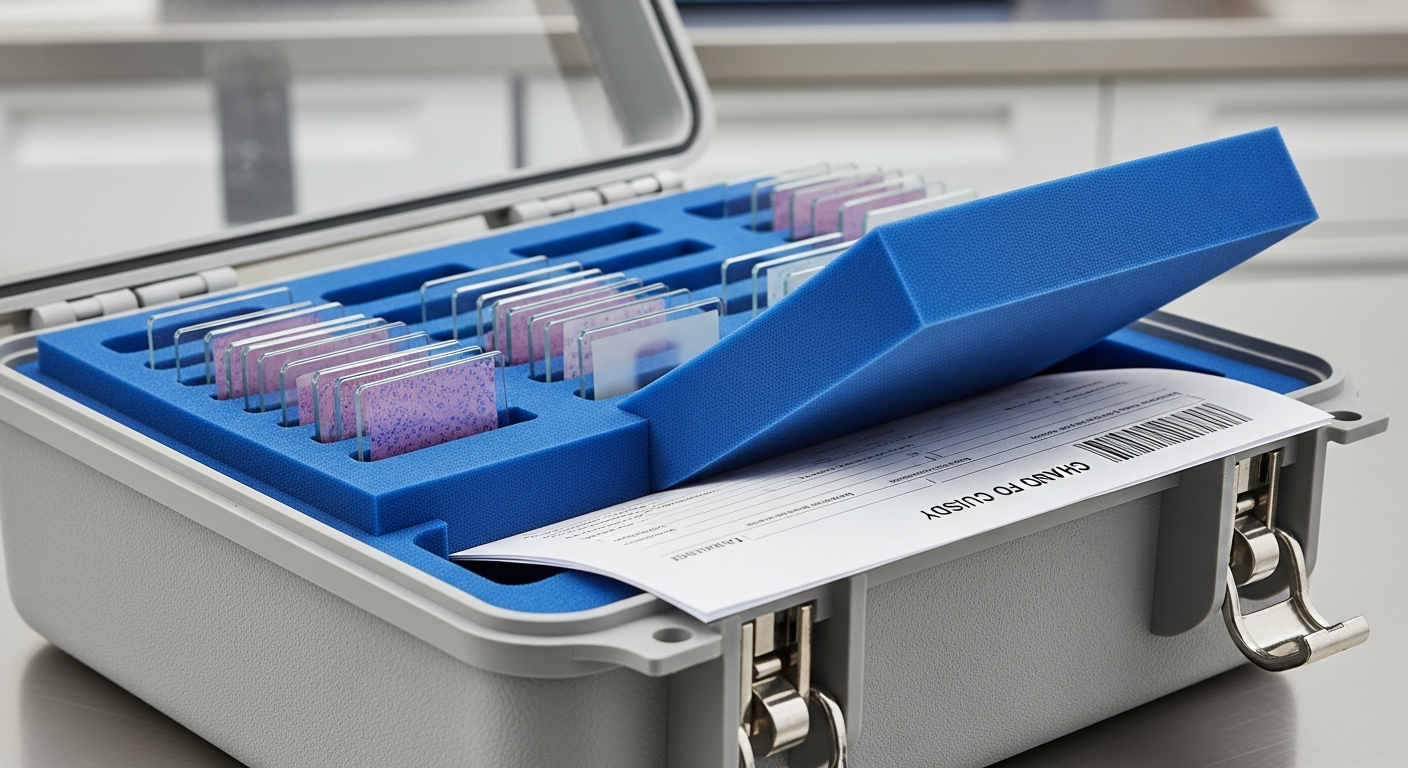
Pathology slides require transport handling that accounts for their fragility, diagnostic value, and the clinical consequences of damage or loss. A glass slide carrying a tissue section from a cancer biopsy is both a physical object that can break and a diagnostic record that cannot be recreated if the tissue block is exhausted or the patient is no longer available for re-biopsy. The transport container must protect against breakage from impact and vibration while maintaining the slides in the correct orientation and preventing contact between slides that could damage the tissue sections.
Slide transport containers specifically designed for pathology use provide individual slots or foam inserts that hold each slide securely, prevent slide-to-slide contact, and absorb vibration during transport. The courier must handle these containers with the same care as any fragile laboratory material, avoiding placement on vehicle surfaces where they could slide or fall, and maintaining the container in the orientation specified by the shipping facility. For pathology specimen transport, speed matters because consulting pathologists are often waiting for slides to complete a diagnosis that affects an active treatment plan.
The chain of custody for pathology slides must link each slide to the patient, the case, and the requesting pathologist. A delivery that arrives with slides from multiple patients must be verifiable to ensure that every slide reaches the correct reviewer. Misrouted pathology slides can lead to diagnostic errors if a pathologist reviews slides from the wrong patient. Digital chain of custody with barcode scanning at each handoff provides the verification that prevents these errors.
Pathology Slide Transport Best Practices:
- Purpose-designed slide transport containers with individual slots and vibration-absorbing inserts
- Proper orientation maintenance throughout transport preventing tissue section displacement
- Case-level chain of custody linking each slide to patient, case number, and requesting pathologist
- Priority routing for slides needed for active diagnostic consultations affecting treatment decisions
- Same-day delivery for consultation requests to maintain clinical workflow timelines
4. Legal Medical Records Transport and Chain of Custody
Medical records transported for legal purposes carry requirements that extend beyond standard HIPAA compliance. In litigation contexts, the chain of custody for medical records must satisfy rules of evidence that may require demonstrating that the records were not altered, accessed by unauthorized individuals, or compromised during transport. The courier’s chain of custody documentation may be subpoenaed as part of legal proceedings, making thorough and accurate documentation a legal necessity rather than just a best practice.
Law firms, insurance companies, and independent medical examination providers frequently need original medical records transported between locations for case review, depositions, and trial preparation. These records may include complete patient charts spanning years of treatment, imaging studies on physical media, and original signed documents. The volume can be substantial, sometimes filling multiple boxes, and the time constraints are often driven by court schedules and filing deadlines that are not flexible.
A healthcare records logistics provider handling legal records must offer tamper-evident packaging, continuous chain of custody documentation, secure vehicle storage, and delivery confirmation that satisfies legal standards for document handling. The courier should also be prepared to provide testimony or affidavits regarding the transport conditions if required by legal proceedings. This level of accountability is not available from standard delivery services.
Legal Records Transport Requirements:
- Tamper-evident packaging with seals that show visible evidence of unauthorized access attempts
- Continuous chain of custody documentation meeting evidentiary standards for legal proceedings
- Secure transport preventing record alteration or unauthorized access throughout the delivery chain
- Delivery confirmation with time-stamped proof acceptable for court filings and deadline compliance
- Courier availability for testimony or affidavit regarding transport conditions if legally required
5. Choosing a Medical Records Courier Service
Healthcare organizations, law firms, and insurance companies selecting a medical records delivery partner should evaluate providers on their HIPAA compliance infrastructure, chain of custody capabilities, experience with the specific record types being transported, and their technology platform for tracking and documentation. The courier should maintain current Business Associate Agreements, provide HIPAA training documentation for all drivers, and demonstrate a breach response protocol that has been tested and documented.
For organizations that transport records regularly, the courier’s technology platform is an important evaluation criterion. Real-time tracking provides visibility into record location during transit. Digital chain of custody eliminates the risk of lost or illegible paper logs. Automated delivery confirmation sends notifications to the requesting party when records arrive. These capabilities transform records transport from an opaque process into a visible, accountable workflow.
At carGO Health, we provide HIPAA-compliant medical records courier services across New York, New Jersey, Connecticut, Massachusetts, and the greater Northeast. Our platform supports pathology slide transport, radiology imaging media delivery, legal medical records handling, and legacy chart transport with digital chain of custody, real-time tracking, and tamper-evident packaging protocols. With over 200,000 orders completed, our infrastructure delivers the security and accountability that medical records transport demands. Schedule a demo to discuss how our courier services support your records transport needs.
Medical Records Courier Evaluation Criteria:
- Current Business Associate Agreement with HIPAA compliance documentation and driver training records
- Digital chain of custody with barcode scanning, timestamped signatures, and GPS-tagged handoff records
- Experience with specific record types including pathology slides, imaging media, and legal documents
- Secure vehicle infrastructure with enclosed, lockable cargo areas for PHI-containing materials
- Technology platform providing real-time tracking, automated notifications, and downloadable delivery records
Key Takeaways
Physical medical records transport remains a critical logistics function despite the growth of electronic health records. Pathology slides, radiology imaging, legacy charts, and legal documents all require HIPAA-compliant courier services with proper chain of custody, secure handling, and reliable delivery. Organizations that treat records transport as a standard delivery function expose themselves to HIPAA violations, legal liability, and clinical workflow disruptions. If your organization transports medical records between facilities, to legal proceedings, or for consultations, contact carGO Health to learn about our HIPAA-compliant records courier services.
Frequently Asked Questions
Do medical records couriers need a Business Associate Agreement?
Yes, any courier that transports physical medical records containing protected health information must have an executed Business Associate Agreement with the covered entity. This agreement specifies the courier’s obligations regarding PHI protection, permitted uses, breach notification timelines, and security measures required during transport.
How should pathology slides be packaged for courier transport?
Pathology slides should be placed in purpose-designed slide transport containers with individual slots or foam inserts that prevent slide-to-slide contact and absorb vibration. The container should maintain proper orientation and be clearly labeled with case identification. The courier should handle the container as fragile material and avoid stacking or placing heavy items on top.
Can medical records be transported across state lines?
Yes, medical records can be transported across state lines with proper authorization and HIPAA-compliant handling. The transport must comply with the privacy regulations of both the originating and receiving states. For legal records, additional chain of custody requirements may apply based on the jurisdictions involved in the legal proceeding.
What happens if medical records are lost during transport?
If medical records are lost during transport, the courier must notify the covered entity within the timeframe specified in the Business Associate Agreement. The covered entity must then conduct a risk assessment to determine if the loss constitutes a reportable breach under HIPAA, which may require notification to affected patients, HHS, and potentially the media.
How is chain of custody maintained for medical records in transit?
Chain of custody is maintained through documented handoffs at every transfer point. Digital chain of custody systems use barcode scanning, timestamped signatures, and GPS-tagged records to create an unbroken audit trail from pickup to delivery. Records are placed in sealed, tamper-evident packaging, and every individual who handles the package is recorded in the chain of custody log.
Related Resources