Reproductive Specimen Transport: IVF, Fertility, and Cryogenic Logistics Guide
Few categories of medical transport carry higher stakes than reproductive specimen transport. Oocytes, embryos, sperm samples, and reproductive tissue represent irreplaceable biological material that patients have invested significant emotional, physical, and financial resources to produce. A temperature excursion during transport, a chain of custody failure, or a handling error does not result in a specimen rejection that can be recollected tomorrow. It can mean the loss of a patient’s only viable embryos, the failure of an IVF cycle that took months to prepare, or the destruction of cryopreserved material that represents a family’s future. The logistics standards for reproductive specimen transport must reflect these stakes.
The fertility industry has grown rapidly, with the CDC reporting over 400,000 assisted reproductive technology cycles performed annually in the United States. This growth has created a corresponding increase in transport demand as patients transfer between clinics, relocate to different cities, utilize donor programs across state lines, and move cryopreserved material between storage facilities. IVF specimen transport is no longer an occasional need. It is a routine operational requirement for fertility clinics and reproductive medicine programs, and the courier infrastructure supporting it must meet standards that exceed those of most other healthcare transport categories.
1. Types of Reproductive Specimens and Their Transport Requirements
Reproductive specimen transport encompasses several distinct material types, each with specific handling and temperature requirements. Fresh oocytes retrieved during an IVF cycle must be transported to the fertilization laboratory within a narrow time window, typically maintained at body temperature (37 degrees Celsius) in a specialized portable incubator. Fresh sperm samples for timed insemination or IVF procedures require temperature-stable transport that prevents exposure to extremes. These fresh specimens are among the most time-sensitive materials in healthcare logistics, with viability windows measured in hours.
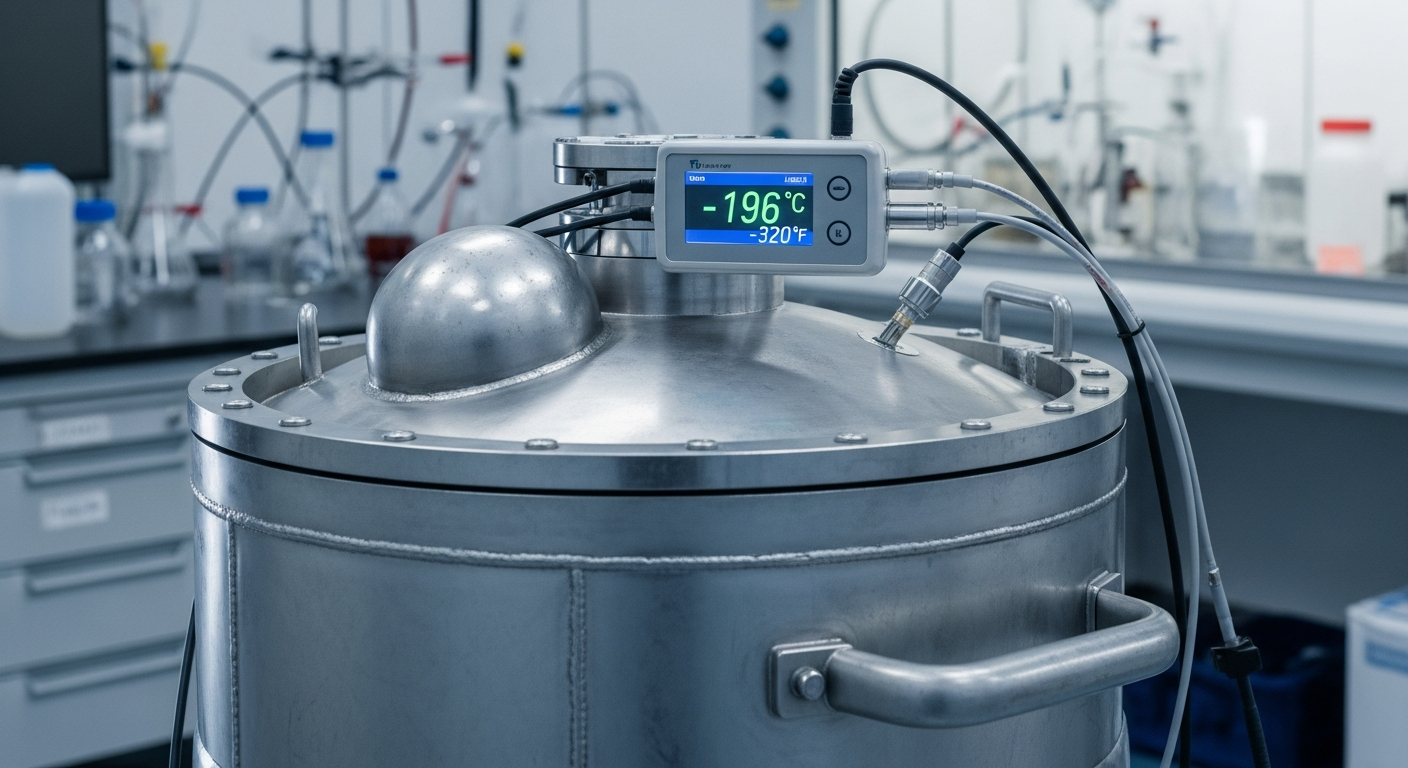
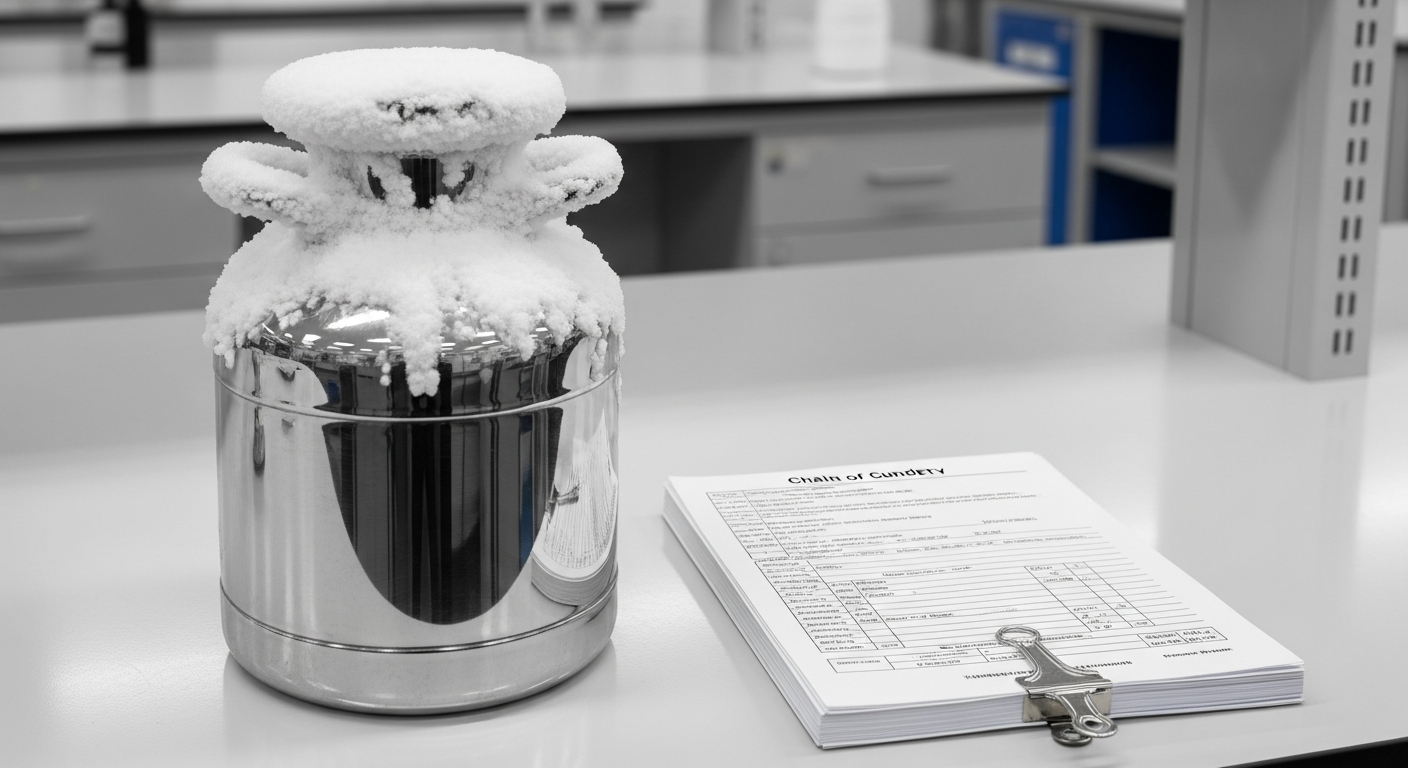
Cryopreserved specimens, including frozen embryos, vitrified oocytes, and cryopreserved sperm, require cryogenic transport at temperatures below -150 degrees Celsius, maintained by liquid nitrogen or liquid nitrogen vapor shippers. The transport container must hold cryogenic temperatures for the entire transit duration with a safety margin that accounts for potential delays. A dry shipper that maintains temperature for 10 days provides adequate margin for domestic transport, but the shipper must be properly charged with liquid nitrogen, the specimens must be correctly positioned within the canister, and the chain of custody must document every handling event from pickup to delivery.
Reproductive tissue including testicular tissue from surgical extraction and ovarian tissue preserved for fertility preservation patients adds another category with distinct requirements. These tissues may be transported fresh or cryopreserved depending on the clinical protocol, and the courier must follow the specific handling instructions provided by the reproductive endocrinologist and embryology laboratory.
Reproductive Specimen Types and Transport Conditions:
- Fresh oocytes: body temperature (37°C) in portable incubator with strict time limitations
- Fresh sperm samples: ambient or body temperature in insulated container with minimal transit time
- Cryopreserved embryos: below -150°C in charged liquid nitrogen dry shipper with chain of custody
- Vitrified oocytes: below -150°C in cryogenic shipper with documented temperature maintenance
- Reproductive tissue: fresh or cryopreserved per clinical protocol with laboratory-specified handling
2. Cryogenic Transport Protocols and Equipment
Cryogenic transport is the technical core of reproductive specimen transport for frozen materials. The standard equipment is a liquid nitrogen dry shipper, a specially designed dewar that absorbs liquid nitrogen into a porous material inside the container. When properly charged, the dry shipper maintains cryogenic temperatures without having free liquid nitrogen that could spill during transport. This design satisfies International Air Transport Association regulations for shipping and ground transport safety requirements while maintaining the ultra-low temperatures necessary for specimen viability.
Proper dry shipper preparation is critical. The shipper must be charged with liquid nitrogen for the manufacturer-specified period, typically 24 to 48 hours, and verified to have reached the target temperature before specimens are loaded. The hold time, which is the duration the shipper maintains cryogenic temperatures without additional liquid nitrogen, must exceed the expected transit time by a sufficient safety margin. For routine fertility clinic courier transport within a metropolitan area, a shipper with a 7-day hold time provides adequate margin. For longer transits, shippers with 10 to 14-day hold times may be required.
The courier handling cryogenic reproductive specimens must understand orientation requirements, impact protection, and monitoring. Dry shippers must remain upright during transport to maintain the liquid nitrogen distribution within the absorbent material. Impacts or severe vibration can compromise the vacuum jacket that provides thermal insulation. Temperature monitoring, while not always continuous during transit, must be documented at pickup and delivery to verify that the shipper maintained cryogenic conditions throughout the journey.
Cryogenic Transport Requirements:
- Properly charged liquid nitrogen dry shipper verified at target temperature before specimen loading
- Hold time exceeding expected transit time by minimum safety margin per facility protocol
- Upright orientation maintained throughout transport to preserve liquid nitrogen distribution
- Impact protection and vibration dampening to protect vacuum jacket integrity of the dewar
- Temperature verification at pickup and delivery with documentation for facility records
3. Chain of Custody and Patient Identification in Reproductive Transport
Chain of custody in reproductive specimen transport carries unique significance because specimen misidentification or loss has consequences that cannot be reversed. Unlike a blood specimen where a new draw can be collected, a lost or mislabeled embryo represents an irreplaceable loss. The chain of custody protocol must document every individual who handles the specimen, every location transfer, and every verification step from the moment the specimen leaves the originating facility to the moment it is received and verified at the destination.
Patient identification verification is particularly critical in reproductive transport. The fertility industry has documented cases of specimen mix-ups that resulted in patients receiving the wrong embryos, leading to devastating personal consequences and significant legal liability. The transport chain of custody must include patient identifier verification at every handoff point, dual-witness verification where required by facility protocol, and documentation that links the transport container, the specimen identification, and the patient records without ambiguity. Chain of custody best practices for reproductive specimens exceed those of routine laboratory specimens because the consequences of error are so much more severe.
Digital chain of custody systems provide the strongest documentation for reproductive transport. Barcode or QR code scanning at each handoff creates a timestamped, location-tagged record that cannot be altered after the fact. Digital signatures replace paper logs that can be lost or illegible. The complete chain of custody record becomes part of the patient’s reproductive medicine file and must be available for review by both the sending and receiving facilities.
Chain of Custody Requirements for Reproductive Transport:
- Patient identifier verification at every handoff point with documented confirmation by both parties
- Digital barcode or QR scanning creating timestamped, GPS-tagged records at each transfer event
- Dual-witness verification where required by sending or receiving facility laboratory protocols
- Tamper-evident container seals that provide visual proof of integrity throughout the transport chain
- Complete audit trail maintained as part of the patient’s reproductive medicine record at both facilities
4. Regulatory Framework and Compliance for Reproductive Transport
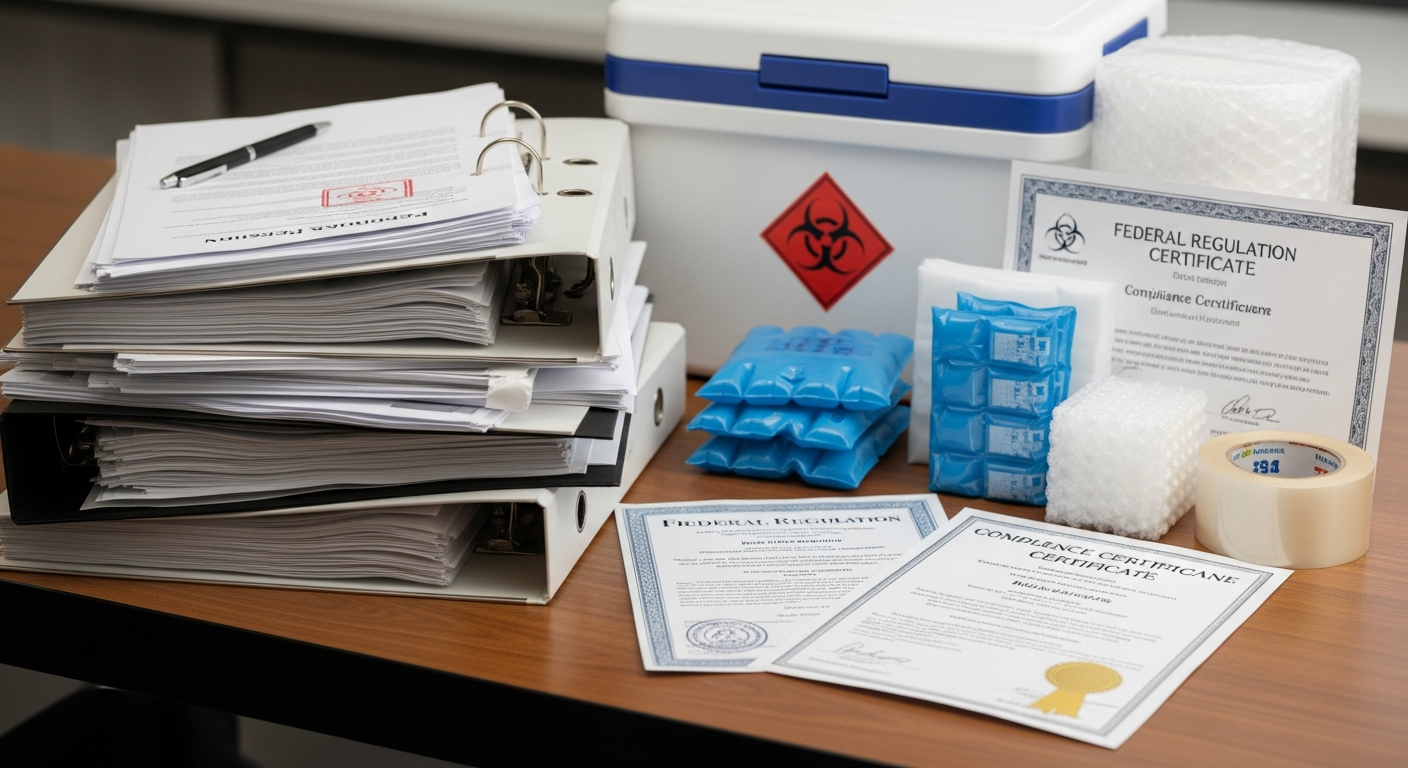
Reproductive specimen transport operates within a regulatory framework that includes FDA tissue regulations (21 CFR Part 1271), state-specific requirements for reproductive tissue handling, HIPAA privacy rules for patient information, and DOT regulations for the transport containers themselves. FDA regulations classify reproductive tissues as human cells, tissues, and cellular and tissue-based products (HCT/Ps), which means that facilities handling these materials must be registered with the FDA and must follow current good tissue practice requirements.
The courier transporting reproductive specimens must operate within this regulatory framework even though the courier itself may not be an FDA-registered tissue establishment. The courier is responsible for maintaining the transport conditions specified by the sending facility, preserving the chain of custody documentation, and delivering specimens in compliance with the receiving facility’s acceptance criteria. Any deviation from specified transport conditions must be reported to both facilities so they can make clinical decisions about specimen usability.
State regulations add another layer of compliance. Some states have specific requirements for reproductive tissue transport, including licensing, insurance minimums, and documentation standards that exceed federal requirements. A reproductive specimen transport courier operating across state lines must understand and comply with the regulations of both the originating and receiving jurisdictions. This is particularly relevant for medical courier services in the Northeast, where clinics in New York, New Jersey, and Connecticut may exchange specimens across state lines routinely.
Regulatory Compliance Areas for Reproductive Transport:
- FDA 21 CFR Part 1271 compliance for transport of human cells, tissues, and cellular tissue-based products
- State-specific reproductive tissue handling and transport regulations in originating and receiving jurisdictions
- HIPAA privacy and security compliance for patient reproductive health information during transport
- DOT regulations for cryogenic containers and hazardous materials classification of liquid nitrogen
- Facility-specific acceptance criteria that the courier must meet for specimens to be received at destination
5. Choosing a Courier Partner for Reproductive Specimen Transport
Fertility clinics and reproductive medicine programs selecting a courier for specimen transport must apply the highest evaluation standards. The irreplaceable nature of the materials being transported means that cost should not be the primary selection criterion. The courier must demonstrate expertise in cryogenic handling, impeccable chain of custody protocols, driver training specific to reproductive specimen requirements, and insurance coverage adequate for the value of the materials being transported.
The evaluation process should include verifying the courier’s experience with cryogenic dry shippers, reviewing their chain of custody documentation format and verification protocols, confirming that their drivers receive training on reproductive specimen handling and the sensitivity of the materials, and assessing their real-time tracking capabilities for cryogenic transport. The courier should be willing to perform test transports with empty containers to validate their processes before entrusting them with patient specimens.
At carGO Health, we provide embryo transport logistics and reproductive specimen courier services across our Northeast service area. Our certified couriers are trained in cryogenic handling, chain of custody protocols specific to reproductive materials, and the sensitivity required when transporting irreplaceable patient specimens. With over 200,000 orders completed and AI-powered dispatch that ensures the most qualified courier handles every reproductive transport, our platform provides the reliability and accountability that fertility clinics require. Schedule a demo to discuss how our courier services support your reproductive medicine program.
Courier Evaluation Criteria for Fertility Clinics:
- Verified cryogenic handling experience with liquid nitrogen dry shippers and temperature documentation
- Comprehensive chain of custody protocols with digital documentation and dual-verification capability
- Driver training specific to reproductive specimen sensitivity and irreplaceability of transported materials
- Insurance coverage adequate for the replacement value and emotional significance of reproductive specimens
- Willingness to conduct validation transports and facility-specific protocol reviews before live specimen handling
Key Takeaways
Reproductive specimen transport demands the highest standards of any healthcare logistics category. The irreplaceable nature of embryos, oocytes, and reproductive tissue means that transport failures cannot be remediated through recollection or reprocessing. Fertility clinics must select courier partners who demonstrate expertise in cryogenic handling, maintain rigorous chain of custody protocols, comply with FDA and state regulatory requirements, and provide the reliability that patients and clinicians depend on. If your fertility clinic or reproductive medicine program is evaluating transport options, contact carGO Health to learn how our specialized courier services protect your patients’ most valuable specimens.
Frequently Asked Questions
How are frozen embryos transported between fertility clinics?
Frozen embryos are transported in liquid nitrogen dry shippers that maintain cryogenic temperatures below -150°C without free liquid nitrogen. The shipper is charged with liquid nitrogen before use, specimens are loaded and sealed with tamper-evident closures, and a trained courier transports the container with chain of custody documentation at every handoff point.
How long can cryopreserved specimens remain in a dry shipper?
Properly charged dry shippers maintain cryogenic temperatures for 7 to 14 days depending on the model and manufacturer specifications. For local transport within a metropolitan area, a 7-day shipper provides more than adequate margin. For longer transits, shippers with extended hold times should be selected to ensure a safety buffer above the expected transit duration.
What happens if the temperature is compromised during reproductive specimen transport?
If a temperature excursion is detected or suspected during transport, both the sending and receiving facilities must be notified immediately. The receiving embryology laboratory will assess the specimens to determine viability. Depending on the severity and duration of the temperature deviation, specimens may be unusable. This is why properly charged dry shippers with adequate hold times and trained courier handling are essential.
What regulations govern reproductive specimen transport?
Reproductive specimen transport is governed by FDA 21 CFR Part 1271 for human cells and tissues, state-specific reproductive tissue regulations, HIPAA privacy requirements for patient health information, and DOT regulations for transport of cryogenic containers. Facilities must be FDA-registered, and couriers must comply with all applicable transport condition requirements.
Can regular medical couriers transport reproductive specimens?
Only medical couriers with specific training in cryogenic handling, reproductive specimen chain of custody, and the regulatory requirements for tissue transport should handle reproductive specimens. The irreplaceable nature of these materials requires courier expertise that exceeds standard medical specimen transport qualifications. Fertility clinics should verify cryogenic handling experience before entrusting any courier with reproductive specimens.
Related Resources