Reducing Delays in Medical Deliveries: Strategies for Success

Updated April 2026 — reviewed and refreshed by carGO Health editorial team.
Timely medical deliveries are critical for patient care, particularly when transporting pharmaceuticals, blood products, organs, and other life-saving materials. Logistics providers face significant challenges due to traffic congestion, adverse weather conditions, and unpredictable emergencies. Implementing advanced strategies can mitigate these disruptions and ensure that medical deliveries reach their destinations on time.

Optimizing Route Planning with AI and Predictive Analytics
Leveraging AI-driven route optimization platforms can help logistics companies dynamically adjust delivery paths in real-time. Predictive analytics assess historical traffic data, current congestion, and weather patterns to determine the most efficient routes. Machine learning algorithms continuously refine these calculations, enhancing accuracy and reducing transit times.
Utilizing IoT for Real-Time Tracking and Condition Monitoring
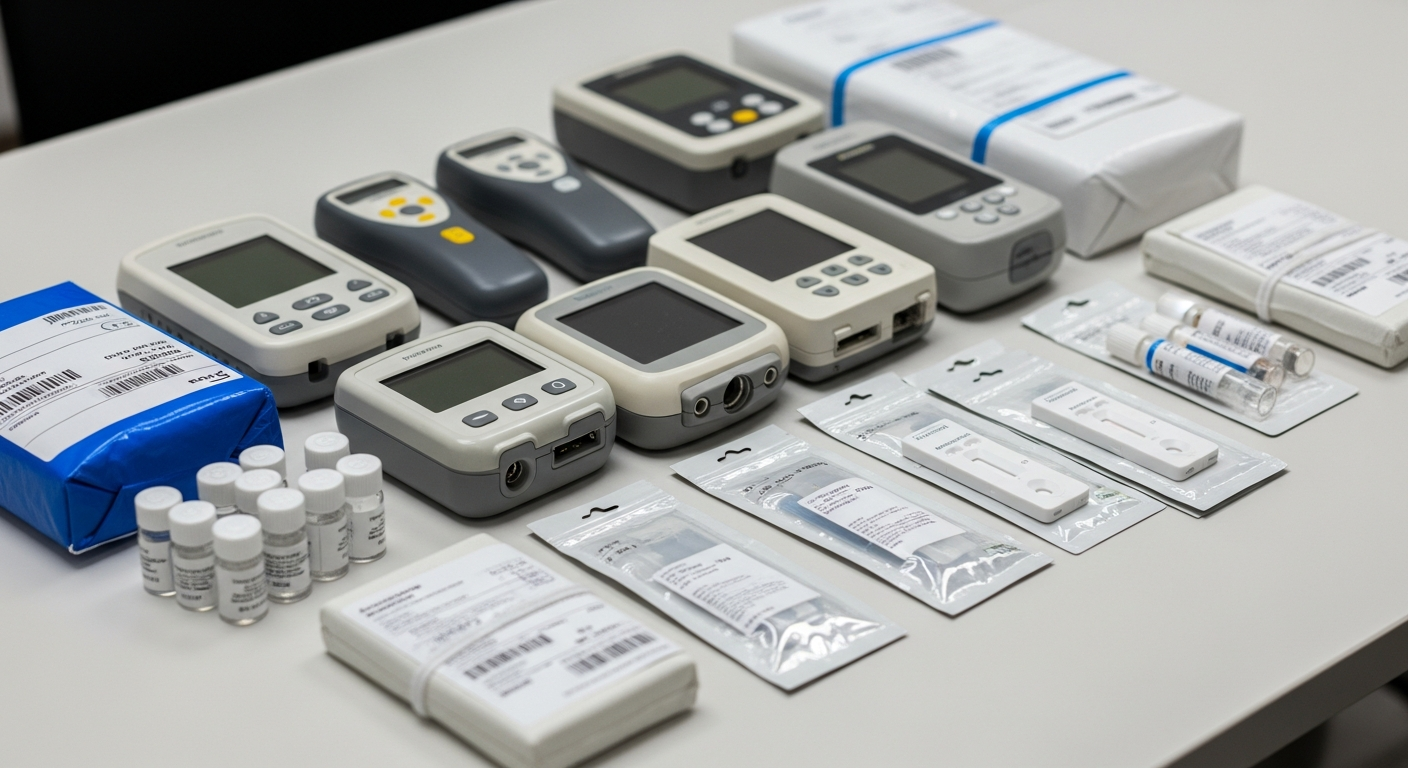
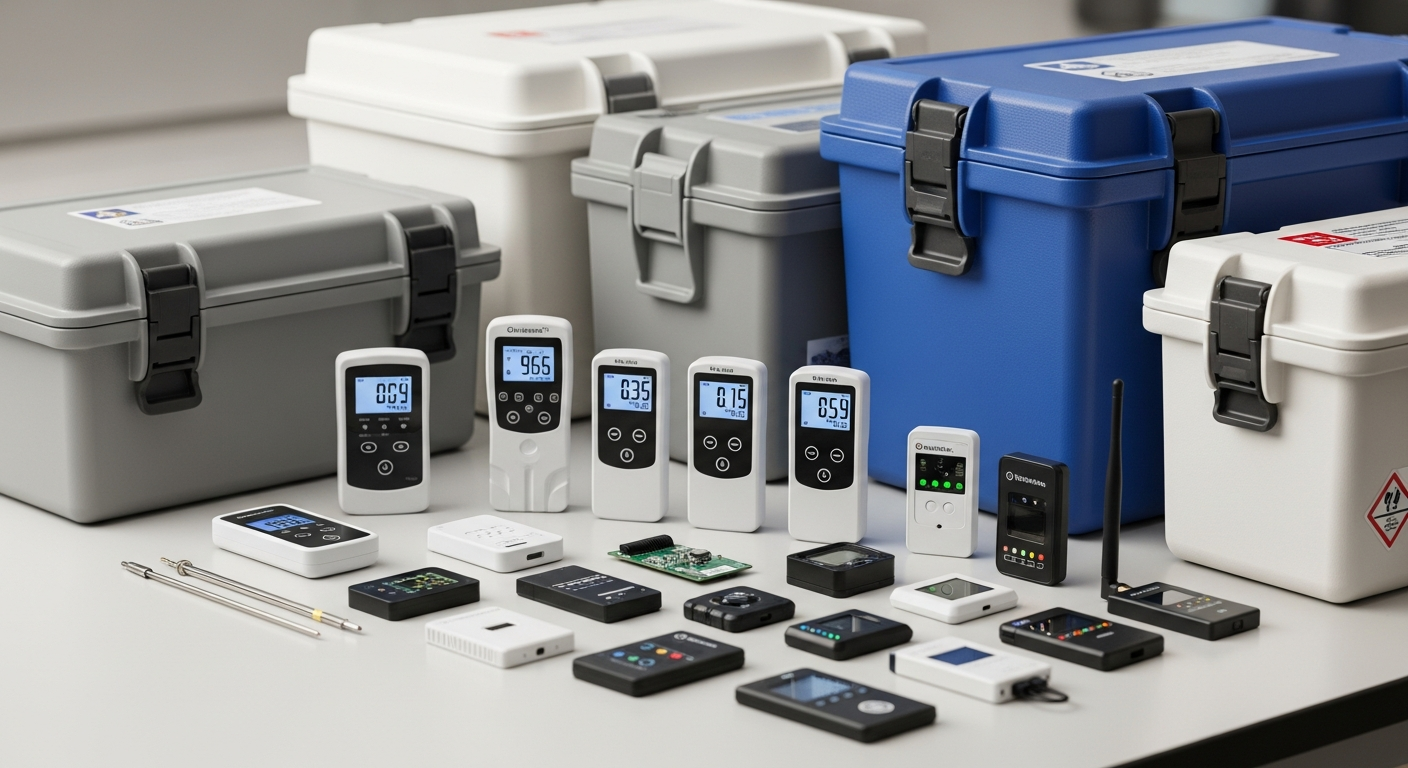
Internet of Things (IoT) sensors provide live updates on vehicle location, temperature control for sensitive materials, and environmental conditions. This technology ensures compliance with medical transport regulations while enabling proactive decision-making. If a delay is detected, rerouting or dispatching backup vehicles can mitigate disruptions before they impact delivery schedules.
Deploying Emergency Response Protocols and Contingency Planning
Unforeseen circumstances such as road closures, natural disasters, or public emergencies necessitate a robust contingency framework. Establishing emergency response teams, pre-designated alternative routes, and strategic partnerships with regional carriers can ensure continuity of service. Additionally, integrating geofencing alerts allows immediate detection of deviations from planned routes.
Leveraging Drone and Autonomous Vehicle Technology
For urgent medical deliveries, drones and autonomous ground vehicles offer viable alternatives to conventional transportation. Drones can bypass road congestion entirely, delivering small, high-priority shipments such as lab samples or emergency medications within minutes. Meanwhile, autonomous vehicles equipped with AI-driven navigation systems enhance delivery precision and efficiency.
Implementing Cold Chain Management for Temperature-Sensitive Deliveries
Temperature fluctuations can compromise the integrity of pharmaceuticals, vaccines, and biologics. Advanced cold chain logistics, including real-time temperature monitoring, phase-change packaging, and backup refrigeration systems, ensure that critical shipments remain within required temperature ranges. Logistics providers should also conduct regular audits and compliance checks to prevent deviations.
Enhancing Coordination with Healthcare Facilities and Suppliers
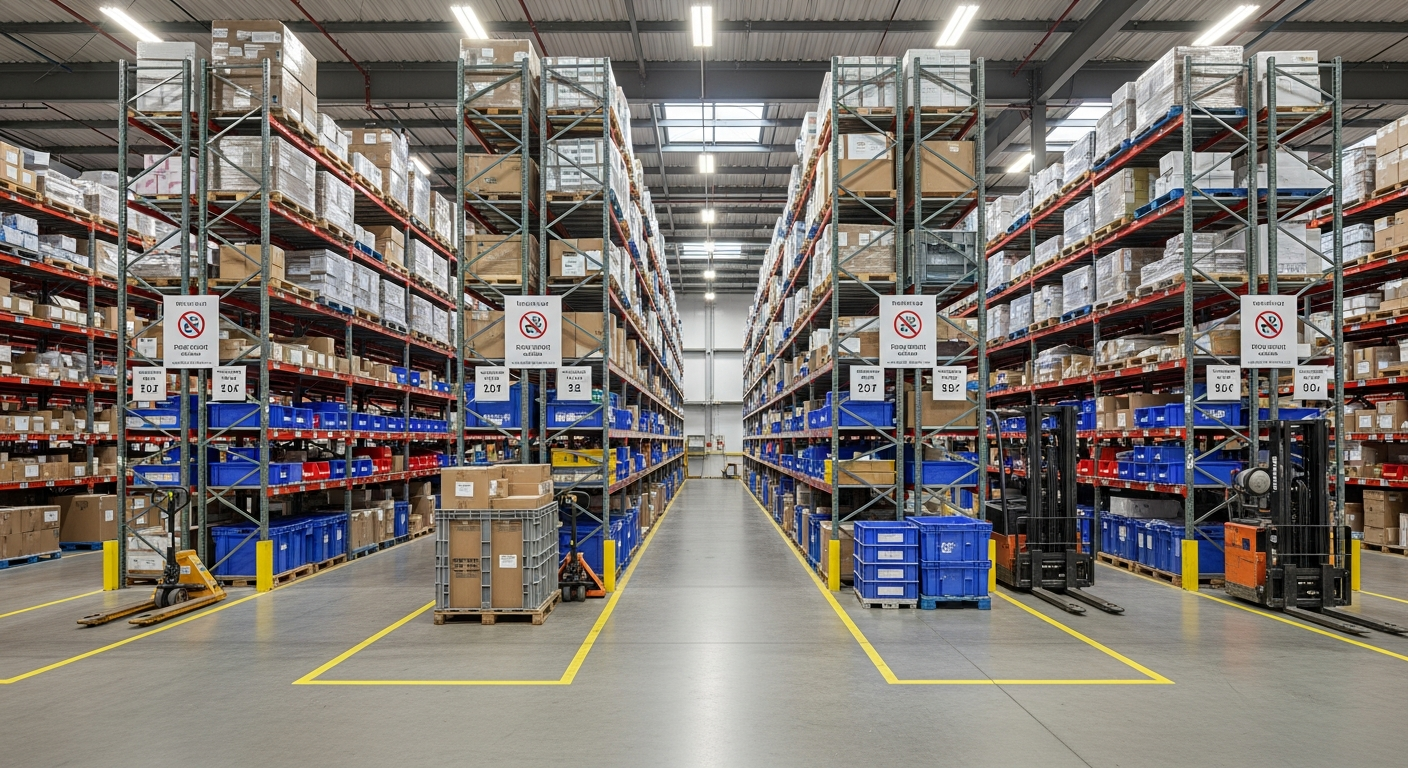
Seamless communication between logistics providers, healthcare facilities, and suppliers minimizes last-mile delays. Implementing digital supply chain platforms that facilitate automated scheduling, inventory updates, and order tracking ensures real-time visibility and coordination. This approach reduces miscommunications and accelerates decision-making.
Regulatory Compliance and Risk Mitigation Strategies
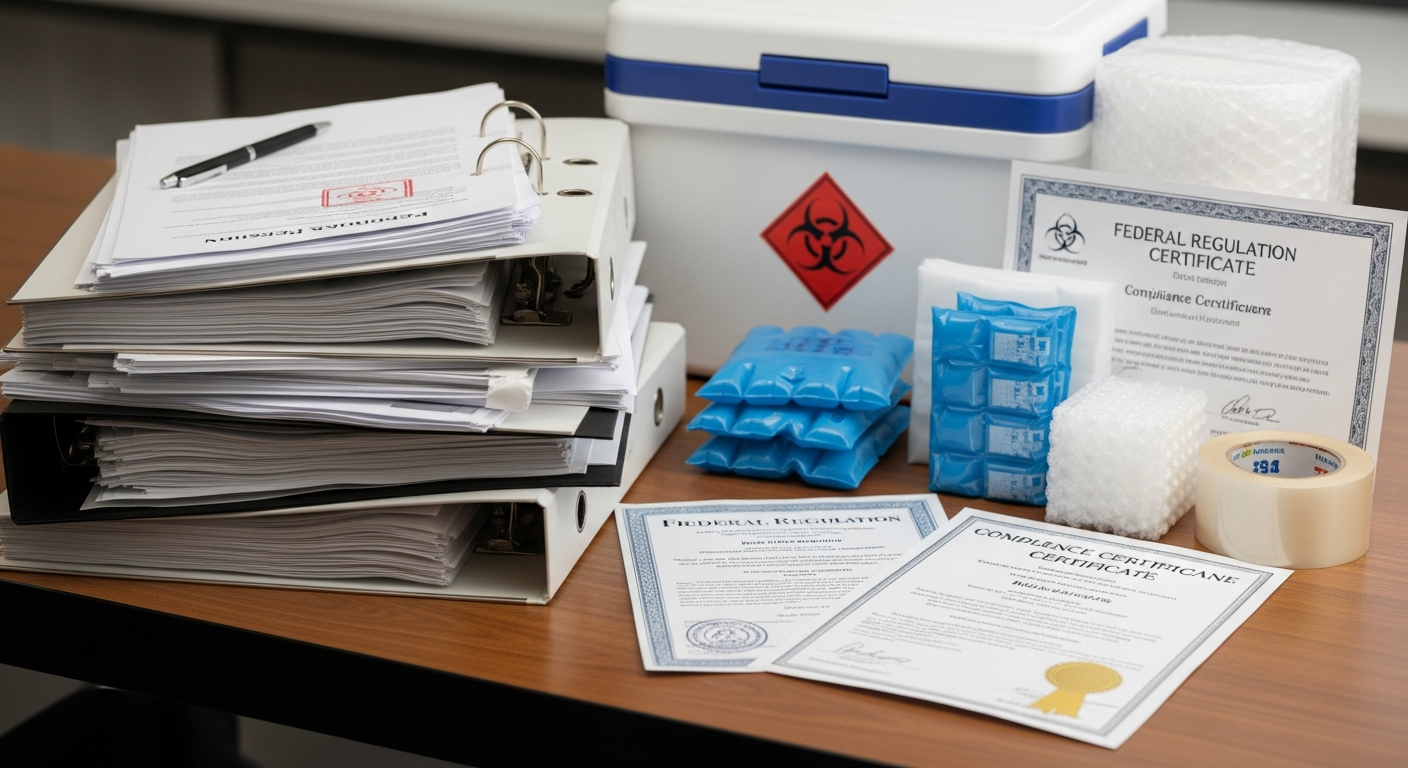
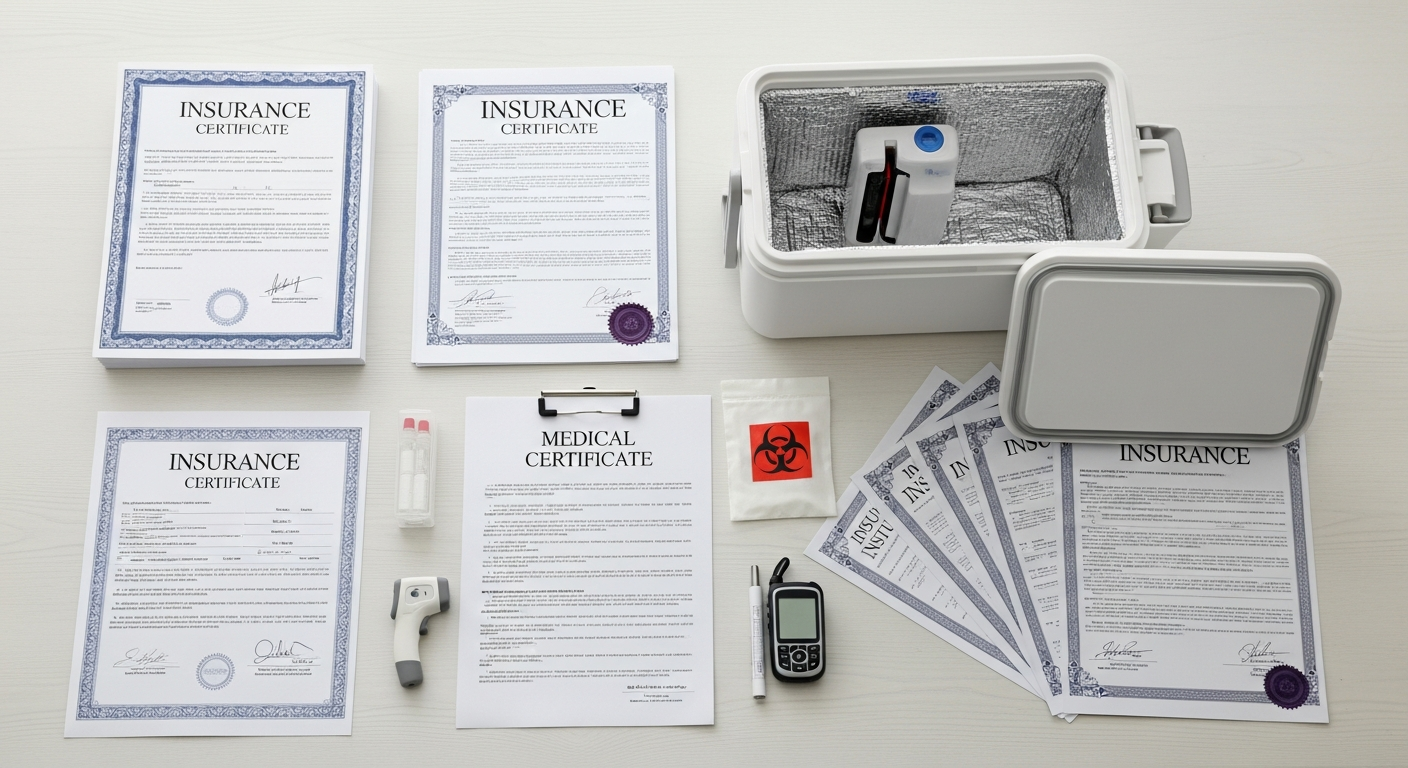
Medical deliveries are subject to stringent regulatory standards, including FDA, HIPAA, and WHO guidelines. Adhering to these protocols requires ongoing staff training, automated compliance monitoring, and advanced security measures such as blockchain-based tracking for data integrity. Failure to meet regulatory standards can lead to severe delays, financial penalties, and compromised patient care.
Key Takeaway
Minimizing delays in medical deliveries requires a multi-faceted approach that integrates AI-driven logistics, real-time tracking, alternative transport solutions, and strong contingency planning. By leveraging emerging technologies and optimizing coordination, logistics providers can significantly improve the reliability and efficiency of medical supply chains, ensuring uninterrupted patient care.
Related Resources
- Temperature-Controlled Transport
- Cold Chain
- Refrigerated
- Hipaa-Compliant Courier
- Osha-Compliant Courier
- Real-Time Tracking
Need a reliable medical courier? Request a demo to see how carGO Health can streamline your medical deliveries across the Northeast.
Working with a medical courier service that understands the unique demands of healthcare logistics ensures your specimens and supplies arrive safely and on time.
About the Author
Parth Patel is the Founder and CEO of carGO Health, a specialized medical courier service operating 24/7/365 across the Northeast United States. With firsthand experience in medical courier operations since childhood and over 200,000 deliveries completed, Parth built carGO Health to bring technology, reliability, and accountability to healthcare logistics. Connect with Parth on LinkedIn.
Related Reading
- Comprehensive Guide to Medical Courier Services
- Why Hospitals Outsource Medical Courier Operations
- STAT Medical Courier Service: Emergency Response Standards
- Medical Specimen Transport: Protocols and Compliance
- HIPAA Compliant Medical Courier: What to Look For
- Get a Quote — carGO Health Medical Courier Services
Related Resources