Healthcare Reverse Logistics: Managing Returns, Recalls, and Equipment Retrieval
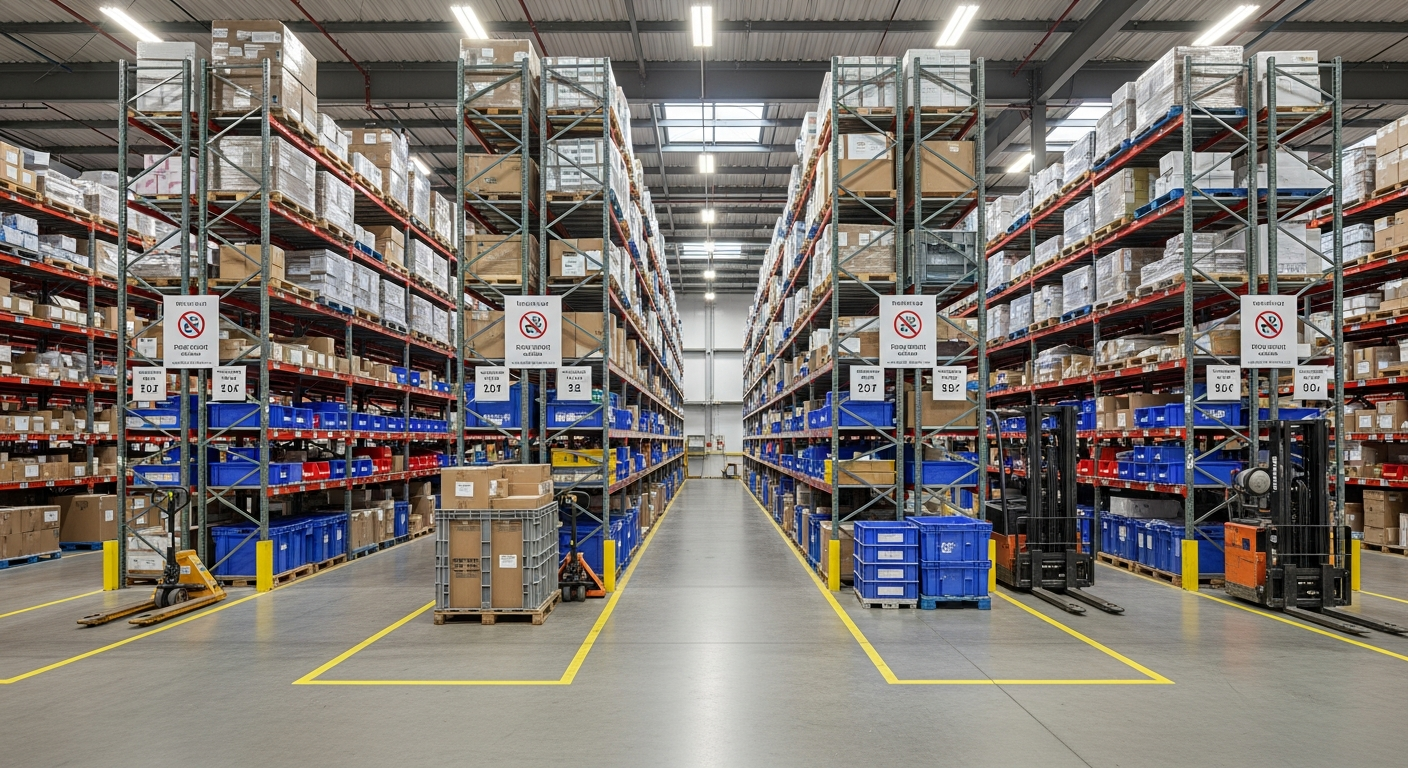
Healthcare reverse logistics encompasses the movement of materials, equipment, and products backward through the supply chain, from the point of use back to manufacturers, distributors, or disposal facilities.

1. What Healthcare Reverse Logistics Actually Involves
Healthcare reverse logistics encompasses the movement of materials, equipment, and products backward through the supply chain, from the point of use back to manufacturers, distributors, or disposal facilities.
Common scenarios include:
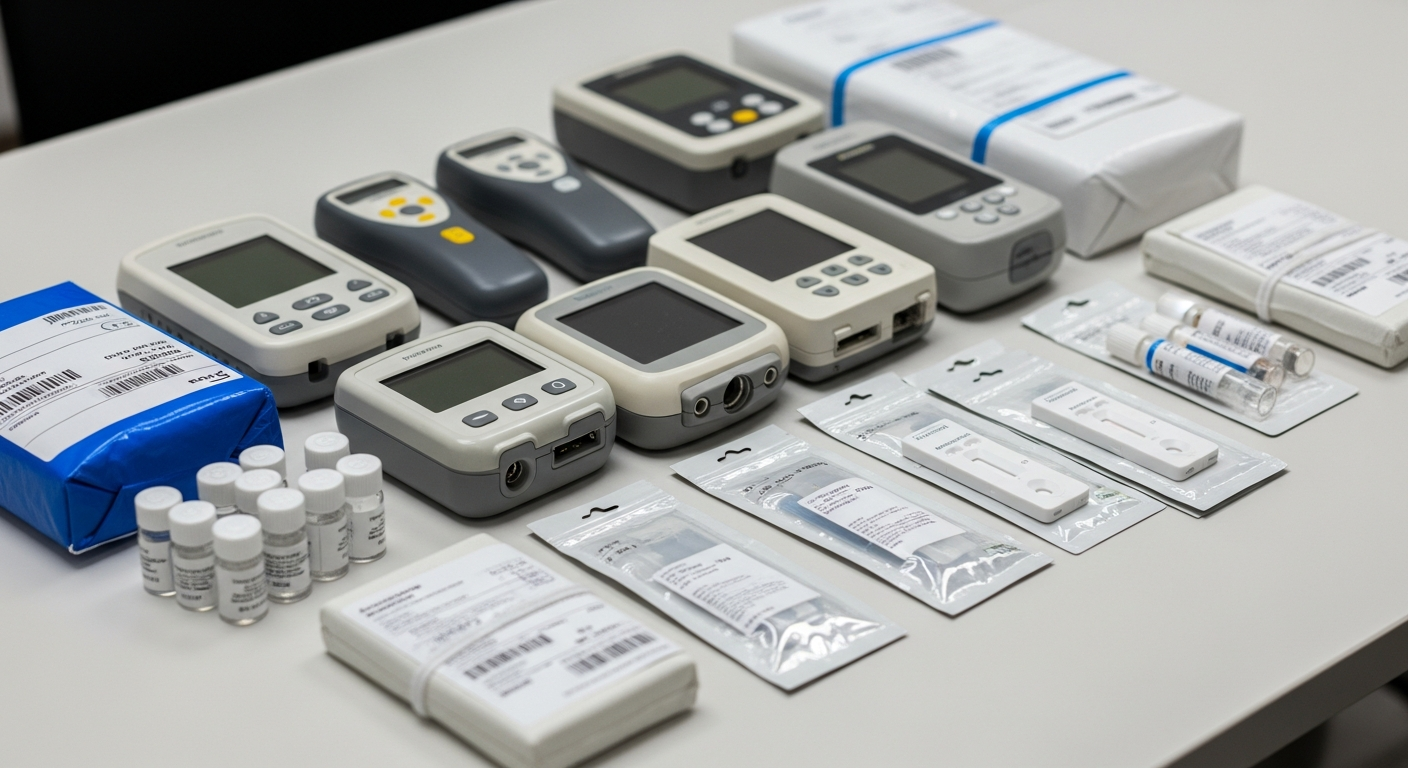
- Medical device returns for repair, refurbishment, or warranty replacement
- Pharmaceutical recall collection from pharmacies, hospitals, and clinics
- Rental equipment retrieval (infusion pumps, monitoring devices, mobility aids)
- Expired or damaged inventory returns to distributors
- Specimen container and cooler return cycles
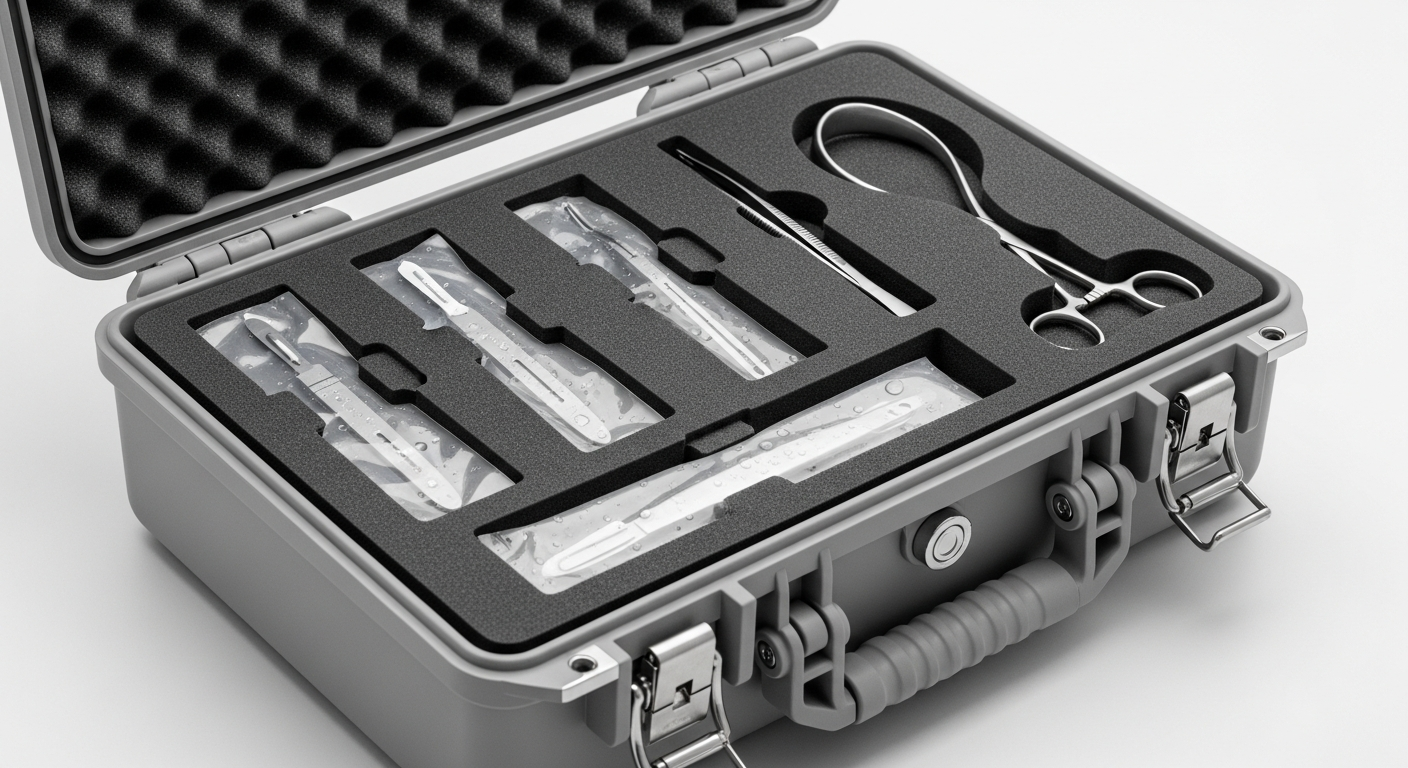
- Surgical instrument return to off-site sterile processing
Each scenario carries specific regulatory, safety, and documentation requirements. A returned infusion pump may contain residual medication and patient data. A recalled pharmaceutical must be tracked through documented chain of custody. These requirements make healthcare reverse logistics a specialized discipline within medical logistics services.
2. Pharmaceutical Recall Logistics
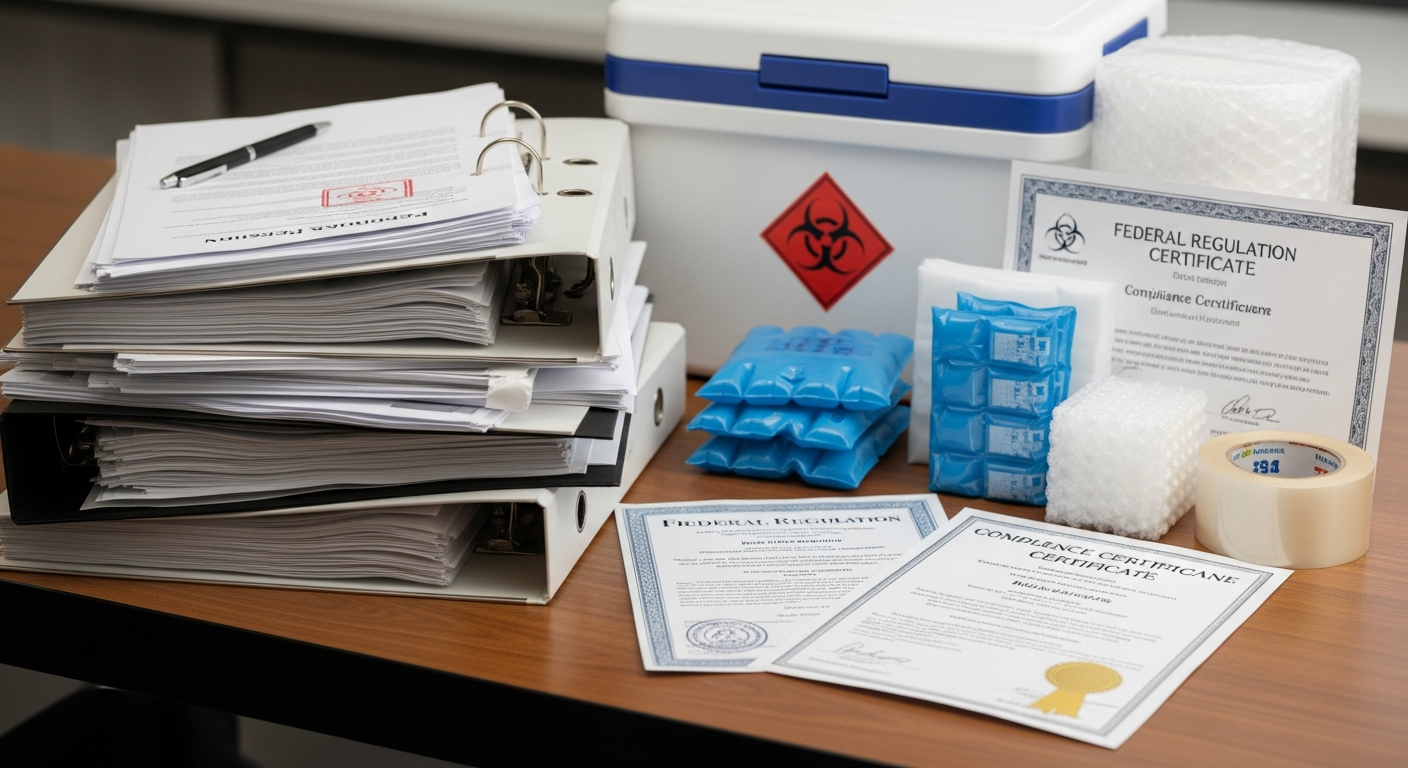
When the FDA initiates or a manufacturer announces a drug recall, the reverse logistics challenge is immediate and high-stakes. Recalled products must be removed quickly while maintaining chain-of-custody documentation.
Recall classifications determine urgency:
- Class I: Reasonable probability of serious health consequences or death. Requires immediate retrieval.
- Class II: May cause temporary or medically reversible adverse consequences. Rapid retrieval.
- Class III: Not likely to cause adverse health consequences. Managed retrieval.
For Class I recalls, courier services may need to deploy multiple drivers simultaneously to collect from dozens of locations within hours.
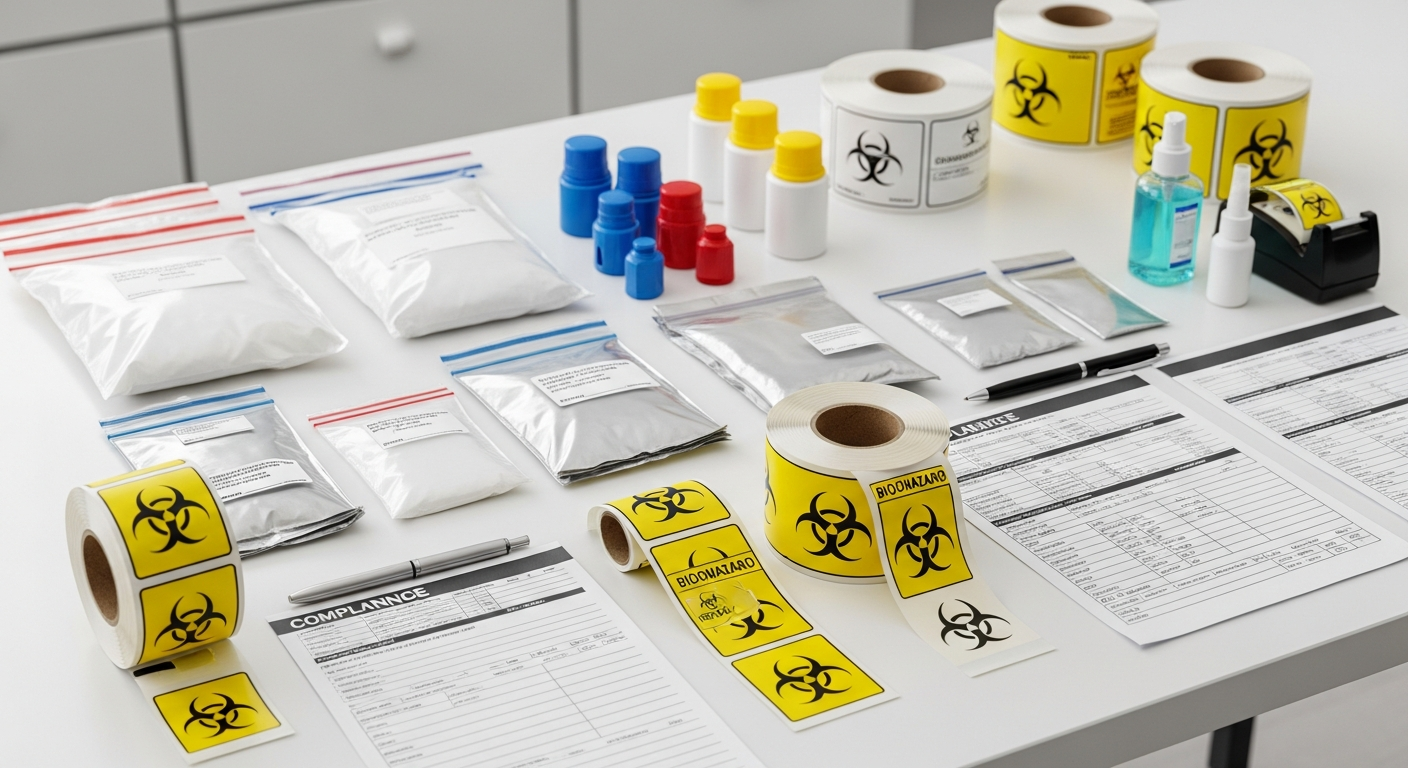
Documentation requirements include lot number verification, quantity reconciliation, secure transport, and proof of delivery. A pharmaceutical courier service with digital chain-of-custody can generate these records automatically.
3. Medical Device Return and Repair Logistics
Medical devices present unique reverse logistics challenges:
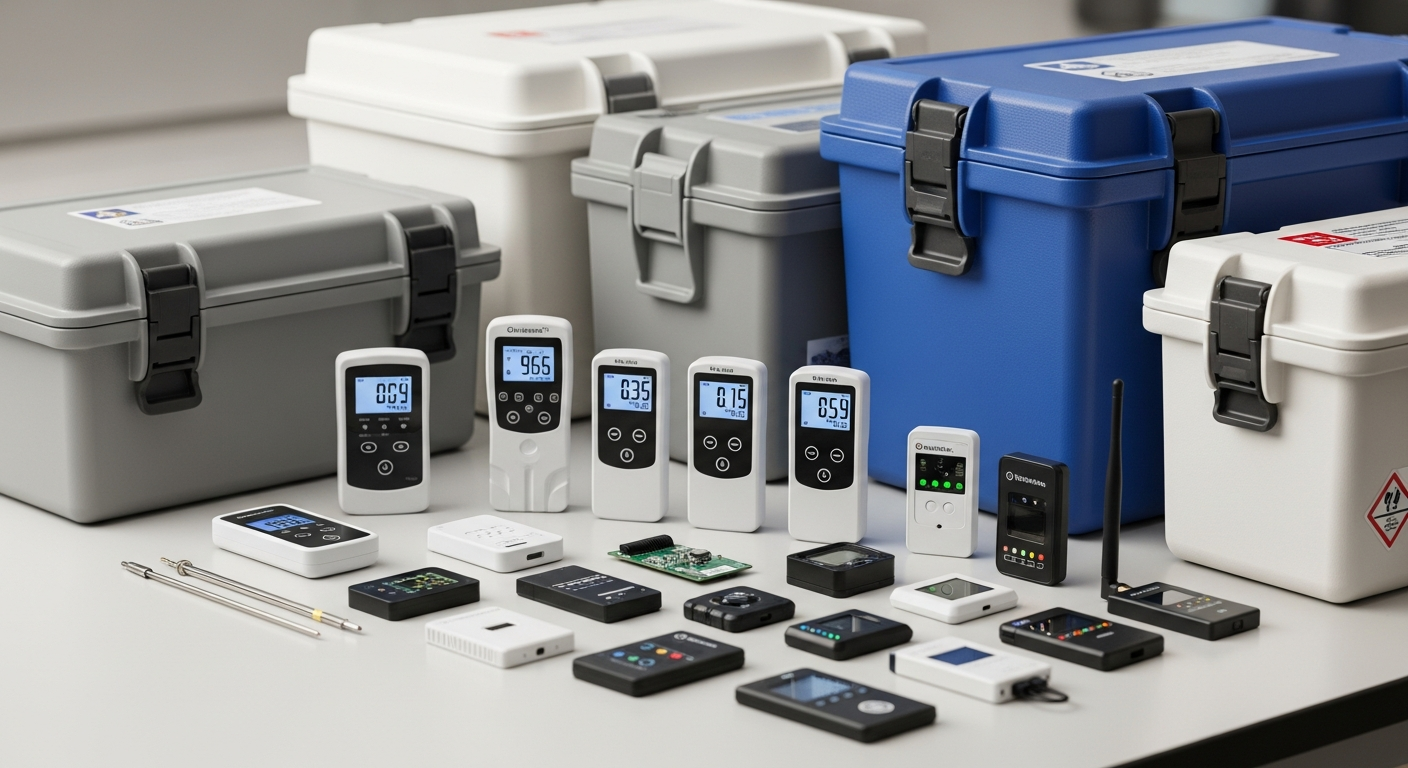
Data Security: Devices with internal storage may contain PHI. HIPAA requirements apply during transport.
Hazardous Components: Many devices contain lithium batteries, radioactive components, or residual biological contamination requiring DOT compliance.
Value Protection: A portable ultrasound worth $50,000 or surgical robot component worth hundreds of thousands requires careful handling and appropriate packaging.
Timing: When critical equipment fails, the facility needs it repaired and returned quickly. Reverse logistics must coordinate tightly with manufacturer service operations.
Courier services need vehicles equipped for larger items, drivers trained in careful handling, and tracking systems providing visibility throughout the return journey.
4. Optimizing Reusable Container and Equipment Cycles
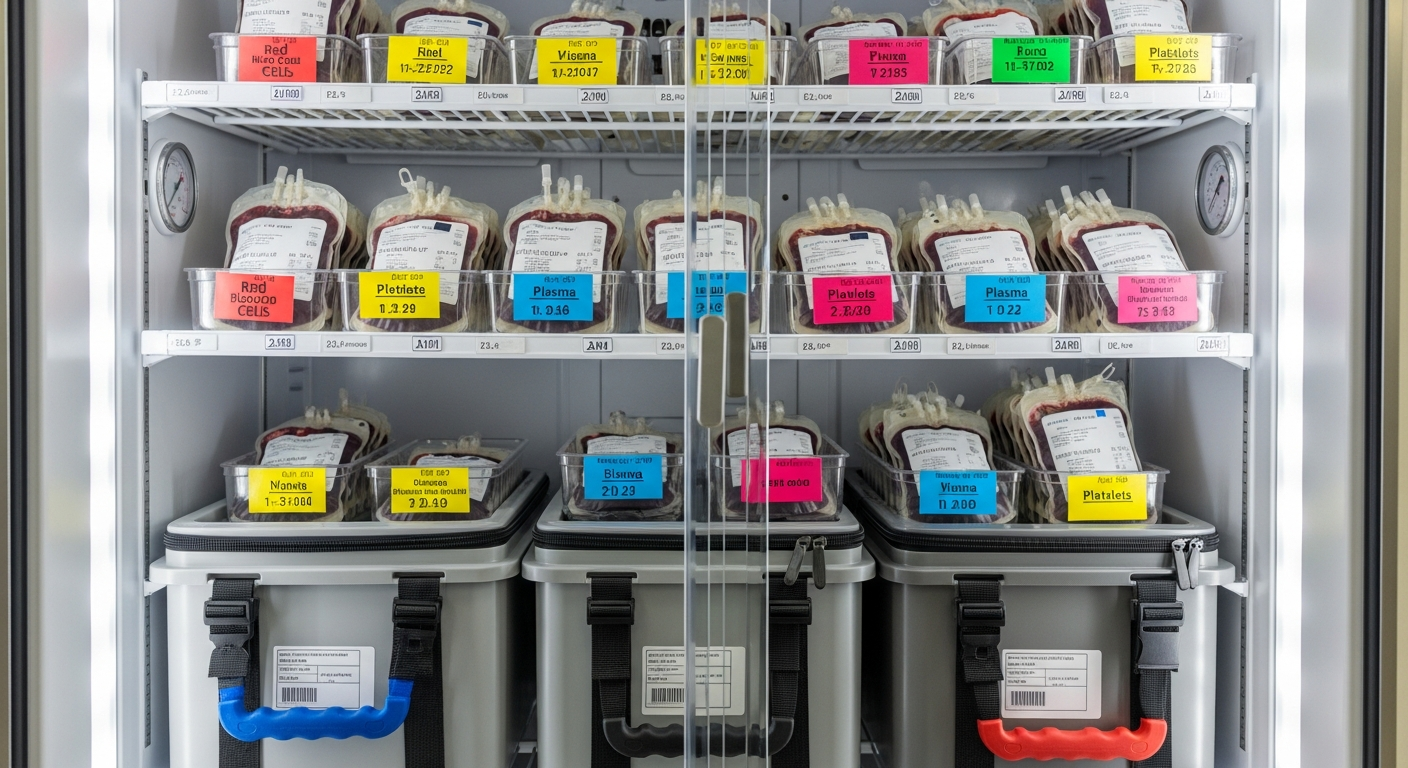
One of the most impactful aspects of healthcare reverse logistics is managing reusable transport containers. Validated specimen transport coolers can cost $200-500 each. A laboratory with 100 coolers has $20,000-50,000 in transport containers alone.
Efficient container return logistics require:
- Tracking individual containers by barcode or RFID
- Integrating returns into existing delivery routes
- Establishing clear return expectations with receiving facilities
- Reporting on utilization, loss rates, and cycle times
A well-managed container return program can reduce inventory needs by 30-40 percent through faster turnover and lower loss rates. Courier platforms with round-trip order capabilities make this optimization possible.
5. Building a Healthcare Reverse Logistics Strategy
Start by mapping all reverse flows and identifying cost, risk, and compliance implications:
Inventory All Reverse Flows: Document every type of item moving backward through your supply chain. Many organizations are surprised by the volume and variety.
Assess Current Costs: Calculate true cost including transport, labor, replacement costs, and compliance risk exposure. Informal reverse logistics is often more expensive than it appears.
Consolidate Providers: Using a single courier for both forward and reverse flows creates efficiencies. Drivers making deliveries can simultaneously collect returns.
Implement Tracking: Every item entering the reverse flow should be tracked from initiation through final disposition.
Request a demo to learn how an integrated forward and reverse logistics platform can streamline your healthcare supply chain.
Frequently Asked Questions
What is healthcare reverse logistics?
The movement of materials backward through the supply chain: equipment returns for repair, recalled products being collected, reusable containers being returned, and expired inventory being retrieved. Each requires specialized handling in healthcare settings.
How are pharmaceutical recalls managed?
Rapid courier deployment to collect recalled products from all affected locations with lot number verification, quantity documentation, and chain-of-custody records at each collection point. Class I recalls may require same-day collection.
Do returned medical devices need special handling?
Yes. Returned devices may contain PHI requiring HIPAA-compliant transport, hazardous components like lithium batteries, or biological contamination from patient use.
How can organizations reduce reverse logistics costs?
Consolidate forward and reverse flows with a single courier, implement container tracking to reduce loss rates, integrate returns into existing routes, and use digital documentation. Many achieve 20-30 percent cost reductions.
What tracking is required?
Requirements depend on item type. Recalled pharmaceuticals need lot-level chain of custody. Devices with PHI need HIPAA-compliant tracking. At minimum, all healthcare reverse logistics should include pickup confirmation, transit tracking, and delivery verification.
Related Resources