Point-of-Care Testing Logistics: Supporting Rapid Diagnostics with Reliable Supply Chains
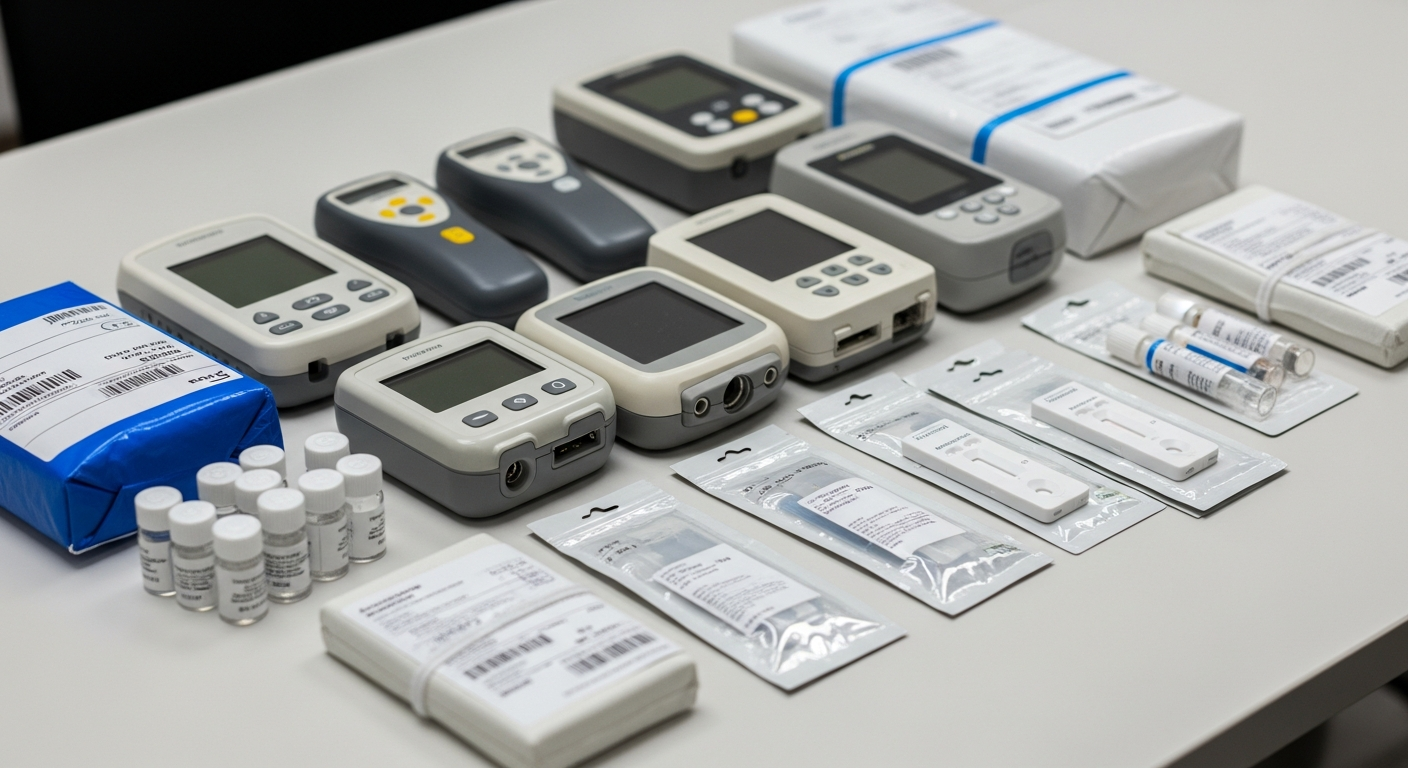
Point-of-care testing (POCT) puts diagnostic capability directly where patients are. While POCT eliminates the need to transport patient specimens for many tests, it creates its own logistics requirements that are often underestimated.

1. The Logistics Behind Point-of-Care Testing Programs
Point-of-care testing (POCT) puts diagnostic capability directly where patients are. While POCT eliminates the need to transport patient specimens for many tests, it creates its own logistics requirements that are often underestimated.
Every POCT device needs a continuous supply of reagents, test cartridges, quality control materials, and consumables. These supplies are often more temperature-sensitive and shelf-life-limited than traditional laboratory reagents.
The global point-of-care diagnostics market is projected to exceed $50 billion by 2027, driven by demand for faster results and decentralized healthcare delivery.
For healthcare systems deploying POCT across multiple locations, the logistics challenge scales with every new testing site. A health system with POCT devices in 50 locations needs reliable medical supply delivery to all 50 sites.
2. Reagent and Consumable Supply Chain Management
POCT reagents require supply chain management accounting for temperature sensitivity, limited shelf life, and variable consumption:
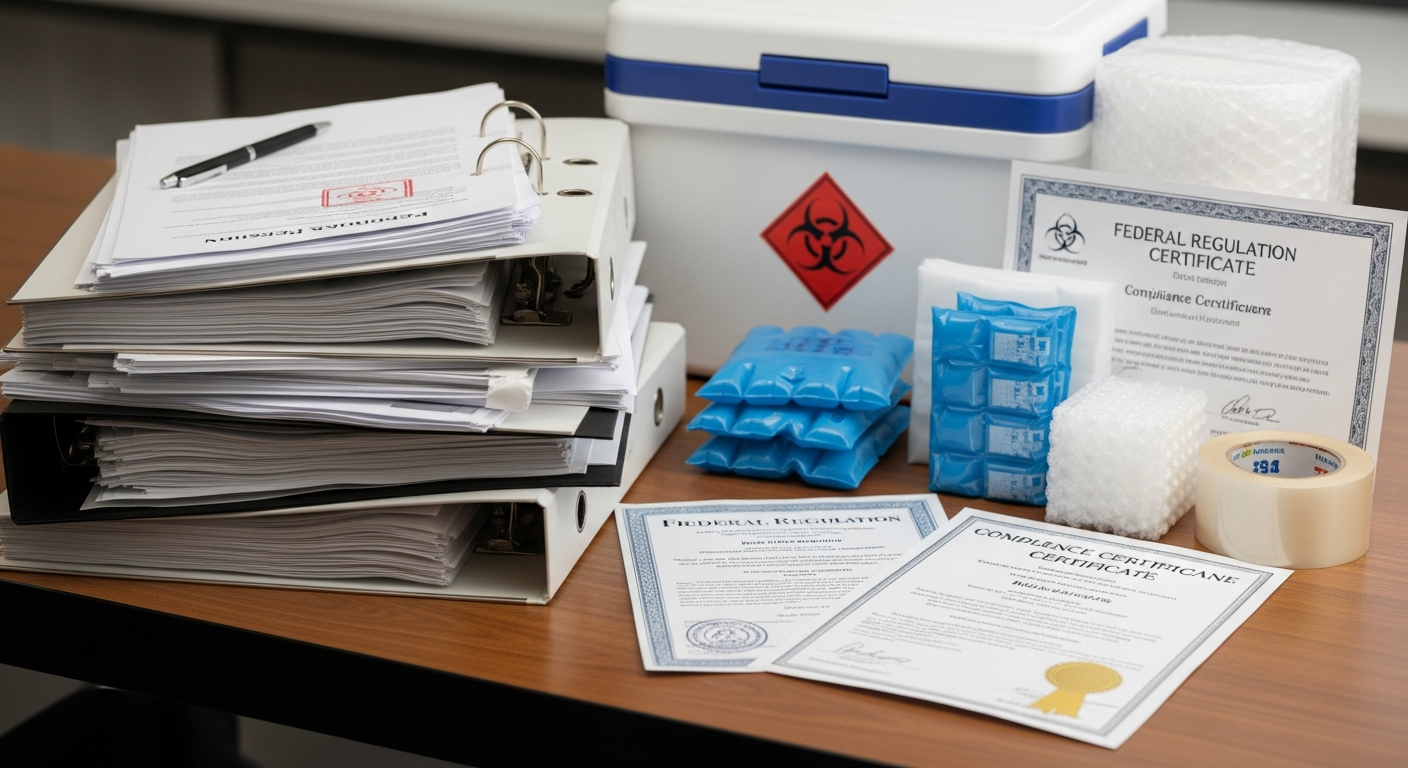
Temperature Requirements: Many POCT reagents require refrigerated transport at 2-8 degrees Celsius. Some blood gas cartridges degrade rapidly above 30 degrees. Molecular testing cartridges may need -20 degrees.
Shelf Life Management: POCT consumables often have shorter shelf lives than traditional lab reagents. Effective management requires first-expiry-first-out rotation and proactive monitoring at each site.
Demand Variability: Consumption varies by location and season. Urgent care clinics use more rapid strep and flu cartridges in winter. Emergency department troponin consumption correlates with patient volume.
Emergency Resupply: When a site runs out, the POCT device becomes useless until resupplied. A STAT delivery service can prevent costly downtime.
3. Quality Control Specimen Transport for POCT
POCT programs require rigorous quality control. While tests happen at the point of care, quality assurance depends on logistics:
Proficiency Testing: Regulatory bodies including CMS/CLIA and CAP require proficiency testing participation. Samples must be analyzed within specified timeframes with results reported centrally.
Split-Sample Correlation: Periodic comparison of POCT results with central lab results on the same specimen requires transporting split samples within stability windows.
QC Material Distribution: Liquid QC materials used daily often require refrigerated storage with limited open-vial stability. Distributing across multiple sites while maintaining cold chain is a scaling challenge.
A POCT program’s quality depends directly on these logistics flows. Missed deadlines or expired QC materials create compliance risk and undermine result confidence.
4. Equipment Maintenance and Support Logistics
POCT devices across multiple locations need ongoing maintenance support:
Preventive Maintenance: Regular visits requiring calibration materials and replacement parts. Missing a window can take a device offline.
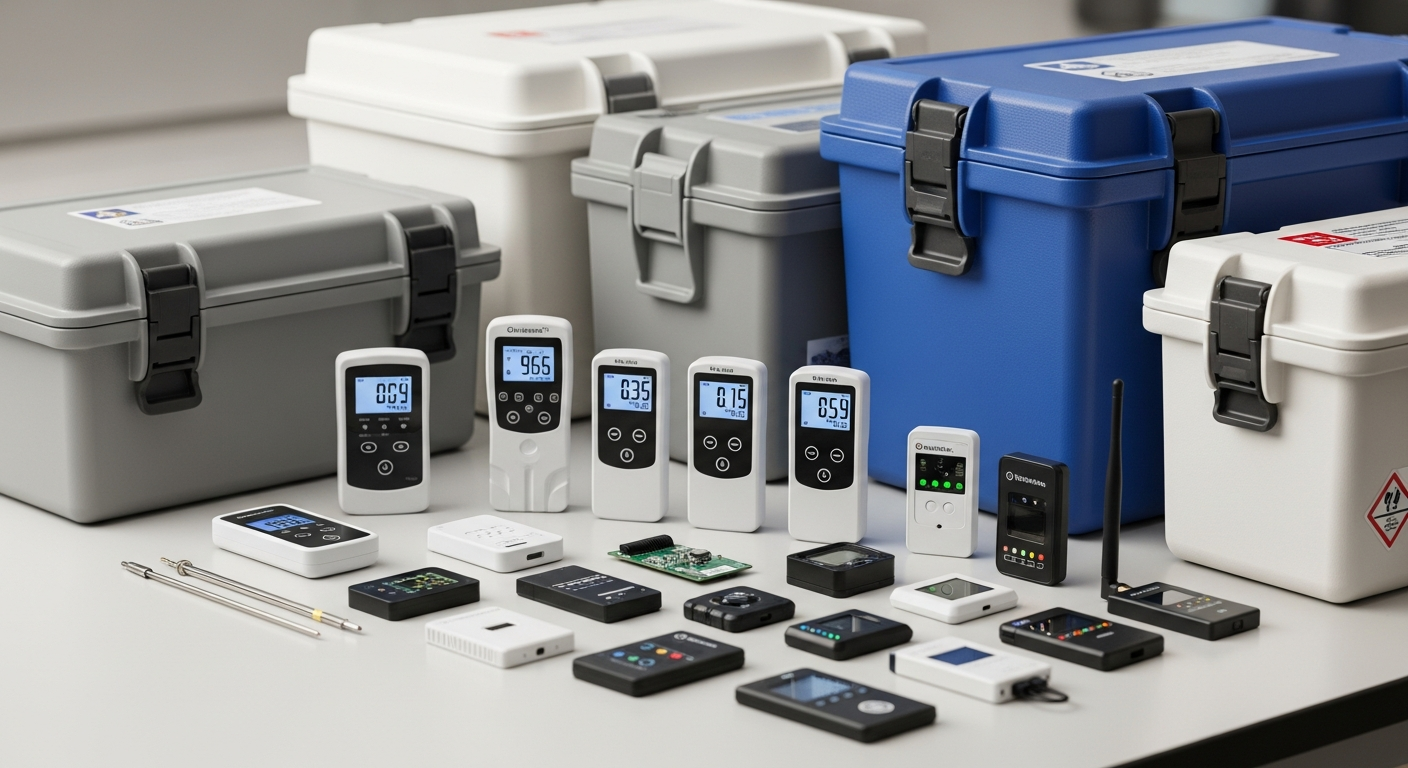
Repair and Replacement: When a device fails, testing capability is lost until repair. Couriers that can transport loaner devices or replacement parts on emergency basis minimize downtime.
Software Updates: Some devices require physical media or hardware tokens for updates, requiring coordinated distribution across the network.
Lifecycle Management: Deploying new devices, relocating existing ones, and decommissioning retired units all require careful transport with attention to data security.
For multi-site healthcare organizations, consolidating POCT logistics with a single courier simplifies coordination.
5. Designing an Integrated POCT Logistics Program
Improve POCT efficiency by designing logistics as an integrated system:
Unified Routes: Combine reagent deliveries, QC distribution, split-sample collection, and equipment support into coordinated routes.
Centralized Inventory: Track levels across all sites for proactive replenishment. Digital ordering can automate reorder triggers based on consumption data.
Escalation Protocols: Define clear paths for urgent situations: a critical site running low, a device failure at a high-volume location, or an approaching proficiency deadline.
Performance Monitoring: Track delivery on-time rates, stockout incidents, temperature excursions, and device downtime attributable to logistics delays.
Schedule a demo to explore how a specialized medical logistics platform can support your point-of-care testing program.
Frequently Asked Questions
What supplies do POCT sites need?
Test reagents and cartridges, quality control materials, calibration solutions, consumables like lancets and capillary tubes, proficiency testing specimens, and occasionally replacement parts or loaner devices. Most sites need at least weekly scheduled deliveries.
How temperature-sensitive are POCT reagents?
It varies: many immunoassay cartridges require 2-8 degrees Celsius, blood gas cartridges are often room temperature but heat-sensitive, and molecular testing reagents may require -20 degrees Celsius frozen transport.
What happens when a POCT site runs out?
That testing capability is completely lost until resupply. For critical tests like troponin in an ED, this can force patient transfers or delays in care. Emergency resupply under two hours is essential.
How does quality control work for POCT?
Daily internal QC testing, periodic proficiency testing with external samples, and regular correlation studies comparing POCT results with central lab results. Each has logistics requirements.
Can one courier handle POCT supplies and lab specimens?
Yes, consolidating with a single courier is often most efficient. POCT supply delivery and specimen pickup routes can be combined, and cold chain capabilities serve both needs.
Related Resources