Veterinary Specimen Transport: Logistics for Animal Diagnostic Laboratories

The veterinary diagnostics market has expanded significantly as pet owners increasingly seek advanced diagnostic testing and livestock operations demand faster turnaround on herd health monitoring. Reference laboratories serving veterinary practices face the same logistics challenges as human diagnostic labs.

1. The Growing Demand for Veterinary Diagnostic Logistics
The veterinary diagnostics market has expanded significantly as pet owners increasingly seek advanced diagnostic testing and livestock operations demand faster turnaround on herd health monitoring. Reference laboratories serving veterinary practices face the same logistics challenges as human diagnostic labs.
Veterinary reference labs like IDEXX, Antech, and Zoetis operate regional laboratory networks that depend on reliable courier services to collect specimens from veterinary clinics, animal hospitals, and agricultural operations daily.
What makes veterinary specimen transport distinct is the variety of patient sizes (from hamsters to horses), the geographic spread of veterinary practices, and unique specimen types that do not exist in human medicine.
For courier services experienced in medical specimen transport, veterinary logistics represents a natural extension leveraging existing cold chain infrastructure and handling expertise.
2. Specimen Types and Handling Requirements
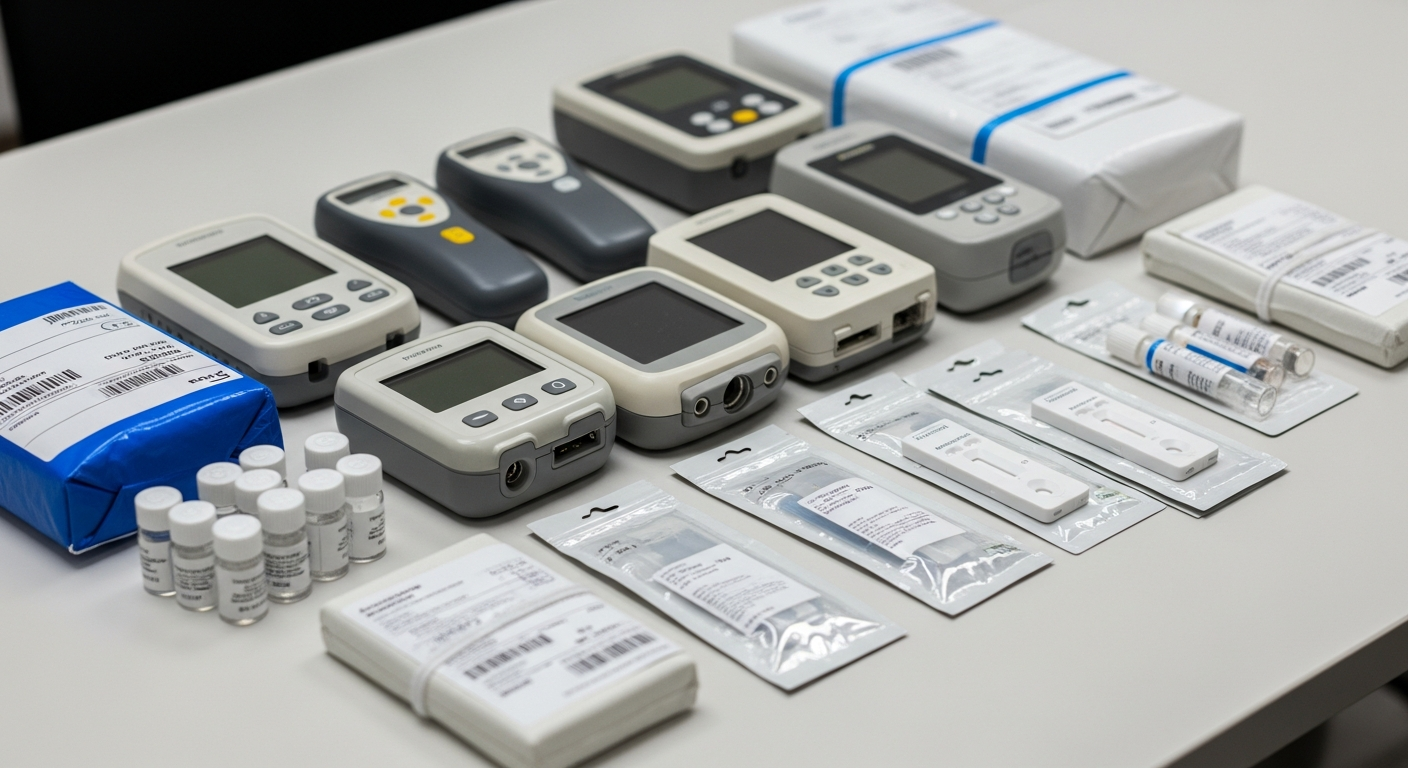
Veterinary specimens span a wide range:
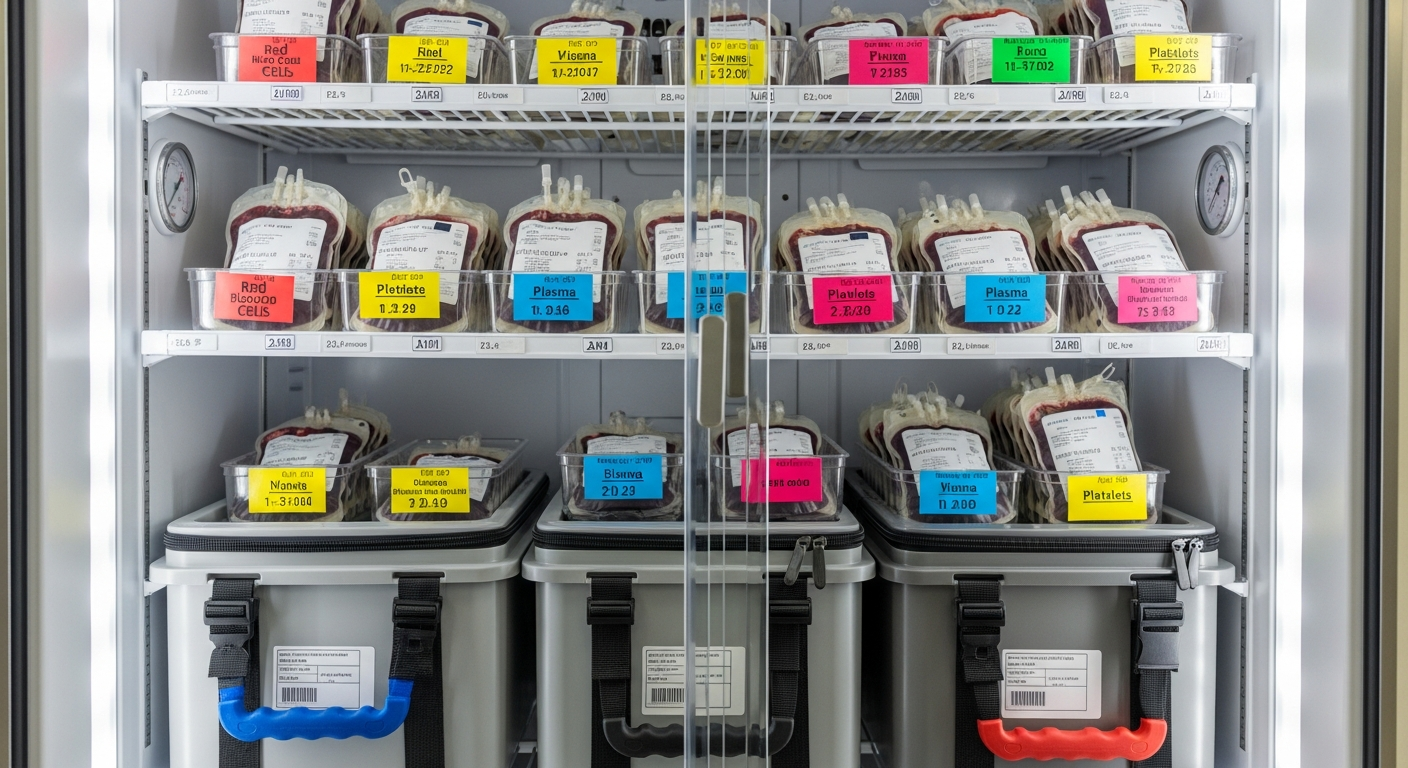
Blood Specimens: The most common veterinary diagnostic specimen. Unlike human blood draws, veterinary collection varies dramatically by species. Avian blood requires different anticoagulants than mammalian blood.
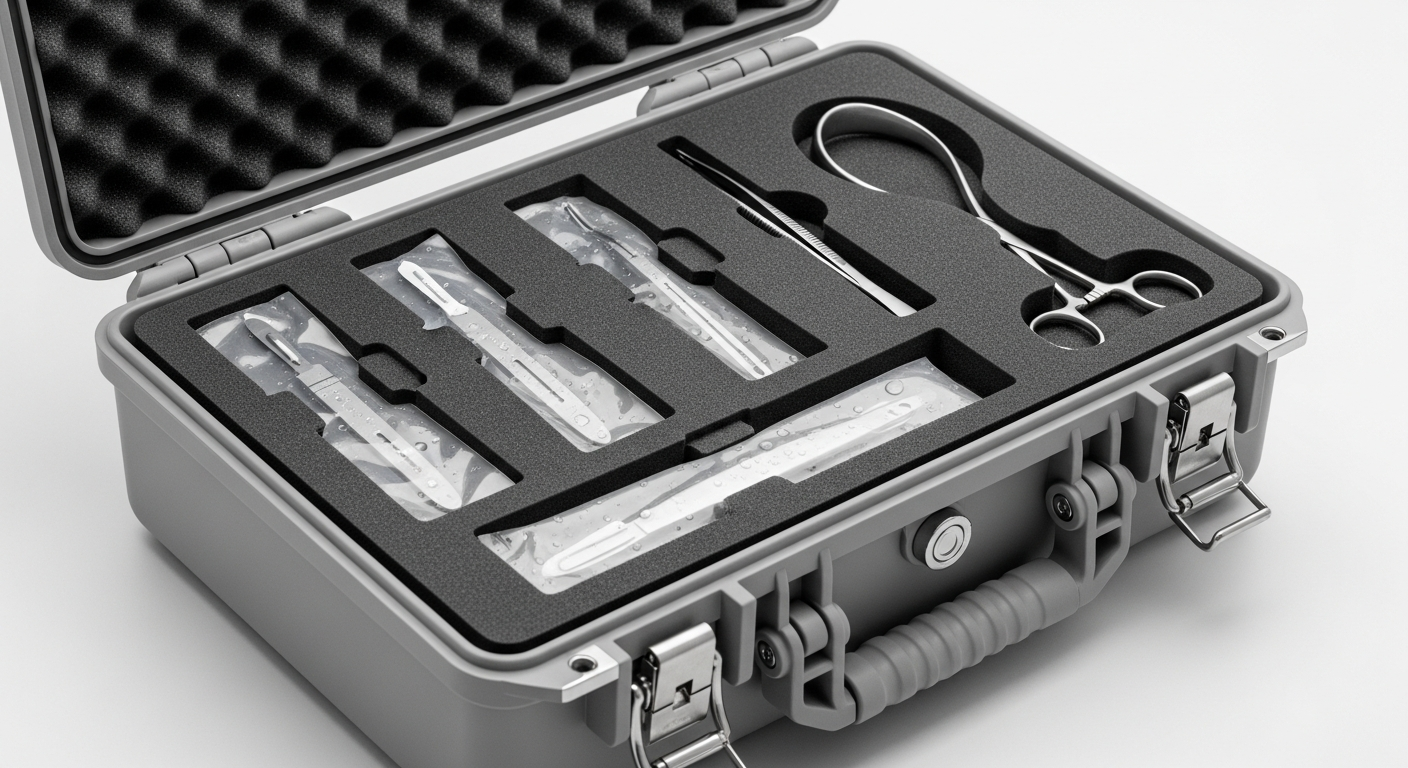
Tissue Biopsies: Surgical biopsies preserved in formalin require ambient temperature transport. Formalin is a known carcinogen requiring OSHA-compliant handling.
Microbiological Cultures: Culture swabs and transport media must be maintained at specific temperatures to preserve viable organisms. Some require anaerobic transport conditions.
Large Animal Specimens: Equine and bovine practices may generate larger specimen volumes. Bulk samples for herd health testing require secure packaging for greater volumes.
Exotic Animal Specimens: Zoo and exotic animal specimens from species with minimal reference ranges demand the highest transport reliability, as recollection may be difficult or impossible.
3. Regulatory Considerations
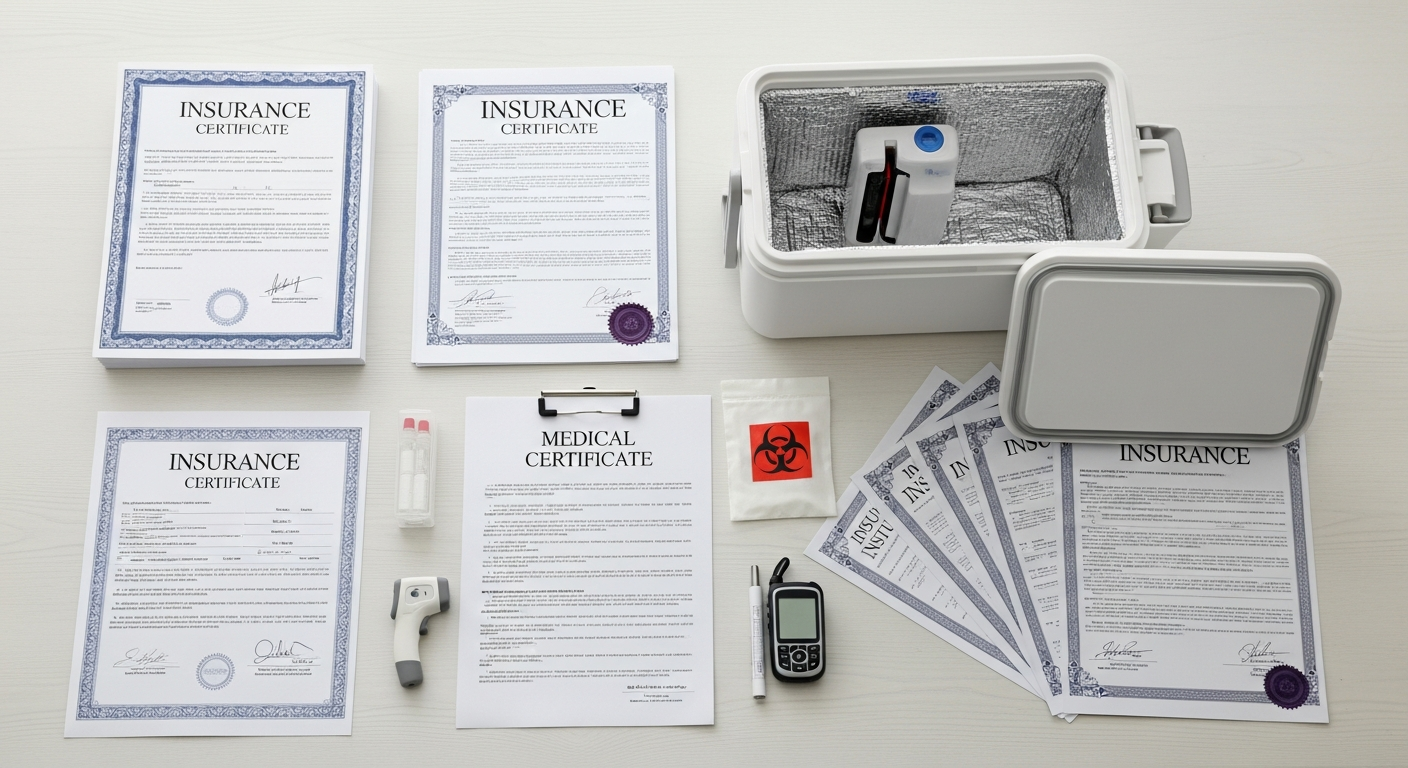
While veterinary specimens are not subject to HIPAA, they fall under other regulatory frameworks:
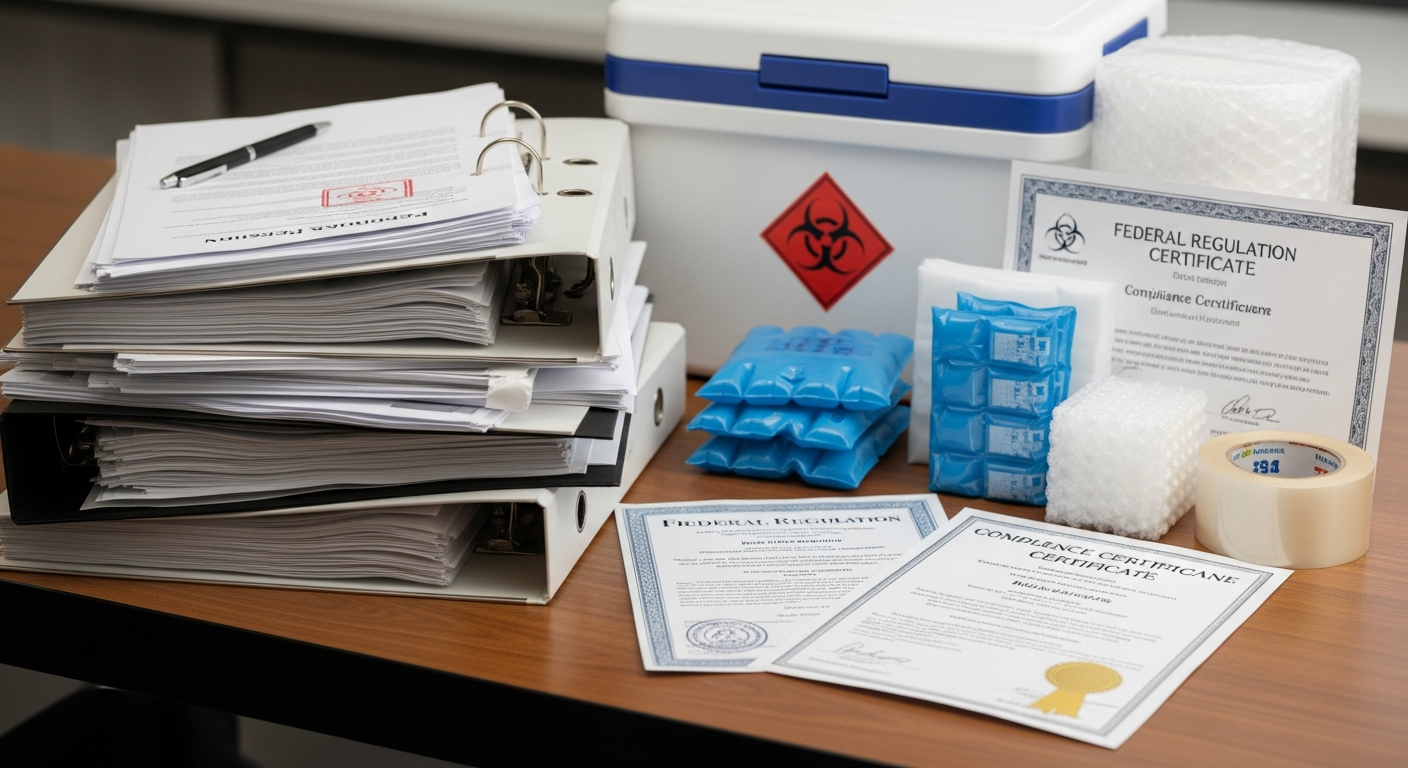
USDA Regulatory Specimens: Specimens collected under USDA APHIS regulatory programs have strict chain-of-custody and transport requirements. Documentation errors can invalidate test results with significant economic consequences for livestock operations.
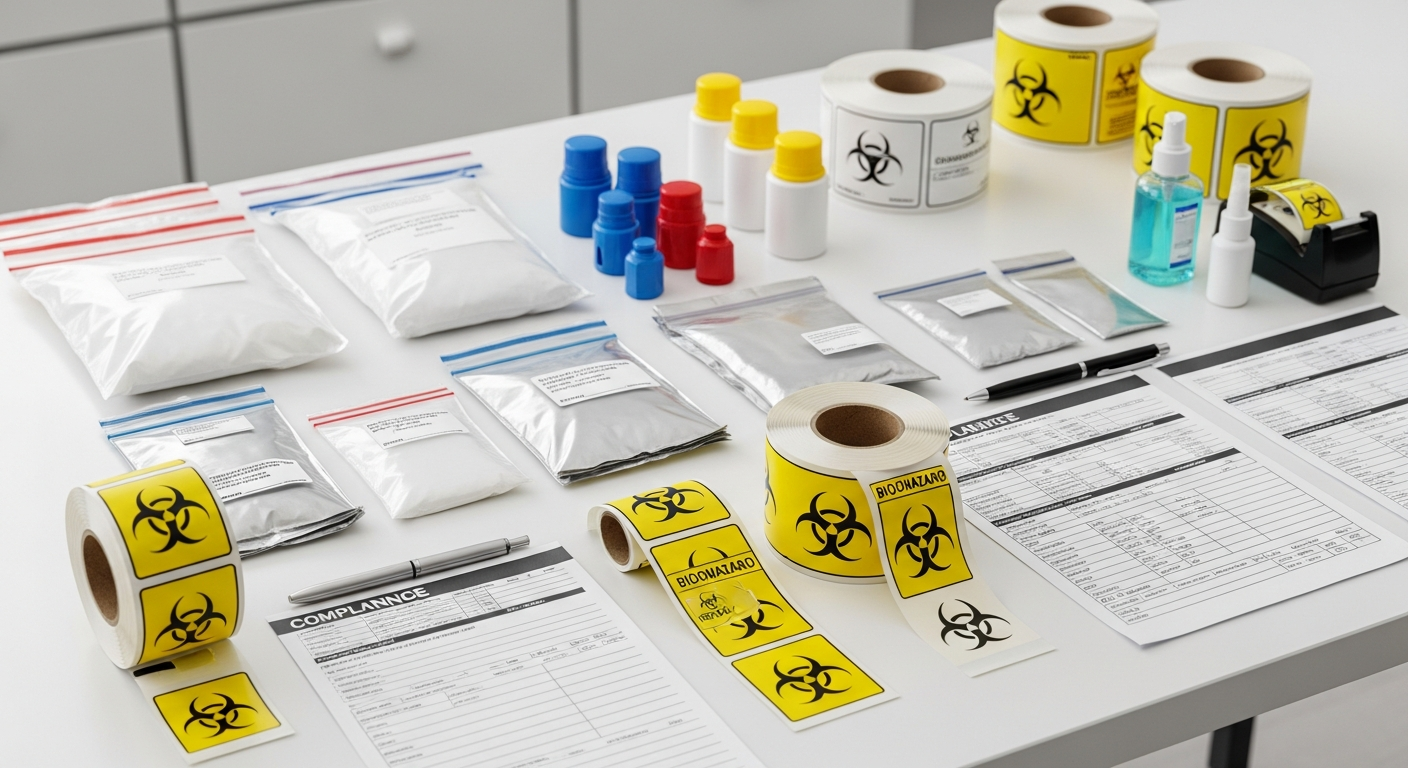
DOT Shipping: Veterinary specimens fall under the same DOT infectious substance regulations as human specimens. Most qualify as Category B (UN 3373) or exempt specimens.
State Regulations: Individual states may impose additional requirements, particularly for reportable diseases. Interstate transport may require permits or specific laboratory designations.
A compliance-focused courier service already maintaining DOT and OSHA standards for human specimens can readily extend these to veterinary logistics.
4. Route Design for Veterinary Clinic Networks
Veterinary practices present unique routing challenges compared to human healthcare facilities. Practices serving large animals are often spread across rural geographies with longer distances between stops.
Effective routes must balance:
- Geographic coverage spanning urban, suburban, and rural areas
- Variable specimen volumes (emergency hospital: 50/day vs solo practitioner: 2-3/day)
- Afternoon pickup timing (most blood draws completed by mid-afternoon)
- Lab cutoff times for same-day processing
- After-hours emergency hospital pickups requiring on-demand capability
AI-powered route optimization is particularly valuable for veterinary networks because geographic spread and variable volumes make static routing inefficient.
Lab outreach logistics platforms designed for medical specimen pickup can be configured for veterinary clinic networks with minimal modification.
5. Partnering with the Right Courier
Veterinary reference labs should evaluate courier partners on:
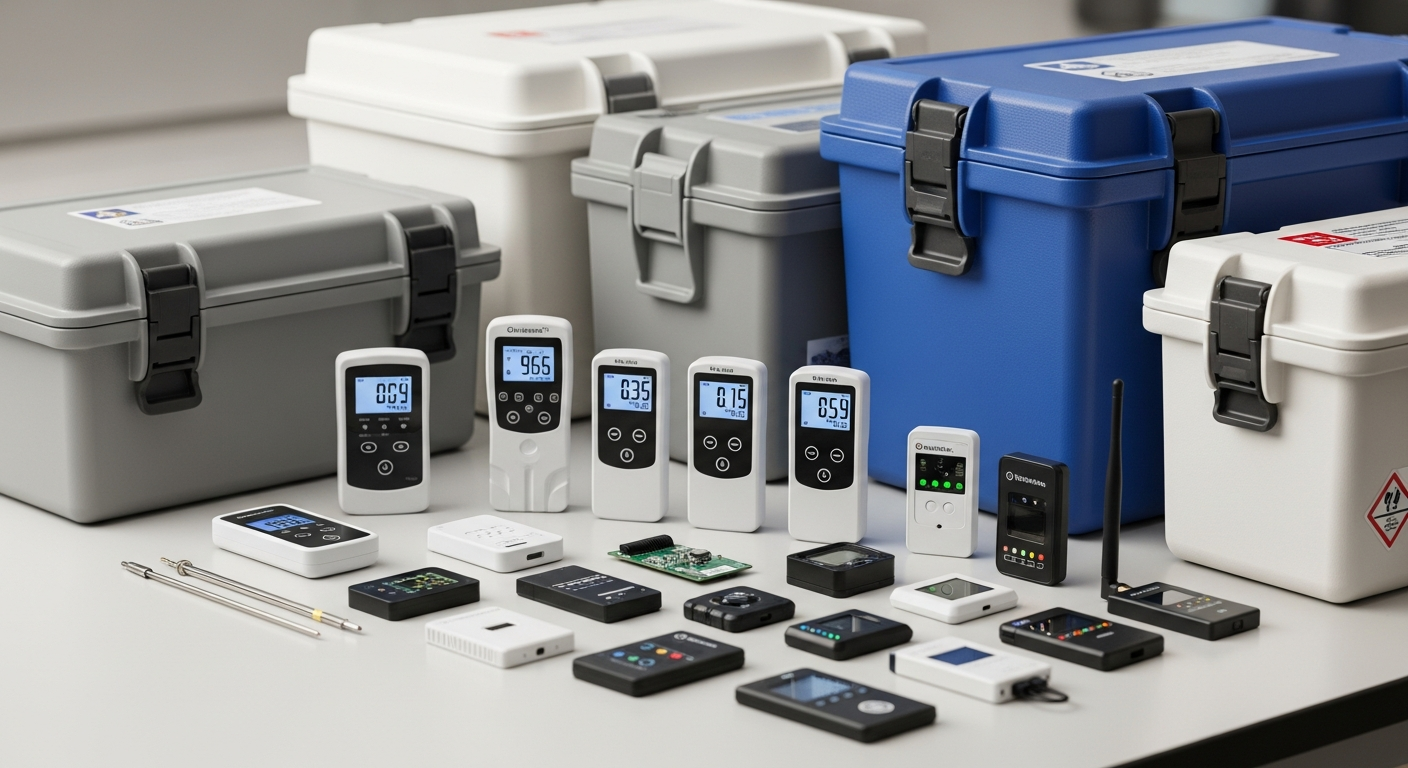
Cold Chain: Confirm multiple simultaneous temperature zones, as veterinary shipments often include ambient, refrigerated, and frozen items in a single pickup.
Geographic Reach: Coverage must extend to rural practices that may be high-volume producers of livestock diagnostic specimens.
Flexibility: Veterinary volumes are less predictable than human diagnostics. Seasonal factors and disease outbreaks can cause sudden spikes.
Specimen Knowledge: Couriers should understand handling requirements for common veterinary specimen types.
Schedule a demo to discuss how a specialized medical courier platform can support your veterinary diagnostic logistics needs.
Frequently Asked Questions
Are veterinary specimens transported like human specimens?
The fundamentals are similar: temperature control, proper packaging, chain of custody, timely delivery. However, veterinary specimens may include unique sample types, different temperature requirements for certain species, and larger volumes from agricultural operations.
Do veterinary couriers need HIPAA training?
No. HIPAA applies only to human patient information. However, veterinary couriers should be trained in DOT hazardous materials handling, OSHA bloodborne pathogen standards, and any USDA regulatory requirements.
How are large animal specimens different?
Larger volumes, heavier containers, and collection from farm or field locations rather than clinical settings. Couriers may need to navigate rural roads and outdoor collection areas.
What turnaround time do vet labs expect?
Most expect same-day pickup with delivery before evening processing cutoffs. Emergency veterinary hospitals may require after-hours or weekend pickup capability.
Can one courier handle both human and veterinary specimens?
Yes, courier services with medical specimen infrastructure can efficiently serve both markets. Cold chain equipment, DOT compliance, and handling protocols are largely transferable.
Related Resources