Specimen Transport Regulations 2026: A Comprehensive White Paper on Federal, State, and Industry Standards
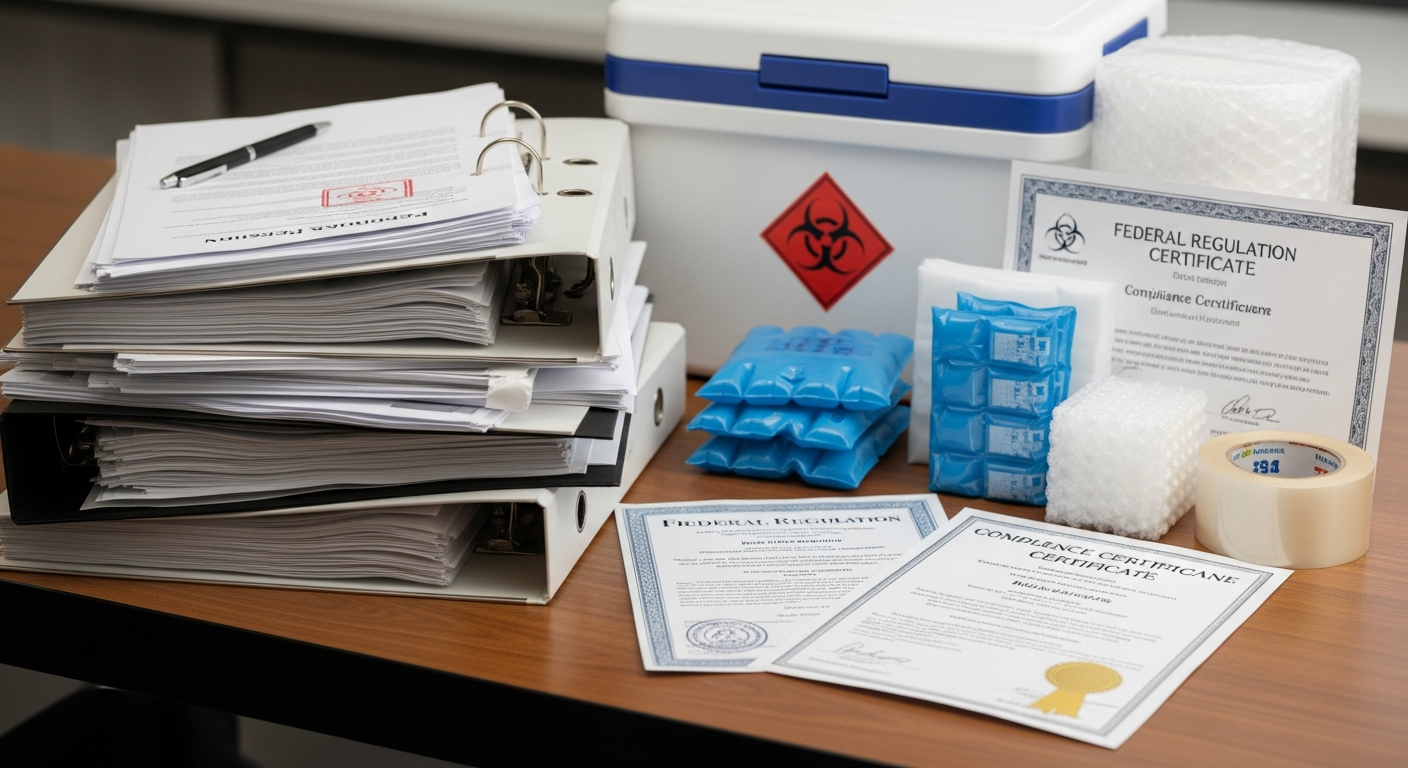
The regulatory framework governing specimen transport in the United States involves multiple federal agencies, state authorities, and industry accreditation bodies, each with overlapping but distinct requirements.

1. The Current Regulatory Landscape for Specimen Transport
The regulatory framework governing specimen transport in the United States involves multiple federal agencies, state authorities, and industry accreditation bodies, each with overlapping but distinct requirements.
At the federal level, four primary agencies regulate specimen transport:
- Department of Transportation (DOT): Physical transport of specimens as infectious substances under 49 CFR Parts 171-180
- OSHA: Worker safety when handling specimens under the Bloodborne Pathogens Standard (29 CFR 1910.1030)
- HHS: HIPAA privacy and security requirements for specimens containing protected health information
- CMS: CLIA regulations governing laboratory testing, including pre-analytical specimen handling
Beyond federal agencies, the CDC publishes specimen handling guidelines, CAP sets accreditation standards, and individual states impose their own requirements.
A single specimen transport operation may simultaneously need to comply with DOT packaging requirements, OSHA worker protection standards, HIPAA privacy rules, and CLIA pre-analytical quality standards, all enforced by different agencies.
This white paper examines each regulatory domain in detail and provides practical guidance for medical courier services and healthcare facilities seeking comprehensive compliance.
2. DOT Hazardous Materials Regulations: Classification, Packaging, and Training
The Pipeline and Hazardous Materials Safety Administration (PHMSA) within DOT administers the Hazardous Materials Regulations (HMR) for clinical specimen transport.
Clinical specimens fall into three DOT categories:
Category A (UN 2814/UN 2900): Capable of causing permanent disability, life-threatening or fatal disease. Requires full HAZMAT certification, security plans, and the most stringent packaging. Examples: cultures of Ebola virus, Mycobacterium tuberculosis.
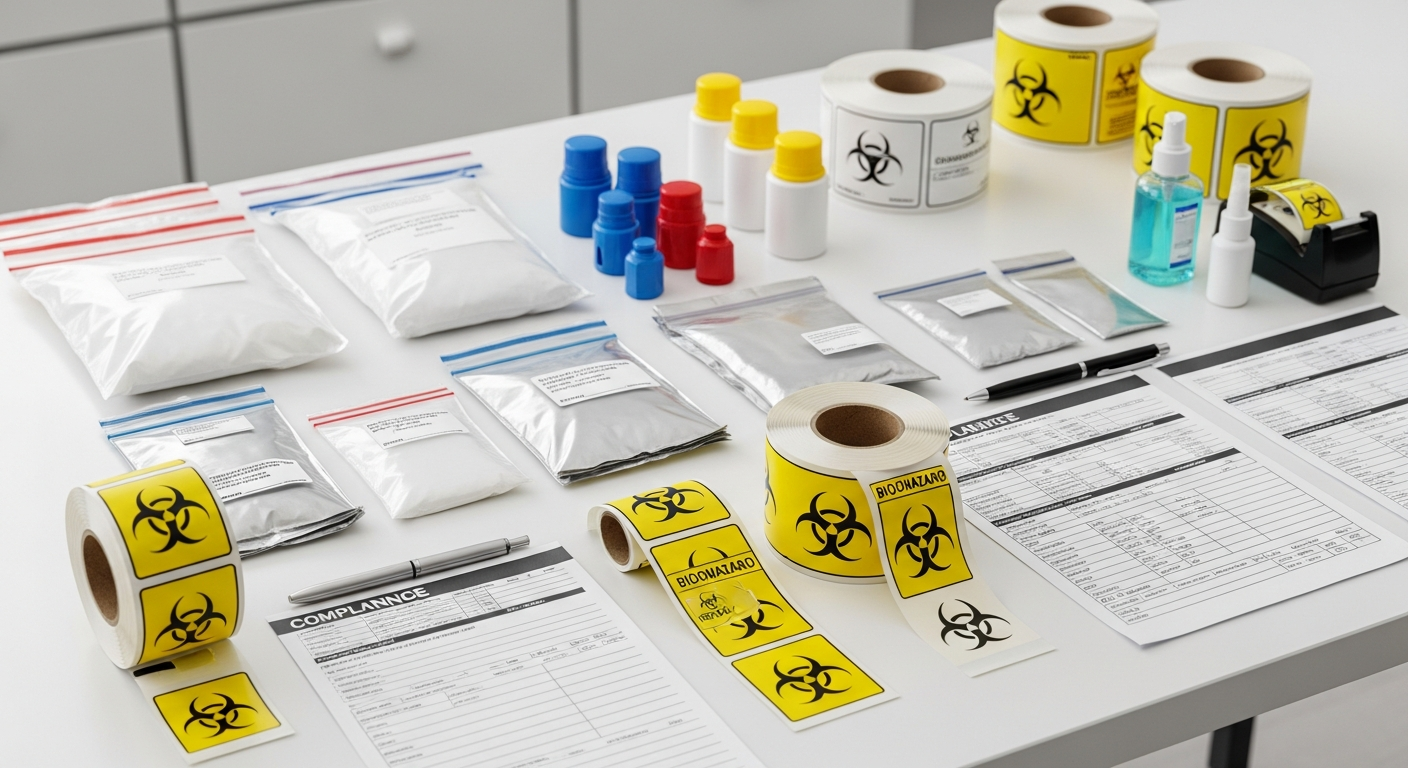
Category B (UN 3373): Known or reasonably believed to contain infectious agents but do not meet Category A criteria. Covers the vast majority of clinical diagnostic specimens. Requires triple-packaging: primary watertight container, secondary watertight container with absorbent material, and rigid outer container meeting drop-test requirements.
Exempt Human Specimens: Specimens where there is minimal likelihood of containing pathogens, based on patient history, symptoms, and local conditions. Reduced packaging requirements but must still be in leak-proof primary and secondary containers.
PHMSA has continued harmonizing US regulations with international standards. Key 2025-2026 updates include refined guidance on lithium battery transport affecting medical devices, updated training requirements emphasizing security awareness, and expanded electronic documentation acceptance.
Medical courier services operating across state lines must also comply with state DOT requirements. A compliance-focused courier maintains awareness of both federal and state-specific requirements.
3. OSHA Bloodborne Pathogens Standard and Worker Protection
OSHA’s Bloodborne Pathogens Standard (29 CFR 1910.1030) protects workers with occupational exposure to blood and other potentially infectious materials. Medical courier drivers fall squarely within scope.
Exposure Control Plan: Every medical courier employer must maintain a written ECP reviewed and updated annually, including: identification of all job classifications with exposure, schedule for implementing prevention measures, procedure for evaluating exposure incidents, and documentation of safer device consideration.
Vaccination and Post-Exposure: Employers must offer Hepatitis B vaccination within 10 working days of initial assignment at no cost. Post-exposure evaluation must be immediately available following any incident, including confidential medical evaluation, laboratory testing, post-exposure prophylaxis, and counseling.
Training Requirements: Annual training must cover epidemiology and symptoms of bloodborne diseases, modes of transmission, the employer’s ECP, recognition of exposure situations, PPE use, Hepatitis B vaccination information, emergency procedures, and post-exposure evaluation procedures.
PPE and Engineering Controls: Employers must provide gloves, face protection when splash risk exists, and protective clothing. Vehicles must be equipped with spill cleanup kits. Engineering controls include secondary containment and leak-proof containers.
Recordkeeping: Medical records must be maintained for employment duration plus 30 years. Training records for 3 years from training date. Sharps injury logs for 5 years.
4. HIPAA, CLIA, and Accreditation Standards for Specimen Handling
HIPAA applies to specimen transport because specimens are inherently linked to patient identity through labels containing names, dates of birth, and medical record numbers.
Medical courier services are classified as Business Associates under HIPAA, requiring:
- Executed Business Associate Agreements (BAAs) with every covered entity client
- Implementation of administrative, physical, and technical safeguards for PHI
- Breach notification within 60 days of discovery of unauthorized PHI disclosure
- Workforce training on PHI handling, access controls, and breach reporting
- Risk assessment and management program documented and updated regularly
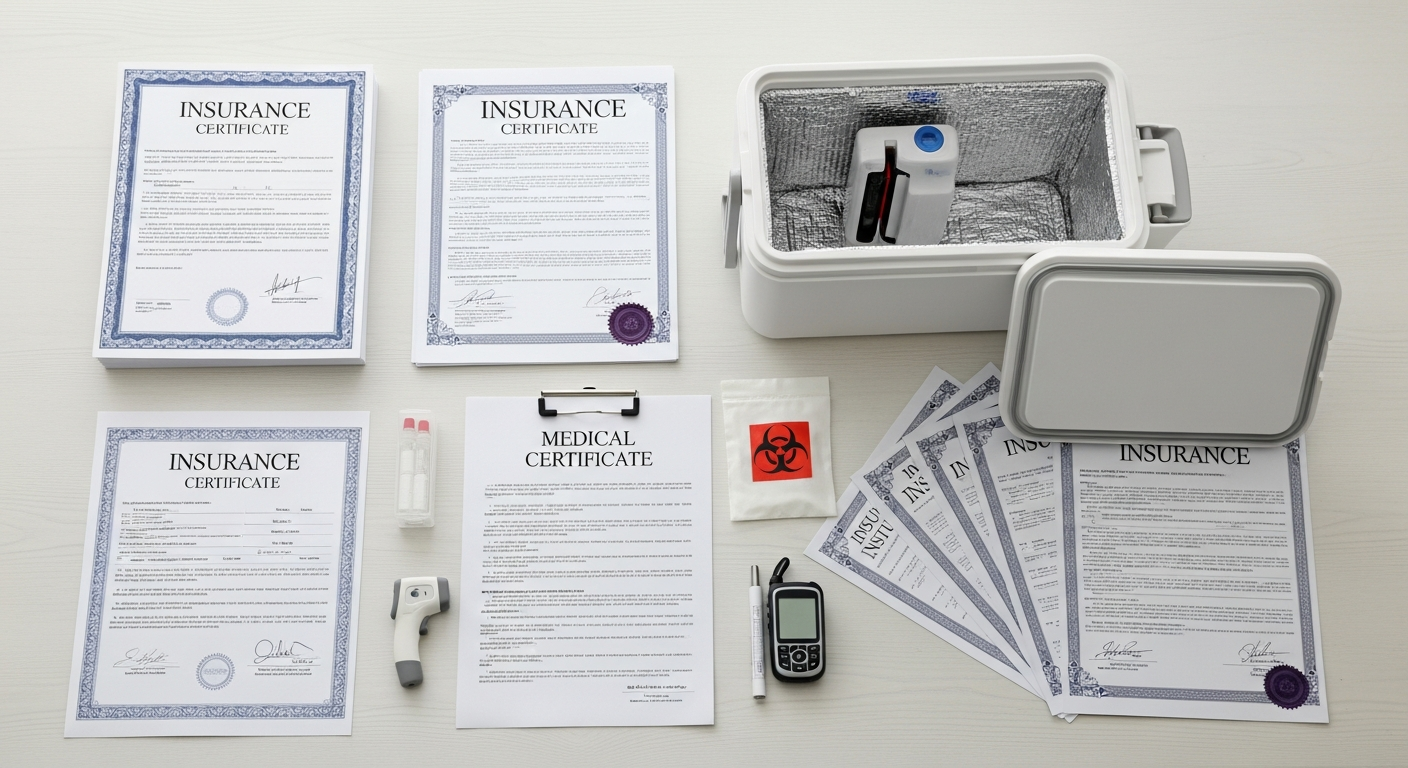
CLIA Pre-Analytical Requirements: CLIA requires laboratories to establish written procedures for specimen handling that ensure positive identification and optimal integrity. Transport conditions defined by the lab’s SOPs effectively become the courier’s operational requirements. Failure to meet specifications results in specimen rejection, compromising patient care.
CAP Accreditation: CAP inspection checklists include specific requirements for specimen transport that accredited laboratories must enforce with courier partners, including documented procedures, temperature monitoring, chain-of-custody protocols, and regular performance assessment.
5. Building a Comprehensive Compliance Program for 2026 and Beyond
Specimen transport compliance requires a structured program addressing all applicable requirements:
1. Regulatory Inventory: Maintain a current inventory of all applicable regulations. Subscribe to Federal Register notices from PHMSA, OSHA updates, HHS guidance, and CMS CLIA communications.
2. Standard Operating Procedures: Develop SOPs referencing specific regulatory citations, reviewed annually, and version-controlled with documented revision history.
3. Training Program: Comprehensive curriculum covering DOT hazmat awareness (initial plus triennial recertification), OSHA bloodborne pathogens (annual), HIPAA privacy and security (annual), and company-specific procedures.
4. Internal Audit Program: Regular audits covering vehicle and equipment inspections, documentation completeness, driver competency, temperature monitoring validation, and incident response drills.
5. Incident Management: Clear procedures for reporting, investigating, and resolving compliance incidents with root cause analysis and corrective actions tracked to completion.
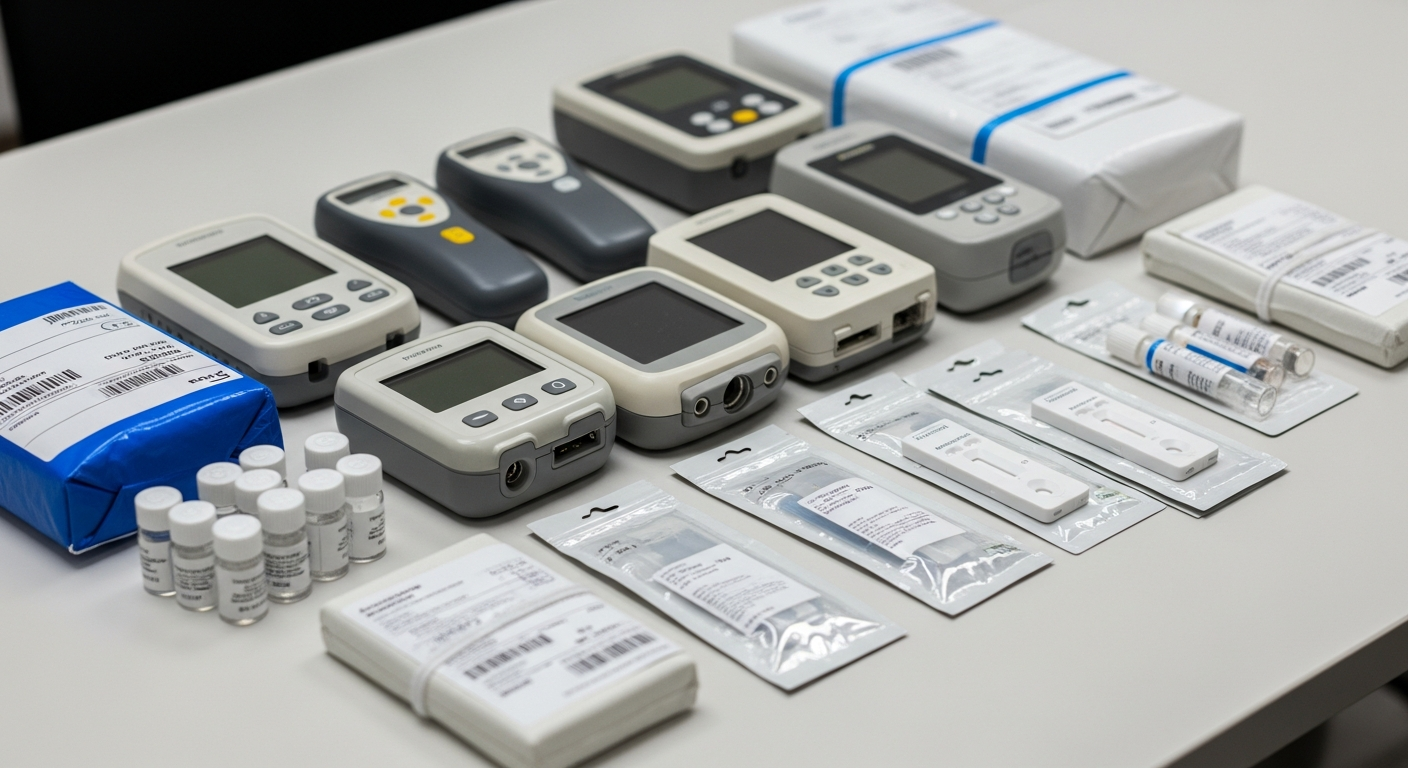
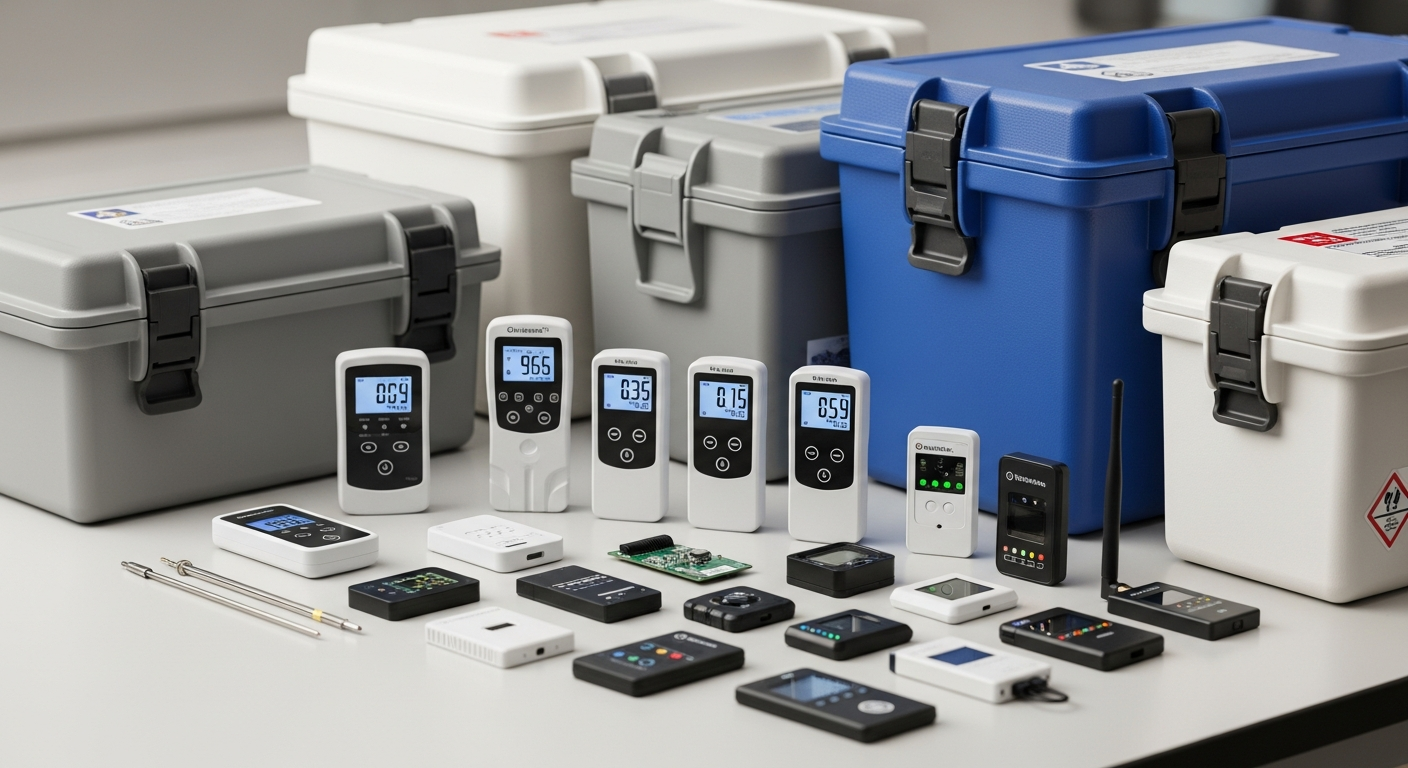
6. Technology Enablement: Modern medical logistics platforms can automate temperature monitoring, chain-of-custody documentation, training tracking, and audit trail generation.
Healthcare facilities should evaluate courier compliance programs as rigorously as their own internal operations. Request a demo to see how a compliance-first approach works in practice.
Frequently Asked Questions
What federal agencies regulate specimen transport?
Four primary agencies: DOT (physical transport), OSHA (worker protection), HHS/OCR (HIPAA privacy and security), and CMS (CLIA laboratory quality). The CDC also publishes influential guidelines.
How are clinical specimens classified for transport?
Three DOT categories: Category A (UN 2814/2900) capable of causing serious disease, Category B (UN 3373) that may contain pathogens but are lower risk, and exempt human specimens where pathogen likelihood is minimal.
What training do medical courier drivers need?
DOT hazmat awareness (initial plus triennial recertification), OSHA bloodborne pathogen training (annual), HIPAA privacy and security (annual), and company-specific SOPs. Documentation of all training must be maintained.
How often should compliance be audited?
Internal audits at minimum annually. Vehicle inspections monthly. Documentation reviews quarterly. Temperature monitoring validation semi-annually. External audits occur on their own schedules.
What are the penalties for violations?
DOT HAZMAT violations can reach $500,000 per violation. OSHA serious violations up to $15,625 per violation. HIPAA penalties from $100 to $50,000 per violation with annual caps up to $1.5 million. CLIA violations can result in loss of laboratory certification.
Related Resources