Surgical Instrument Transport: Sterile Logistics Between Hospitals and Processing Centers
Every surgical procedure depends on sterile instruments arriving at the right place, at the right time, in the right condition. For hospitals that outsource sterile processing to off-site facilities, courier services become an essential link in the surgical supply chain.

1. The Critical Role of Courier Services in Surgical Instrument Logistics
Every surgical procedure depends on sterile instruments arriving at the right place, at the right time, in the right condition. For hospitals that outsource sterile processing to off-site facilities, courier services become an essential link in the surgical supply chain.
The stakes are significant. A delayed instrument tray can force surgical schedule changes. A contamination event during transport can require re-sterilization, adding hours to turnaround.
Surgical instrument transport involves two distinct flows: moving contaminated instruments from ORs to processing facilities, and returning sterilized instruments back. Each direction has different requirements that specialized medical supply delivery services must understand.
2. Contaminated Instrument Transport Requirements
Transporting used surgical instruments requires strict biohazard protocols:
Key requirements include:
- Leak-proof, puncture-resistant transport containers rated for biohazardous materials
- Proper labeling with biohazard symbols per OSHA standards
- Instrument trays secured to prevent shifting and damage during transit
- Temperature management to prevent biofilm formation
- Chain-of-custody documentation tracking each tray from OR to SPD
Most best practices recommend instruments be cleaned within two hours of use to prevent blood and tissue from drying on surfaces, which makes subsequent cleaning significantly more difficult.
Couriers must be trained in bloodborne pathogen handling, PPE use, and spill response. They should never open instrument containers during transport.
3. Sterile Instrument Return Logistics
Returning sterilized instruments introduces challenges centered on maintaining the sterile barrier. Any breach of sterile packaging during transport renders the entire tray unusable until re-sterilized.
Sterile transport requirements include:
- Enclosed, clean transport containers protecting from moisture, dust, and damage
- Climate-controlled or weather-protected vehicles
- Complete separation from contaminated items
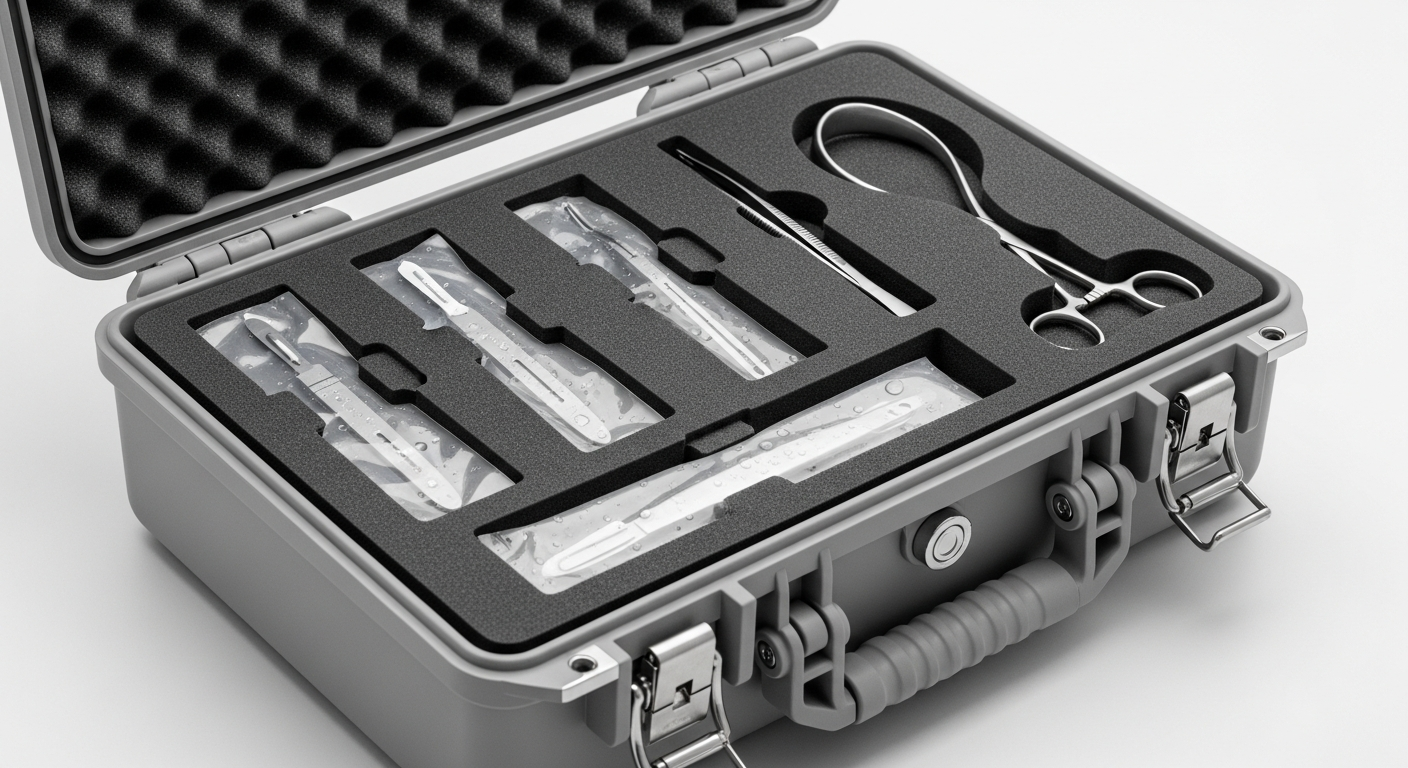
- Careful handling to avoid drops or compression that could tear sterile wraps
- Visual inspection at loading and unloading to verify package integrity
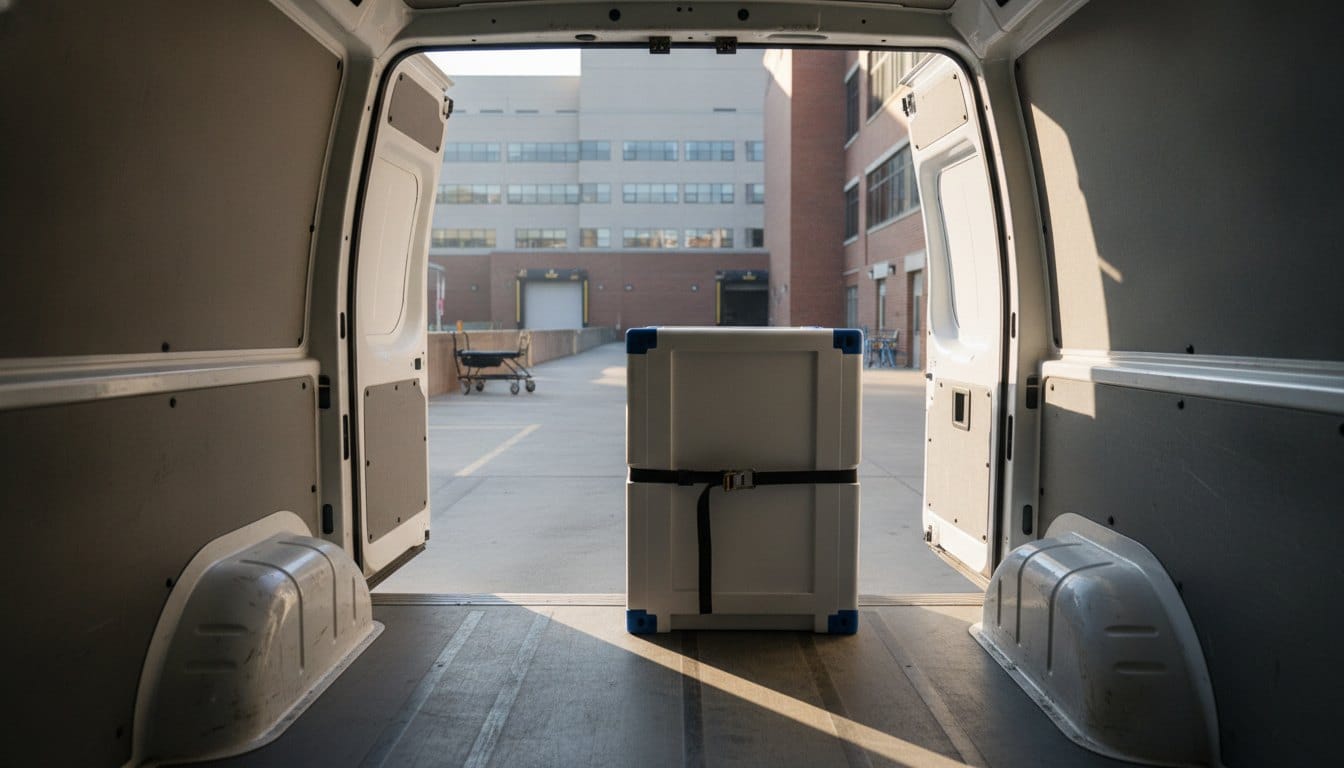
The most common cause of sterile barrier breach is inadequate securing within the vehicle. Professional couriers use dedicated shelving, strapping, and padding designed for surgical instrument trays.
A reliable same-day medical delivery service ensures sterilized instruments arrive in time while maintaining sterile integrity.
4. Scheduling and Coordination Challenges
Surgical instrument transport operates within tight constraints dictated by OR schedules, sterilization cycles, and instrument availability:
Real-Time Visibility: Both hospital and processing facility need to know exactly where trays are at all times. GPS tracking allows surgical schedulers to confirm availability.
Priority Management: A specialty tray needed for a morning surgery takes priority over routine restocking. Dispatch systems must accommodate priority levels dynamically.
Exception Handling: When add-on cases are scheduled or existing cases run long, transport needs change in real time. The courier must accommodate urgent requests without disrupting the scheduled cycle.
Multi-site health systems face additional complexity. Technology-driven logistics platforms with system-wide visibility make this manageable.
5. Quality Metrics and Continuous Improvement
Key metrics for surgical instrument transport:
- On-Time Delivery Rate: trays arriving before scheduled need time
- Sterile Barrier Integrity Rate: deliveries with intact packaging
- Contaminated-to-Clean Turnaround: time from OR departure to sterilized return
- Surgical Delay Rate: procedures delayed due to instrument availability
- Damage Incident Rate: damage attributable to transport handling
Regular review of these metrics identifies improvement opportunities in route optimization, packaging improvements, and scheduling adjustments.
Request a demo to explore how data-driven medical logistics can improve your surgical instrument supply chain.
Frequently Asked Questions
How quickly do contaminated instruments need to be transported?
Best practices recommend delivery to sterile processing within two hours of use, with many facilities targeting 60 minutes to prevent blood and tissue from drying on surfaces.
Can contaminated and sterile instruments share a vehicle?
They should never share transport space without proper separation. Most facilities require complete physical separation to eliminate cross-contamination risk.
What if sterile packaging is breached during transport?
The tray must be returned for re-sterilization, adding a full reprocessing cycle and potentially requiring the hospital to use backup instrument sets or adjust the surgical schedule.
How are instrument transport couriers trained?
Specialized training covers biohazard safety, proper lifting and handling, sterile packaging inspection, vehicle decontamination, and chain-of-custody documentation with annual refresher training.
What tracking systems are used?
Modern systems use barcode or RFID scanning at every handoff point combined with GPS tracking during transit, creating a complete digital chain of custody.
Related Resources