Medical Courier Performance SLAs and KPIs: Measuring What Matters in Healthcare Logistics

When evaluating a package delivery service, metrics like speed and cost per package tell most of the story. Medical courier performance requires an entirely different measurement framework because consequences of failure are measured in patient outcomes.

1. Why Standard Courier Metrics Do Not Apply to Medical Delivery
When evaluating a package delivery service, metrics like speed and cost per package tell most of the story. Medical courier performance requires an entirely different measurement framework because consequences of failure are measured in patient outcomes.
A standard courier at 95 percent on-time would be excellent in e-commerce. A medical courier at 95 percent means 1 in 20 specimens arrives late. For a lab processing 200 deliveries daily, that is 10 late deliveries per day.
Medical SLAs must account for:
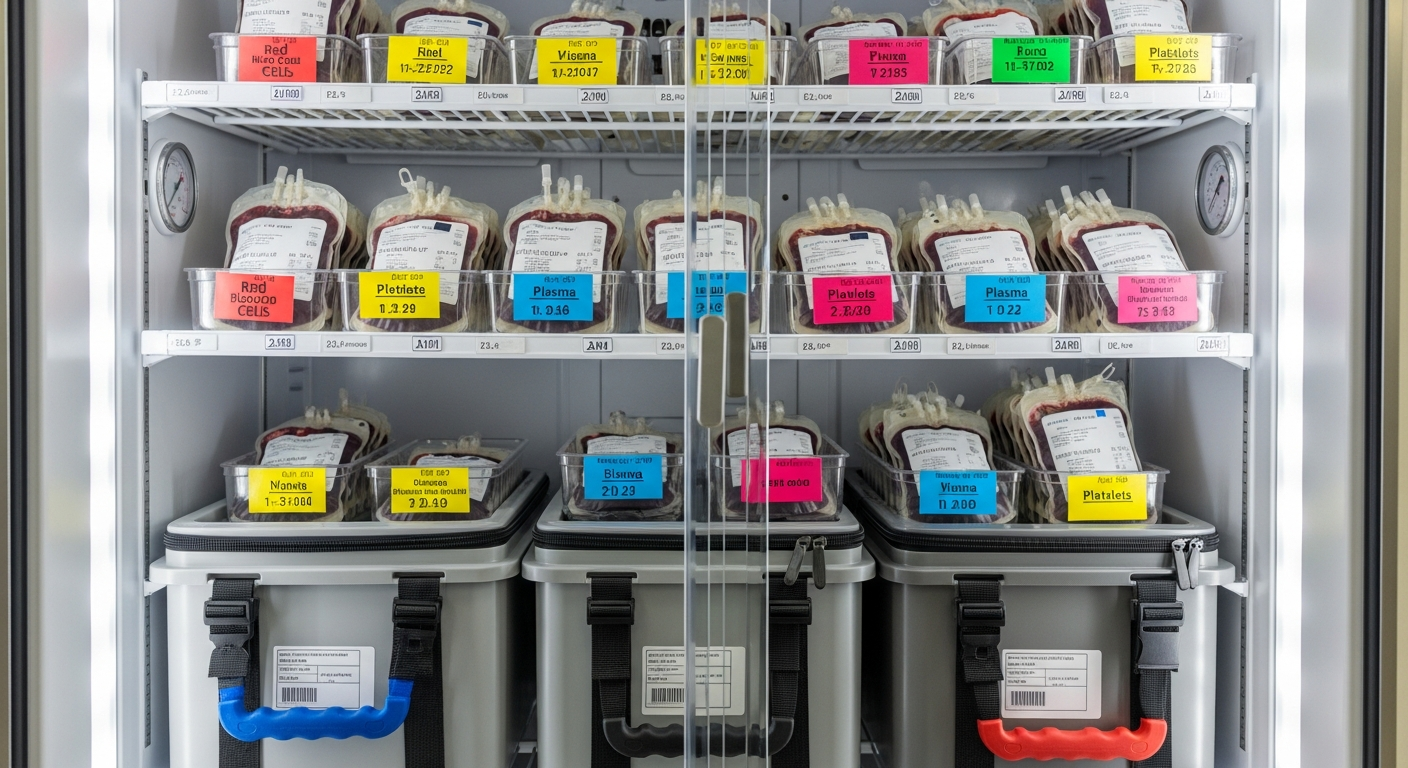
- Temperature compliance throughout transit
- Chain of custody integrity with zero gaps
- Specimen condition at delivery
- Response time to emergency requests at any hour
- HIPAA compliance in every interaction
Understanding these differences is the first step toward building a medical logistics program that protects patient care.
2. Essential SLAs for Medical Courier Contracts
SLAs should be specific, measurable, and tied to meaningful outcomes:
On-Time Delivery Rate: Define specific time windows for each service type. Route pickups might have a 15-minute window. STAT deliveries should specify maximum response and delivery times.
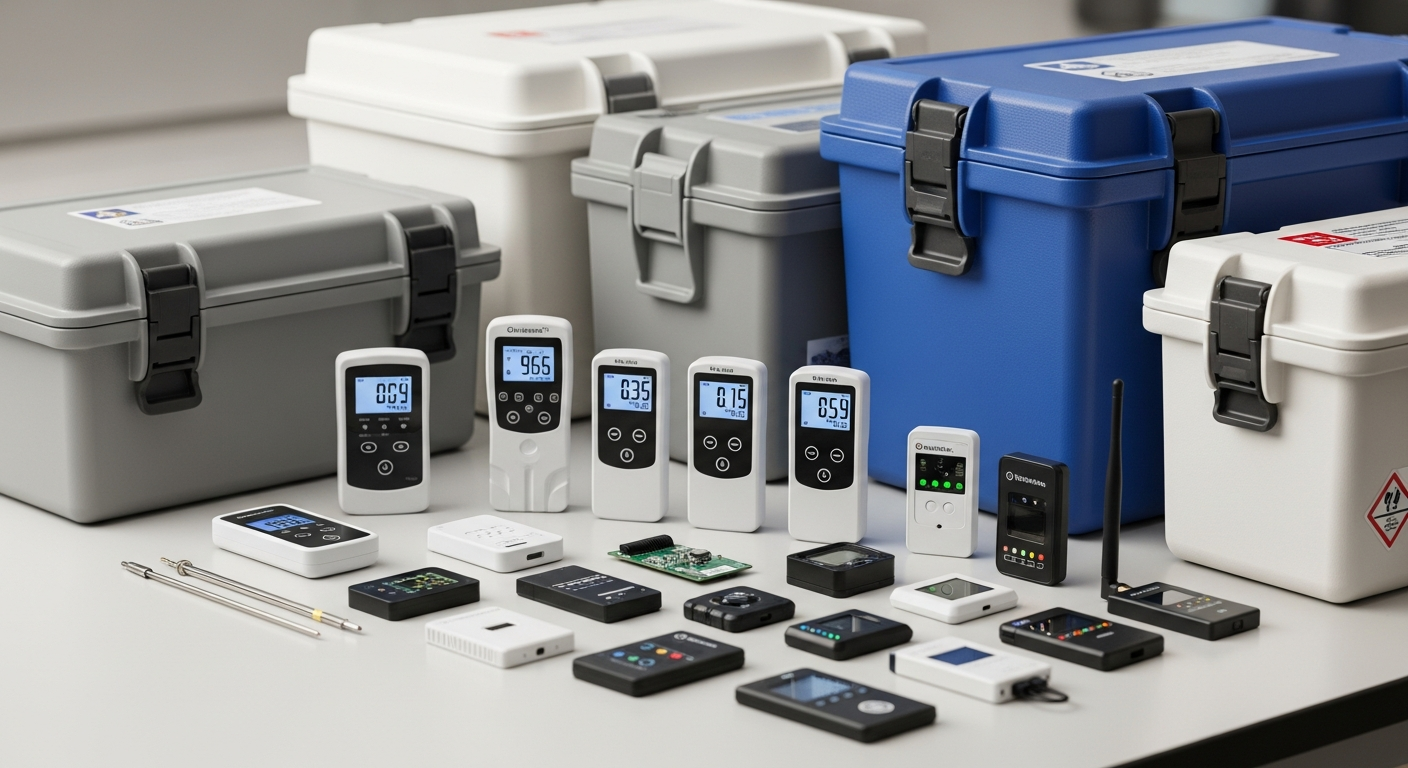
Temperature Compliance Rate: Percentage of deliveries without temperature excursion. Target 99.5 percent or higher.
First-Attempt Delivery Rate: Percentage completed successfully on first attempt without rerouting.
Emergency Response Time: Maximum time from order placement to courier departure, measured 24/7/365. A STAT delivery capability limited to office hours has limited value.
Documentation Completeness: Percentage with complete chain-of-custody records. Target 100 percent.
Each SLA should include measurement methods, reporting frequency, and consequences for non-compliance.
3. KPIs That Drive Continuous Improvement
While SLAs define minimums, KPIs provide visibility for continuous improvement:
Specimen Rejection Rate (Transport-Attributable): The single most important quality metric, directly measuring courier impact on clinical operations. Track against industry baseline rejection rates.
Average Response Time by Order Type: Track separately for routes, standard orders, and STAT. Trend analysis reveals improvement or degradation.
Driver Utilization Rate: Measures efficiency. Low utilization increases cost; high utilization risks delayed emergency response.
Cost Per Delivery: Evaluate alongside quality metrics to prevent reducing cost at the expense of service.
Client Satisfaction: Regular feedback captures qualitative aspects that quantitative metrics miss.
4. Building Effective Reporting and Review Processes
Metrics only drive improvement when regularly reviewed and acted upon:
Daily: Automated summaries of volumes, on-time rates, and exceptions for rapid response to emerging issues.
Weekly: Trend analysis with week-over-week comparisons highlighting positive trends and areas needing attention.
Monthly: Formal reviews covering SLA compliance, KPI trends, incident analysis, and improvement initiatives.
Quarterly: Strategic assessment of service alignment with evolving needs including volume forecasts and technology upgrades.
Modern medical logistics platforms generate compliance reports as a natural output of operations.
5. How to Evaluate a Medical Courier Using Performance Data
Use performance data to drive courier evaluation:
Request Historical Data: Any courier claiming high performance should provide at least six months of SLA and KPI data. Reluctance to share is a red flag.
Compare Benchmarks: On-time rates should exceed 98 percent. Temperature compliance above 99.5 percent. Transport-attributable rejection below 0.5 percent.
Examine Consistency: Averages can mask variability. A 99 percent average with specific routes dropping to 90 percent reveals a reliability problem.
Evaluate Incident Response: Root cause analysis and corrective actions after incidents demonstrate operational maturity more than a perfect scorecard.
Schedule a demo to see how data-driven courier management delivers measurable improvements.
Frequently Asked Questions
What is a good on-time rate for medical couriers?
Above 98 percent for routine services and above 99 percent for scheduled routes. STAT performance should be measured against defined response time windows.
How often should performance be reviewed?
Daily automated monitoring, monthly formal reviews, and quarterly strategic reviews. Weekly dashboards catch emerging issues early.
What SLA penalties are standard?
Service credits of 5-15 percent of monthly fees for sustained non-compliance, per-incident credits for specific failures, and contract review triggers for consecutive underperformance.
How is temperature compliance measured?
Percentage of deliveries without logged temperature excursion. IoT sensors with continuous logging provide the most accurate measurement.
Should SLAs differ by service type?
Absolutely. Route pickups, standard deliveries, STAT orders, and specialized transport each need specific targets recognizing different performance expectations.
Related Resources