Emergency Blood Product Transport: Time-Critical Delivery That Saves Lives
Blood products are among the most time-sensitive items in healthcare logistics. Platelets have a shelf life of just five days and must be maintained at 20-24 degrees Celsius with constant gentle agitation. Red blood cells require refrigeration at 1-6 degrees Celsius, while fresh frozen plasma must stay at -18 degrees or colder until thawed for transfusion.

1. Why Emergency Blood Products Demand Specialized Transport
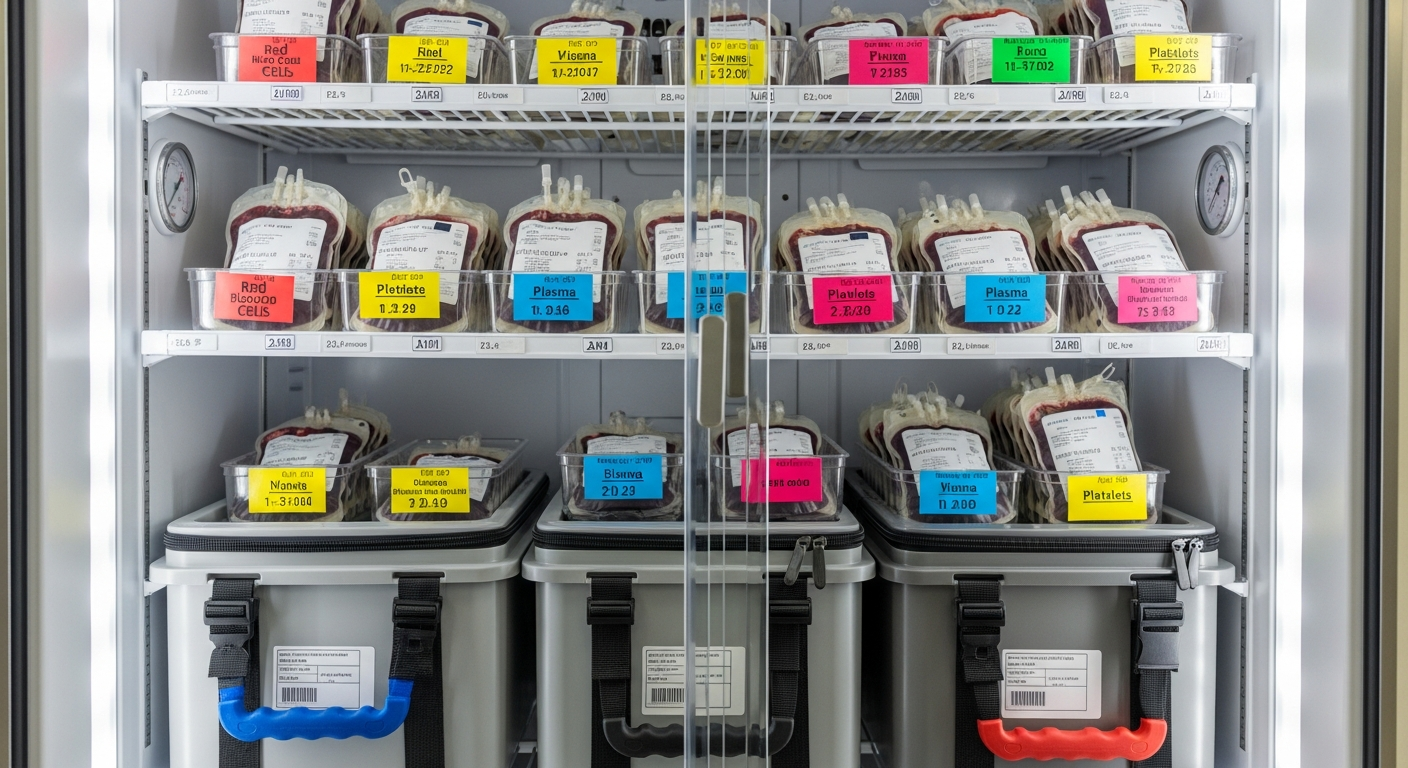
Blood products are among the most time-sensitive items in healthcare logistics. Platelets have a shelf life of just five days and must be maintained at 20-24 degrees Celsius with constant gentle agitation. Red blood cells require refrigeration at 1-6 degrees Celsius, while fresh frozen plasma must stay at -18 degrees or colder until thawed for transfusion.
When a trauma center calls for emergency-release O-negative blood at 2 AM, the clock starts immediately. Every minute of delay compounds the risk to the patient. Unlike routine specimen pickups that can be batched into daily routes, emergency blood product transport requires immediate response with zero tolerance for temperature excursions or transit delays.
The challenge extends beyond speed. Blood products require validated packaging, continuous temperature monitoring, and strict chain-of-custody documentation. A single temperature excursion can render an entire shipment unusable, wasting a resource that is perpetually in short supply.
2. Cold Chain Requirements for Different Blood Components
Each blood component has distinct temperature and handling requirements that couriers must understand thoroughly:
Red Blood Cells (RBCs): Must be maintained at 1-6 degrees Celsius. Transport containers should be pre-validated to hold temperature for the expected transit duration plus a safety buffer. RBCs can tolerate brief fluctuations but must never freeze.
Platelets: The most demanding component, requiring room temperature storage (20-24 degrees Celsius) with continuous agitation. Platelet transport containers must prevent both overheating in summer and overcooling in winter.
Fresh Frozen Plasma (FFP): Must remain frozen at -18 degrees Celsius or colder. Dry ice shipping is standard, but couriers must ensure adequate dry ice volume and proper vehicle ventilation to prevent CO2 buildup.
Cryoprecipitate: Similar to FFP, requiring frozen transport. Once thawed, cryoprecipitate must be transfused within six hours, making delivery timing critical for facilities that thaw on receipt.
Professional medical couriers maintain separate, validated containers for each component type and conduct pre-departure temperature verification before every transport.
3. Regulatory Framework Governing Blood Product Transport
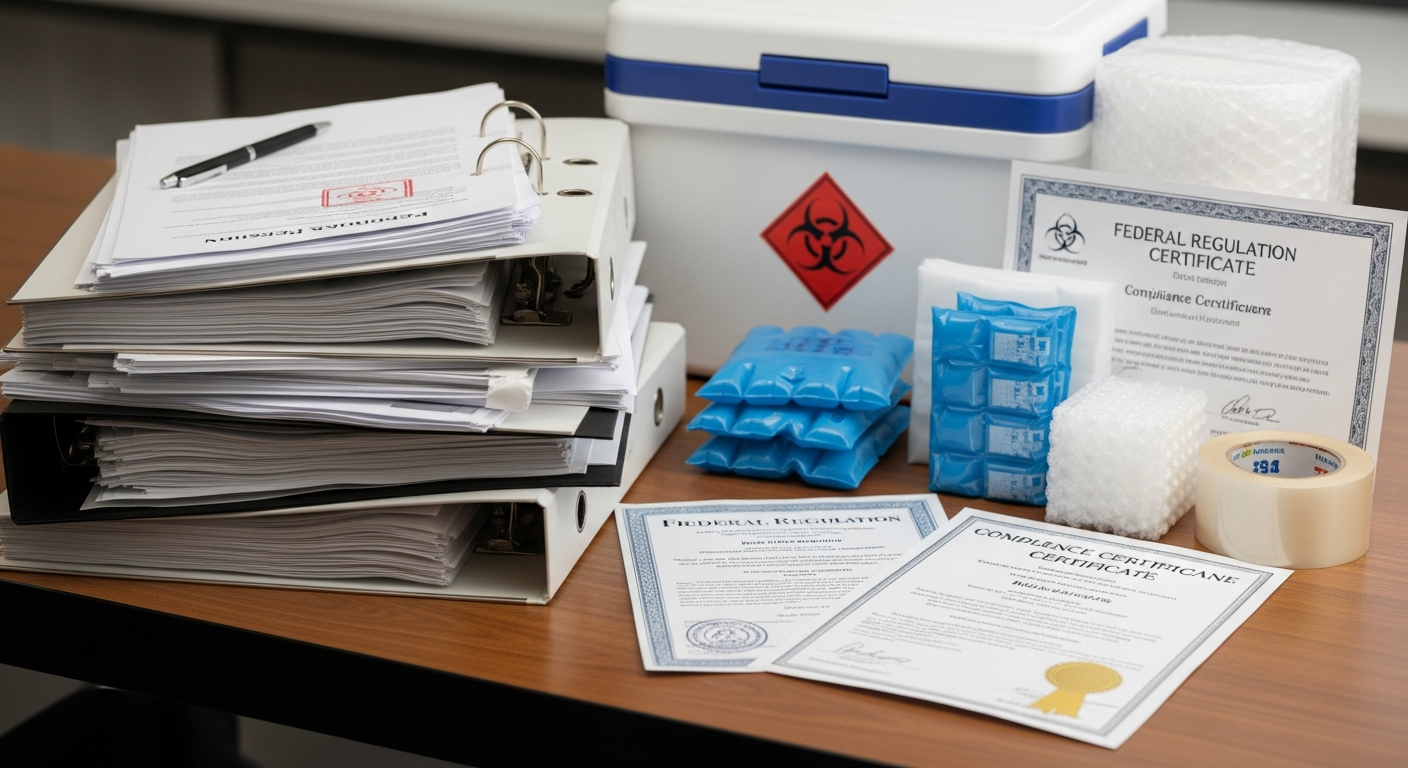
Blood product transport falls under multiple regulatory bodies. The FDA regulates blood products as biologics, requiring facilities and their transport partners to maintain current Good Manufacturing Practice (cGMP) compliance. AABB publishes standards that most blood centers follow for transport validation.
Key regulatory requirements include:
- Temperature monitoring records for every shipment
- Validated shipping containers with documented performance data
- Chain-of-custody documentation from release to receipt
- Standard operating procedures for emergency and routine transport
- Personnel training records for all handlers
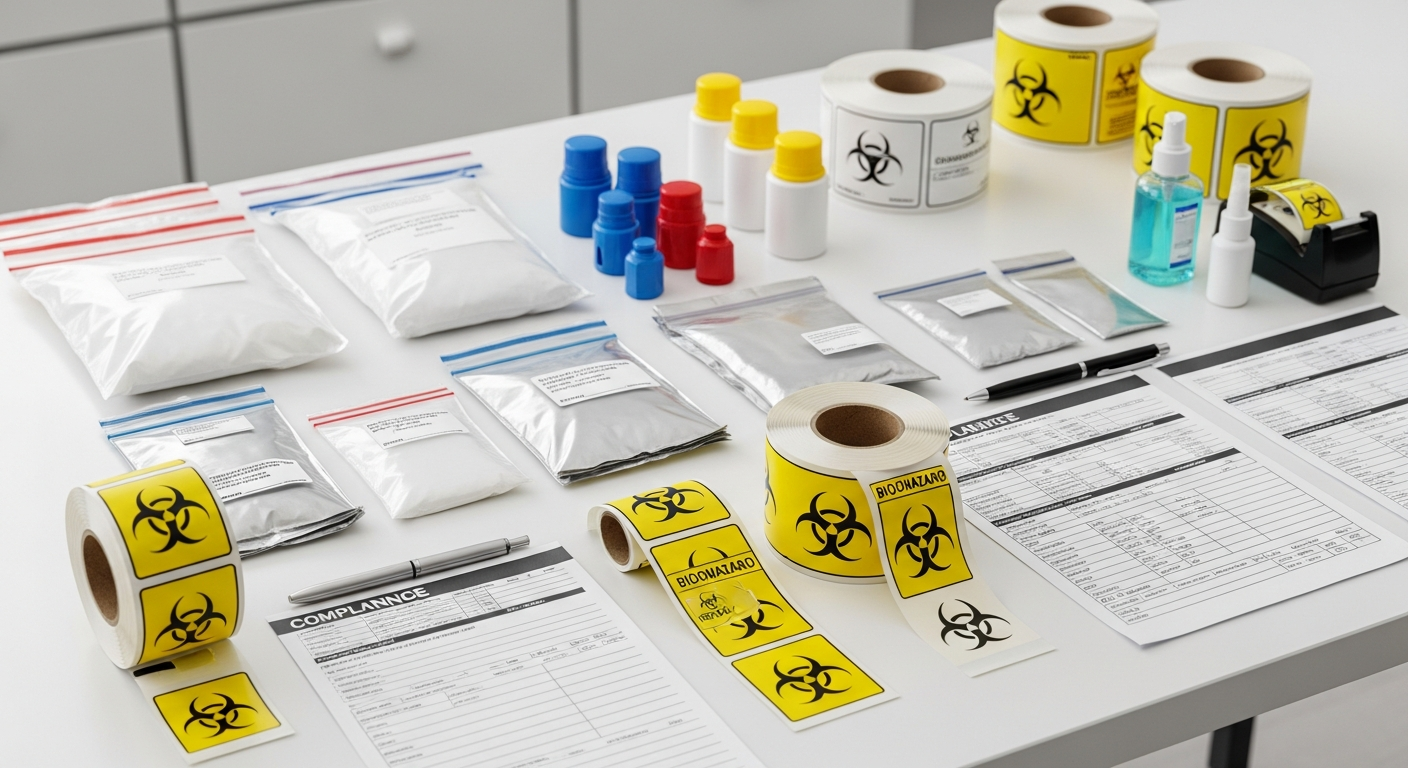
The Department of Transportation (DOT) classifies certain blood products as Category B infectious substances (UN 3373), requiring specific packaging and labeling for transport per 49 CFR 173.199.
Failure to comply can result in FDA warning letters, product recalls, and in severe cases, facility license revocation. The stakes make it essential to work with couriers who understand and maintain compliance with every applicable standard.
4. Technology That Enables Reliable Emergency Delivery
Modern emergency blood product transport relies on technology at every stage. GPS-enabled tracking allows blood centers to monitor shipments in real time, providing estimated arrival times to receiving facilities so they can prepare for transfusion.
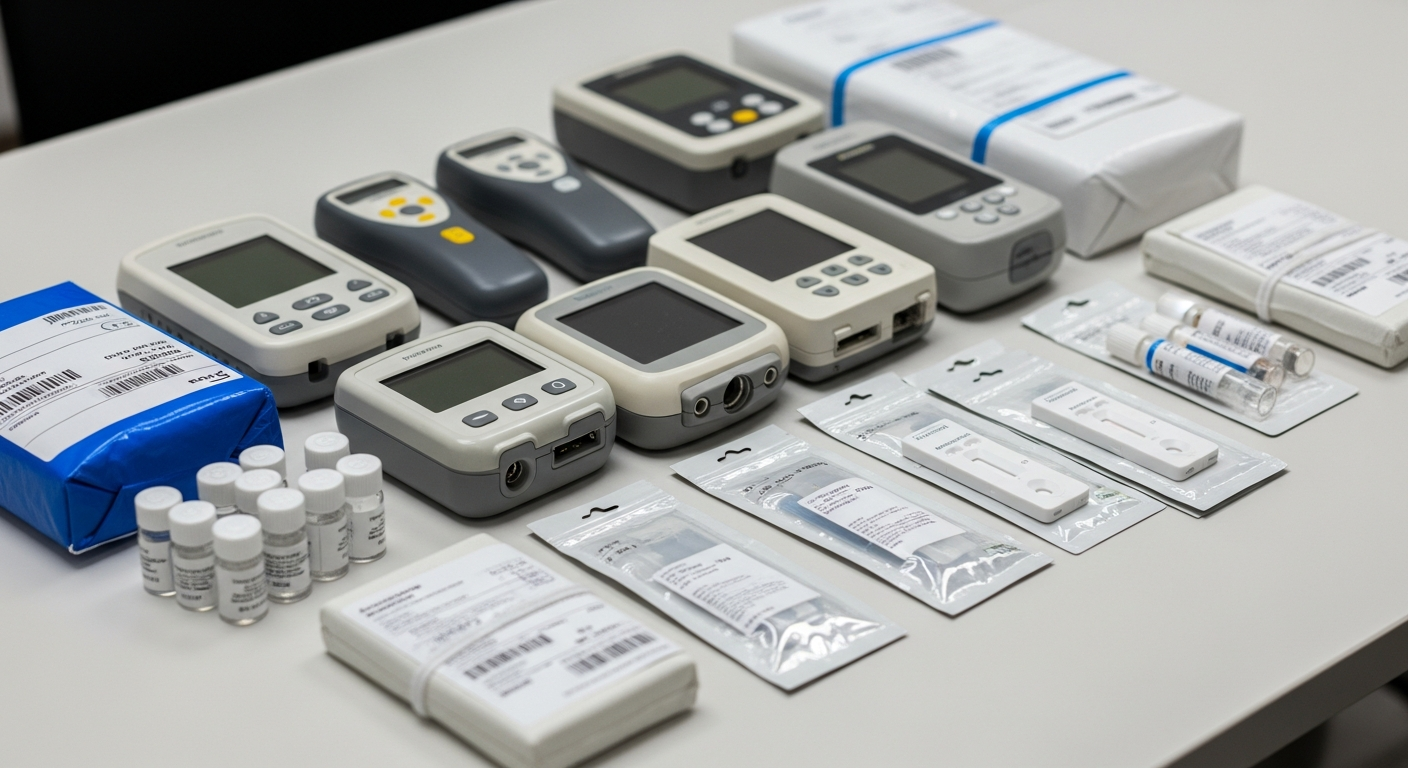
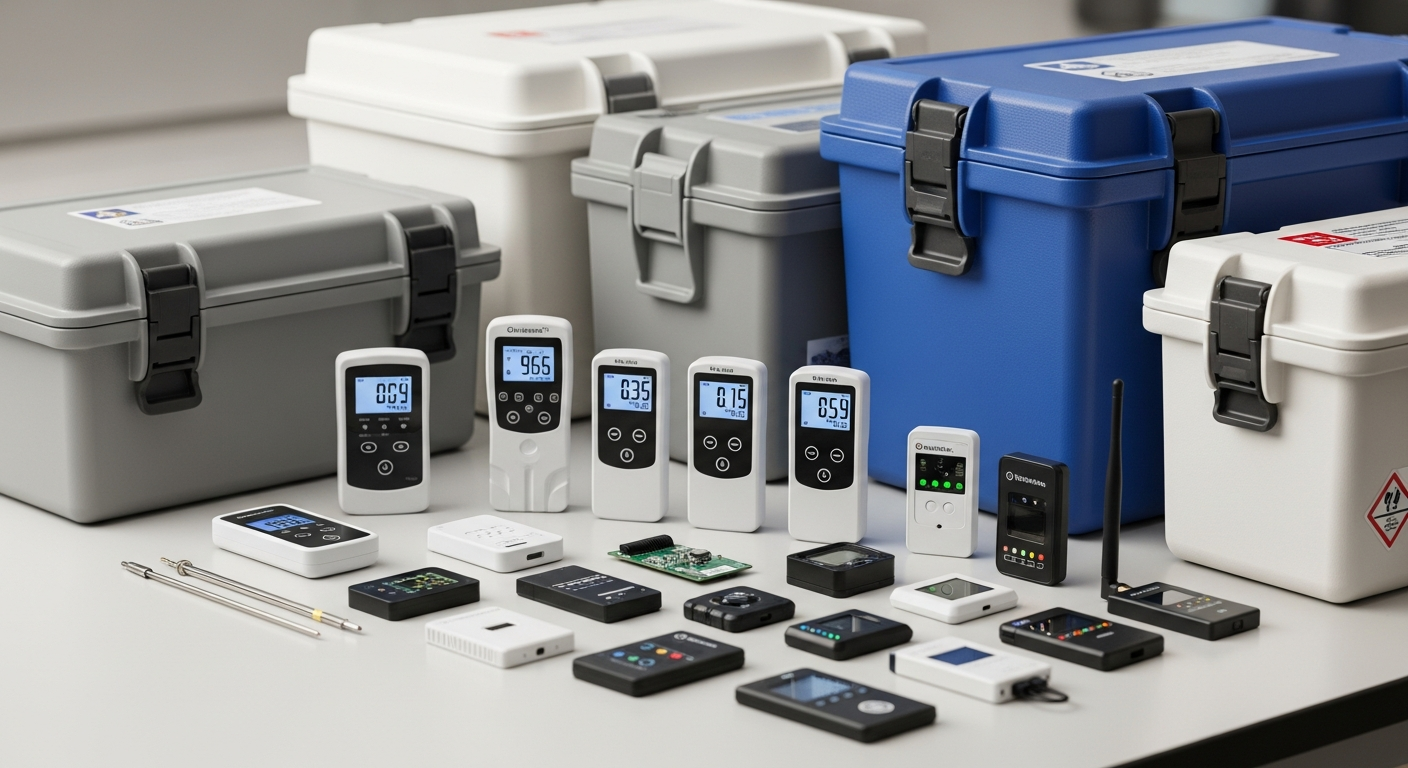
IoT temperature sensors embedded in transport containers provide continuous monitoring with automated alerts if temperatures drift outside acceptable ranges. This data creates an unbroken digital record that satisfies regulatory documentation requirements and enables retrospective quality analysis.
AI-powered dispatch systems have transformed response times for emergency requests. Instead of manually calling through a roster of available drivers, intelligent dispatch platforms can identify the nearest qualified courier, calculate the optimal route accounting for real-time traffic conditions, and dispatch within seconds of receiving the order.
Digital chain-of-custody systems replace paper manifests with electronic signatures, timestamped photos, and automated notifications. When a courier picks up emergency platelets from a blood center, the receiving hospital gets an immediate notification with the courier identity, vehicle information, and real-time location tracking.
These technologies do not just improve convenience. They create measurable improvements in delivery reliability, temperature compliance, and documentation completeness that directly impact patient safety.
5. Building an Emergency Blood Product Transport Program
Healthcare facilities developing or improving their emergency blood product transport capabilities should consider several critical factors:
Response Time Standards: Define maximum acceptable response times for different urgency levels. Massive transfusion protocol activations may require sub-30-minute delivery, while routine inter-facility transfers might allow two-hour windows.
Coverage Area Mapping: Map your facility network and blood supplier locations to identify optimal courier staging points. The goal is to minimize the maximum response time across your entire service area.
Redundancy Planning: Emergency transport systems must have built-in redundancy. If your primary courier cannot respond, a backup must be available within the same time standard. This typically requires partnering with a courier service that maintains sufficient driver density in your region.
Quality Metrics: Track on-time delivery rates, temperature excursion incidents, documentation completeness, and response times. These metrics should be reviewed regularly and shared between the blood center, courier service, and receiving facilities.
The most reliable emergency transport programs combine dedicated medical courier services with robust technology platforms. Request a demo to learn how a purpose-built medical logistics platform can transform your emergency blood product delivery capabilities.
Frequently Asked Questions
How quickly should emergency blood products be delivered?
Emergency blood products, particularly for massive transfusion protocols, typically require delivery within 30-60 minutes depending on distance. Platelet orders for active bleeding patients may need even faster response times, often under 30 minutes for facilities within metropolitan areas.
What temperature do blood products need during transport?
Temperature requirements vary by component: red blood cells need 1-6 degrees Celsius, platelets require 20-24 degrees Celsius with agitation, and fresh frozen plasma must stay at -18 degrees Celsius or colder. Each component requires separately validated transport containers.
Are blood products classified as hazardous materials for transport?
Yes, blood products are classified as Category B infectious substances under UN 3373 by the Department of Transportation. This requires specific triple-layer packaging, proper labeling, and trained personnel for handling and transport per 49 CFR 173.199.
What documentation is required for blood product transport?
Required documentation includes chain-of-custody records, continuous temperature monitoring logs, product identification and expiration verification, pickup and delivery timestamps with signatures, and any deviation or incident reports. Digital systems are increasingly replacing paper-based documentation.
Can regular couriers transport emergency blood products?
While not legally prohibited in all cases, using non-specialized couriers for blood product transport introduces significant risk. Proper blood product transport requires HIPAA training, cold chain management expertise, validated equipment, and understanding of regulatory requirements that general couriers typically lack.
Related Resources