Blog
Pathology Specimen Transport: Slides, Blocks and Tissue in Formalin
Slides, paraffin blocks and tissue in formalin each fail differently in transit. This guide explains packaging and temperature for each form, when formalin is and is not a hazardous material, and how dermatology practices and dermatopathology laboratories should time their pickups.

Radiopharmaceutical Delivery: Decay Clocks, Shielding and Compliance
Radiopharmaceutical delivery is governed by physics first and regulation second. This guide covers half-lives and calibration time, DOT Class 7 packages and labels, NRC rules at both ends of the run, shielding and vehicle handling, and what to ask a courier before the first dose ships.
How to Choose a Medical Courier Partner: 12-Point Evaluation Framework
A procurement-ready framework to choose a medical courier: twelve evaluation points across requirements, compliance and insurance, operations and technology, performance and pricing, and pilot design, with the evidence to request at each step.

Organ and Tissue Transport Logistics: Time, Temperature, Traceability
How organ and tissue transport really works: solid organs on an ischemia clock under OPO control, recovered tissue on a refrigerated deadline, and finished allografts moving by temperature tier under FDA traceability rules, with a route checklist for tissue banks.

Cell and Gene Therapy Logistics: Moving CAR-T and Cryopreserved Cells
From the apheresis unit to the manufacturing site and back to the infusion center, cell and gene therapy logistics runs on three clocks. This guide covers vapor-phase liquid nitrogen dry shippers, chain of identity versus chain of custody, and courier qualification.
Dedicated Medical Courier Routes vs On-Demand STAT: Which Model Fits
Dedicated medical courier routes, shared scheduled routes and on-demand STAT service each fit a different shape of demand. This guide explains the cost and coverage trade-offs and shows how to size a hybrid from 30 days of your own order data.
Specimen Transport Regulations 2026: A Comprehensive White Paper on Federal, State, and Industry Standards
The regulatory framework governing specimen transport in the United States involves multiple federal agencies, state authorities, and industry accreditation bodies, each with overlapping but distinct requirements. 1. The Current Regulatory Landscape for Specimen Transport The regulatory framework governing specimen transport in the United States involves multiple federal agencies, state authorities, and industry accreditation bodies, each […]
Medical Courier Insurance: Coverage Requirements for Healthcare Logistics Providers
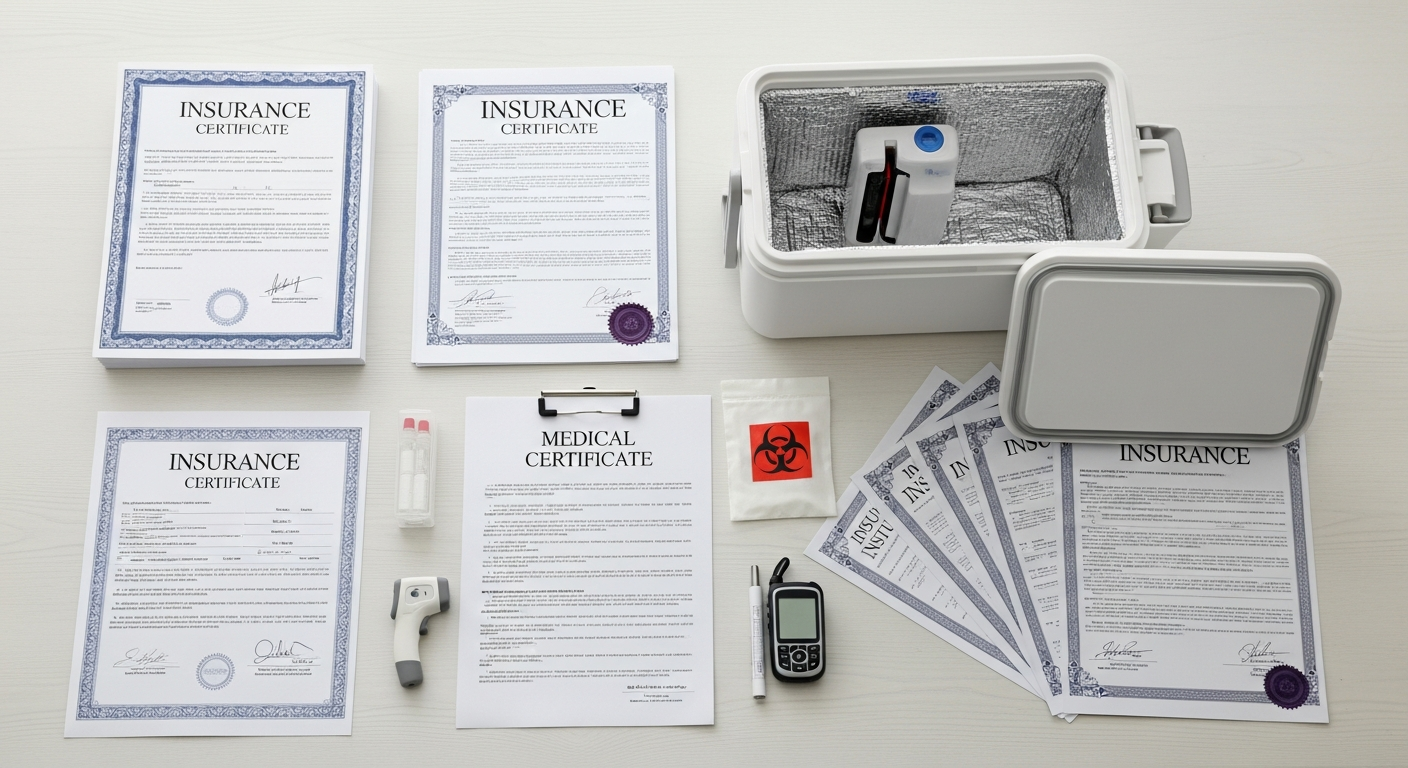
Standard courier insurance policies are designed for package delivery where maximum exposure is declared shipment value. Medical courier operations face fundamentally different risk profiles requiring specialized coverage. 1. Why Medical Courier Insurance Differs from Standard Coverage Standard courier insurance policies are designed for package delivery where maximum exposure is declared shipment value. Medical courier operations […]
Point-of-Care Testing Logistics: Supporting Rapid Diagnostics with Reliable Supply Chains
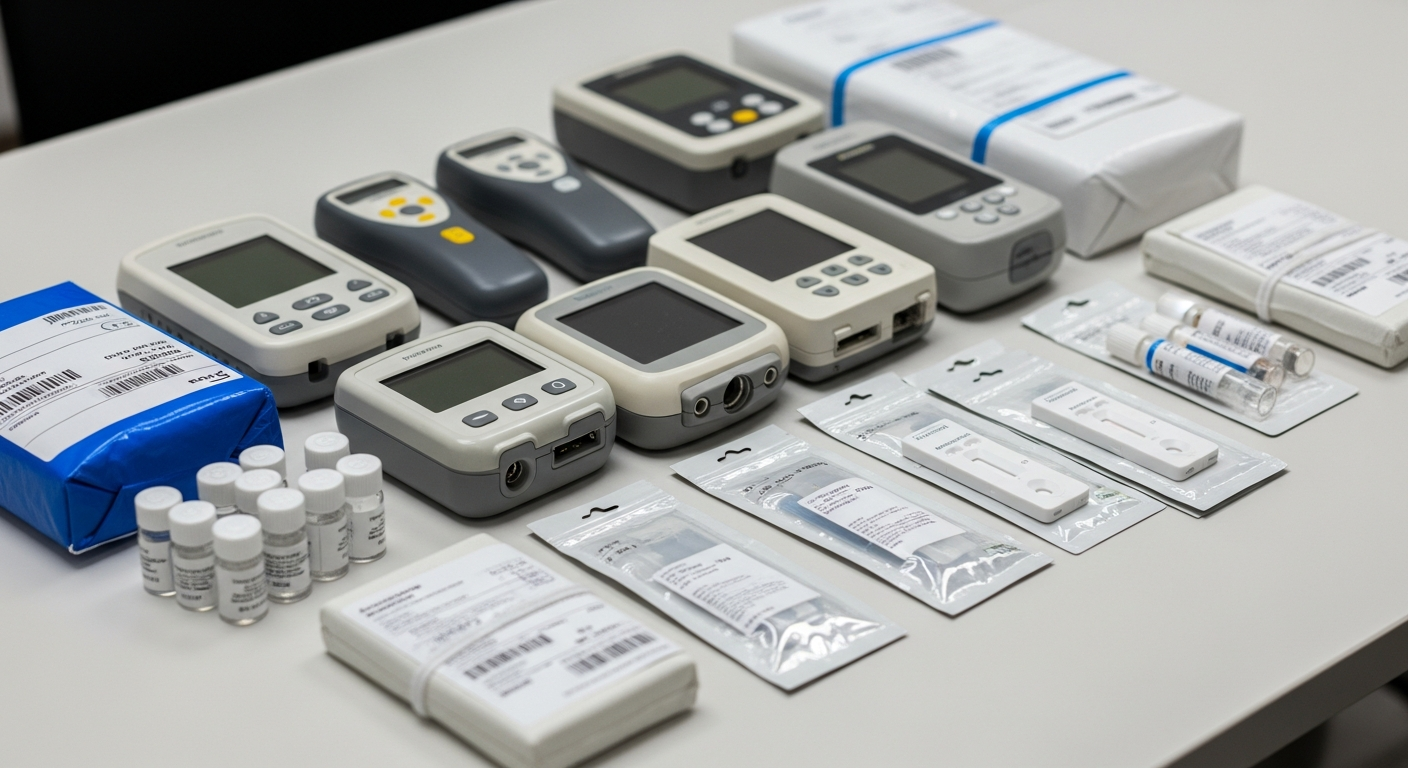
Point-of-care testing (POCT) puts diagnostic capability directly where patients are. While POCT eliminates the need to transport patient specimens for many tests, it creates its own logistics requirements that are often underestimated. 1. The Logistics Behind Point-of-Care Testing Programs Point-of-care testing (POCT) puts diagnostic capability directly where patients are. While POCT eliminates the need to […]
Healthcare Reverse Logistics: Managing Returns, Recalls, and Equipment Retrieval
Healthcare reverse logistics encompasses the movement of materials, equipment, and products backward through the supply chain, from the point of use back to manufacturers, distributors, or disposal facilities. 1. What Healthcare Reverse Logistics Actually Involves Healthcare reverse logistics encompasses the movement of materials, equipment, and products backward through the supply chain, from the point of […]