Cell and Gene Therapy Logistics: Moving CAR-T and Cryopreserved Cells
An autologous CAR-T product is the only drug in the hospital that started as the patient. That single fact shapes every requirement in cell and gene therapy logistics: the material moving between the apheresis unit, the manufacturing site and the infusion center cannot be replaced from inventory, re-made without another collection, or given to anyone else. A missed handoff is not a delayed shipment. It is a delayed treatment.
This guide walks the physical journey leg by leg, explains how vapor-phase liquid nitrogen dry shippers hold cryopreserved cell products below their critical temperature, separates chain of identity from chain of custody, and shows how time windows are managed. It is written for cell therapy laboratory managers, apheresis coordinators and biotech supply-chain teams.
1. The autologous journey in cell and gene therapy logistics: apheresis to infusion
The journey begins at the apheresis unit, where the patient’s white cells are collected by leukapheresis. From here the pathway splits by product. Some manufacturers require the collection site to cryopreserve the apheresis product before shipment, so the outbound leg is already cryogenic. Others accept fresh product held at 2 to 8 C in a validated insulated shipper, with a defined limit in hours from end of collection to receipt at the facility. The manufacturer’s collection manual, not general practice, defines which pathway applies.
In manufacturing, the cells are activated, genetically modified, expanded, formulated with a cryoprotectant such as dimethyl sulfoxide, and cryopreserved in bags held in vapor-phase liquid nitrogen; vein-to-vein times are commonly quoted in weeks. The inbound leg then delivers the cryopreserved dose to the hospital’s cell therapy laboratory, not the infusion suite, where it is verified, logged into controlled storage and held until the patient is cleared for infusion.
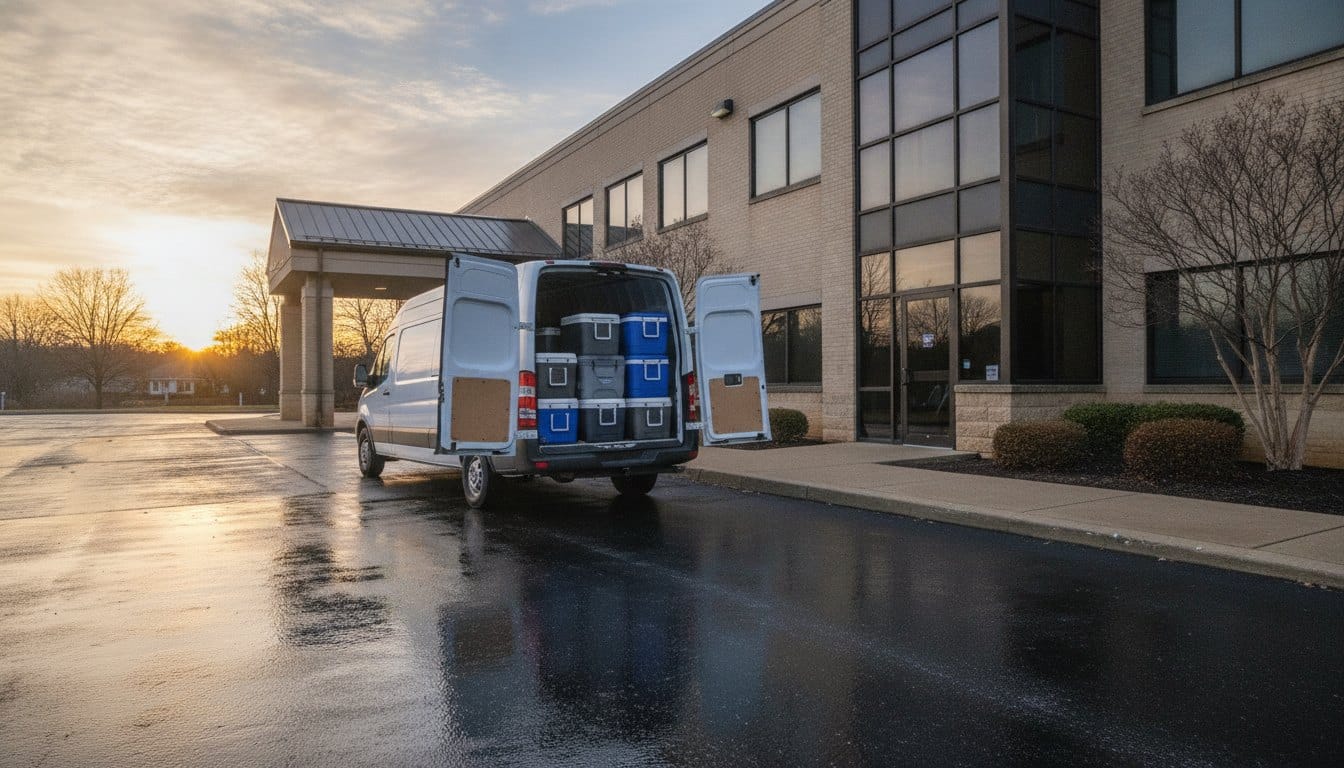
Ground courier work in this chain is usually the first and last few miles: apheresis unit to a nearby manufacturing site or airport cross-dock, or regional depot to hospital, for example between a hospital apheresis unit in Philadelphia and a manufacturing facility in northern New Jersey. Each leg has its own owner, temperature tier and clock, and the handoffs between owners are where products get lost.
The legs and who owns each one:
- Collection: the apheresis unit labels, documents and either cryopreserves or packs the fresh product for refrigerated transport
- Outbound transport: a courier moves the product to the manufacturer or an air cross-dock at the manufacturer’s specified temperature tier
- Manufacturing and release: modification, expansion, formulation, cryopreservation and quality control
- Inbound transport: the cryopreserved dose travels in a charged dry shipper to the hospital cell therapy laboratory
- Receipt, thaw and infusion: the lab verifies identity, reads the temperature record, stores the dose and later thaws it for infusion inside the labeled window
2. Vapor-phase liquid nitrogen dry shippers: how they work and how to handle them
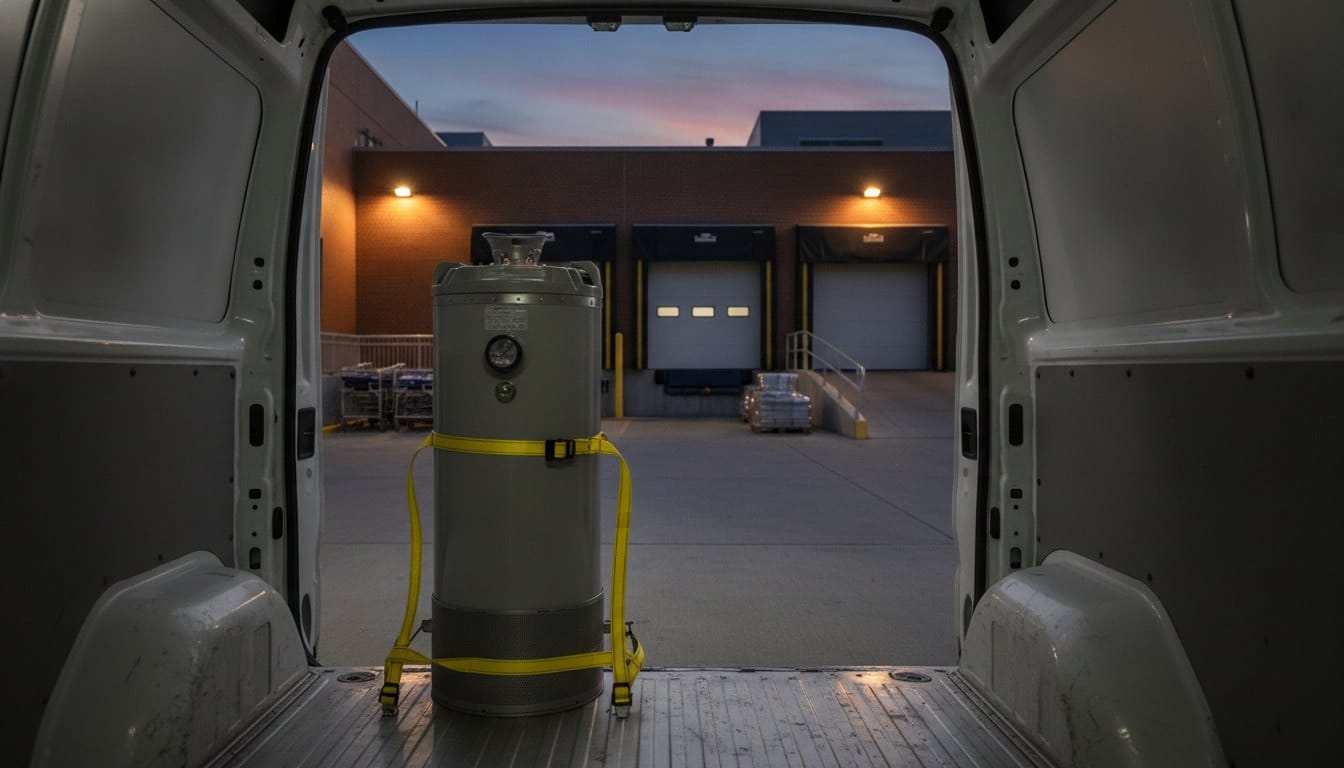
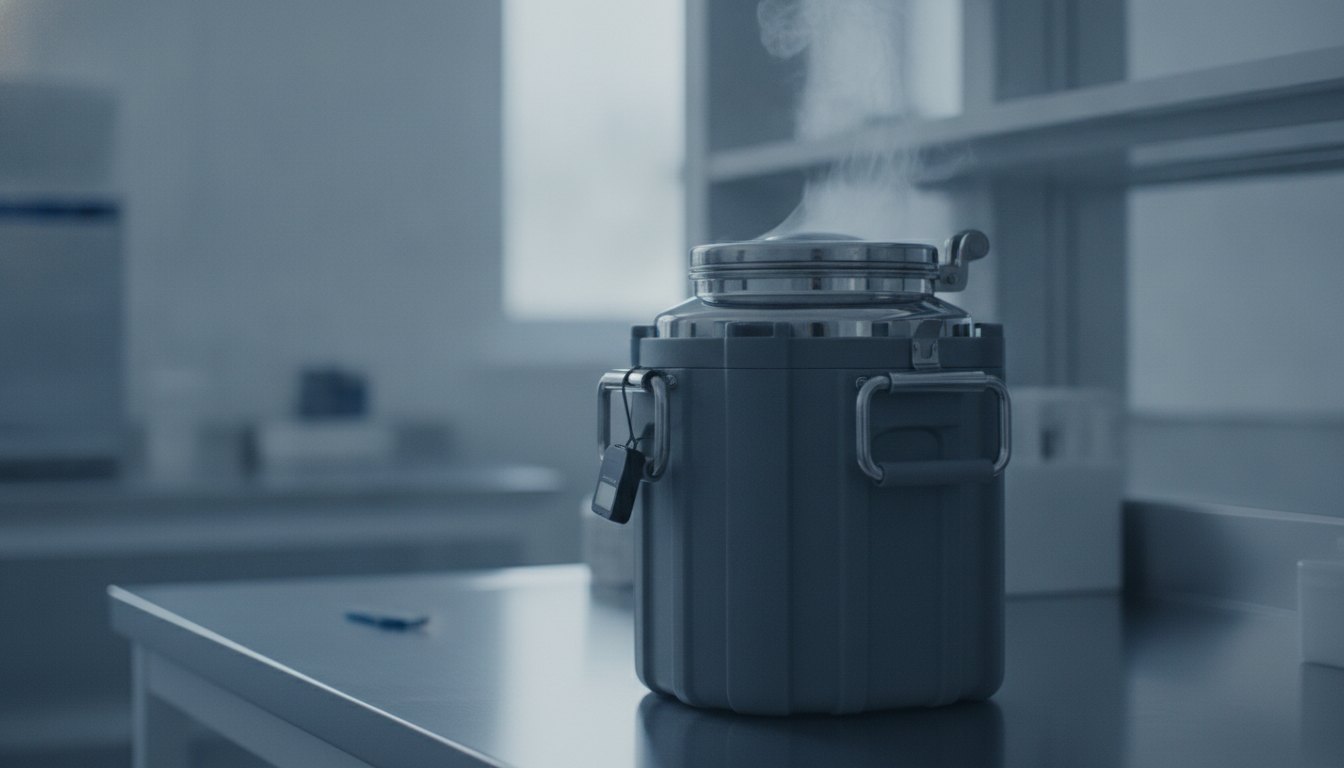
Cryopreserved cell products must stay below roughly minus 130 C, the approximate glass transition temperature of the cryoprotectant matrix, because ice recrystallization above that point reduces viability. Dry ice sublimates at about minus 78 C, far too warm. The transport container is therefore the dry vapor shipper: a vacuum-insulated dewar lined with a porous absorbent that is charged with liquid nitrogen and then drained, so the payload sits in nitrogen vapor at or below minus 150 C with no free liquid present.
A properly charged shipper holds temperature for a static hold time that the dewar manufacturer specifies, often a week or more. That assumes the shipper stays upright with the lid closed; tipping it lets vapor spill out and cuts hold time sharply. Because the absorbed nitrogen is not free liquid, the IATA Dangerous Goods Regulations treat a correctly prepared dry shipper as not subject to the regulations, but the exemption depends on the absence of free liquid.
For the courier the rules are non-negotiable. The shipper rides upright and secured so it cannot tip. The external data logger stays attached and running, the tilt and shock indicators are photographed at pickup and delivery, and the lid is never opened in transit. On delivery the receiving laboratory reads the logger and transfers the cassette to its own storage with a two-person identity check.
Dry shipper handling rules for every leg:
- Confirm the shipper was charged and drained per its procedure and the charge date is recorded on the outer case
- Transport upright, strapped or cradled, with the lid latched and the data logger running
- Photograph the tilt and shock indicators at pickup and at delivery through the geofenced proof-of-delivery step
- Hand the logger record to the receiving site and retain a copy in the chain-of-custody file
3. Chain of identity versus chain of custody
Chain of custody documents who had possession of an item and when. It is the discipline covered in our guide to chain of custody in medical specimen transport. Chain of identity is different. It documents that the product in the shipper was made from this patient’s cells and is going back to this patient, maintained by matching unique identifiers at every handoff, from the apheresis label to the infusion bag.
Cellular therapy products are labeled under the ISBT 128 standard, which assigns globally unique identifiers, and manufacturers add their own chain-of-identity number linking the collection, the manufacturing order and the final dose. Standards for cellular therapy published by AABB and by the Foundation for the Accreditation of Cellular Therapy require identity to be verified at each transfer, typically by two qualified people. A courier does not perform clinical verification, but it does confirm that the outer-case identifiers match the manifest at pickup and delivery and refuses a shipment where they do not.
A chain-of-custody failure is a gap in the record, an unlogged handoff or a missing signature, often reconstructable from GPS traces and timestamps. A chain-of-identity failure is a wrong product: a mislabeled bag, a cassette in the wrong storage location, a manifest that does not match the case. That is a patient safety event that stops the infusion. A chain-of-custody courier supporting cell therapy has to be built for both.
What a courier verifies at every handoff:
- The chain-of-identity number and ISBT 128 identifiers on the outer case match the manifest, character for character
- The container count matches the manifest and the tamper-evident closure is intact
- The receiving person is the named or authorized recipient, with an e-signature captured against their name and the time
- Any discrepancy is escalated before the product changes hands, not after
4. Managing the time windows at both ends of the chain
There are three clocks in this workflow. The fresh apheresis clock is measured in hours: a refrigerated leukapheresis product has a manufacturer-defined limit from end of collection to arrival, and collection is scheduled against the manufacturing slot. The cryopreserved clock is measured in days and is governed by the dry shipper’s remaining hold time. The bedside clock is measured in minutes: once thawed in a 37 C water bath, the product must be infused inside the period on its label.
Courier scheduling has to respect all three. A fresh outbound leg is a dedicated point-to-point run: a driver waiting at the apheresis unit before the collection is complete, no intermediate stops, a documented arrival time, and an alternate route and second driver identified before collection day. An inbound cryopreserved leg is constrained by the hospital’s receiving hours and the cell therapy lab’s staffing, so cryogenic medical transport for these shipments is scheduled around the receiving site and confirmed the day before.
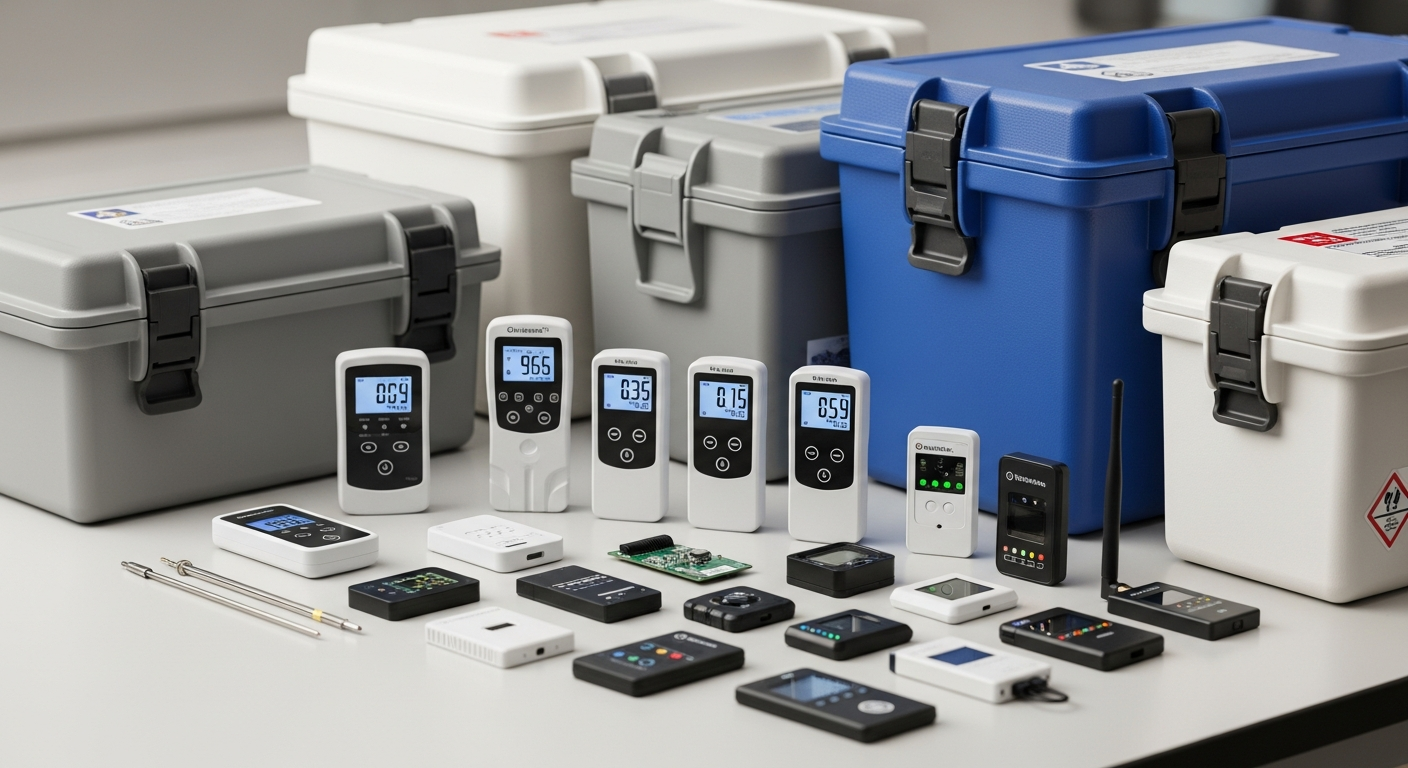
Because collections and returns do not respect business hours, a courier serving cell therapy programs needs 24/7/365 dispatch and the ability to take an order in under a minute when a manufacturing slot moves. Real-time GPS tracking shared with the apheresis coordinator and the manufacturer’s logistics desk keeps every clock holder informed, and the temperature monitoring approach used in medical courier vehicles gives the receiving site a continuous record.
Scheduling practices that protect the windows:
- Book the courier against the manufacturing slot and the collection end time, with a defined pickup-ready time
- Run fresh product legs as dedicated point-to-point moves with no other freight on board
- Compare the dry shipper charge date with the planned delivery date and refuse a shipper without adequate remaining hold time
- Share live tracking with every party that holds a clock: apheresis unit, manufacturer and cell therapy lab
5. The regulatory and quality framework for cell and gene therapy logistics
Cell and gene therapy products are regulated by the FDA’s Center for Biologics Evaluation and Research. The FDA’s cellular and gene therapy products section sets out the framework, including current good manufacturing practice and the requirements for human cells and tissues under 21 CFR Part 1271. The list of approved cellular and gene therapy products separates commercial products from investigational ones, which carry the additional obligations described in our guide to clinical trial specimen transport requirements.
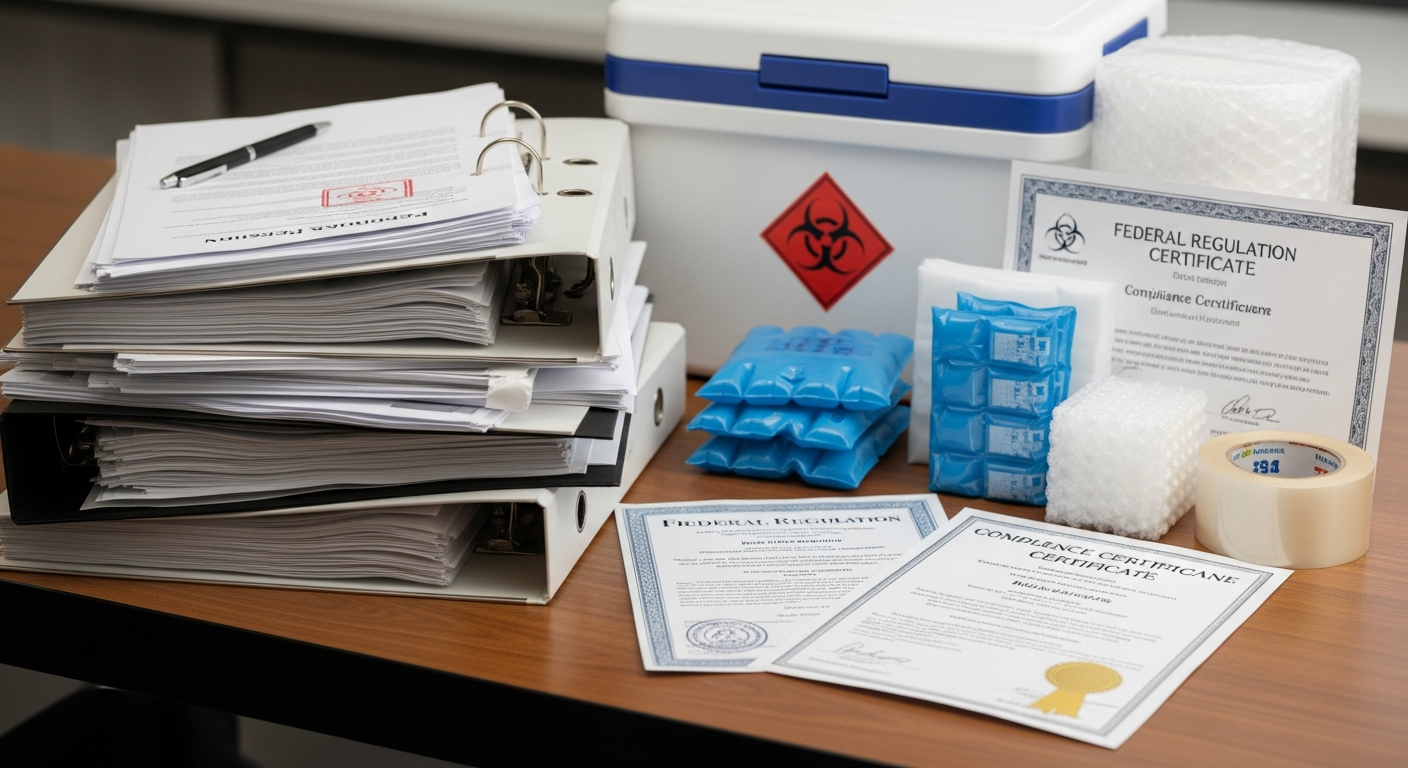
The courier sits inside that framework as a qualified vendor. Qualification usually means written SOPs for cryogenic and refrigerated handling, driver training records covering HIPAA, OSHA bloodborne pathogen exposure control and DOT hazardous materials awareness, documented equipment such as shippers and temperature loggers, a deviation and excursion process with defined notification times, and a chain-of-custody system that produces an auditable record for every leg. A courier that cannot produce these records will not be on the approved list.
Good distribution practice adds the expectation that the transport process is validated, not just performed: shipper qualification, route duration and ambient conditions shown to keep product inside its limits. The broader temperature principles are covered in our guide to cold chain logistics in healthcare; the cell therapy specifics are the cryogenic tier, the identity discipline and the deviation reporting. A courier serving biotech companies and hospital cell therapy programs should expect to be audited on all three.
Documents a manufacturer or sponsor will ask the courier to produce:
- Standard operating procedures for cryogenic, dry ice and refrigerated transport, including dry shipper handling
- Training records for each driver assigned to cell therapy work, with dates and content
- A deviation and temperature excursion procedure with notification timelines and a root cause format
- Chain-of-custody records from prior shipments with timestamps, photos, signatures and GPS traces
Key Takeaways
Cell and gene therapy logistics is a chain of short, unforgiving legs in which the product is the patient. Getting each leg right means respecting the clock, the temperature and the identifiers.
- The apheresis-to-manufacturer leg runs on hours, the cryopreserved return leg on days of shipper hold time, and the thaw-to-infusion step on minutes
- Cryopreserved cell products stay below about minus 130 C in vapor-phase liquid nitrogen dry shippers; dry ice at about minus 78 C is not an alternative
- Dry shippers travel upright, latched and logged, and are never opened in transit
- Chain of custody records possession; chain of identity proves the product belongs to this patient; a courier must support both
- Qualification means SOPs, training records, deviation reporting and auditable chain-of-custody records
If your program moves apheresis product or cryopreserved doses across the Northeast, schedule a demo with carGO Health to see how dedicated point-to-point runs, real-time tracking and geofenced chain-of-custody records work in practice.
Frequently Asked Questions
What is the difference between chain of identity and chain of custody in cell therapy?
Chain of custody records who possessed the product, when, and what they did with it. Chain of identity proves that the product made from a specific patient’s cells returns to that same patient, verified by matching ISBT 128 and manufacturer identifiers at every handoff. Autologous cell therapy requires both.
How long can a liquid nitrogen dry shipper hold temperature?
A correctly charged dry vapor shipper typically holds the payload below minus 150 C for a static period specified by the dewar manufacturer, often a week or more, assuming it stays upright with the lid closed. Tipping, opening or high ambient temperatures shorten the hold, so charge date and delivery date are compared before departure.
Can CAR-T products be shipped on dry ice?
No. Dry ice holds about minus 78 C, well above the roughly minus 130 C threshold below which cryopreserved cells must remain to avoid ice recrystallization and loss of viability. Cryopreserved CAR-T doses travel in vapor-phase liquid nitrogen dry shippers. Dry ice suits some frozen specimens and reagents, not cryopreserved cell products.
How quickly must fresh apheresis product reach the manufacturer?
Each manufacturer’s collection manual sets the limit, measured from end of collection to receipt at the manufacturing facility, for refrigerated product held at 2 to 8 C. Some products require on-site cryopreservation instead. Either way the courier leg is a dedicated point-to-point run booked against the manufacturing slot.
What documentation should a courier provide for a cell therapy shipment?
At minimum: a chain-of-custody record with timestamped, geofenced photo proof at pickup and delivery, e-signatures from the releasing and receiving parties, the data logger record for the shipper, photographs of the tilt and shock indicators, and a deviation report if anything departed from plan.
Related Resources