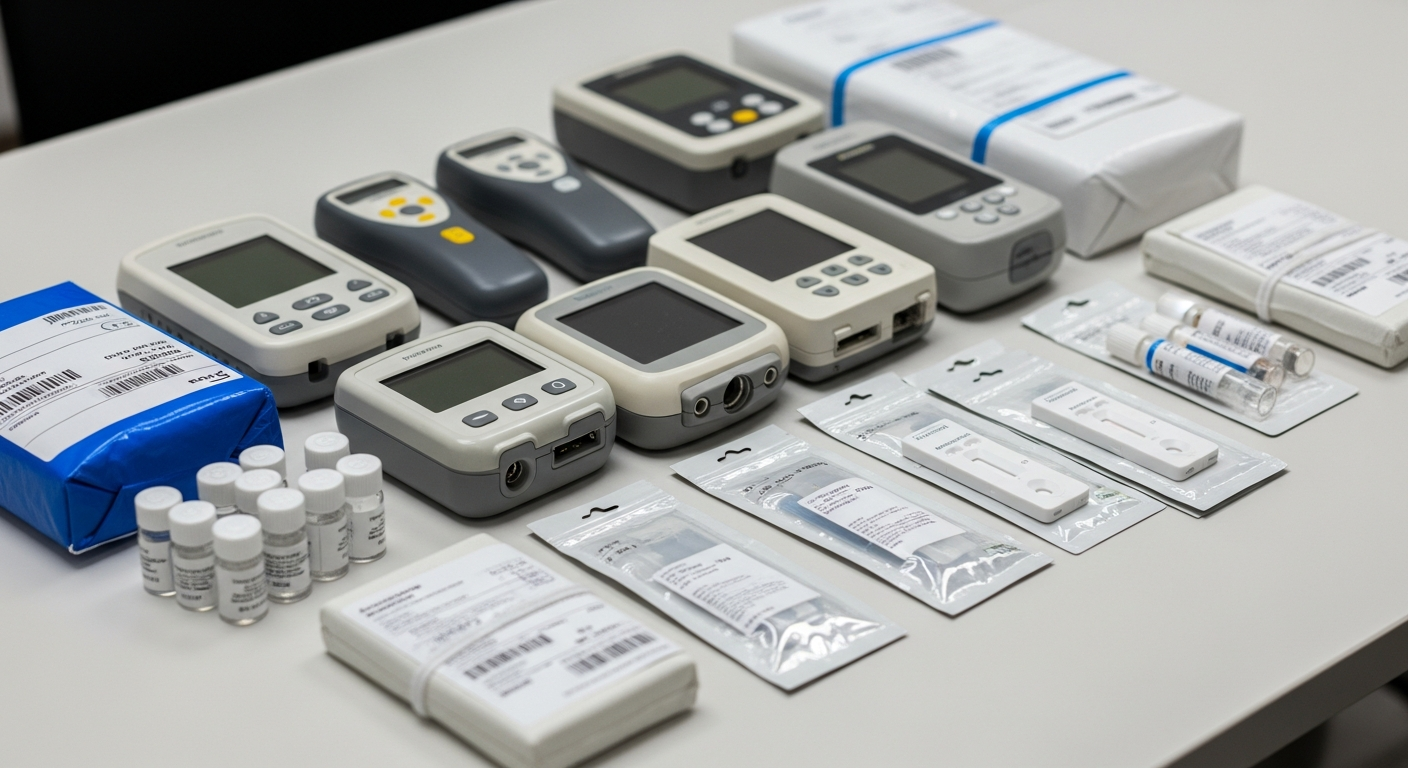
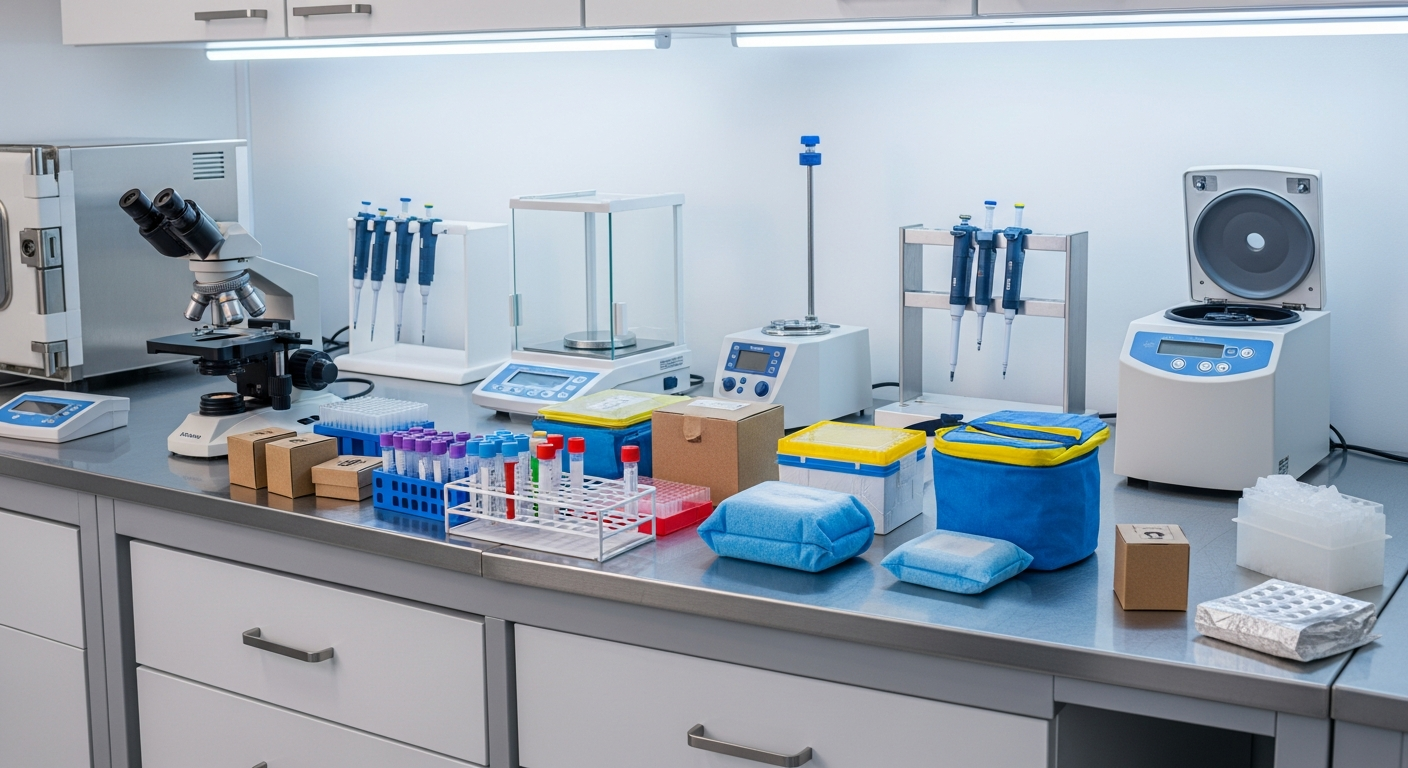
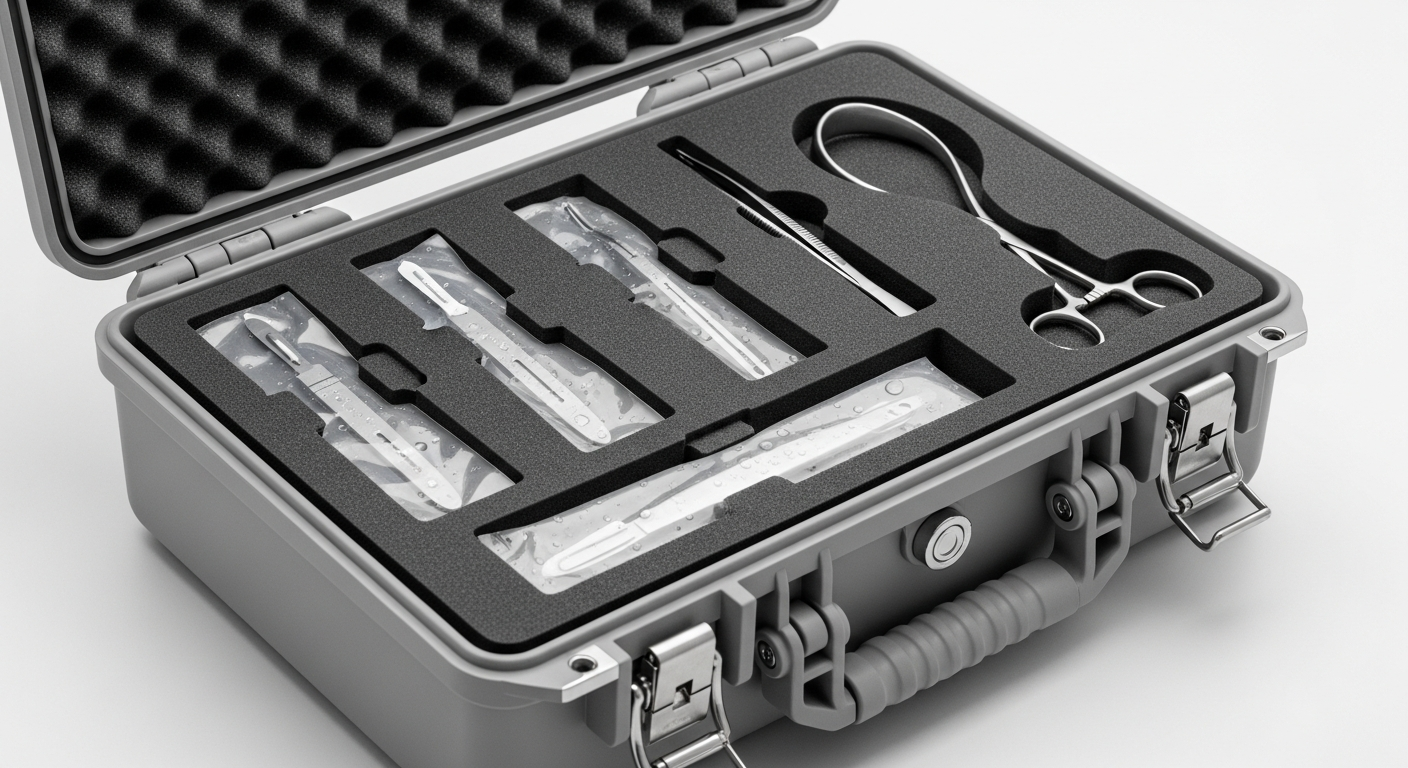
Organ and Tissue Transport Logistics: Time, Temperature, Traceability

Organ and tissue transport covers two operations that share a vocabulary and almost nothing else. Solid organs move from a donor hospital to a transplant center under an organ procurement organization, against an ischemia clock measured in hours. Human tissue, meaning corneas, bone, tendon, skin, heart valves and vascular grafts, moves from a recovery site to a tissue bank for processing, and then weeks or years later to an operating room as a finished allograft. The timing, temperature and documentation rules diverge at almost every step.
This guide separates the two so that a tissue bank, hospital tissue coordinator or research biorepository can plan logistics correctly: how recovered tissue travels, the temperature tiers finished allografts require, the traceability rules from FDA regulation and hospital accreditation, and how to build courier routes around surgical schedules. carGO Health provides tissue and research specimen transport for tissue banks, hospitals and research institutions across ten Northeast states; solid-organ transplant transport remains the domain of organ procurement organizations and the transplant centers they serve.
1. How Organ and Tissue Transport Differs from Routine Specimen Logistics
In the United States, deceased-donor organs are allocated through the Organ Procurement and Transplantation Network, and the organ procurement organization then arranges recovery and transport against cold ischemia limits: roughly 4 to 6 hours for hearts and lungs, 8 to 12 for livers, 12 to 18 for pancreata and 24 to 36 for kidneys. Organs travel triple-bagged in cold preservation solution in a rigid cooler on wet ice at about 4 C, by ground or air as the clock allows. The OPO or the transplant center owns that shipment from recovery to implant.
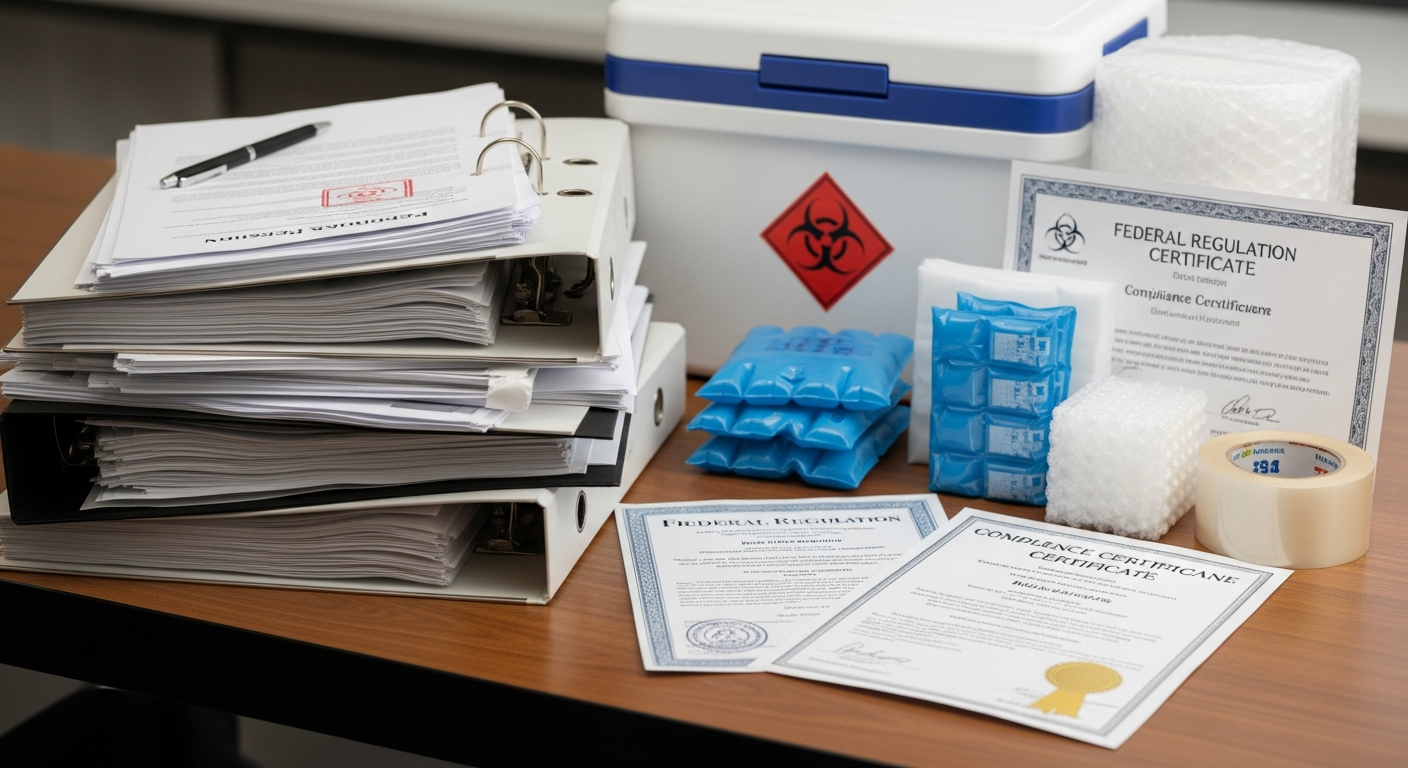
Tissue works on a different clock under a different regulator. Human tissue falls under FDA’s 21 CFR Part 1271, which requires establishment registration, donor screening and testing, current good tissue practice and tracking from donor to consignee; American Association of Tissue Banks standards add recovery time limits, storage temperatures and shelf lives. The tissue is time-critical for hours, sits in processing and quarantine for months, then enters an inventory with shelf lives from 14 days for a cornea to five years for freeze-dried bone. A courier that supports tissue banks and eye banks therefore needs both an urgent refrigerated recovery leg and a scheduled, temperature-tiered distribution leg.
Why the distinction matters for a courier scope of work:
- Solid organs travel under OPO control; a tissue scope of work should not borrow their timelines or packaging.
- Recovered tissue is time-critical, with deadlines measured in hours after death.
- Finished allografts are stable for weeks to years; distribution is a scheduling and temperature problem.
- Both tissue legs need a chain of custody that survives an FDA inspection or an accreditation survey.
- Research tissue carries a hazardous materials classification that transplant tissue is excepted from.
2. Recovered Tissue: From Recovery Site to the Processing Bank
Recovery deadlines follow AATB limits. Recovery must generally begin within 24 hours of death when the body was refrigerated within about 12 hours, and sooner when it was not. Corneas are the most urgent: eye banks commonly require recovery within hours, after which the cornea sits in a storage medium at 2 to 8 C with a labeled storage life of 14 days. Every hour in a courier vehicle is an hour of that shelf life gone.
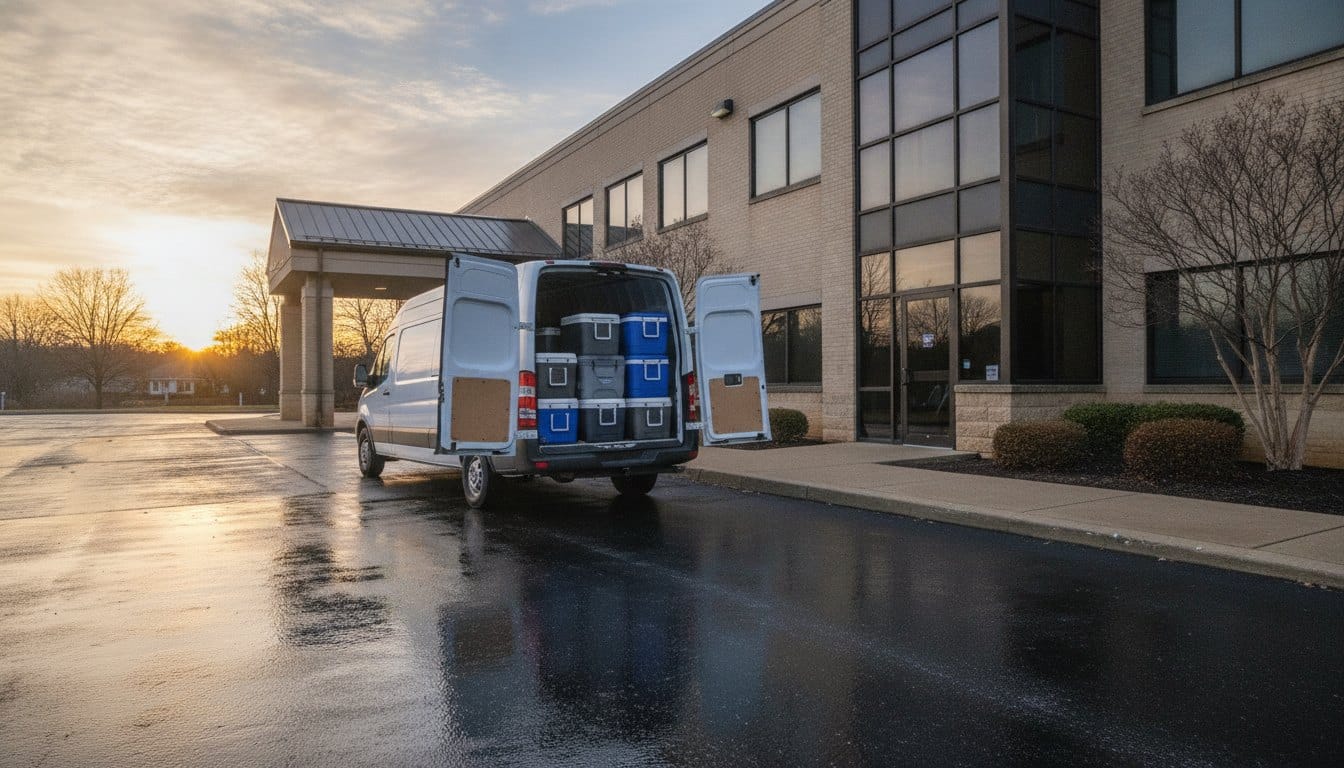
Musculoskeletal and skin recovery produce a bulkier, colder shipment: tissue wrapped in sterile drapes, multi-bagged and packed with enough wet ice to hold 2 to 10 C for the processor’s validated transit time. The pickup point is a hospital morgue, a medical examiner’s office or a funeral home, often after midnight, so the courier needs 24/7 dispatch, an immediate departure, no co-loading and a direct drive with the container upright. The donor identification number assigned at recovery follows every graft that donor produces, and the courier record must carry it as the first entry in a chain of custody that FDA expects the bank to reconstruct a decade later.
What a recovery-leg courier procedure should specify:
- Maximum elapsed time from container seal to receipt at the bank, in hours, with the clock start defined.
- Wet-ice packaging validated for route length and season, with the ice-to-payload ratio recorded.
- Direct, single-consignment driving with no intermediate stops and no co-loading with unrelated specimens.
- Photo proof at pickup and delivery showing the intact container, tamper seal and donor label.
- Receipt temperature recorded by the bank and reconciled against the courier’s timestamps, with an escalation contact for the 2 AM handoff.
3. Allograft Distribution: Temperature Tiers for Finished Tissue Grafts
Finished allografts ship in four tiers, and the tier is printed on the label. Freeze-dried bone and demineralized bone matrix travel at ambient temperature with no refrigerant. Frozen musculoskeletal grafts are stored at -40 C or colder, often at -70 C or colder, and ship on dry ice, which sublimes at -78.5 C. Refrigerated grafts, including fresh osteochondral allografts and corneas, travel at 2 to 8 C on gel packs or wet ice with an insulating layer between refrigerant and tissue. A fresh osteochondral graft has a viability window of roughly 28 days, and donor testing consumes the first two weeks.
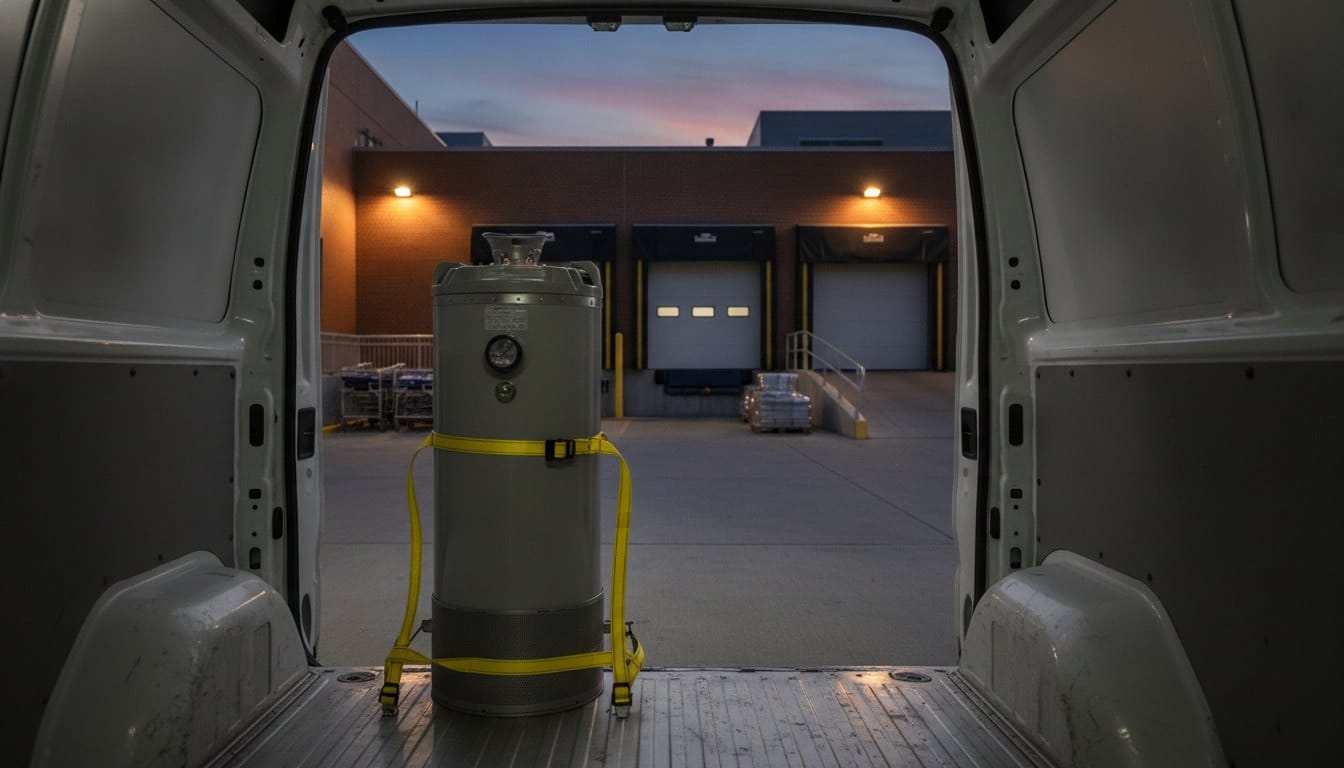
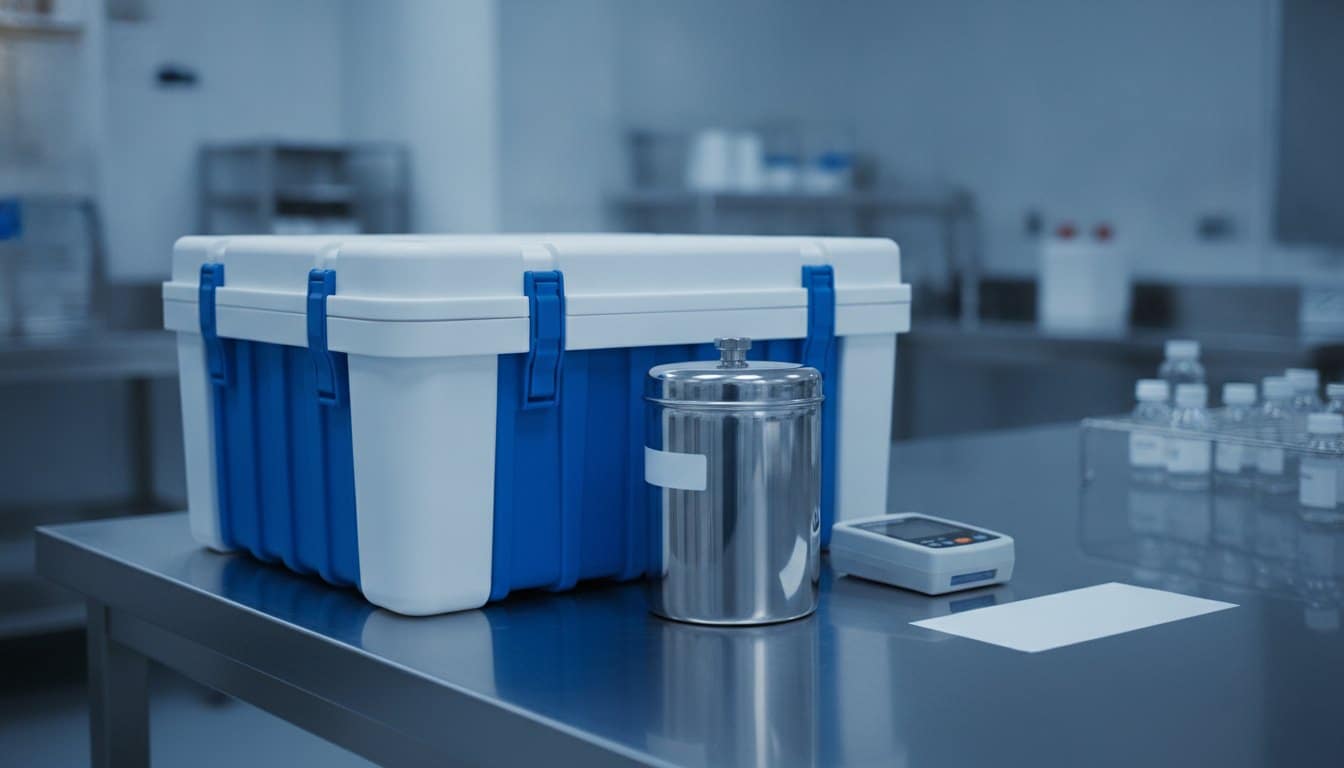
Cryopreserved tissue, including heart valves, vascular conduits and some skin and cellular bone products, must stay below -135 C, which means vapor-phase liquid nitrogen dry shippers: dewars with the nitrogen absorbed into a porous matrix so that nothing can spill. Kept upright and unopened, a charged dry shipper holds temperature for days. Dry ice adds a hazardous materials layer: it is UN1845, Class 9, and although PHMSA rules in 49 CFR 173.217 treat ground transport far more lightly than air, the package must vent and the driver must know that sublimation in a closed cabin displaces oxygen. Every tier needs a temperature record from inside the payload space and a written excursion procedure; a refrigerated graft reading 10 C at receipt is quarantined and often discarded. Our guide to healthcare cold chain logistics covers the underlying principles.
Temperature tiers at a glance:
- Freeze-dried allografts: ambient, kept from heat above about 25 C and from freezing.
- Frozen allografts: -40 C or colder, on dry ice sized to transit time plus a margin, in a vented container.
- Refrigerated grafts and corneas: 2 to 8 C on gel packs or wet ice, insulated from the refrigerant.
- Cryopreserved grafts: below -135 C in a charged dry shipper, upright and never opened in transit.
- Every tier: a data logger inside the payload space, read and recorded at both ends.
4. Traceability: Distinct Identification Codes, Chain of Custody and Recalls
Traceability is where tissue logistics is most heavily regulated. Under 21 CFR 1271.290, an establishment must assign a distinct identification code to each HCT/P, track it from donor to consignee and back, and keep the records for ten years; FDA’s tissue and tissue products program enforces this through inspection. Many banks use ISBT 128 coding so that product code, donor identifier, expiration date and storage temperature appear in a scannable barcode.
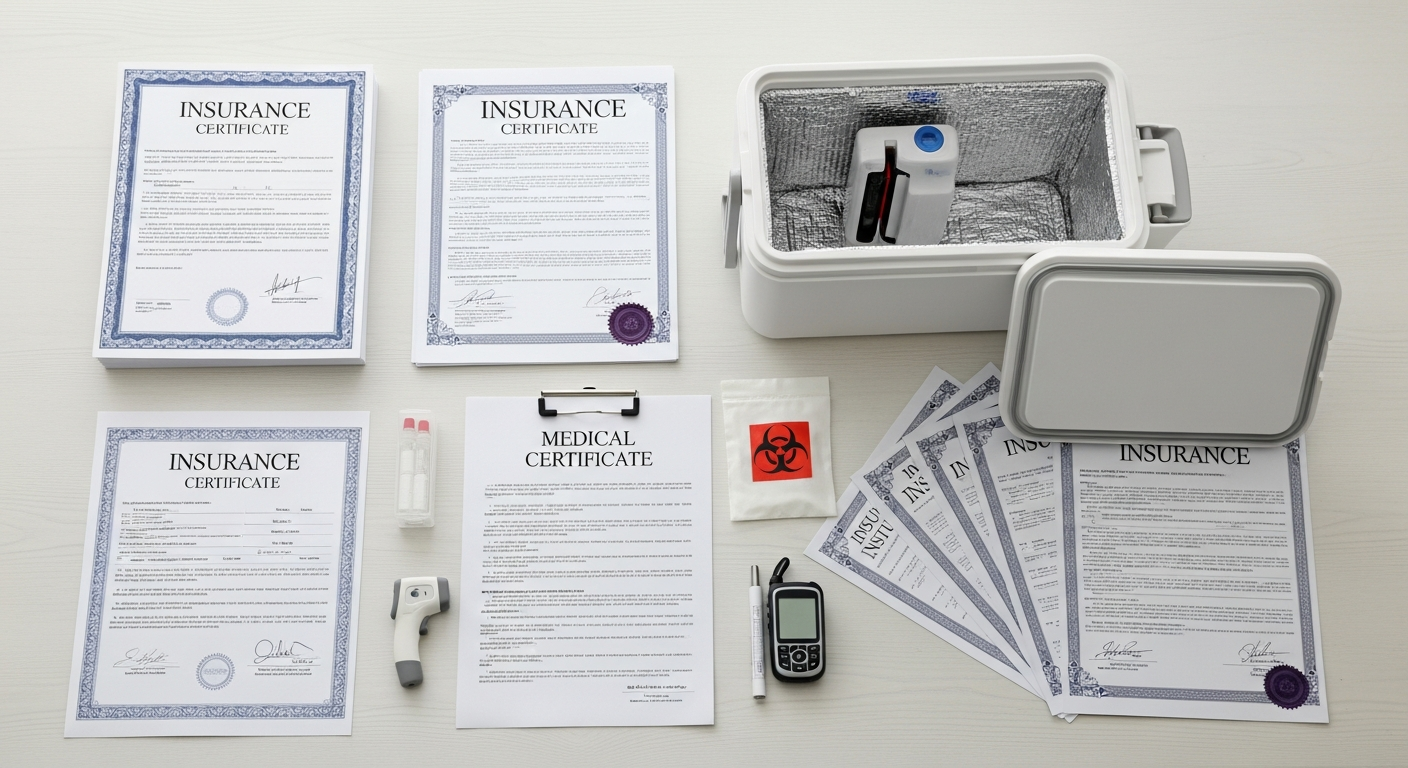
On the hospital side, The Joint Commission Transplant Safety standards require an accredited hospital to log tissue receipt, keep continuous storage temperature records, trace every graft bidirectionally between donor and recipient, and investigate adverse events. The tissue coordinator therefore needs the courier’s record: who carried the package, when it left the bank, when it arrived and at what temperature. Geofenced photo proof of delivery with an electronic signature attaches to the tissue log without retyping. When later testing implicates a donor, the bank must locate every graft that donor produced, and a courier that can search its delivery records by identification code turns that recall from a week of phone calls into an afternoon.
Traceability records to require from your courier:
- The identification code or lot number captured at pickup and matched to the manifest.
- Timestamped GPS positions for pickup, delivery and any stop longer than a few minutes.
- Photo proof of the intact package and label at both ends, with an electronic signature from the receiver.
- Temperature at handoff, entered by the receiving facility and stored with the delivery record.
- Exportable records searchable by identification code for the full ten-year record-keeping period.
5. Designing Organ and Tissue Transport Routes Around Surgical Schedules
Most allografts ship for scheduled cases. A tissue bank in northern New Jersey supplying hospitals across Manhattan, Long Island and the Hudson Valley will typically ship the day before surgery, and the hospital wants receipt during the tissue coordinator’s hours. That argues for consolidated scheduled routes with windows aligned to each hospital’s tissue service, inside delivery to a named receiving role, and a northern New Jersey medical courier that knows which entrance to use after 5 PM.
The exception path matters as much. When a case is added or a graft is contaminated on the sterile field, a replacement has to move within hours; a STAT tier with a defined response time, dispatched to the nearest available driver rather than a static fleet already committed elsewhere, keeps the case on the schedule. Unused tissue creates the reverse flow: a graft returned unopened can re-enter inventory only if its temperature record is unbroken, so the return needs the same packaging and documentation as the outbound trip; see our guide to healthcare reverse logistics. Research tissue is different again: under 49 CFR 173.134 and the IATA Dangerous Goods Regulations, tissue for transplant is excepted from the infectious substance rules, but surgical discards bound for a biorepository ship as UN3373 Category B or exempt human specimens, packaged as described in our UN 3373 guide.
Route design checklist for tissue distribution:
- Delivery windows aligned to the hospital tissue coordinator’s hours, not the courier’s convenience.
- Inside delivery to the tissue storage location or OR desk, with a named receiving role on the order.
- Refrigerant sized for the longest plausible transit including dock waits, not the average.
- A STAT tier with a defined response time for add-on cases and field contamination replacements.
- A return-to-bank procedure with unbroken temperature documentation, and weekend and holiday coverage confirmed in writing.
Key Takeaways
Organ and tissue transport is two disciplines. Solid-organ transport runs on an ischemia clock under OPO control. Tissue transport runs on FDA traceability rules, tissue bank standards and surgical schedules, with a recovery leg and a distribution leg that a specialized medical courier can support.
- Write tissue scopes of work around recovery time limits and allograft temperature tiers, not solid-organ timelines.
- Corneas and fresh osteochondral grafts have shelf lives of 14 to 28 days; every transit hour counts.
- Match refrigerant to tier: wet ice for 2 to 8 C, dry ice for frozen, liquid nitrogen vapor for cryopreserved.
- Require identification codes, timestamps, photos, signatures and receipt temperatures on every delivery record.
- Plan STAT replacements and documented returns before the first scheduled route runs.
If your tissue bank, eye bank or biorepository is reviewing how grafts and research tissue move across the Northeast, schedule a demo of the carGO Health platform to see how scheduled routes, STAT dispatch and chain-of-custody records work together.
Frequently Asked Questions
What is the difference between organ transport and tissue transport?
Organ transport moves solid organs from a donor hospital to a transplant center within hours, coordinated by an organ procurement organization under OPTN policy. Tissue transport moves recovered tissue to a tissue bank, and finished allografts such as bone, tendon, skin and corneas to hospitals, under FDA’s 21 CFR Part 1271 on timelines from hours to years.
How long can a cornea be stored and transported before transplant?
A recovered cornea in storage medium at 2 to 8 C carries a labeled storage life of about 14 days, and recovery itself must happen within hours of death under eye bank standards. Transport between the recovery site, the eye bank and the surgeon consumes that storage life, so corneas travel refrigerated, upright and on direct routes.
What temperature do bone allografts need during transport?
It depends on processing. Freeze-dried bone ships at ambient temperature with no refrigerant. Frozen bone and tendon allografts are stored at -40 C or colder and ship on dry ice. Fresh osteochondral allografts must stay at 2 to 8 C within a viability window of roughly 28 days. The tier on the tissue label should match the packaging on the courier’s record.
Is human tissue for transplant classified as hazardous material?
Generally no. Both 49 CFR 173.134 and the IATA Dangerous Goods Regulations except tissues and organs intended for transplant from the infectious substance rules. Research tissue is not excepted and ships as UN3373 Category B or as an exempt human specimen. Dry ice used as a refrigerant is separately regulated as UN1845, Class 9, and the package must vent.
What records does a hospital need from a tissue courier?
To satisfy Joint Commission tissue traceability standards, the tissue coordinator needs the tissue identification code, pickup and delivery timestamps, the name or role of the receiver, photo proof of the intact package and the temperature at receipt. Records should be exportable and searchable by identification code so they attach to the tissue log and support a recall.
Related Resources