Data-Driven Solutions in Medical Logistics: Reducing Costs and Optimizing Routes
Updated April 2026 — reviewed and refreshed by carGO Health editorial team.
In the healthcare sector, the logistics of transporting medical supplies, specimens, pharmaceuticals, and equipment require precision, reliability, and speed. Efficient medical logistics is critical to ensuring patient safety and operational continuity. With increasing demand and rising costs, data-driven solutions are emerging as essential tools for optimizing delivery networks, improving resource allocation, and reducing operational expenses.

The Role of Data in Medical Logistics
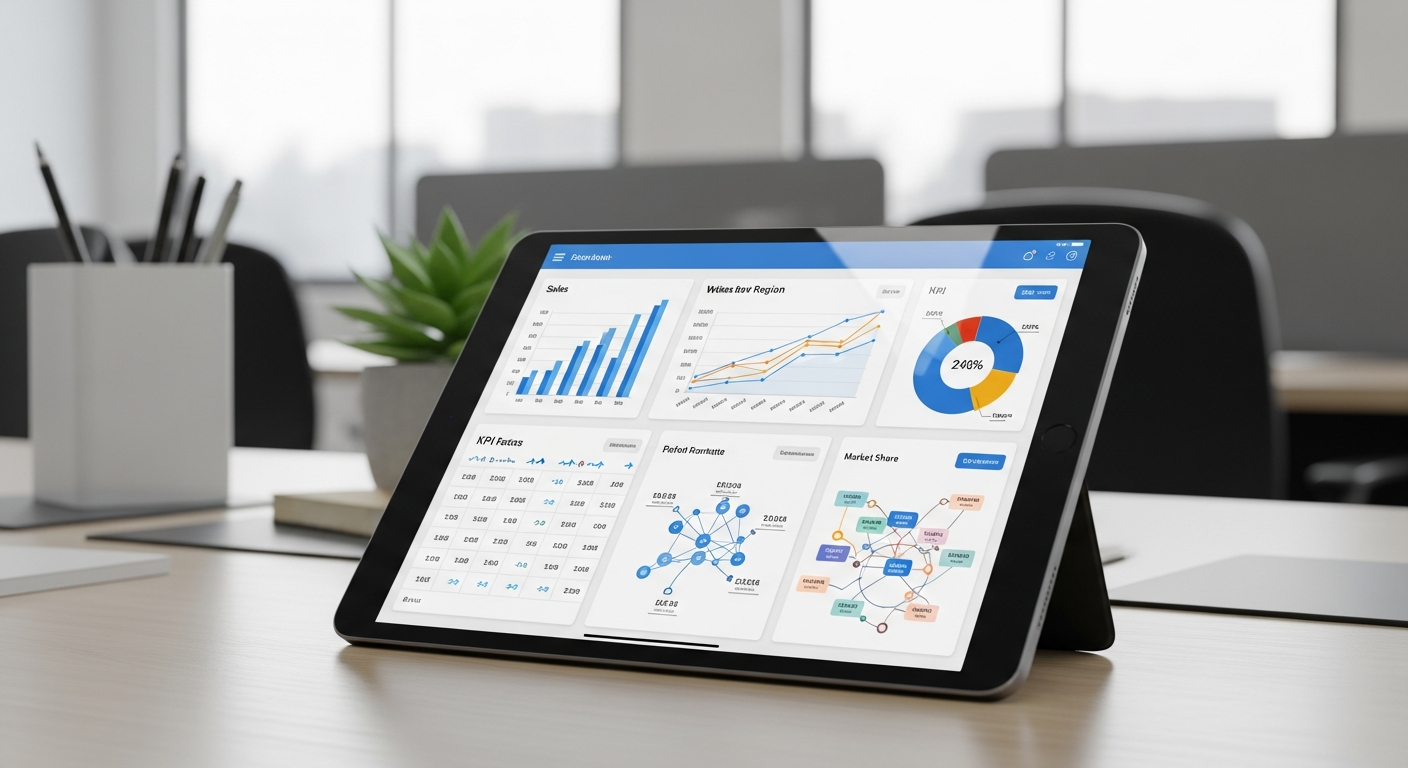
Data analytics enables healthcare logistics companies to move beyond reactive operations and adopt proactive, optimized workflows. By collecting and analyzing real-time and historical data, logistics managers can identify inefficiencies, streamline delivery processes, and enhance service quality.
Several key data types play an essential role in modern logistics:
- Route Data: GPS tracking and geospatial data allow for detailed route optimization, reducing travel time and fuel consumption.
- Traffic and Weather Data: Real-time updates on road conditions help couriers avoid delays and adjust delivery routes accordingly.
- Demand Patterns: Historical data on delivery demand allows for predictive planning, ensuring adequate capacity and resource allocation during peak periods.
- Operational Data: Insights into vehicle performance, courier schedules, and delivery times help organizations maximize fleet efficiency.
Reducing Costs Through Data-Driven Decisions
Incorporating data-driven strategies into logistics planning yields measurable cost savings. Some of the primary areas where data analytics significantly reduces costs include:
- Fuel Efficiency: Optimized routing minimizes fuel consumption by identifying the shortest and least congested paths.
- Resource Utilization: Data enables better management of vehicles, staff, and equipment, reducing underutilization or unnecessary redundancy.
- Preventive Maintenance: Monitoring vehicle performance helps logistics managers schedule maintenance proactively, avoiding costly breakdowns and downtime.
- Inventory Control: For cold-chain logistics and pharmaceutical deliveries, data ensures temperature monitoring and real-time visibility, reducing spoilage and waste.
Optimizing Routes for Medical Deliveries
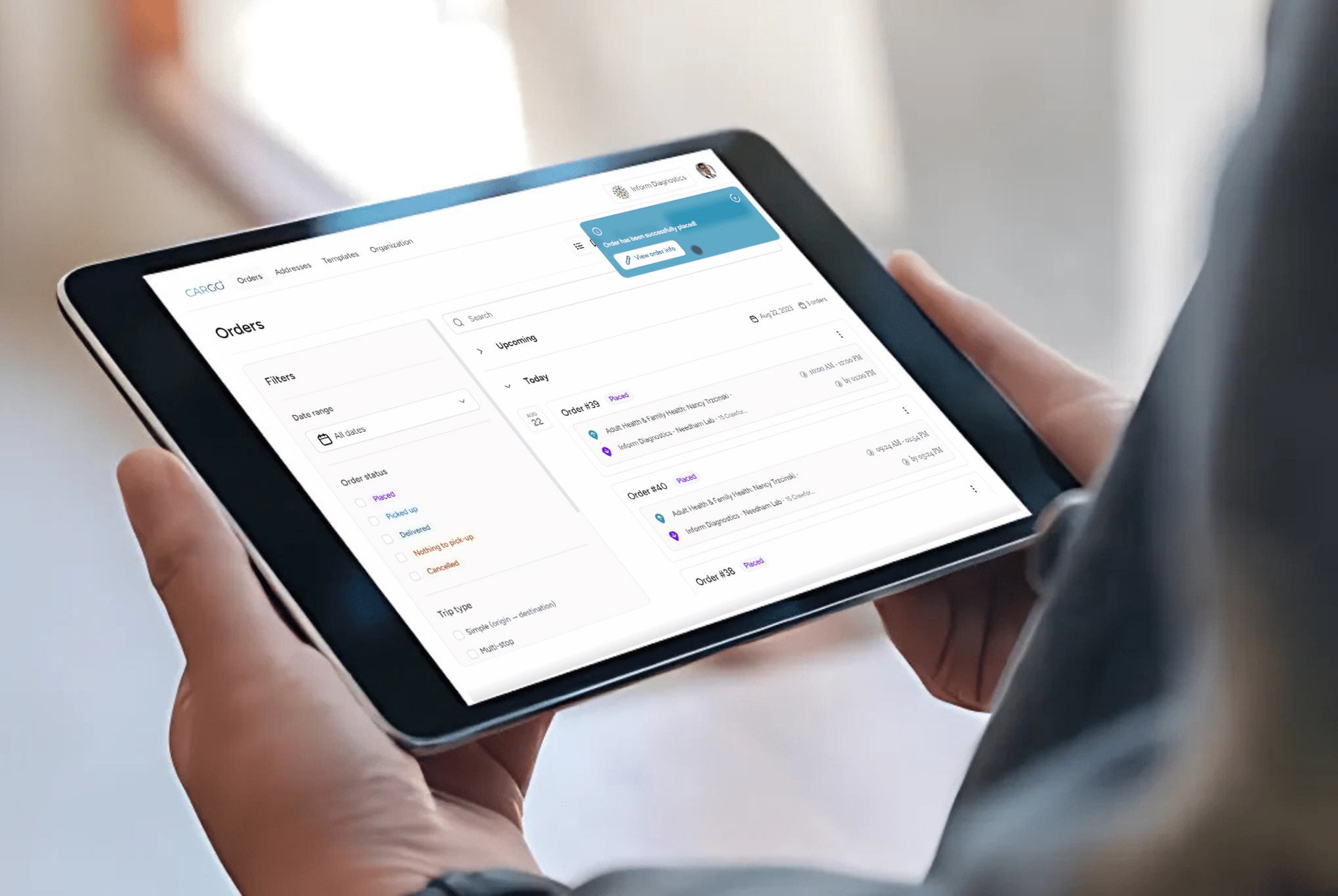
Route optimization is one of the most impactful applications of data analytics in medical logistics. Unlike general logistics, healthcare delivery services require meeting strict deadlines, ensuring chain-of-custody integrity, and complying with regulatory standards.
Advanced route optimization software considers multiple factors to determine the most efficient delivery paths, such as:
- Time Windows for Critical Deliveries: Ensuring that time-sensitive specimens and medications reach their destination without delay.
- Traffic and Road Restrictions: Avoiding congested areas while complying with local traffic regulations.
- Dynamic Re-Routing: Automatically adjusting routes in response to real-time incidents such as accidents or sudden weather changes.
- Multi-Stop Optimization: Optimizing routes for multiple deliveries while minimizing total distance and fuel usage.
Case Study: Data-Driven Efficiency in Medical Specimen Transport
A regional medical courier service implemented a data-driven logistics platform to optimize specimen transport across multiple hospital locations and laboratories. The system analyzed historical pickup and delivery patterns, combined with real-time traffic and weather data. Within six months, the company achieved:
- A 15% reduction in fuel costs
- 30% improvement in on-time deliveries
- Significant reduction in vehicle maintenance costs
Future of Data-Driven Medical Logistics
As technology advances, data-driven solutions will become even more integral to medical logistics. Predictive analytics, machine learning, and artificial intelligence are expected to enhance the accuracy of forecasting models, enabling fully autonomous route optimization and fleet management.
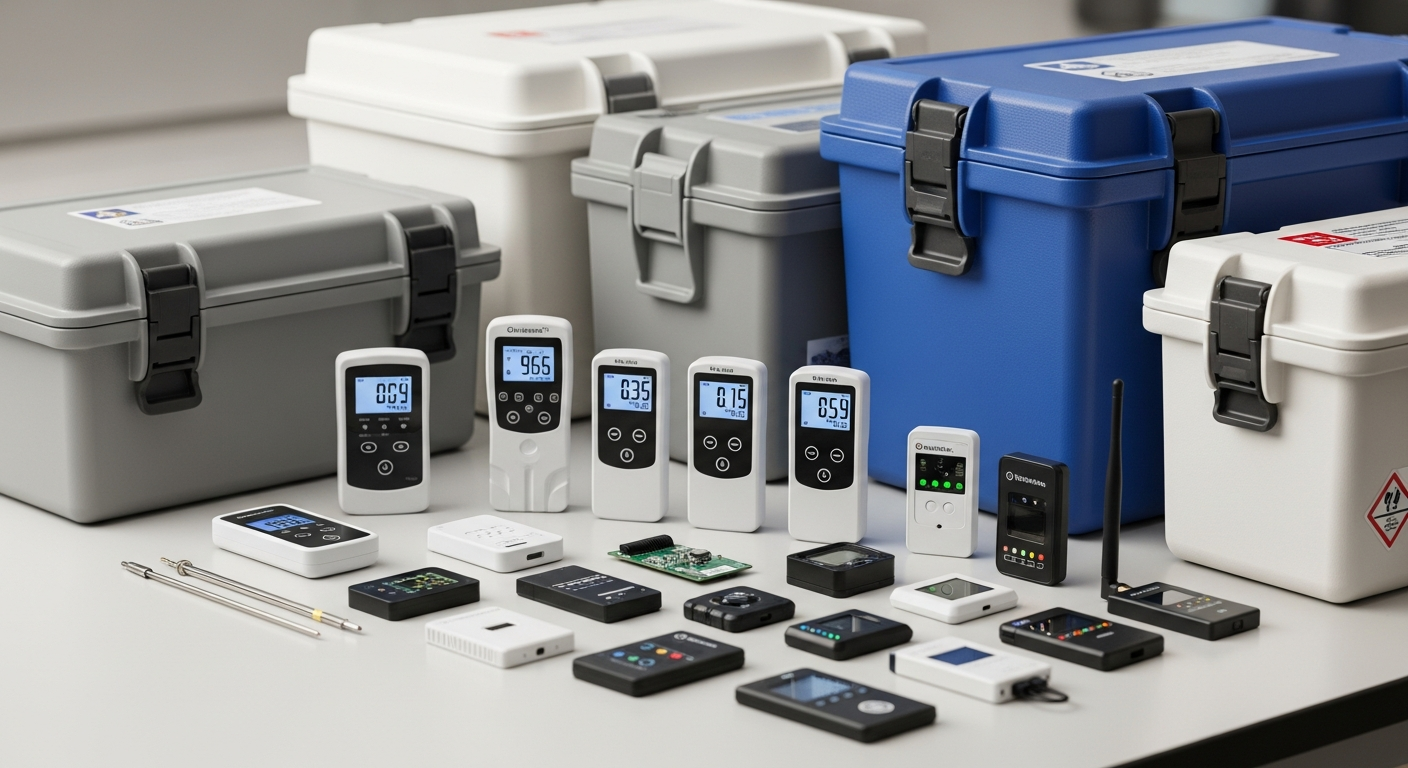
Furthermore, integration with IoT devices will provide even greater visibility into the logistics process, ensuring real-time monitoring of sensitive medical cargo. These innovations will allow healthcare logistics providers to meet growing demand without compromising service quality or compliance.
Key Insights
Incorporating data-driven solutions in medical logistics is no longer optional; it is a necessity for companies aiming to stay competitive and provide reliable services in a cost-effective manner. By leveraging data for route optimization and cost reduction, medical couriers can enhance operational efficiency while ensuring the timely delivery of critical healthcare supplies.
Related Resources
- Medical Specimen Transport
- Chain Of Custody
- Pathology Specimen
- Temperature-Controlled Transport
- Cold Chain
- Refrigerated
Need a reliable medical courier? Request a demo to see how carGO Health can streamline your medical deliveries across the Northeast.
For healthcare facilities that need a reliable medical courier company, choosing the right partner can make all the difference in patient outcomes.
About the Author
Parth Patel is the Founder and CEO of carGO Health, a specialized medical courier service operating 24/7/365 across the Northeast United States. With firsthand experience in medical courier operations since childhood and over 200,000 deliveries completed, Parth built carGO Health to bring technology, reliability, and accountability to healthcare logistics. Connect with Parth on LinkedIn.
Related Reading
- Comprehensive Guide to Medical Courier Services
- Why Hospitals Outsource Medical Courier Operations
- STAT Medical Courier Service: Emergency Response Standards
- Medical Specimen Transport: Protocols and Compliance
- HIPAA Compliant Medical Courier: What to Look For
- Get a Quote — carGO Health Medical Courier Services
Related Resources